All posts by northlondonhousewife

Miyajima (2)

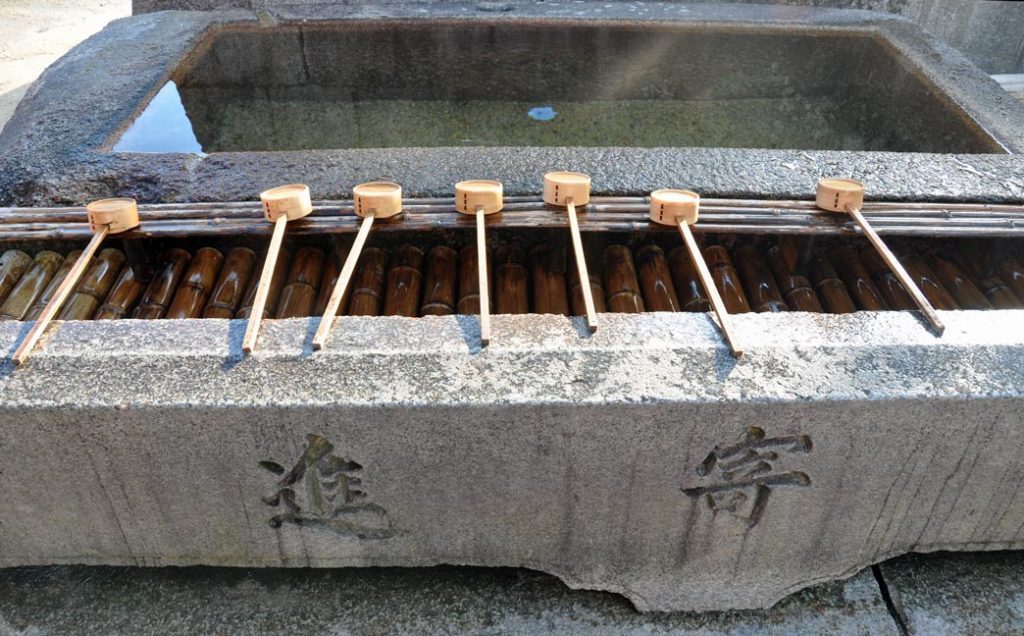
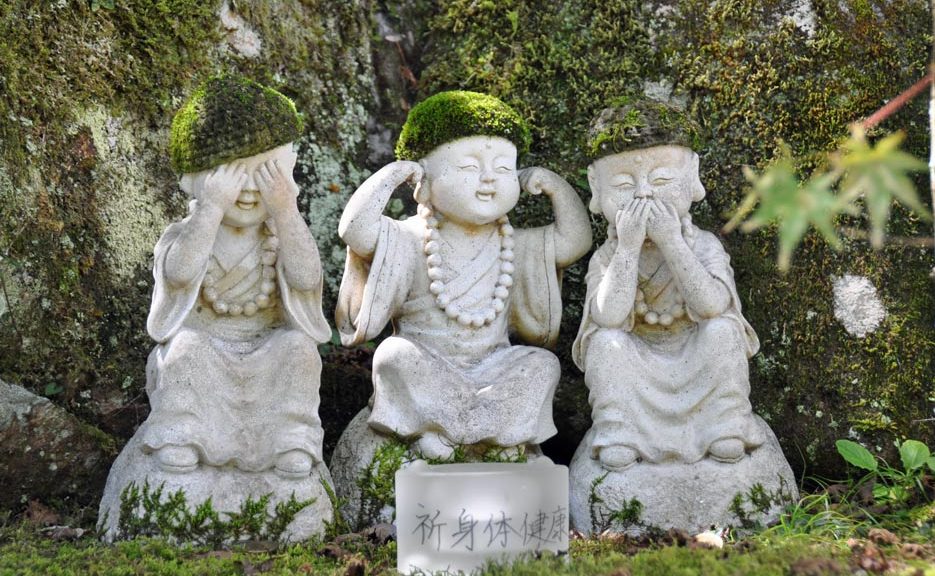
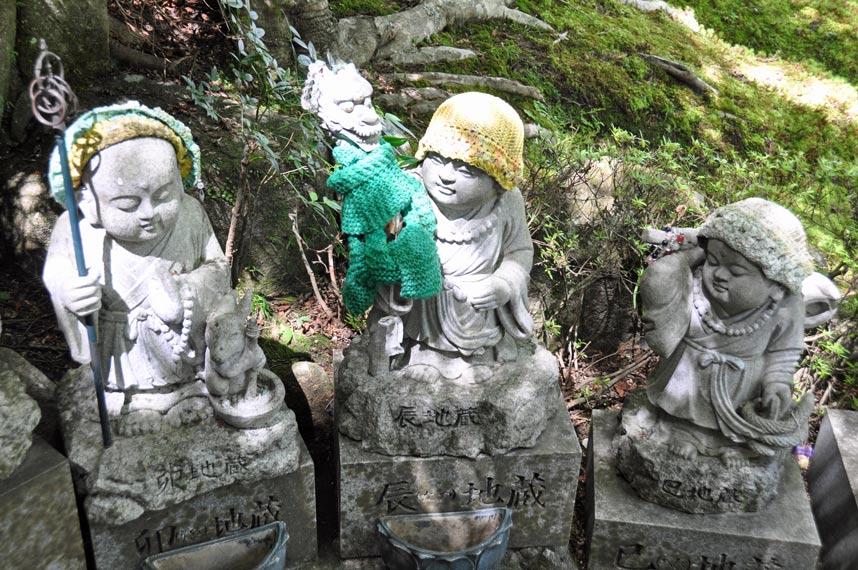
Miyajima (宮島) is a small island officially named Itsukushima and less than an hour outside the city of Hiroshima and one of the highlights of our trip to Japan.
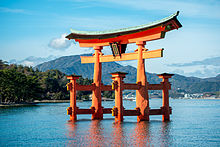
It is most famous for its giant torii gate currently under renovation, which at high tide seems to float on the water.
The sight is ranked as one of Japan’s three best views and for the Itsukushima shrine, also built over the water
There are also wild deer on the island that have become accustomed to people. In the day the deer wander around the same sites as the tourists, and in the evening they sleep along the walking paths.
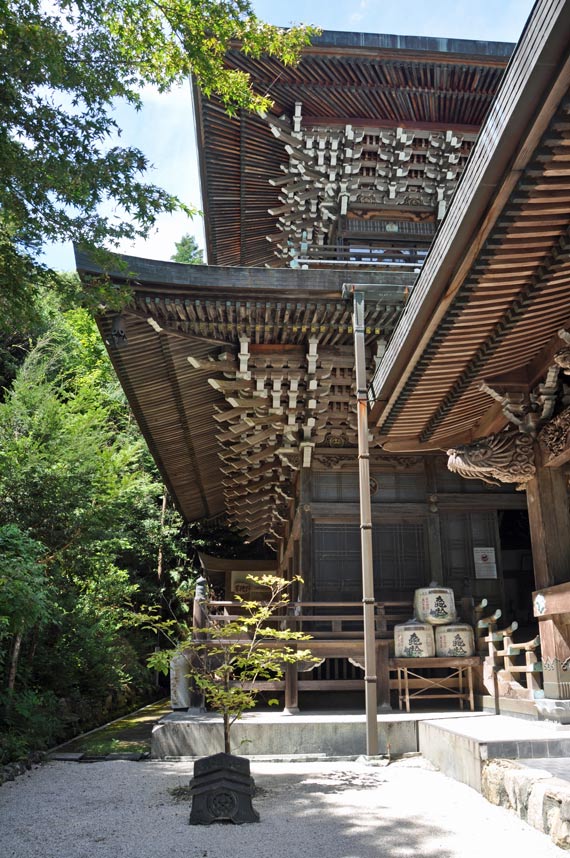
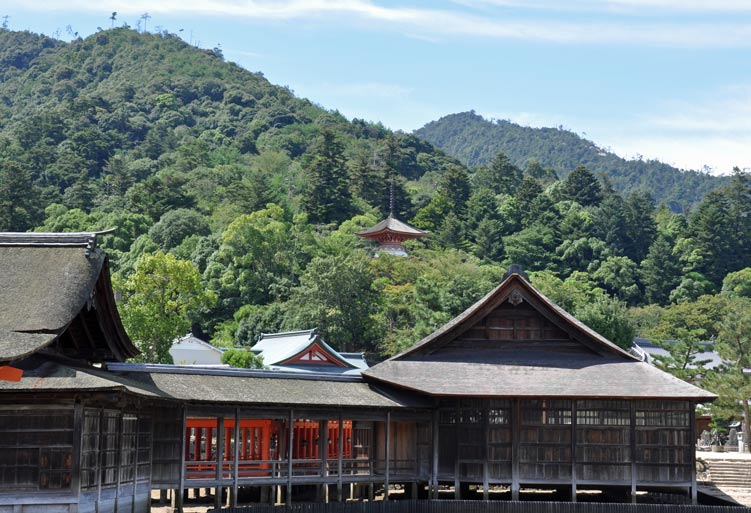
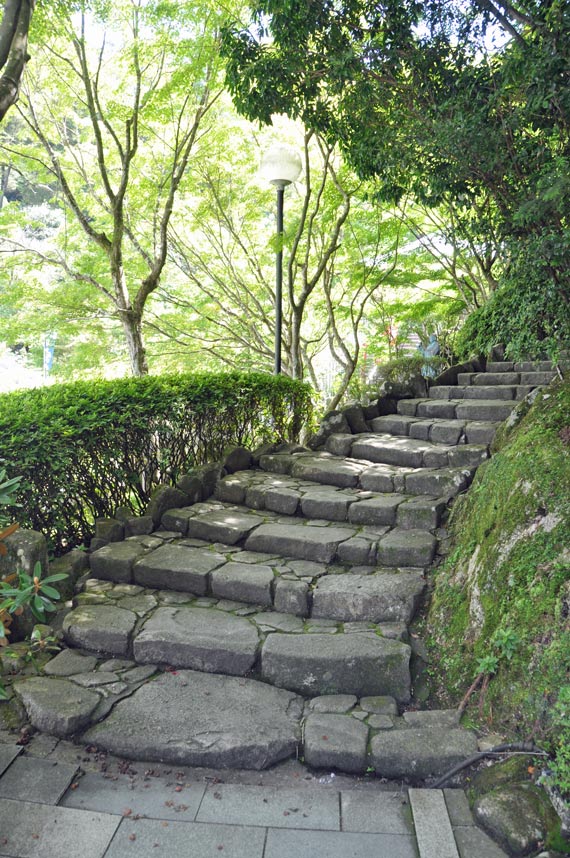
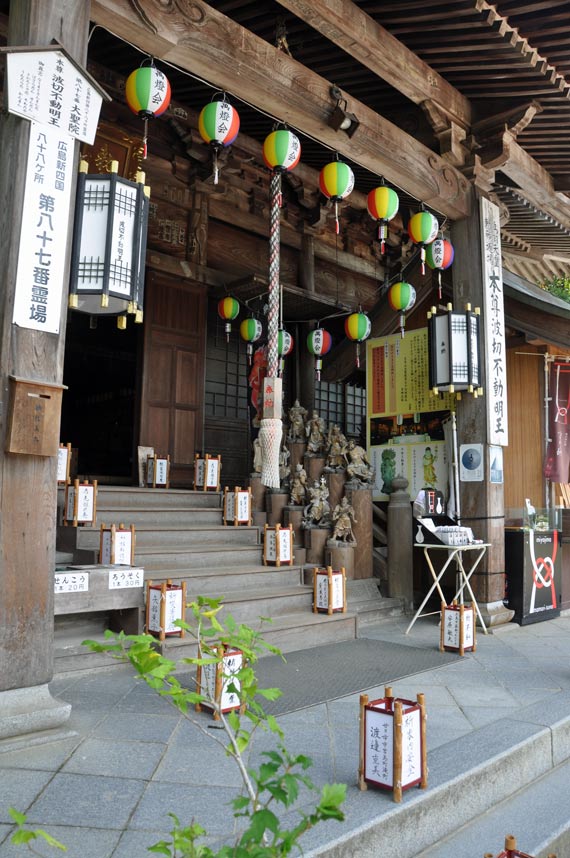
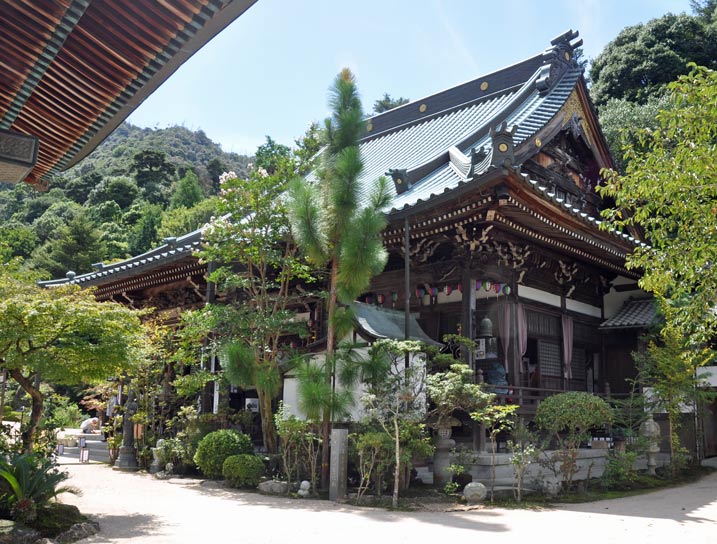
Daisho-in (大聖院, Daishōin) is one of the most important temples of Shingon Buddhism in Japan
It is located at the base of Mount Misen, on which the sect’s founder, Kobo Daishi, first began the practice of Buddhism on the island of Miyajima.
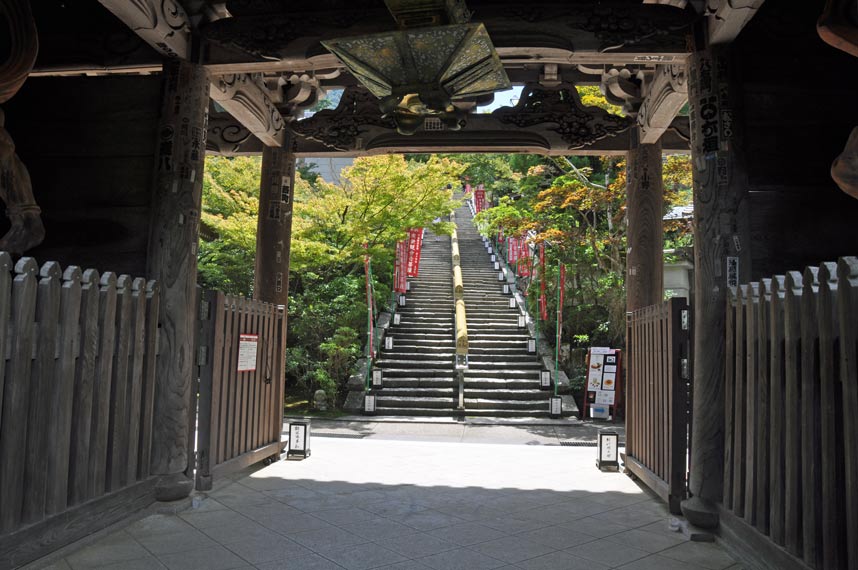
Daisho-in features a variety of buildings, statues and other religious objects for visitors to admire.
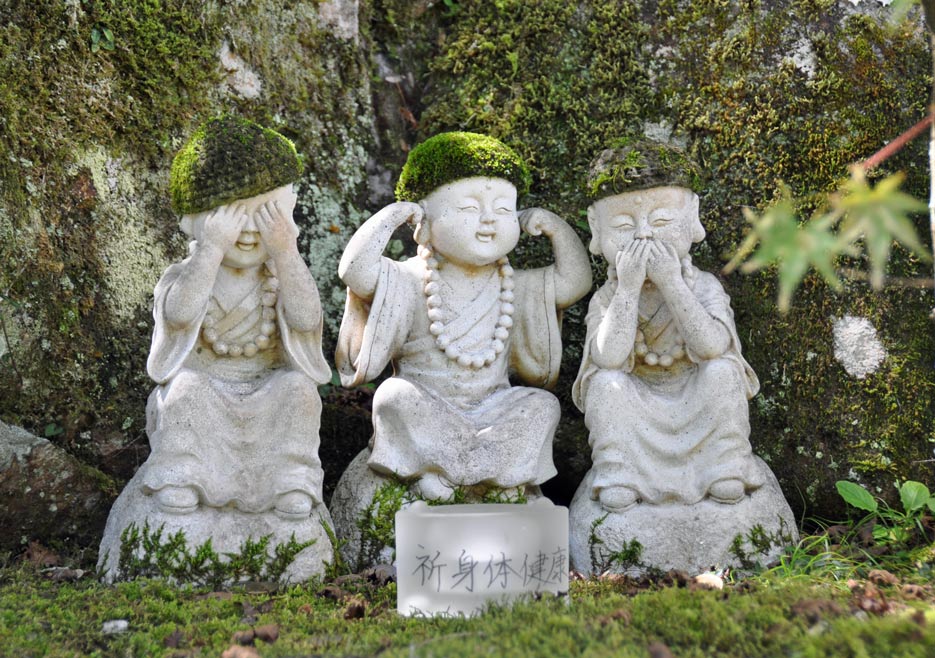
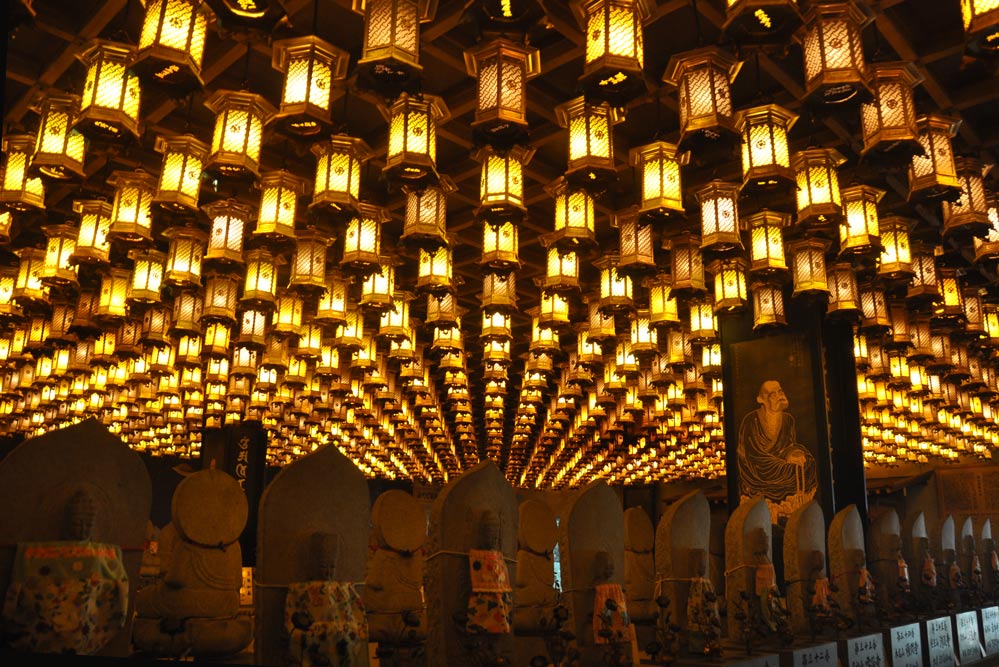
These include the Kannon-do Hall, the Maniden Hall, a sand mandala made by visiting monks from Tibet, a tea room and a cave filled with 88 icons representing the temples of the Shikoku Pilgrimage.
An interesting Buddhist ritual can be performed when walking up the temple’s steps.
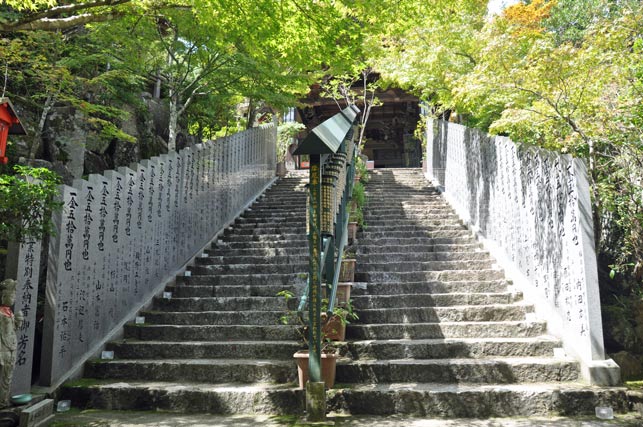
Along the stairs is a row of spinning metal wheels that are inscribed with sutra (Buddhist scriptures).
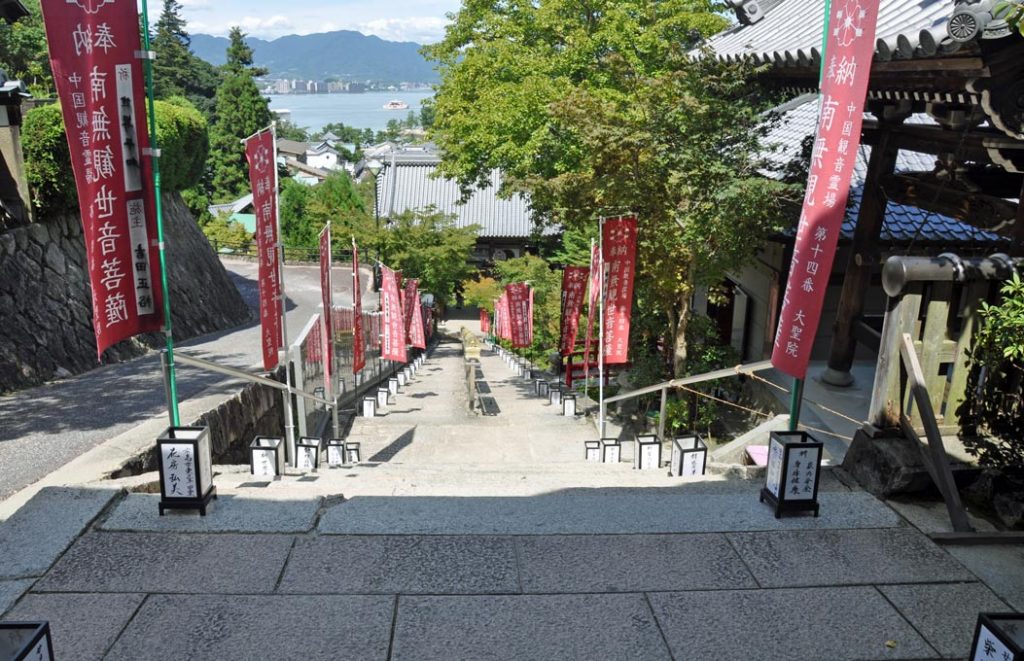
Turning the inscriptions as one walks up is believed to have the same effect as reading them.
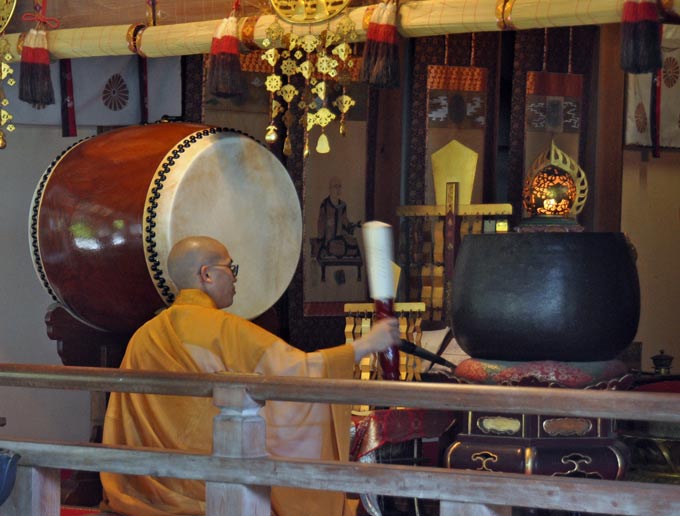
So, without any knowledge of Japanese, you can benefit from the blessings that the reading of sutra is believed to entail.
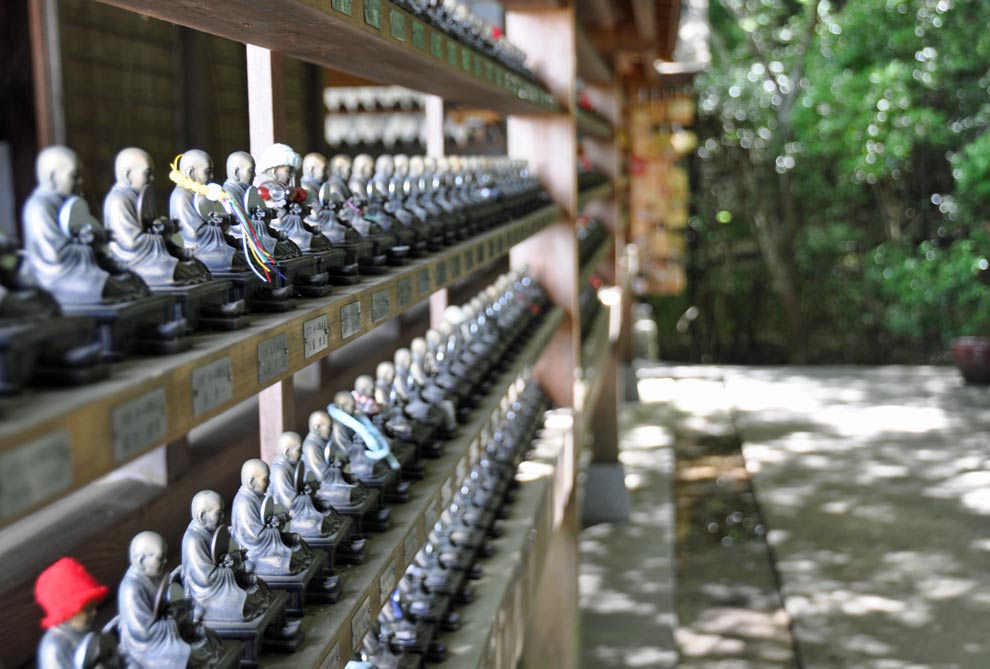
Daishō-in is is the 14th temple in the Chūgoku 33 Kannon Pilgrimage and famous for the maple trees and their autumn colors.
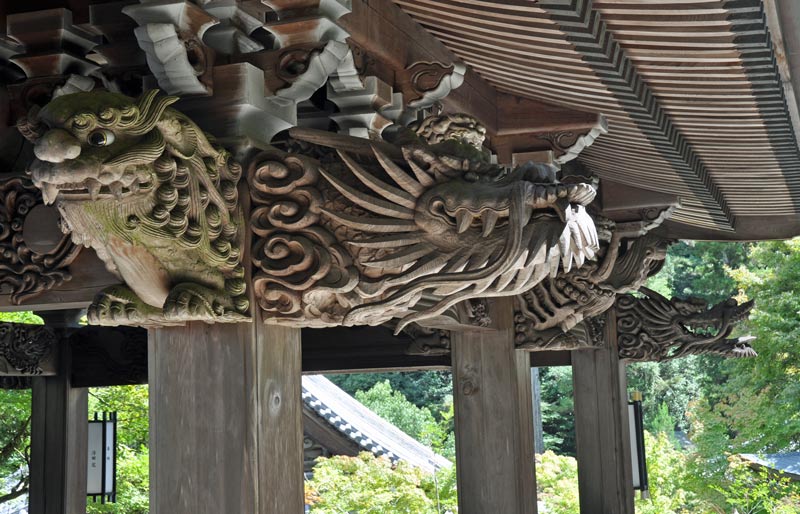
It is also called “Suishō-ji”.
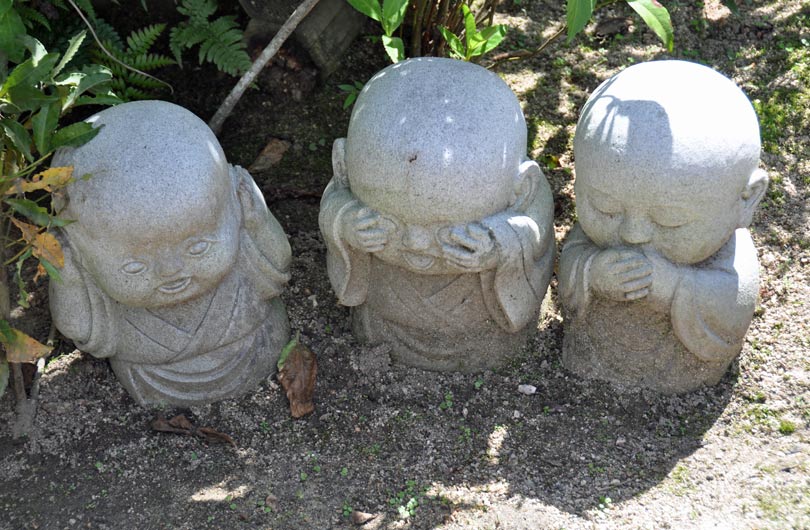
As the headquarters of the Omuro branch of Shingon Buddhism, it is the most important temple of Miyajima.
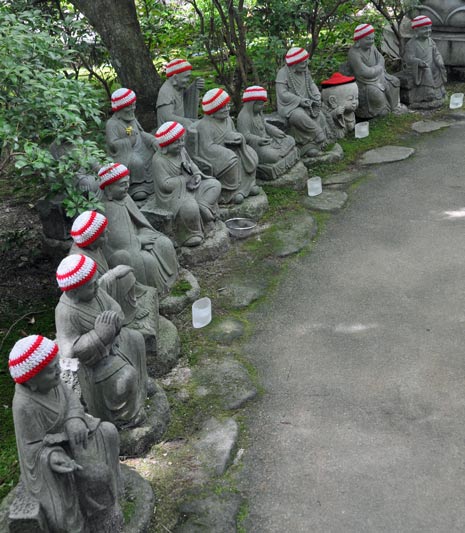
The temple was the administrator of the Itsukushima shrine before Meiji Restoration forbade (Shinbutsu bunri) syncretism (Shinbutsu-shūgō) between Shinto and Buddhism in 1868
Tofu with tomatoes, sweet soy and greens

Kecap manis is to Indonesia what HP Sauce is to the UK, and it’s served with just about everything savoury. It’s essentially soy sauce thickened and sweetened with palm sugar, and is often flavoured with spices such as star anise, garlic, ginger, galangal and chilli. These days it’s widely available in the UK in supermarkets and online, as well as in south-east Asian food stores.

Prep 15 min
Cook 35 min
Serves 1

280g extra-firm tofu, drained and cubed
4 tbsp rapeseed oil 
4 shallots (200g), peeled and very finely chopped 
4 fat garlic cloves, peeled and minced 
1 stick lemongrass, outer leaves discarded, the rest very finely chopped
2 Thai red chillies, very finely chopped
4 vine tomatoes (250g), chopped 
¾ tsp salt, plus 1 pinch extra
2 tsp kecap manis
250g pak choi, tailed and shredded

First fry the tofu. Put a couple of pieces of kitchen roll on a plate and pour the oil into a nonstick frying pan for which you have a lid on a medium to high heat. When hot, add the tofu and cook until crisp and golden brown (about five minutes), then flip over on to the other side and cook for a further five minutes. Take off the heat, lift out the tofu using a slotted spoon, leaving the oil behind, and place on the papered plate to drain.

Reheat the pan and oil on a medium heat and, once hot, add the shallots and fry, stirring often, for eight minutes, until browning. Add the garlic, lemongrass and chillies, cook, stirring, for three to four minutes, until the raw smell of the garlic has gone and the shallots are crisp, then stir in the tomatoes. Cook for another six to eight minutes, until you have a delicious, soft paste, then turn the heat right down, stir in the salt and kecap manis, and return the tofu to the pan. Stir again, layer the shredded pak choi on top, turn up the heat, pop on the lid and cook for five minutes.

Take off the heat, add a pinch of salt to taste, if required, then transfer to a plate and serve with hot rice.

Miyajima (1) Japan

Itsukushima (厳島) is an island in the western part of theInland Sea of Japan, located in the northwest of Hiroshima Bay. 

It is popularly known as Miyajima (宮島), which in Japanese means “Shrine Island”.

The island is one of Hayashi Gaho’s Three Views of Japan specified in 1643.

Itsukushima is part of the city of Hatsukaichi  in Hiroshima Prefecture.

The island was part of the former town of Miyajima before the 2005 merger with Hatsukaichi.

So after a day visit to the Hiroshima Peace memorial, we returned to the railway station and caught the train down to the coast,

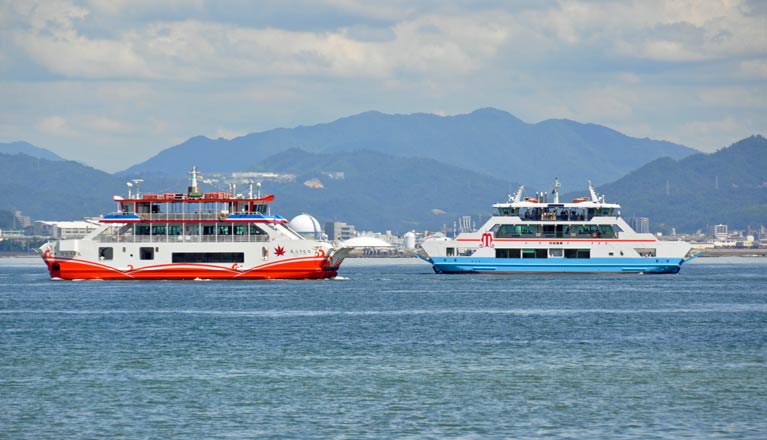
Miyajima Ferry Boats

for a ferry to the Island.

Most tourists visit for the day and then head back to the mainland, but there is real value in staying overnight, or in our case for a few nights.

Once the tourists have gone home, the island turns quiet and restful. The shrines you visited in the morning are open reasonably late and can be re-visited with fewer people, and in the case of the Itsukushima Shrine with its famous red tori gates, possibly more water depending on the tide.

Note that in Japan, the term “shrine” implies a Shinto religious structure and “temple” implies a Buddhist one.

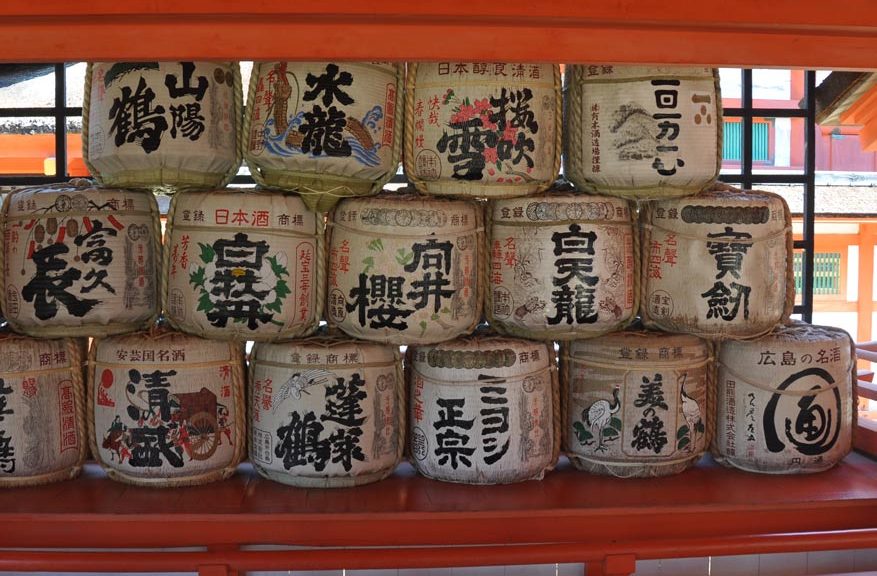
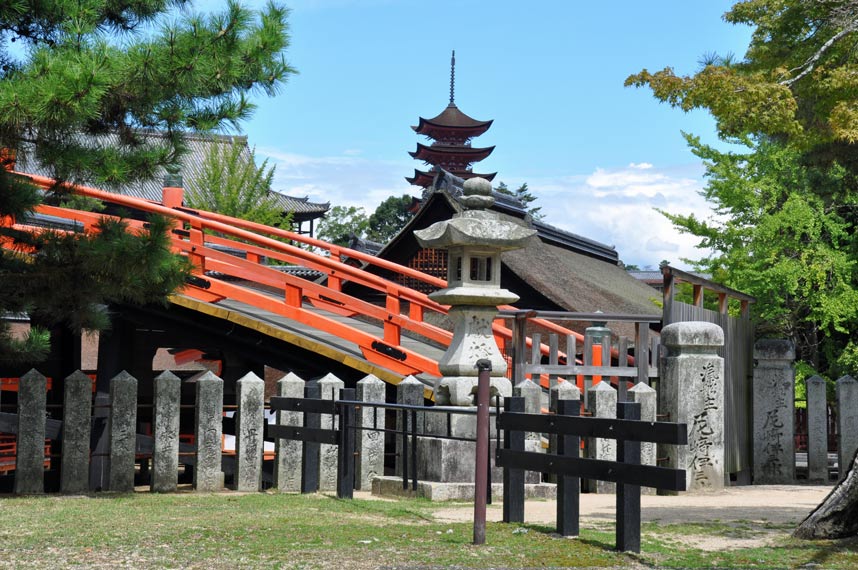
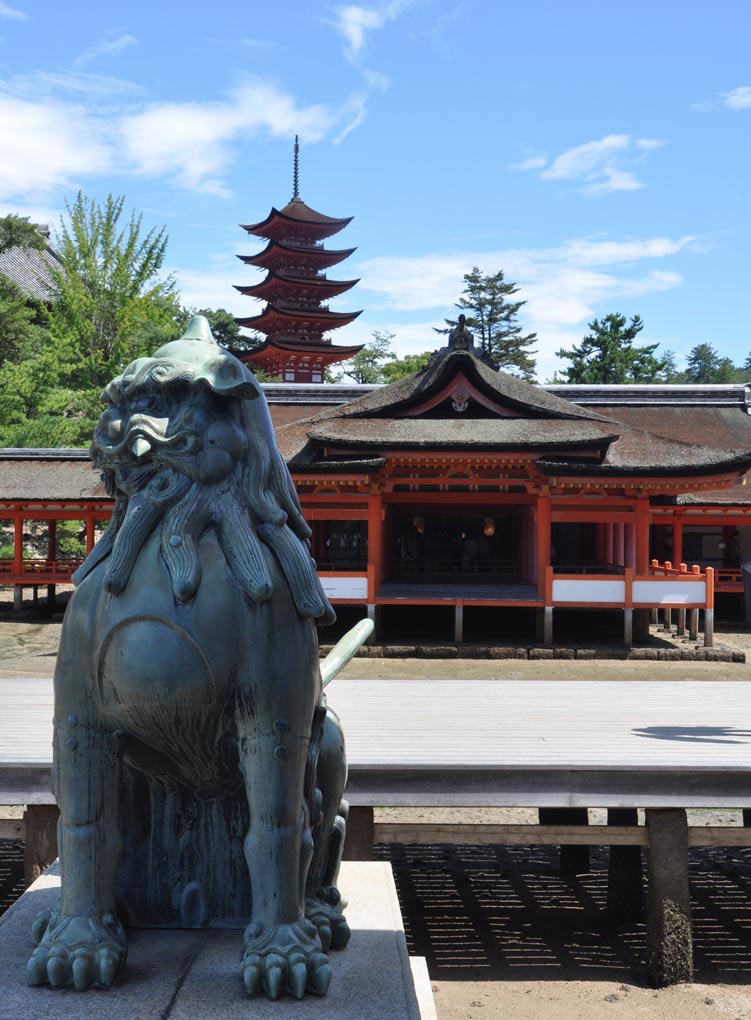
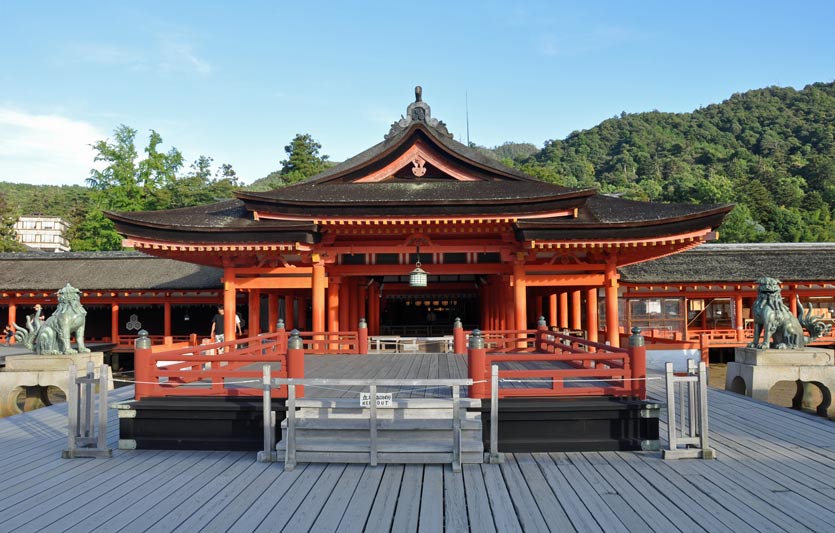
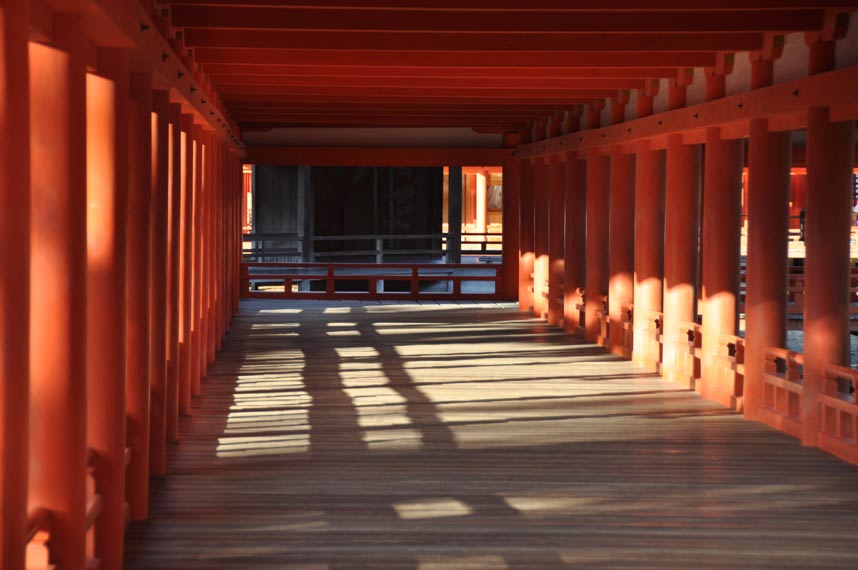
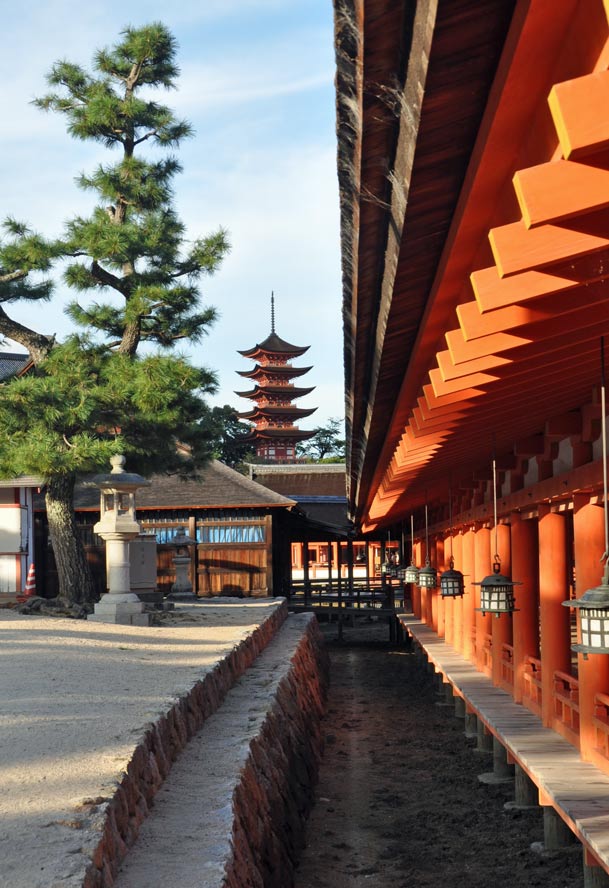
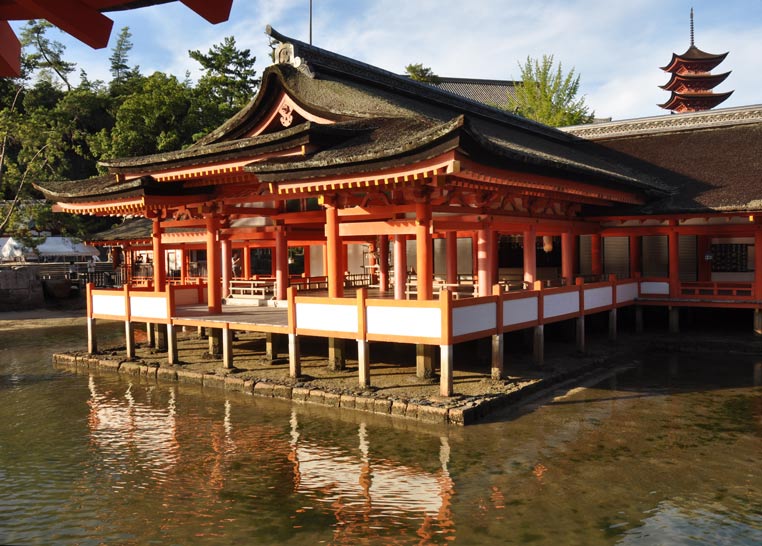
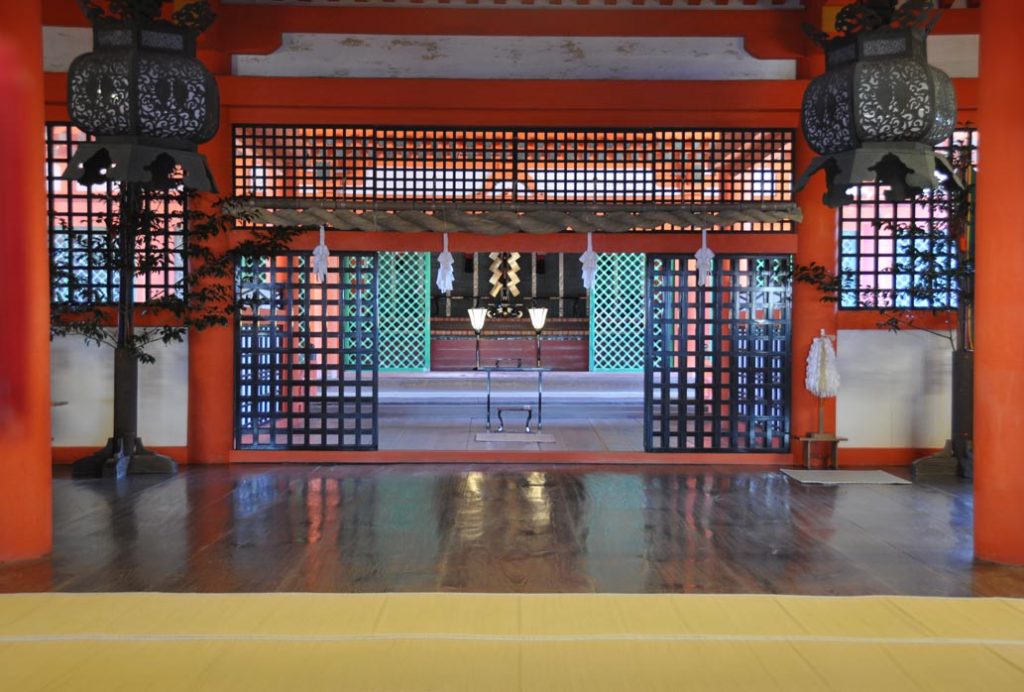
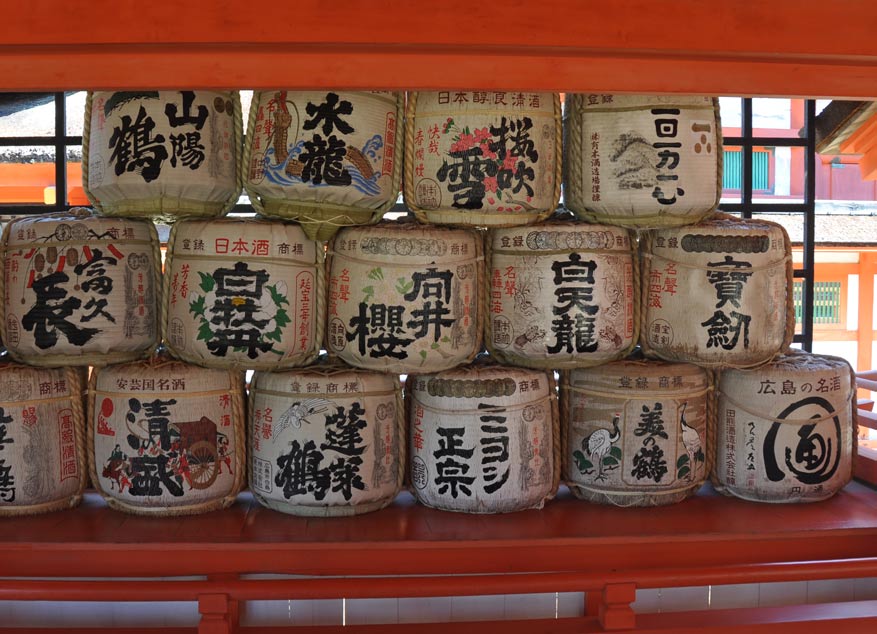
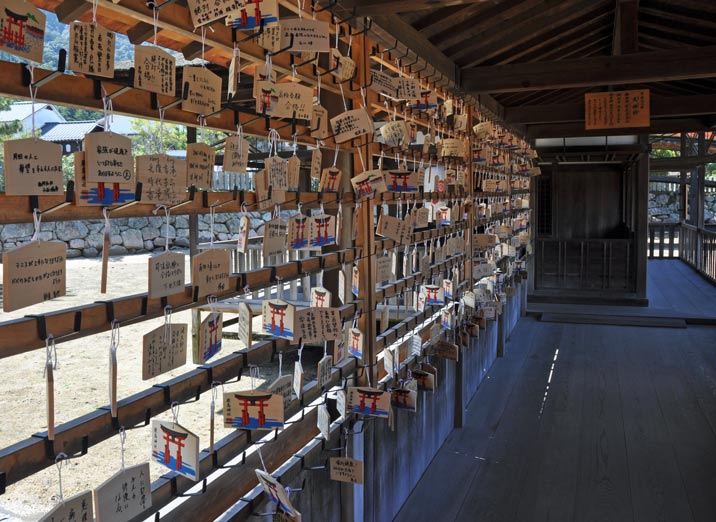
Miyajima is famous for the Itsukishima Shrine (厳島神社, Itsukushima-jinja) which is a shinto shrine, sitting in a shallow coastal harbour, known for its “floating” torii gate.

The historic shrine complex is listed as a UNESCO World heritage site, as well as one of the National treasures by the Japanese government.

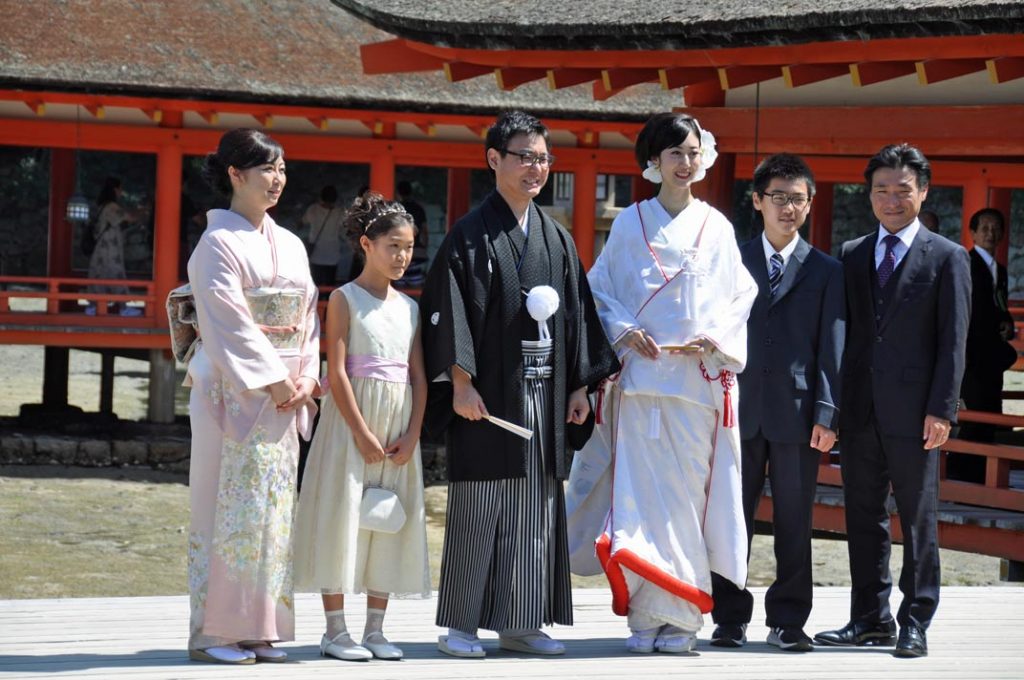
It is also the site visited by many families for a couple’s wedding photos in traditional outfits.

For our visit, the tori gates were being repaired and under cover, but on shrine island there are plenty of beautiful sites to see and visit. More than enough places to make up for missing the gate.

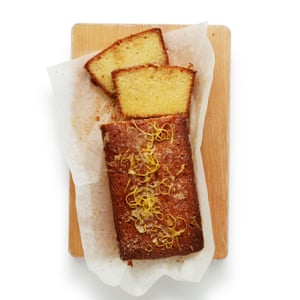
Lemon Drizzle Cake

Minimal effort, maximum results: step-by-step instructions for making a cake that always goes down a storm

Felicity Cloake’s lemon drizzle cake.
 Felicity Cloake’s lemon drizzle cake

Prep 20 min
Cook 50-55 min
Makes 1 loaf cake

175g butter, softened, plus a little extra to grease
2 unwaxed lemons
175g caster sugar

Fine salt
3 eggs
100g self-raising flour
75g ground almonds
A little milk
100g demerara sugar

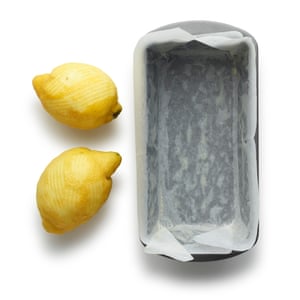
Grease a 2lb loaf tin (ie, one measuring about 23cm x 13cm x 7cm) with butter or oil, and line with greaseproof paper. Heat the oven to 180C (160C fan)/350F/gas 4.

Zest the lemons – if you haven’t got unwaxed (or organic) ones, give them a good scrub with hot water to remove some of the wax first, because this will give a better flavour.

Line and grease a loaf tin, then zest and juice three lemons.
 Line and grease a loaf tin, then zest and juice two lemons.

If you’ve forgotten to take the butter out of the fridge, cut it into cubes and leave it near the warm oven or give it a few good whacks with a rolling pin to help it on its way. (Microwaving will just melt the outside, which isn’t ideal.) Put the cubed butter in a large bowl, or in the bowl of a food mixer, with the caster sugar, a pinch of fine salt and half the lemon zest.

Use electric beaters to beat the butter and sugar mix until it’s really light and fluffy, scraping down the sides of the bowl as necessary; this should take about five minutes. You can do this with a wooden spoon, but it will take a while, because you want to get as much air into the mix as possible.

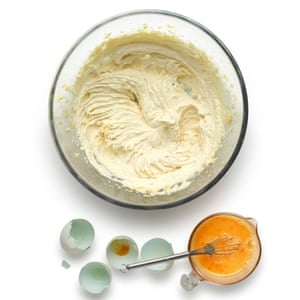
Cream the butter, sugar, the rest of the zest and a pinch of salt; get as much air in the mix as you can. Then add eggs.
 Cream the butter, sugar, half the zest and a pinch of salt; get as much air in the mix as you can. Then incorporate the eggs bit by bit.

Beat together the eggs in a jug, then beat them into the butter and sugar mixture a little at a time, making sure each addition is thoroughly incorporated before adding any more. If the mixture threatens to curdle at any point, add a little of the flour to bring it back to a smooth consistency.

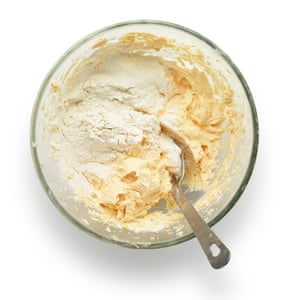
Tip the flour into a sieve and sift it on top of the butter and sugar mixture – though this is not vital, it will help to give a lighter, fluffier result, so I’d recommend it. Use a large metal spoon gently to fold in the flour with a slow, figure-of-eight motion, being careful to knock as little air out of the mix as possible.

Sift in the flour, then gently fold it in, taking care to knock out as little air as possible, then pour into the tin.
 Sift in the flour, then gently fold it in, taking care to knock out as little air as possible, then pour into the tin.

Put the ground almonds in a bowl, give them a quick whisk to break up any lumps, then fold into the batter in the same way as the flour. Gradually mix in just enough milk to thin down the batter to a consistency that will reluctantly drop off a spoon.

Pour the batter into the prepared tin and gently level the top. Put in the hot oven and bake for about 50-55 minutes, or until the top is golden and risen, and a skewer pushed into the centre comes out clean, or at least without any wet batter clinging to it; a few crumbs are fine.

Felicity Cloake and the lemon drizzle cake. Number four: zest and juice three lemons. Mix the juice and half the zest with demerara sugar.
 Mix lemon juice and the remaining zest with demerara sugar.

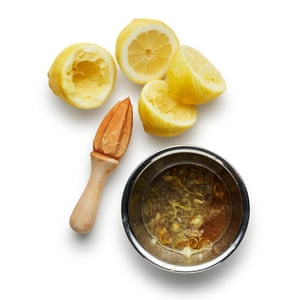
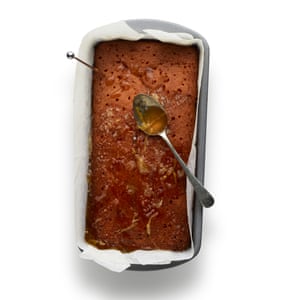
Juice both lemons and mix this with the demerara sugar and the remaining lemon zest. Leave the cake in the tin, and poke small holes evenly all over the top, then pour over the drizzle bit by bit, waiting for it be absorbed before adding any more. Leave the cake to cool in its tin before turning out.

Bake until risen and golden, then poke holes all over the top and pour over the juice, zest and sugar mixture.
 Bake until risen and golden, then poke holes all over the top and pour over the juice, zest and sugar mixture.

This cake is an easy one to customise: swap lemon for other citrus fruits; or add a dash of gin or vodka to the drizzle; or make a spiced version by bringing the demerara sugar to a boil with 100ml water, the lemon zest and a tablespoon of squashed cardamom pods until the sugar dissolves, then turn off the heat and leave to infuse while the cake bakes.

Osaka to Hiroshima

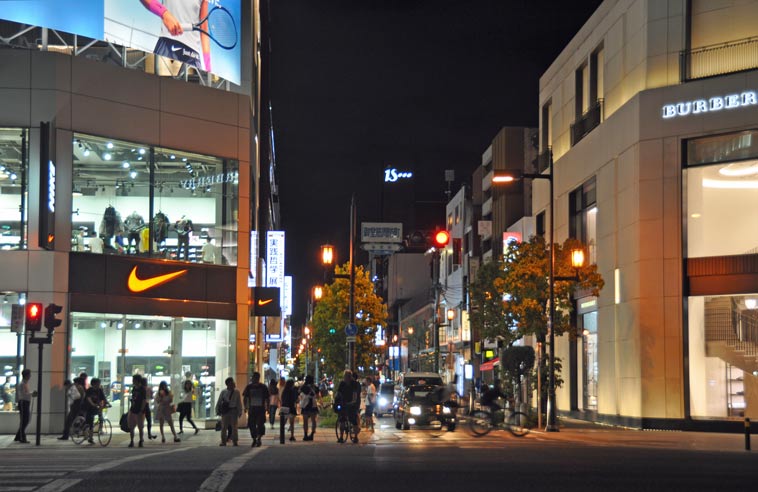
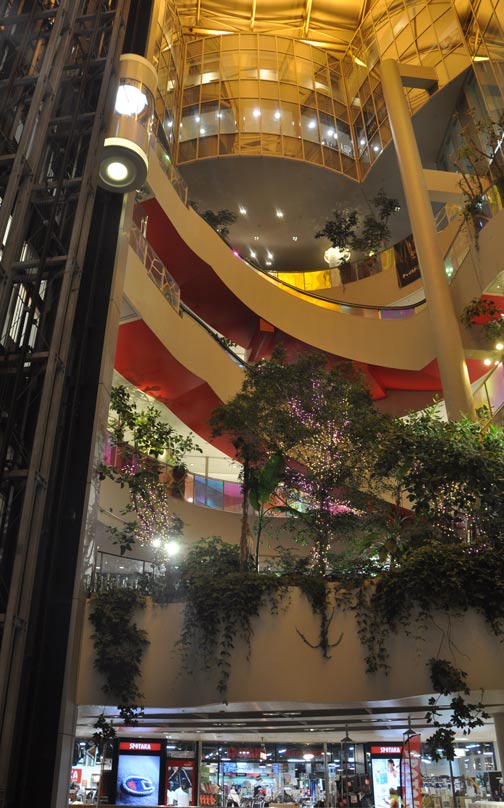
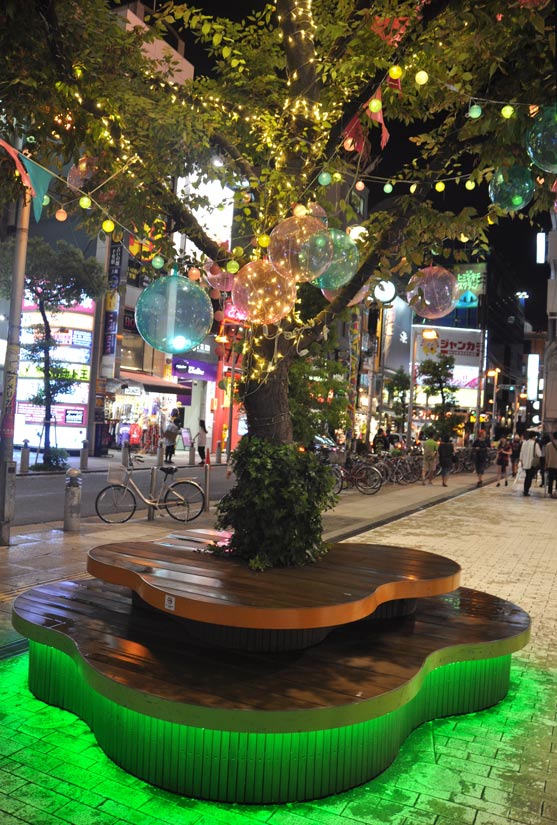
Moving west across Japan from Tokyo, we left Takayama and reached Osaka for a brief overnight stop. Later we were told the people of that city have a reputation for taking everything at a much faster pace and certainly it felt like a city that enjoyed a party.

Osaka

Even so, it felt uniquely Japanese which is to say both polite and safe. Travelling through the country we saw countless people on bicycles, both rural and city, and not a single bicycle lock. People trusted each other enough not to steal their bikes.

On public transport, the public information announcements exhorted people to switch off their phones, to switch down their music etc so as not to inconvenience their fellow travellers with noise. Elsewhere people worry about much more egregious behaviour. It is a polite and safe country for tourists.

The only times we came close to getting lost were finding our way out of some of the larger stations. After standing puzzled for a few minutes, inevitably someone local would stop and in often very broken English, would do their best to help us find our way.

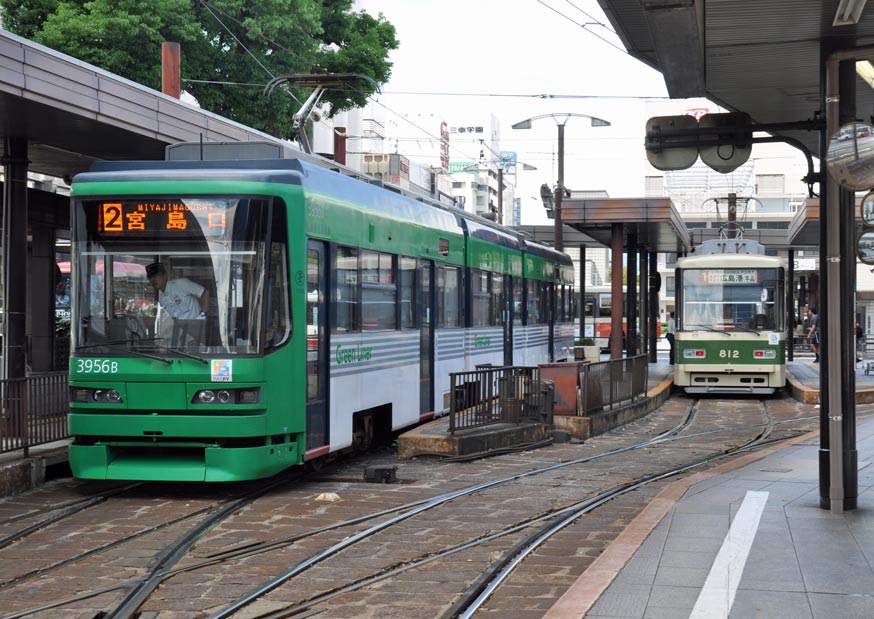
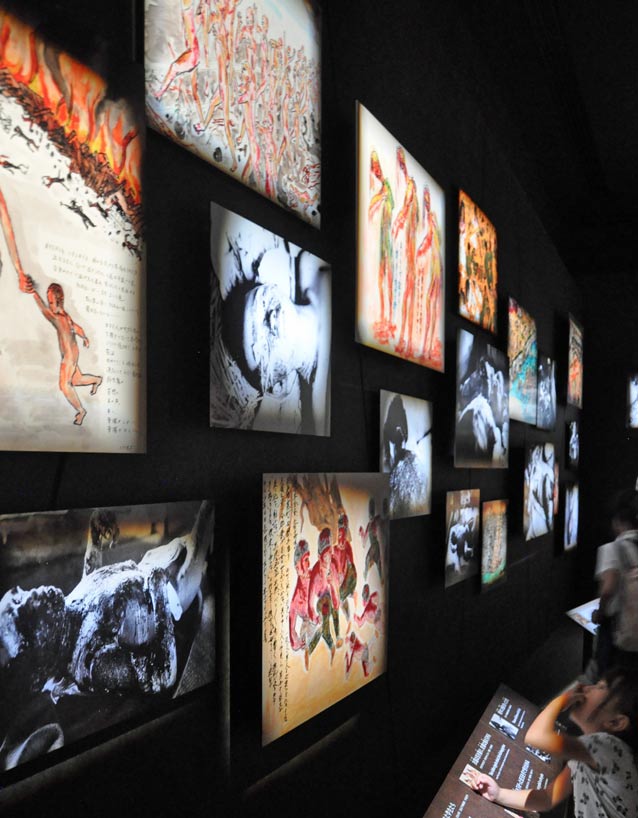
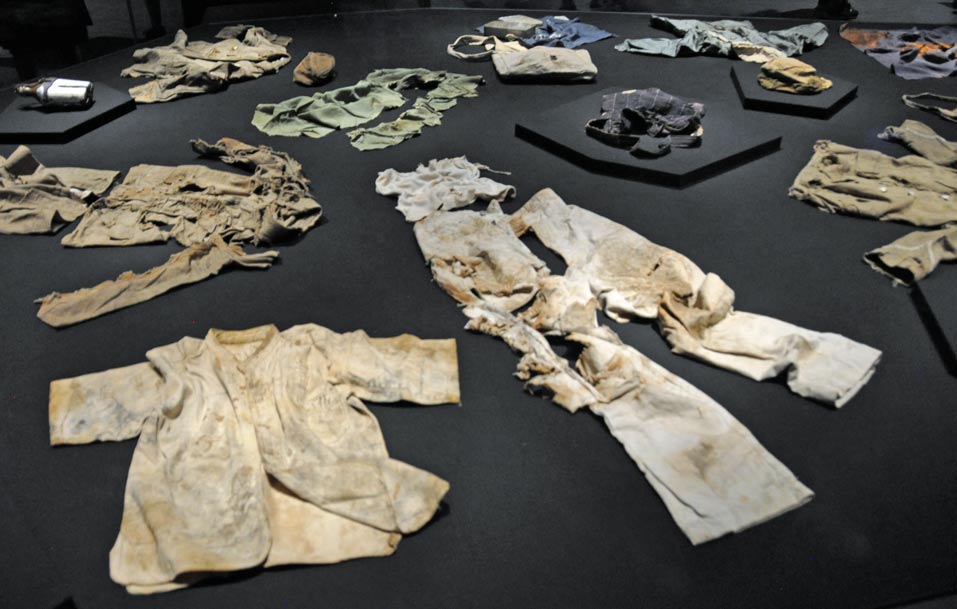
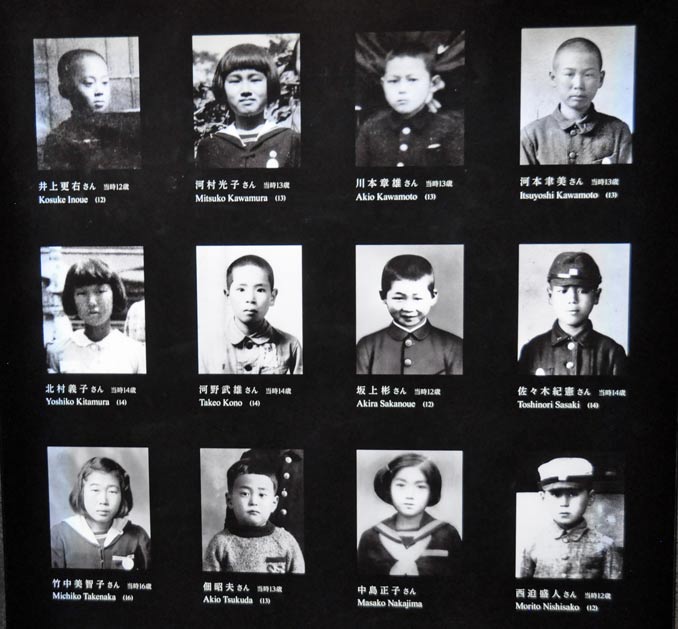
We visited Hiroshima passing through on our way to Miyajima, Shrine Island just south of the city. Having arrived at the station, we caught a tram from just outside to the Peace Memorial and Museum.

Hiroshima Tram

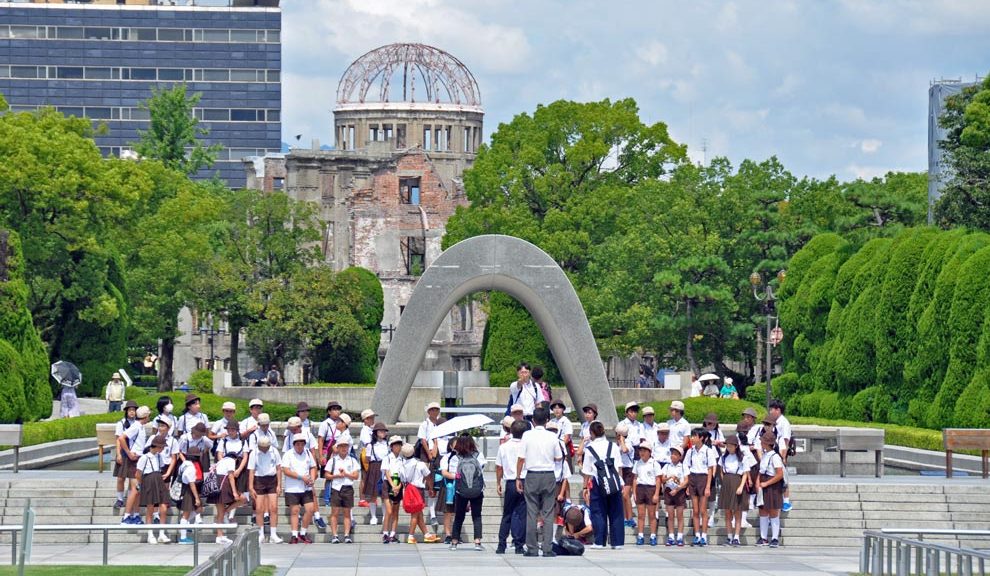
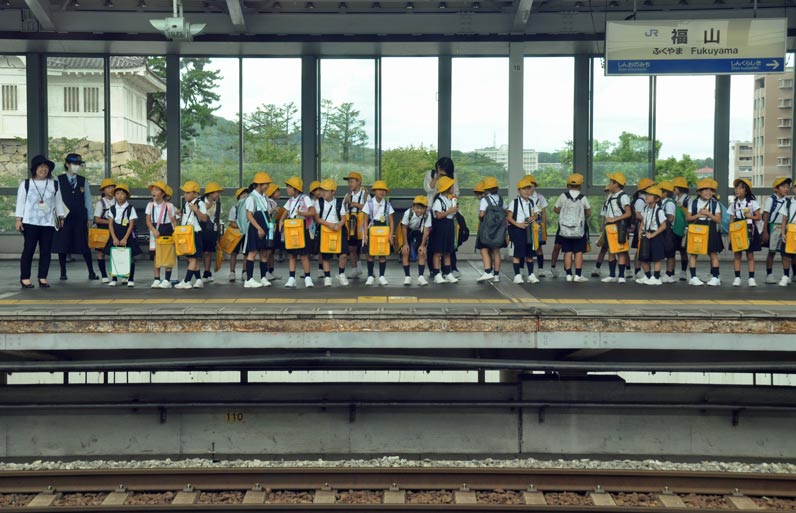
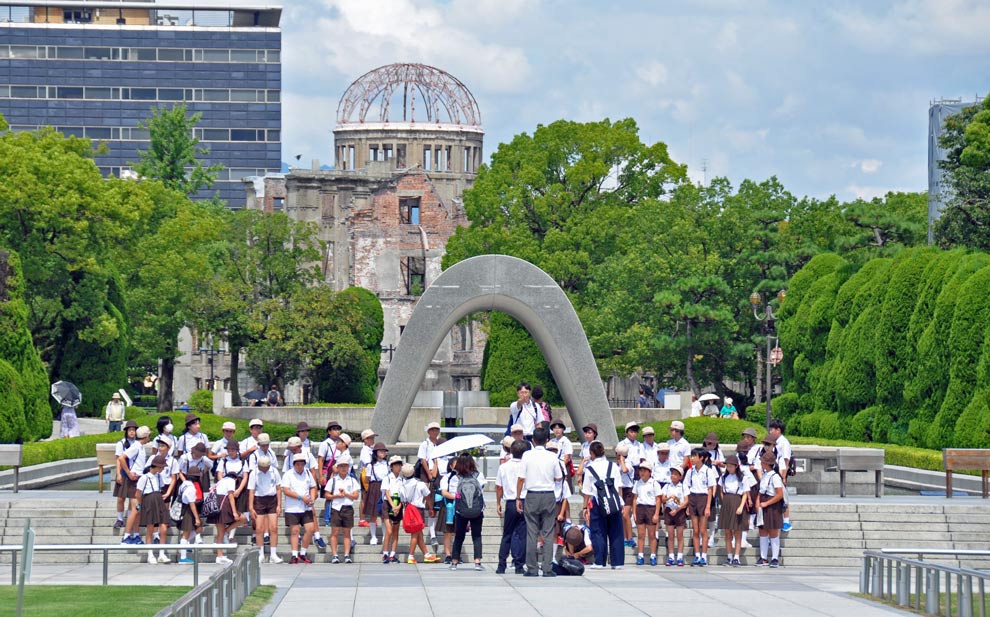
As you would expect it was a somewhat harrowing experience, almost made more so by the presence of so many very young children visiting with school groups.

School trip to Hiroshima
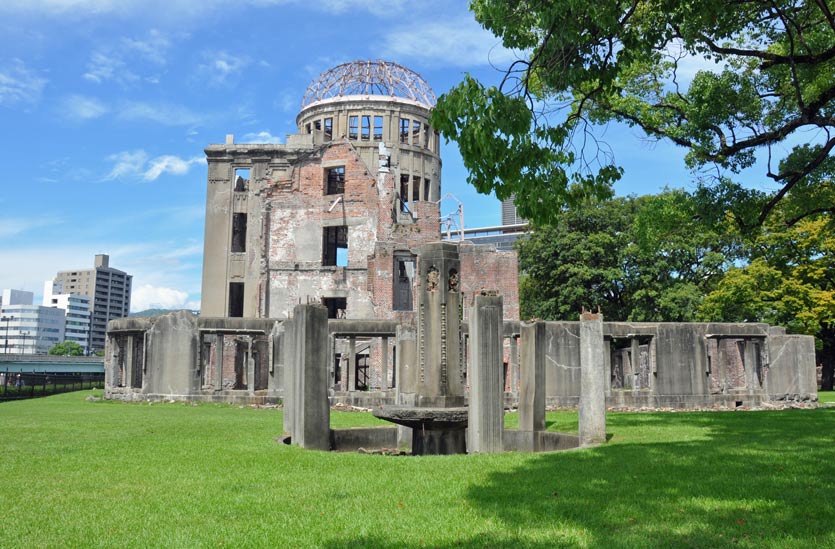
Hiroshima

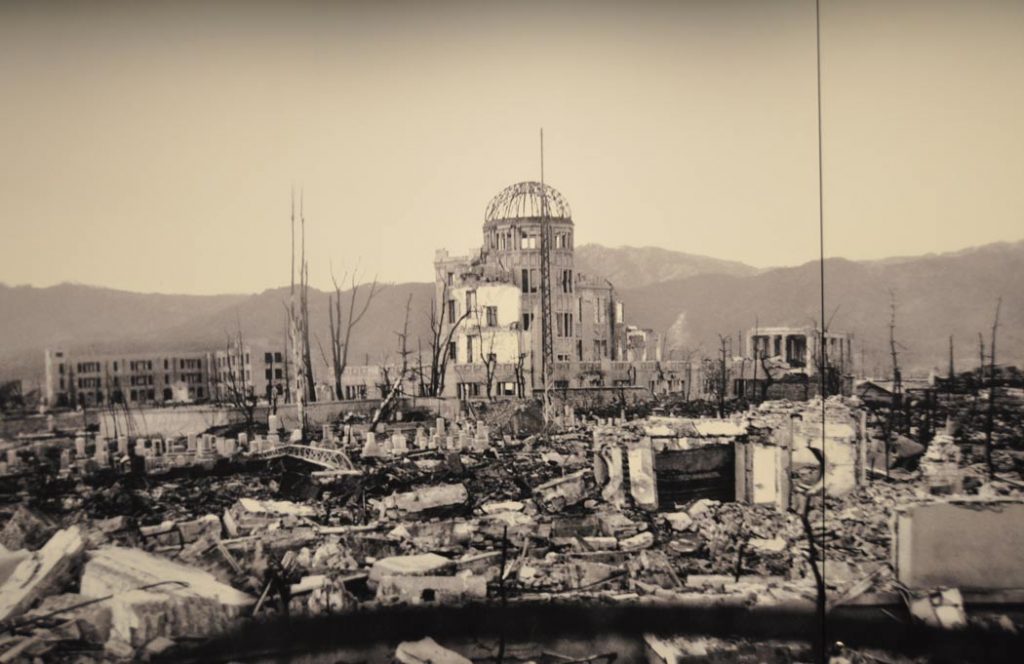
It felt an essential part of the trip, and probably necessary to understand some of the internal conflict within Japan, the pull towards and push away from the military but it was also a huge relief to leave.

Ground Zero Hiroshima
Peace Museum Hiroshima

On the way back to the station we were stopped by a group of young teen students who had been tasked with chatting with tourists to try and understand the impact of the Peace Memorial.

Peace Museum Hiroshima

Their teacher hovered protectively as they practiced their English and struggled with the speed of our responses.

Hiroshima

They were a real delight after the intensity of the museum.

Coffee Cake

Sometimes you have to give the punters what they want, and when it comes to a local fete and a cake stall that means coffee cake. Not always, but often enough that a good recipe is worth filing away.

Perfect coffee and walnut cake
 

(serves 8)
2tbsp instant coffee
100g walnut halves
225g butter, at room temperature
225g soft, light-brown sugar
4 eggs, beaten together
225g plain flour
3tsp baking powder
1/4tsp salt
Milk, optional

For the icing:
2tbsp instant coffee
165g butter, at room temperature
425g icing sugar
1/4tsp salt
4tbsp double cream

Mix the coffee with 1tbsp boiling water, and then leave to cool. Meanwhile, toast the walnut halves in a dry pan until they smell toasted and nutty, then set a quarter of them aside and roughly chop the remainder.

Heat the oven to 180C (160C fan) and grease and line the bases of 2 x 20cm sandwich tins.

Beat the butter and sugar together until really light and fluffy.

With the mixer still running, pour in the egg mix very gradually, scraping down the sides of the mixer as necessary. Once incorporated, sift in the flour, baking powder and salt, and gently fold in with a large metal spoon, adding the coffee and chopped walnuts as you go.

The batter should fall, reluctantly, from a spoon; if not, add a little milk to loosen it. Divide between the 2 tins, and bake for about 25 minutes until well risen. Allow to cool for 10 minutes in the tins, then put on a wire rack to cool completely. Meanwhile, mix the 2tbsp coffee for the icing with 1tbsp boiling water and allow to cool.

Once the cakes have cooled, make the icing. Beat the butter until soft, then sift in the sugar and salt and add the cooled coffee and cream. Stir together until evenly combined. Top one cake with a little less than half the icing, spreading it more thickly in a ring around the edge, and then place the other cake on top. Spoon the remaining icing on the top, and arrange the walnuts in a pleasing pattern.

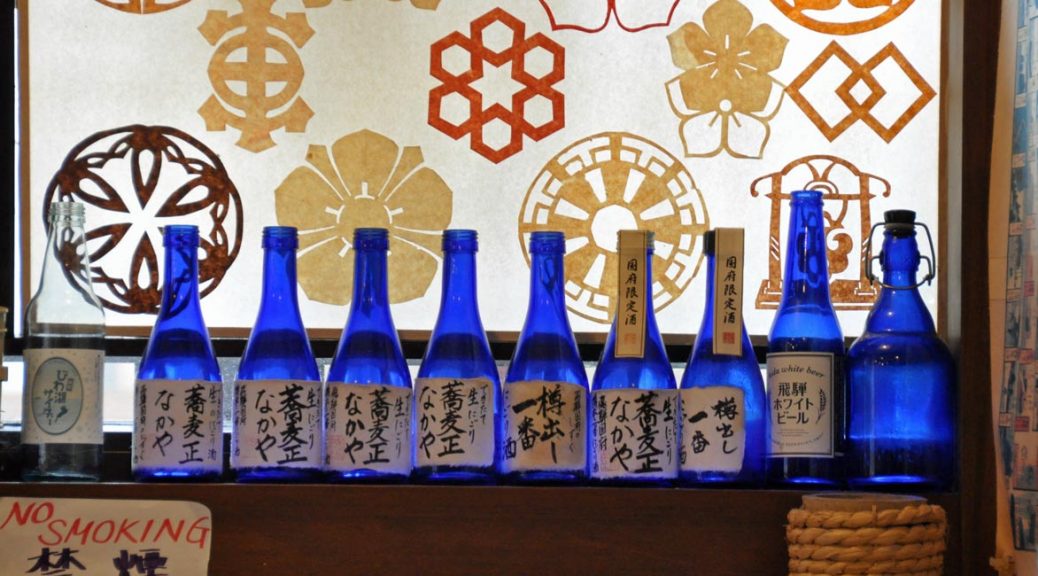
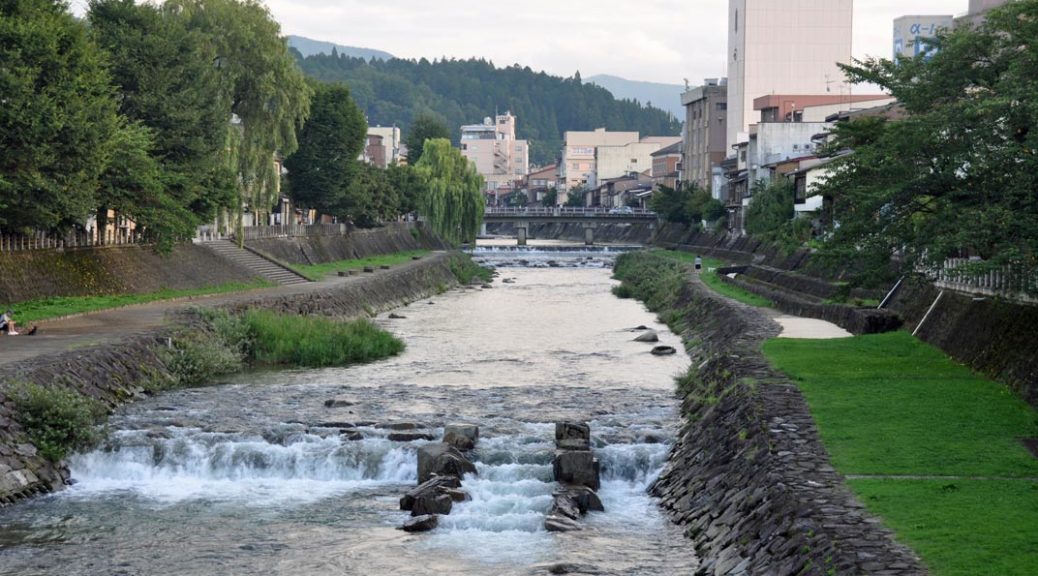
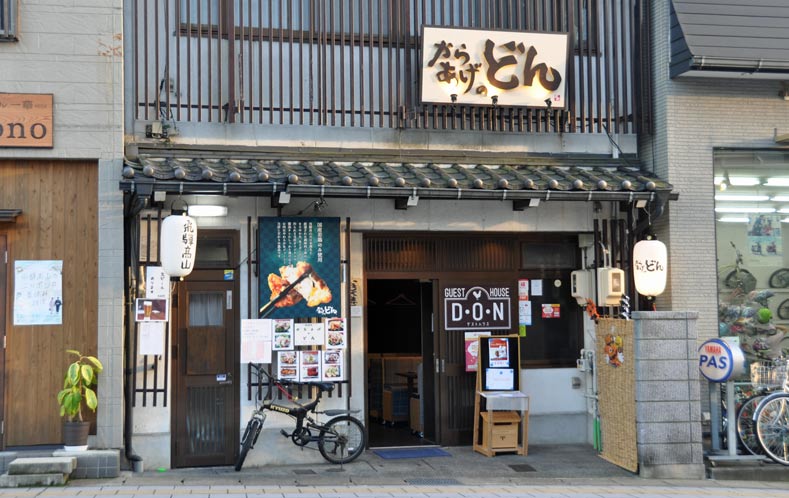
Takayama, Japan

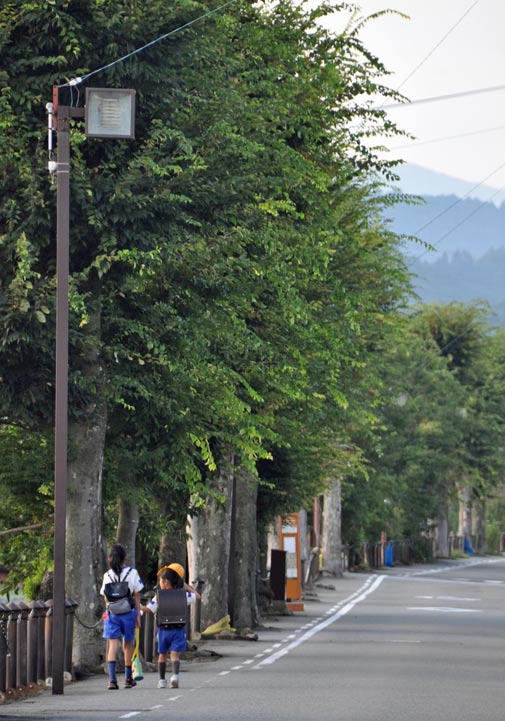
Takayama is a city in Japan’s mountainous Gifu Prefecture,

Takayama, Japan

with narrow streets of its Sanmachi Suji historic district lined with wooden merchants’ houses dating to the Edo Period.

Takayama

Takayama retains a traditional touch like few other Japanese cities, especially in its beautifully preserved old town.

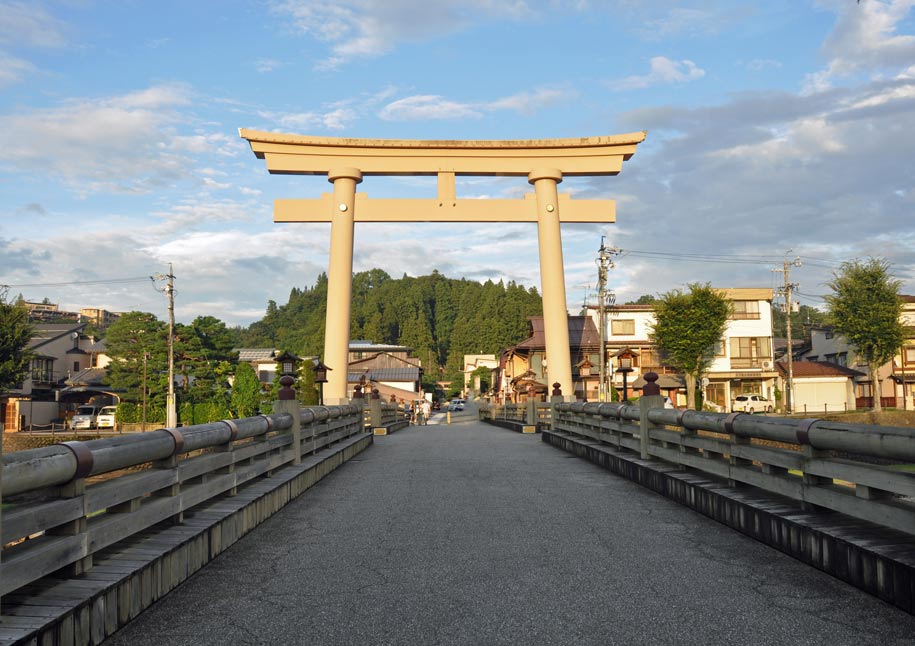
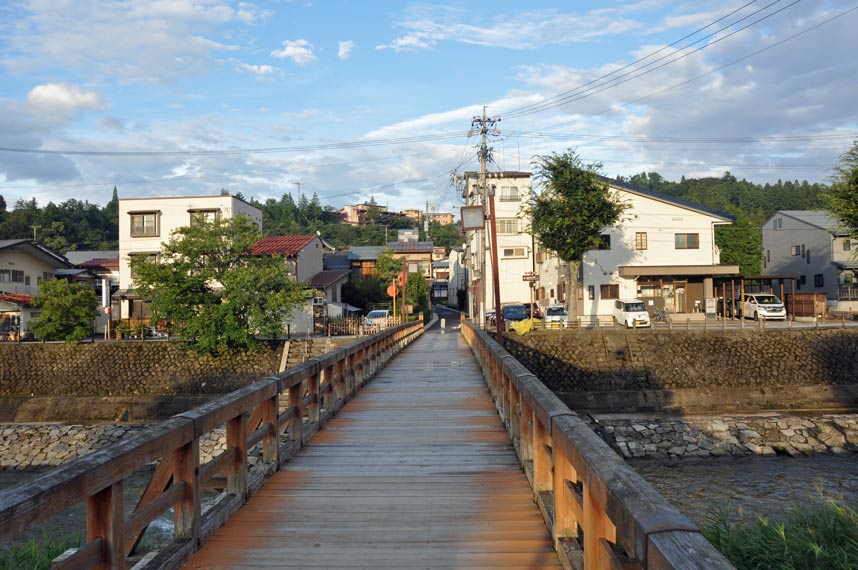
Bridge, Takayama
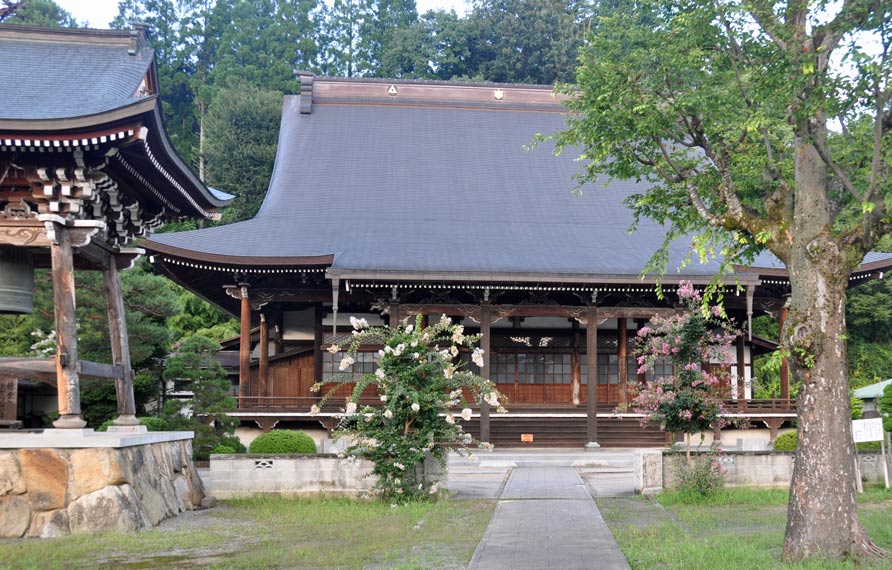
Temple, Takayama

It has become one of the prime candidates among travelers wishing to add a rural element into their itineraries.

Takayama

Takayama gained importance as a source of high quality timber and highly skilled carpenters during the feudal ages.

Takayama

The city was consequently put under direct control of the shogun and enjoyed quite a bit of prosperity considering its remote mountain location.

Takayama

The city is now famed for its biannual Takayama Festival, going back to at least the mid-1600s, celebrating spring and fall with parades featuring ornate, gilded floats and puppet shows.

None of which we saw, visiting in the first week of September.

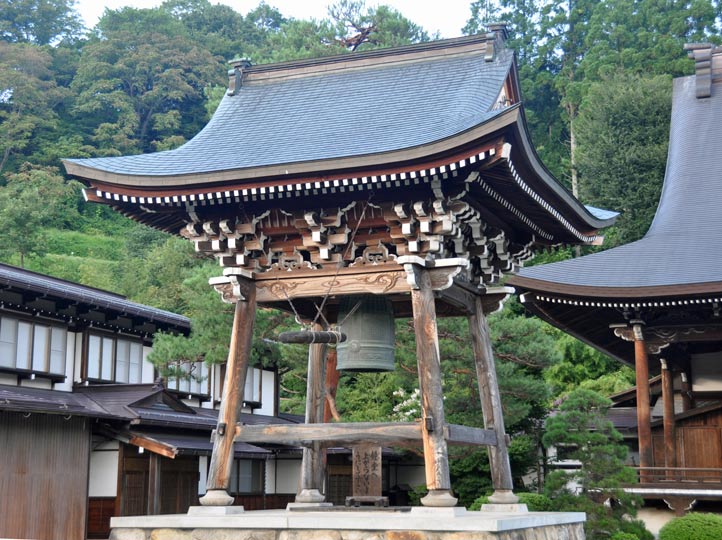
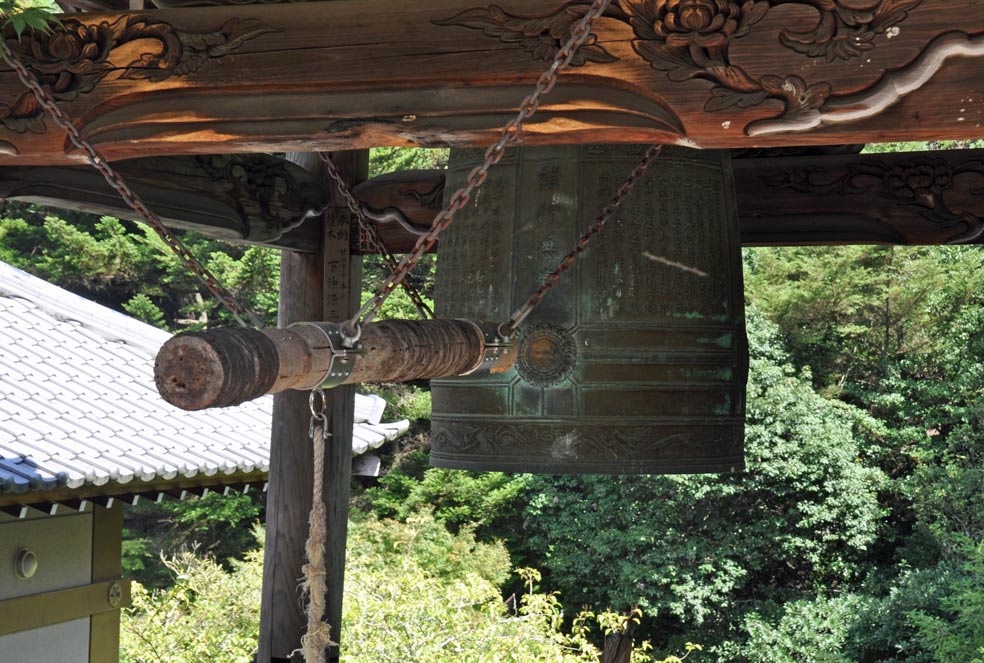
Temple bell, Takayama

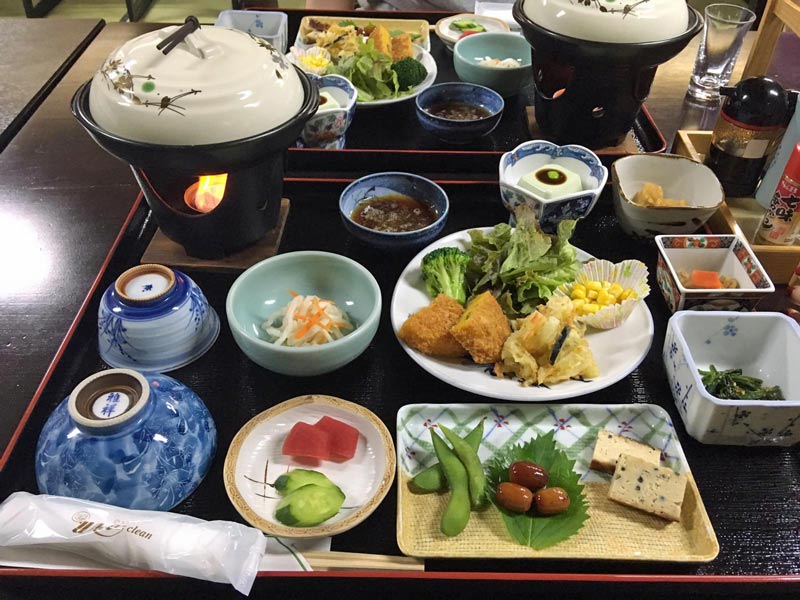
We did have our best meal of the entire trip though,

Takayama

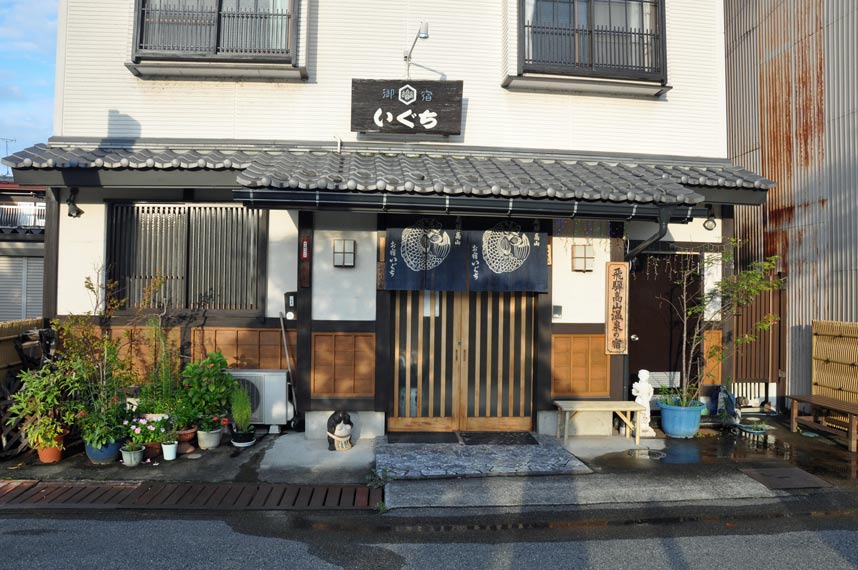
staying at a very traditional inn towards the outskirts of the city, in two rooms complete with tatami matting, comfortable futons on the floor and incredibly uncomfortably hard pillows.

Takayama

There were shared toilets and sinks on our floor, and communal baths downstairs with an onsen for men and one for women.

My daughters assure me that the most traumatic event of the entire holiday was showering down in the public baths with a total stranger though I’m not sure whether getting naked in front of the stranger was more or less difficult than getting naked infant of their mum or sister.

Ho hum. Another example of where dad is held to an entirely lower standard.

Vegetable Pajeon

A recipe for Korean Scallion Pancakes With Vegetables with US measurements

Vegetable Pajeon (Korean Scallion Pancakes With Vegetables)

INGREDIENTS

FOR THE PANCAKES:

  • ½ cup plain flour
  • ½ cup potato starch (or 1/4 cup each white rice flour and cornstarch)
  • ¾ teaspoon fine sea salt, plus more as needed
  • ½ teaspoon baking powder
  • ¾ cup ice water
  • 1 large egg
  • ¼ cup finely chopped kimchi
  • 4 cups finely chopped or grated mixed vegetables (carrots, zucchini, bell peppers, kale, whatever you’ve got)
  • 4 scallions, cut into 2-inch-long sections and thinly sliced lengthwise
  • 2 tablespoons grapes oil, plus more as needed

FOR THE DIPPING SAUCE:

  • 3 tablespoons soy sauce
  • 2 teaspoons rice wine vinegar, plus more to taste
  • 1 teaspoon finely grated fresh ginger or garlic (optional)
  • ½ teaspoon sesame oil, plus more to taste
  •  Pinch of granulated sugar

PREPARATION

  1. Prepare the pancakes: In a large bowl, whisk together all-purpose flour, potato starch, salt and baking powder.
  2. In a medium bowl, combine water, egg and kimchi. Whisk kimchi mixture into flour mixture, and whisk until smooth. Fold in vegetables and about three-quarters of the scallions. (Save the rest for garnish.)
  3. In a large nonstick skillet over medium heat, heat 2 tablespoons oil. Scoop 1/4 cup portions of batter into the skillet, as many as will fit while not touching, flatten, and fry until dark golden on the bottom, about 2 to 3 minutes. Flip and continue to fry until other side is browned, 2 to 3 minutes. Transfer to a paper towel-lined plate and sprinkle with a little more salt. Continue with remaining batter.
  4. When ready to serve, prepare the dipping sauce: In a small bowl, stir together soy sauce, vinegar, ginger or garlic (if using), sesame oil and sugar. Sprinkle sliced scallion over pancakes with dipping sauce on the side.

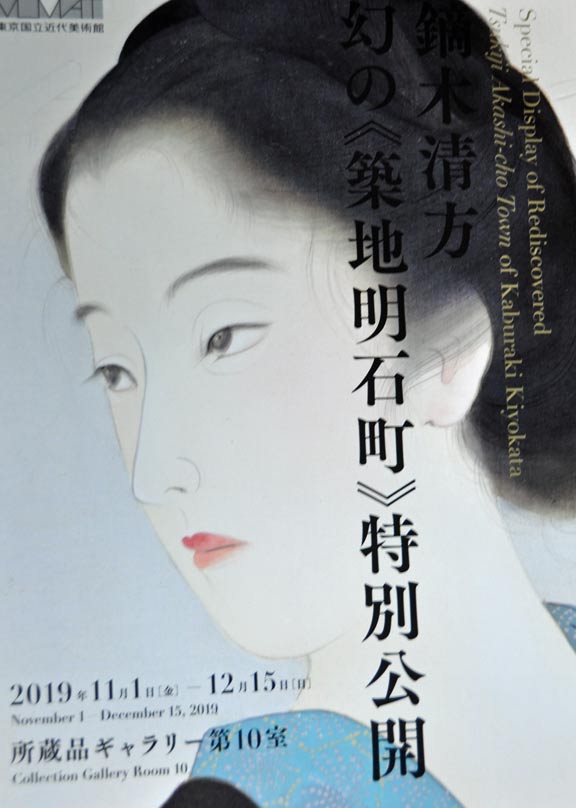
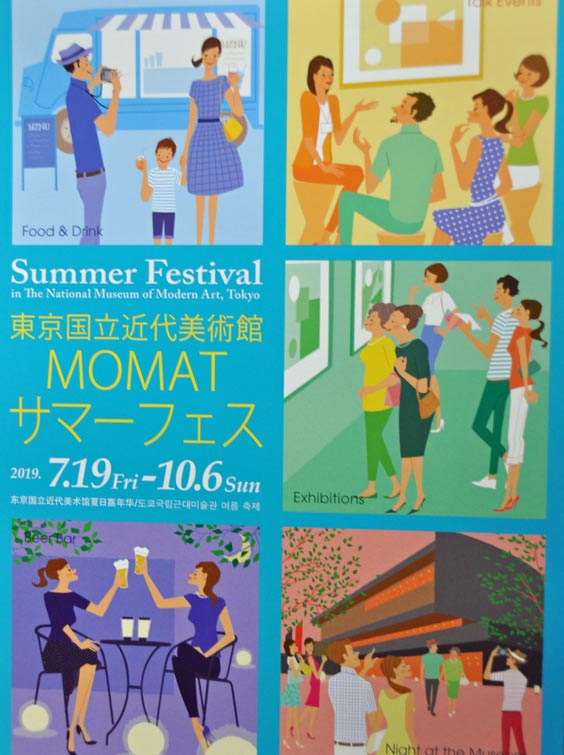
Museum Modern Art, Tokyo

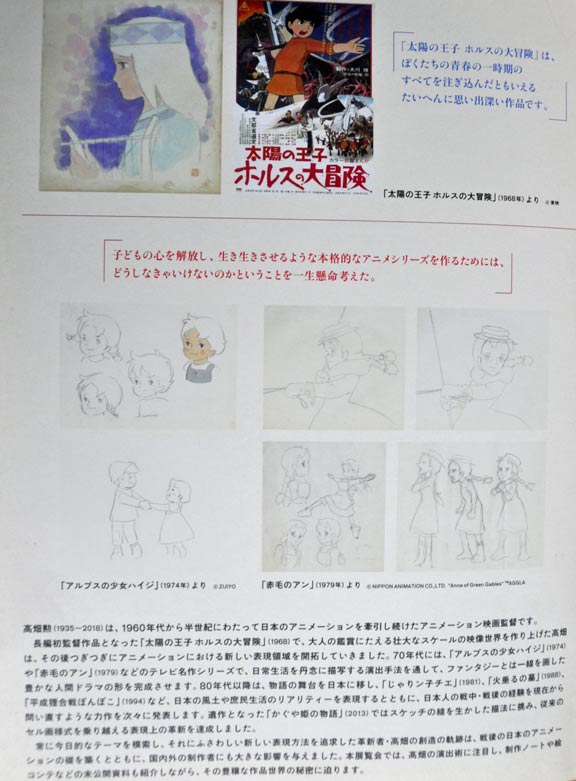
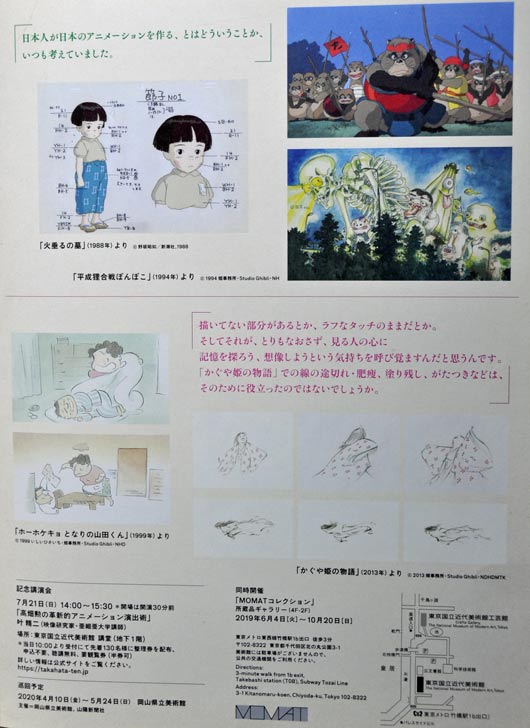
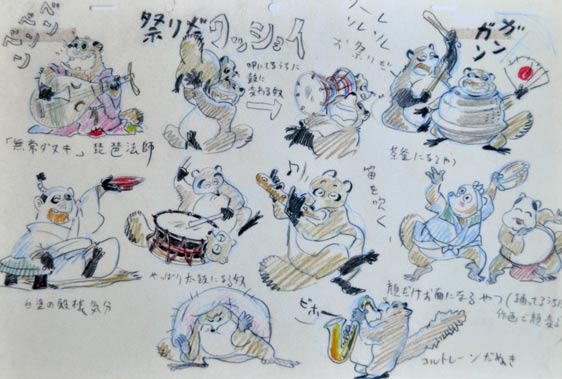
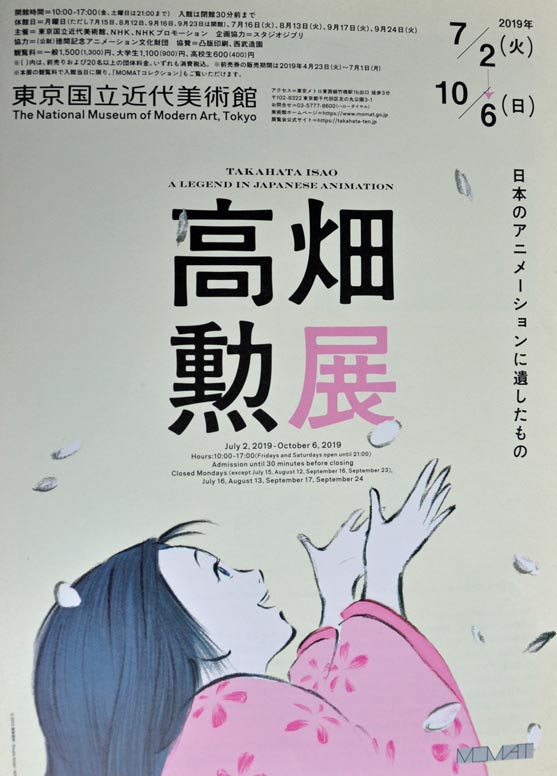
Since we’re a family entranced by Ghibli, it isn’t too surprising that we found ourselves at the Museum of Modern Art, Tokyo walking through an exhibition on the work of Takahata Isao, one of Ghibli’s founders.

Exhibition

There was an interesting pre-Ghibli history that walked though his TV work.

Heidi poster
Animation
Art Exhibition

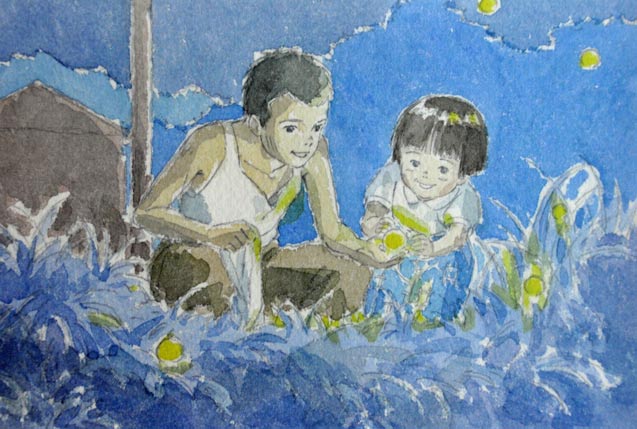
But it was the films we’ve loved that were most interesting such as PomPoko or Grave of the Fireflies

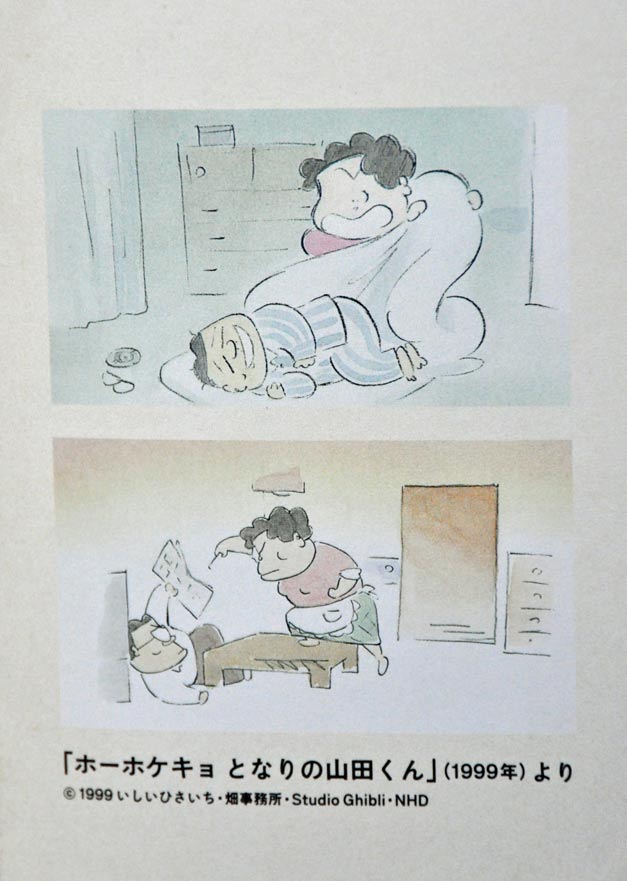
The films are all a little bittersweet, except maybe the Yamadas.

Culminating with his final film, bittersweet but beautiful animation.

And afterwards a rather strange walk around the main galleries and the realisation that whilst Van Gogh and his friends were being inspired by Japanese exotica arriving in Europe, artists in Japan were discovering watercolours.

MOMAT

Black pepper tofu

Still enamoured of Asian food, I decided to have a go at cooking tofu, always a bit hit and miss in my kitchen.

  • 800g firm tofu (such as Tau Kwa brand)
  • cornflour to dust the tofu
  • vegetable oil for frying
  • 150g butter
  • 12 small shallots (350g in total), thinly sliced
  • 8 fresh red chillies (fairly mild ones), thinly sliced
  • 12 garlic cloves, crushed
  • 3 tbsp chopped fresh root ginger
  • 3 tbsp sweet soy sauce (kecap manis)
  • 3 tbsp light soy sauce
  • 4 tsp dark soy sauce 2
  • tbsp caster sugar
  • 5 tbsp coarsely crushed black peppercorns (use a pestle and mortar or a spice grinder)
  • 16 small and thin spring onions, cut into 3cm segments

This is an extremely tasty dish that’s quick and straightforward to make, but looks as if it’s been prepared at a top Chinese restaurant. It is fiery, both from the chillies and the black pepper; you can moderate this by reducing their quantity a little. However, the whole point is spiciness so don’t go too far.

If tofu seems a step too far, then try the recipe with aubergine!

Serves 4

Method

Start with the tofu. Either use a deep fat fryer, or pour enough oil into a large frying pan or wok to come 5mm up the sides and heat. Cut the tofu into large cubes, about 3 x 2cm. Toss them in some cornflour and shake off the excess, then add to the hot oil. (You’ll need to fry the tofu pieces in a few batches so they don’t stew in the pan.) Fry, turning them around as you go, until they are golden all over and have a thin crust. As they are cooked, transfer them onto kitchen paper.

Remove the oil and any sediment from the pan, then put the butter inside and melt it. Add the shallots, chillies, garlic and ginger. Sauté on low to medium heat for about 15 minutes, stirring occasionally, until the ingredients have turned shiny and are totally soft. Next, add the soy sauces and sugar and stir, then add the crushed black pepper. 

Add the tofu to warm it up in the sauce for about a minute. Finally, stir in the spring onions. Serve hot, with steamed rice.