All posts by northlondonhousewife

Gaps

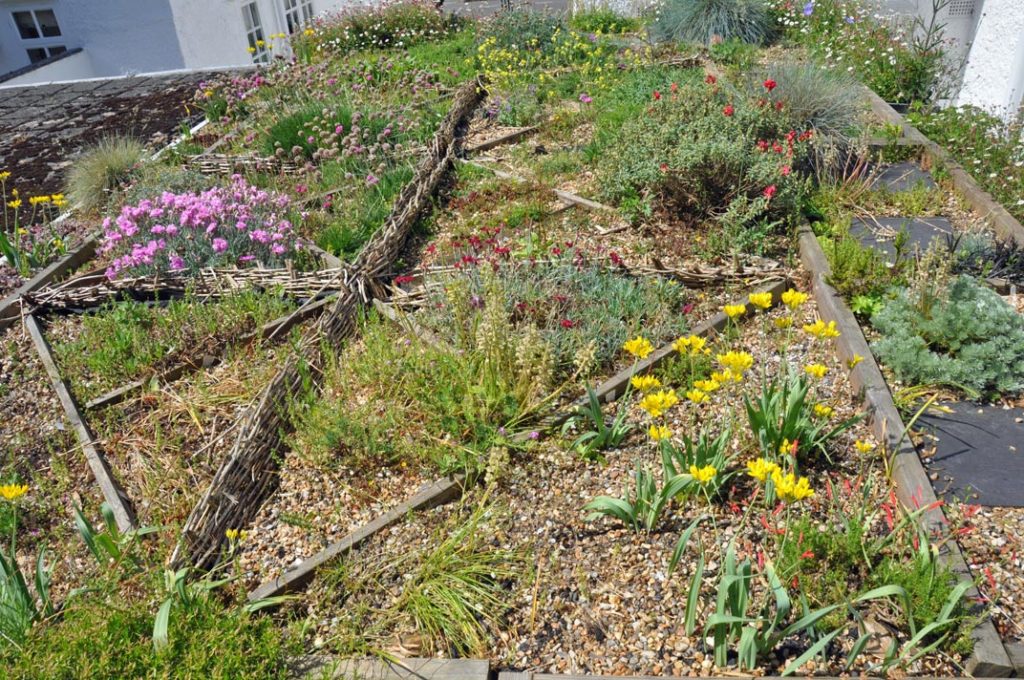
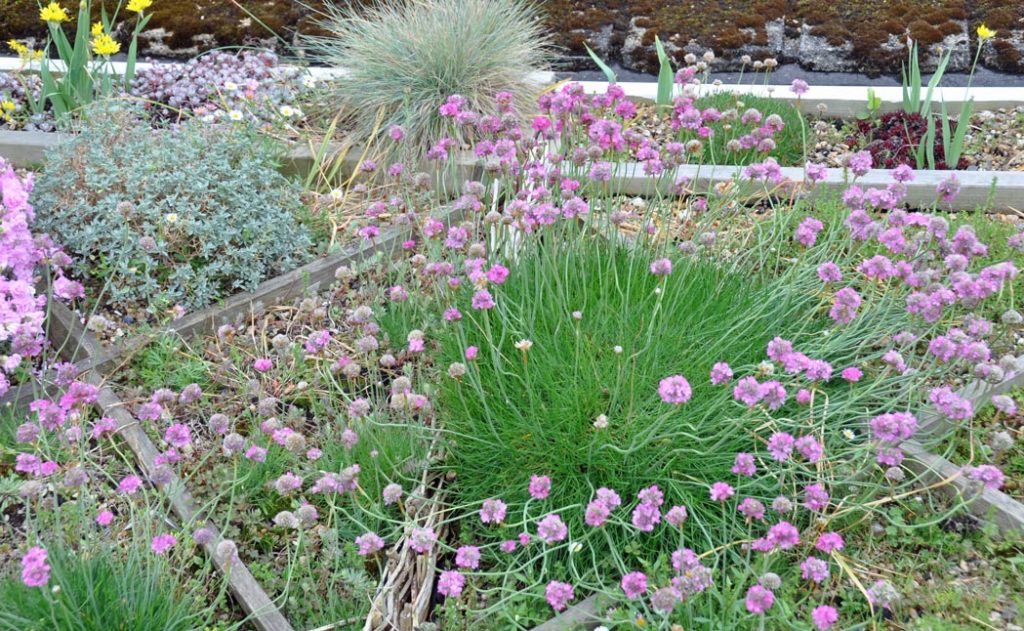
My gravel garden up on top of the roof has gaps, and those gaps are being filled by some of the more thug plants at the expense of the original planting.
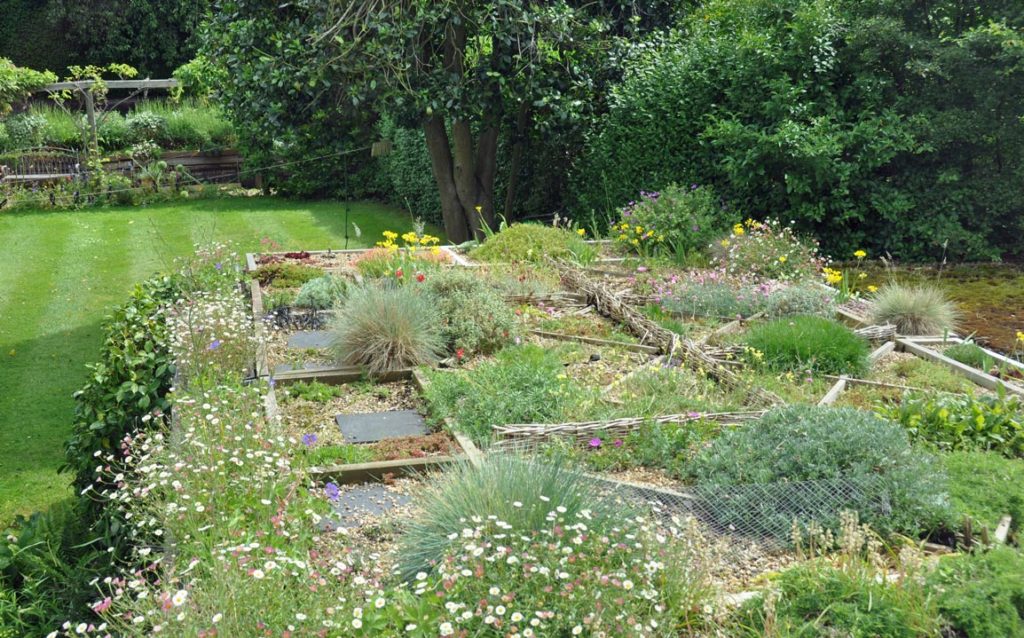
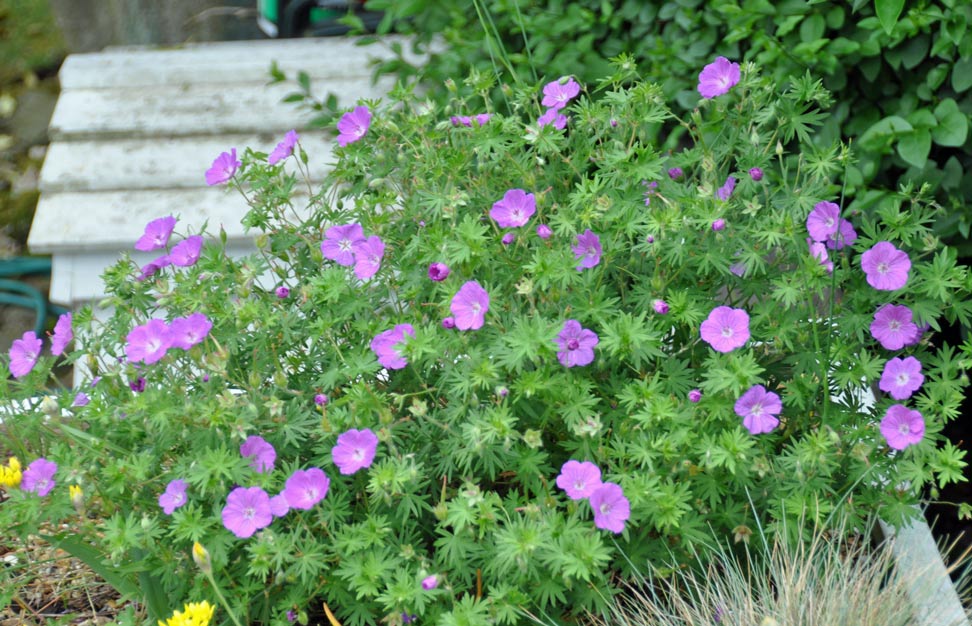
The sedums that really only pop up in Autumn are the main victims, being aggressively colonised by the geranium, but the houseleeks are also being pushed back by thrift, and worse still, unwanted dandelions and speedwell.

Given a very warm but very dry Winter, many of the plants are being tested such that it really isn’t clear which ones will pull through.

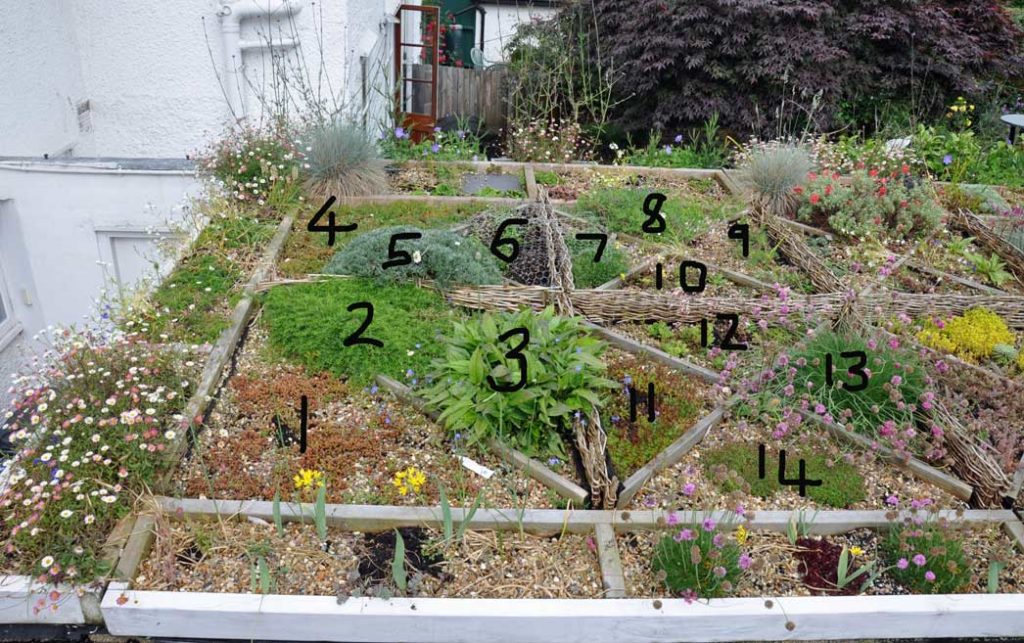
Never one to avoid a plant buying opportunity, I’ve started looking at the alpine website, as well as moving plants about a bit to try to maximise their chances but first I probably need an assessment of where we started from:
 

DSC_0515

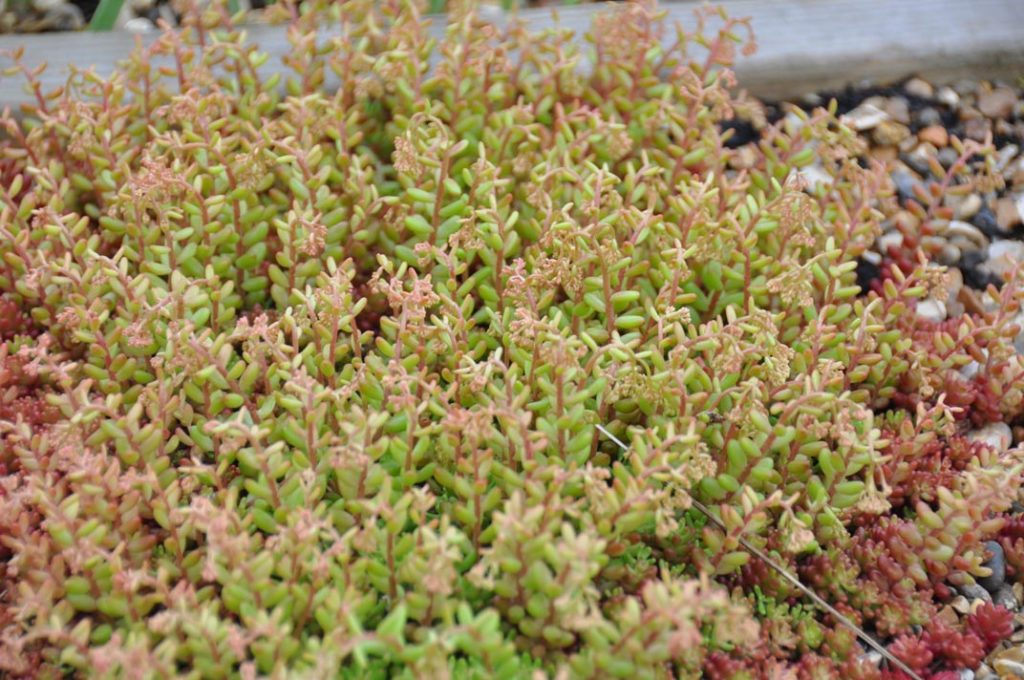
  • Sedum sexangulare (1&4) being overgrown by the more vigorous thugs
  • Satureja spicata (2), one of the more vigorous thugs
  • Omphalodes cappadocica ‘Cherry Ingram’ (3) suffering through the dry Winter but holding it’s own
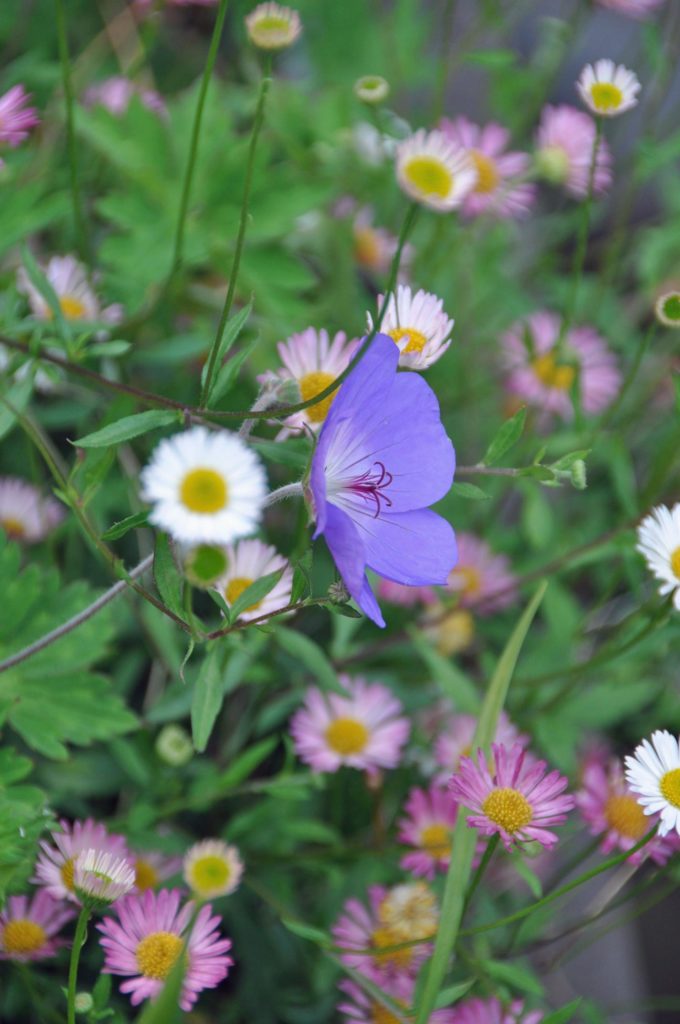
  • Rhodanthemum hosmariense (5) now a lovely successful plant but it’s follow up plants for the nearby section have been drowned out by the fleabane  – maybe if I move them into the seem bed next to the senior plants they’ll be better suited.
  • Draba rigida var imbricata compacta  (6) now replaced with seedlings from the geranium
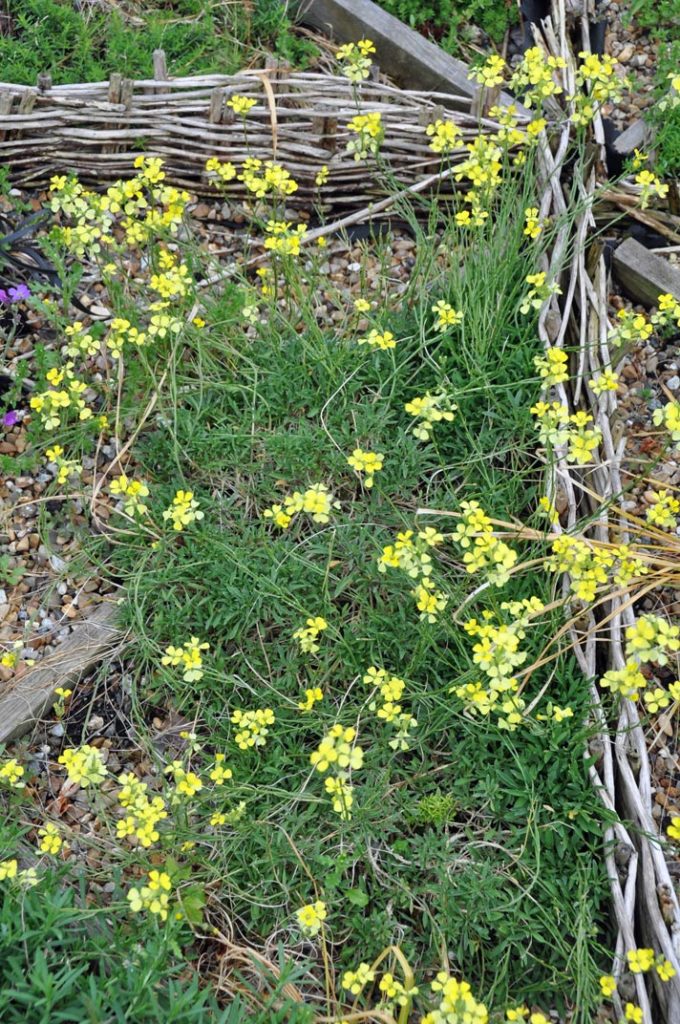
  •  Erysimum ‘Parkwoods Gold’ (7) holding it’s own despite the dry
  • Aster ericoides prostrates (8) a lovely thug that dies back in theWinter
  • Pulsatilla vulgaris (9) only one left and being invaded by all and sundry – One survivor which is beautiful and worth re-ordering
  • Sempervivum ‘Greyfriars (10) not successful in the face of more vigorous invasions
  • Campanula x pulloides ‘G.F. Wilson’ (11) now replaced with saxifraga “garnet” which is doing well but has a tendency to die back in gaps
  • Sempervivum ‘Jungle Fires’ (12) now replaced with saxifraga erbium which is still not happy and being crowded by thrift
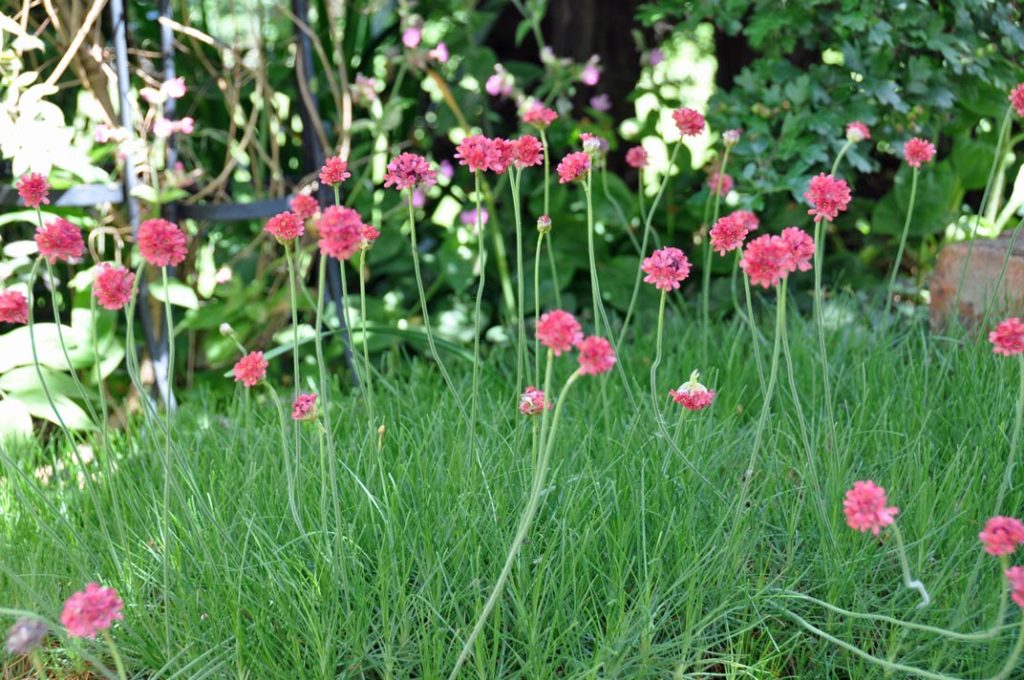
  • Armeria maritima (13) seeding itself everywhere
  • Arenaria purpurascens (14) holding it’s own but subject to mass invasions into it’s bed.
DSC_0516

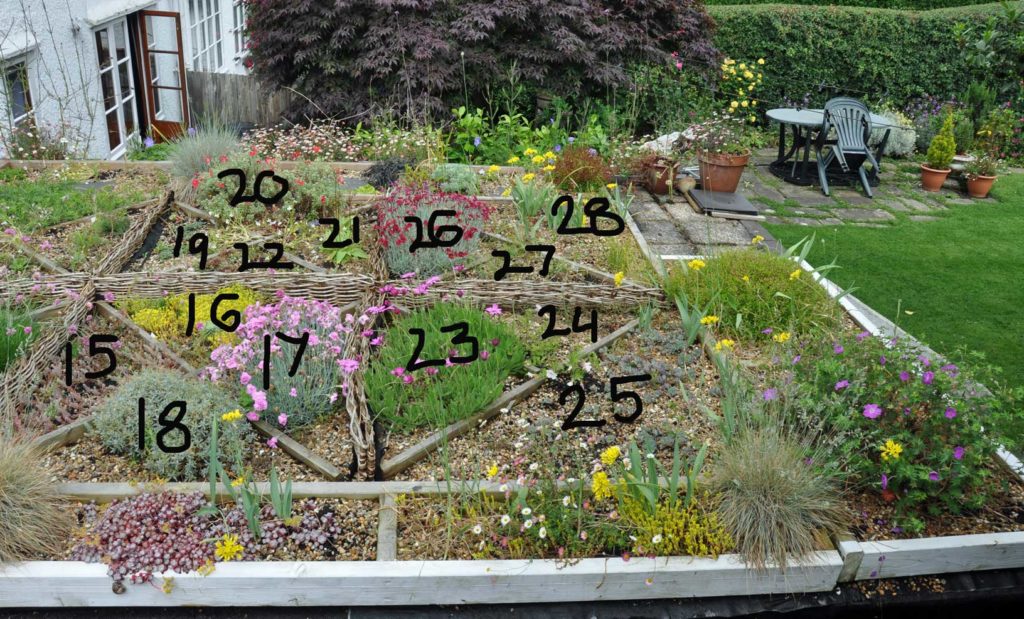
  • Erysimum ‘Emms Variety’ (15)  now replaced with sedum reflex but being colonised more successfully by thrift
  • Sempervivum ‘Greyfriars (16) now replaced with sedum sexangulare and still not happy!
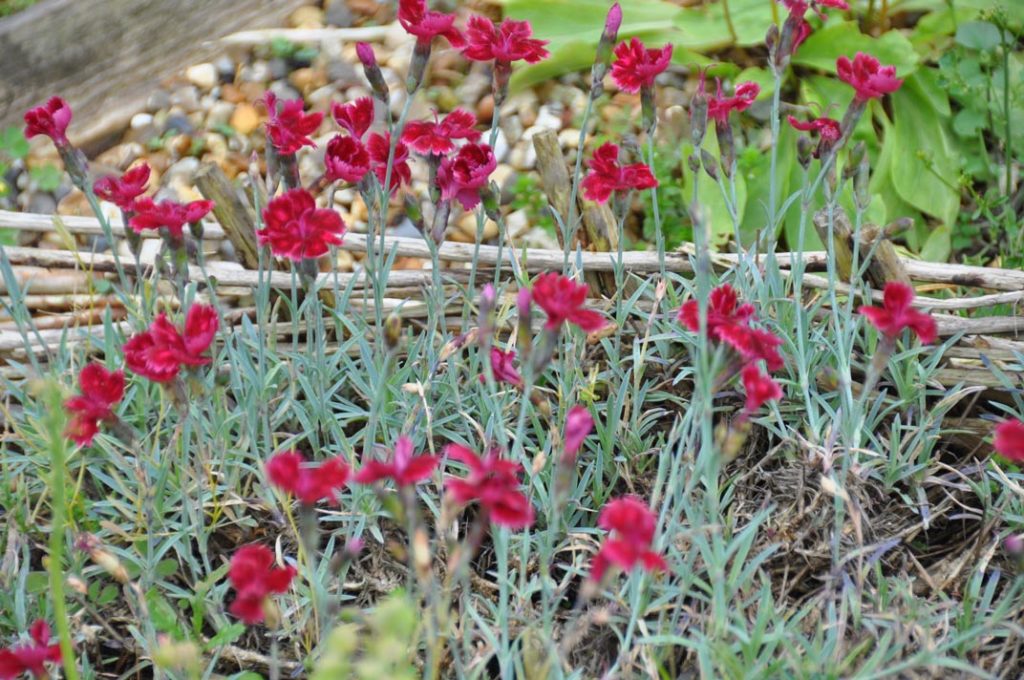
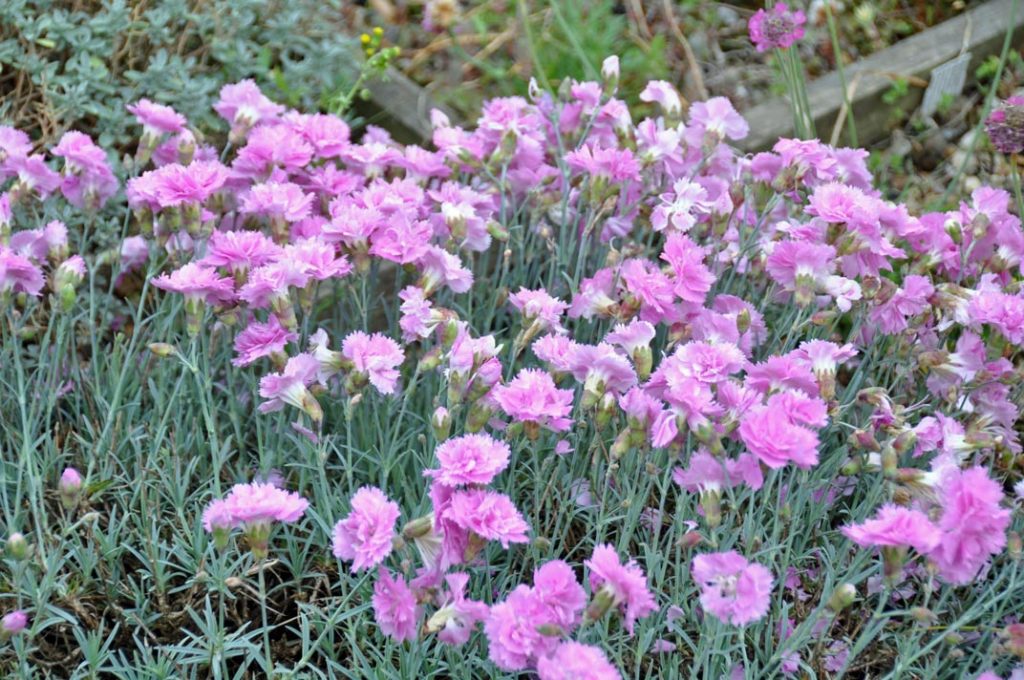
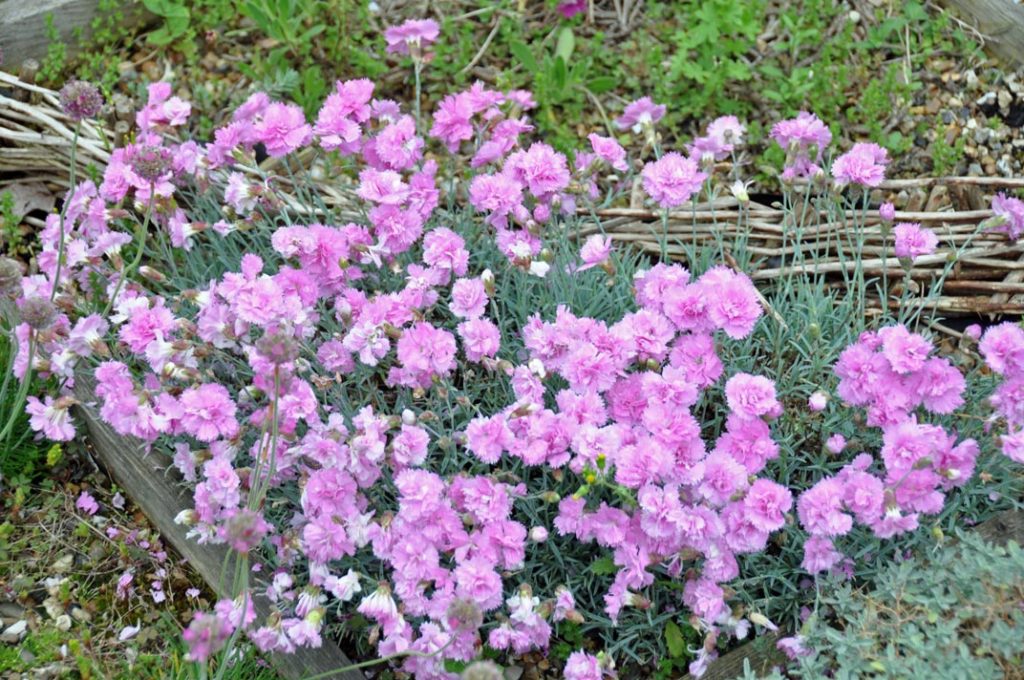
  • Dianthus ‘Whatfield Cancan'(17) holding it’s own
  • Alyssum spinosum “rubrum” (18) definitely holding it’s own providing I clear the thugs occasionally
  • Oxalis enneaphylla ‘Rosea’ (19) struggling in the face of the thugs
  • Helianthemum ‘Beech Park Red’ (20) a lovely plant
  • Dodecatheon pulchellum ‘Red Wings’ (21) struggling
  • Sempervivum ‘Jungle Fires’* (22) disappearing under the thugs
  • Osteospermum ‘Irish’ (23) suddenly disappearing probably because of the dry
  • Gentiana samosa (24) Nothing seems to grow in this spot – bizarre!
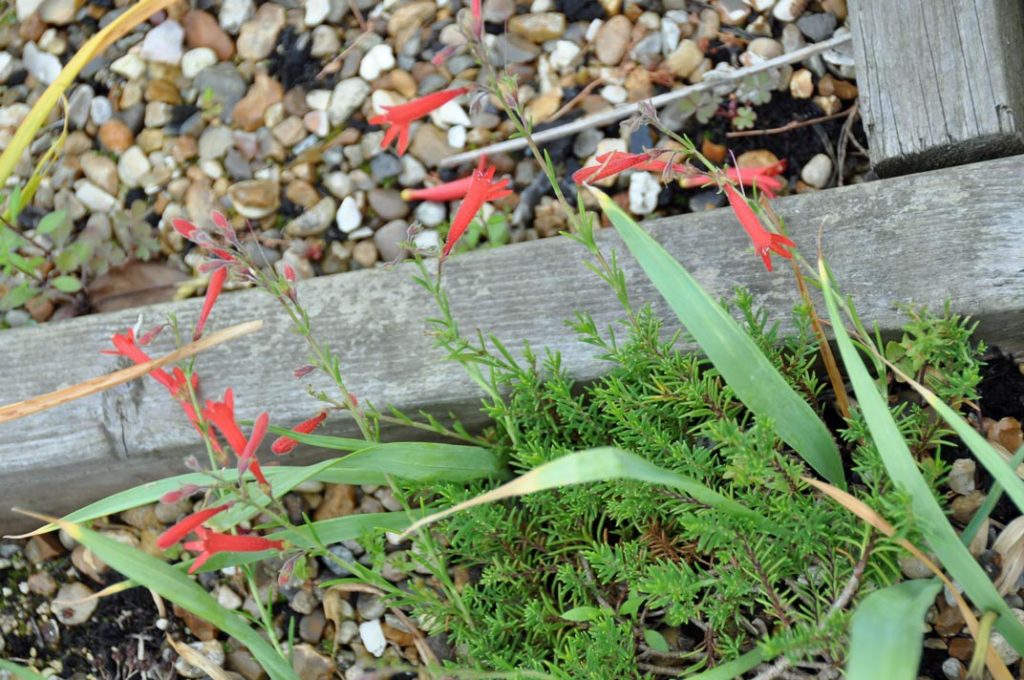
  • Sedum cauticola (25 &28) being invaded by the geranium and overprinted with a lovely penstemon
  • Dianthus ‘Gold Dust’ (26) holding it’s own
  • Leucojum autumnal (27) pops up ever Summer but has been overprinted with Aethionema ‘Warley Rose’ which flowers through the Summer.
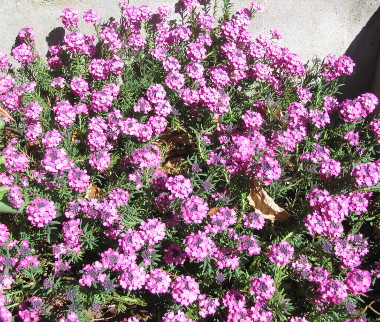
There are three plants that will hopefully knit together to form a mass in that part of the garden.

Phlox subulata ‘McDaniels Cushion’ – One of the more ruthless plants which has formed a lovely cushion of a plant holding it’s own against the equally ruthless geranium.

So what do I need to do to prop up the plants I love and replace the no-hopers. Let’s start by asking how many beds are effectively empty, and how many are being invaded by their neighbours?

Empty beds  being invaded-

1: I’m going to let this bed be colonised by it’s neighbour the more vigorous satureja possibly with a bit of competition from the fleabane. Nothing to do here.

4: I’m going to plant this up with seedlings from the geranium and see how they take.

6: I’m going to move the struggling rhodanthemum plants here and see how the take for the next year or two.

9: I’m going to order some more pulsatilla to fill up the bed and try to weed this bed more vigorously though it looks like the red vulgaris is unavailable and only purplish-blue can be bought from my original supplier.

10.I’m going to move some of the black grass here and try some stay seedlings that turn up around the bed (aubrieat most likely)

12 I’m going to plant this up with more helianthemum and see how it goes.

16: Undecided. Shall I plant this up with totally new plants or let the thrift have it’s way? How much thrift is too much?

19: I’m going to order some more oxalis and try to build up the bed to defend against invaders.

22, 21: Undecided.

24: Nothing seems to want to grow here. Maybe I could try another osteospermum or the same osteospermum for a bigger show?

25,28  I’ve added in a plant or two  (penstemon) to see how they grow and the geranium is obviously colonising one of these beds. Maybe I should just wait and see though the penstemon is beautiful so I could add a couple more to fill it out.
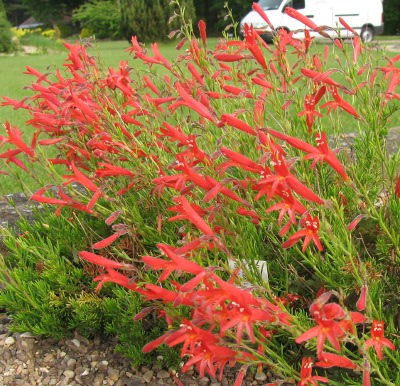
 

Looking through the catalogue there’s a hardy diascia that looks like it would be a lovely plant to add but I’m going to show some restraint. There are plenty of different plants up there and some are clearly happier than others. If I’m going to buy some new plants, let it be ones that I know can cope with the conditions and bulk up existing success stories.
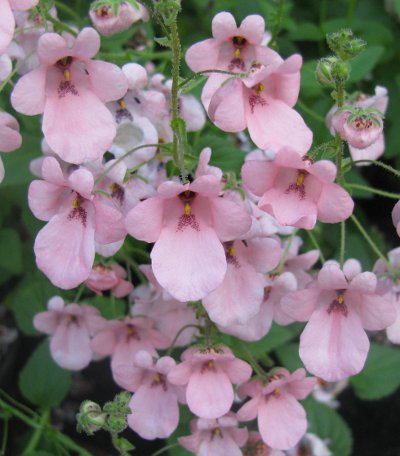
Being sensible isn’t quite as much fun as I’d like but maybe I’m growing old enough to try it anyway.

 

Surprise Surprise!

Well that was a bit of a shock. Having called a snap election in order to increase her majority and having been predicted a landslide at the outset, here we are, no majority to speak of and chaos behind the scenes.

So now although she leads the largest single party, there’s no overall majority and she’s forced to go cap in hand to the Irish DUP a party that believes in banning abortion and homosexuality amongst other retrograde views, as well as being affiliated with known terror organisations in the Troubles.

I have never know a losing party, the socialist labour Party, seem so happy and triumphant, and it’s important to keep hold of the idea that they lost. They performed better than expected but still lost. In Scotland, the gains made were by the Tories thanks to a strong performance by the local leader. In Wales, Labour held onto tricky seats largely thanks to an absent Jeremy Corbyn.

In England, the Labour vote was damaged in areas of strong brexit voting but not by enough. They were seen to benefit in areas voting remain. Corbyn has successfully motivated the young vote which turned out at record 72%, voting primarily Labour.

The result is heralded as a return to two party politics, a return to spend and tax policies within the Labour Party versus low taxes and crappy welfare from the Tories.

There will be plenty of time for more detailed analysis but one thing seems clear, and is enough to dismay traditional Labour voters as well as Tories: Jeremy Corbyn is here to stay.

May Garden

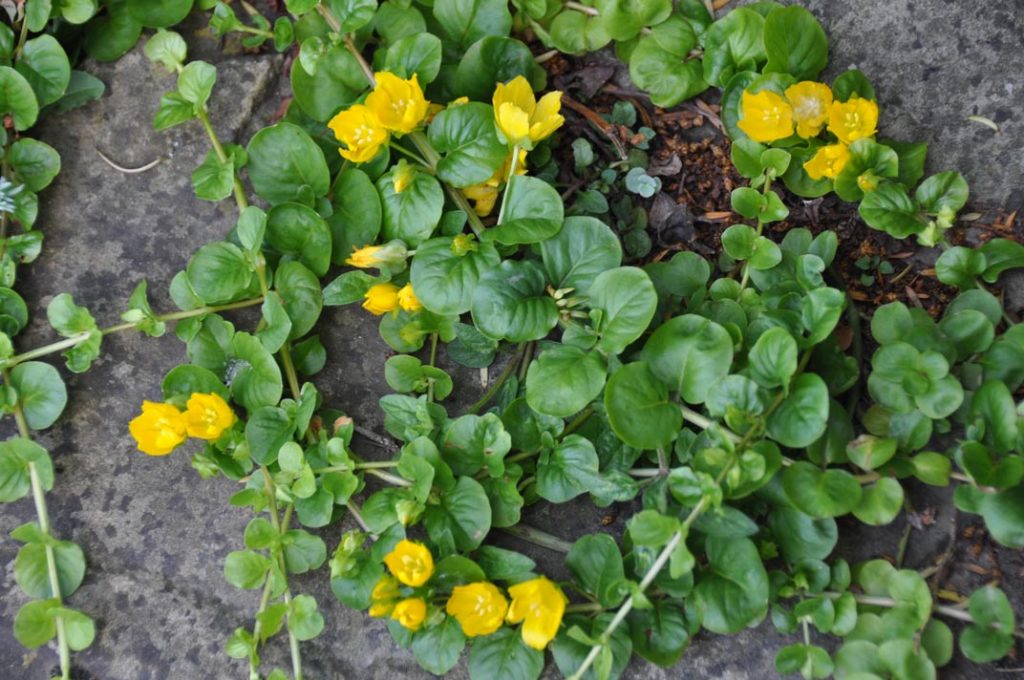
After what seems like the driest year since we’ve moved here, came a storm with rain and wind to compare with any save a hurricane. Even the creeping jenny has struggled with the dryness.

Creeping Jenny


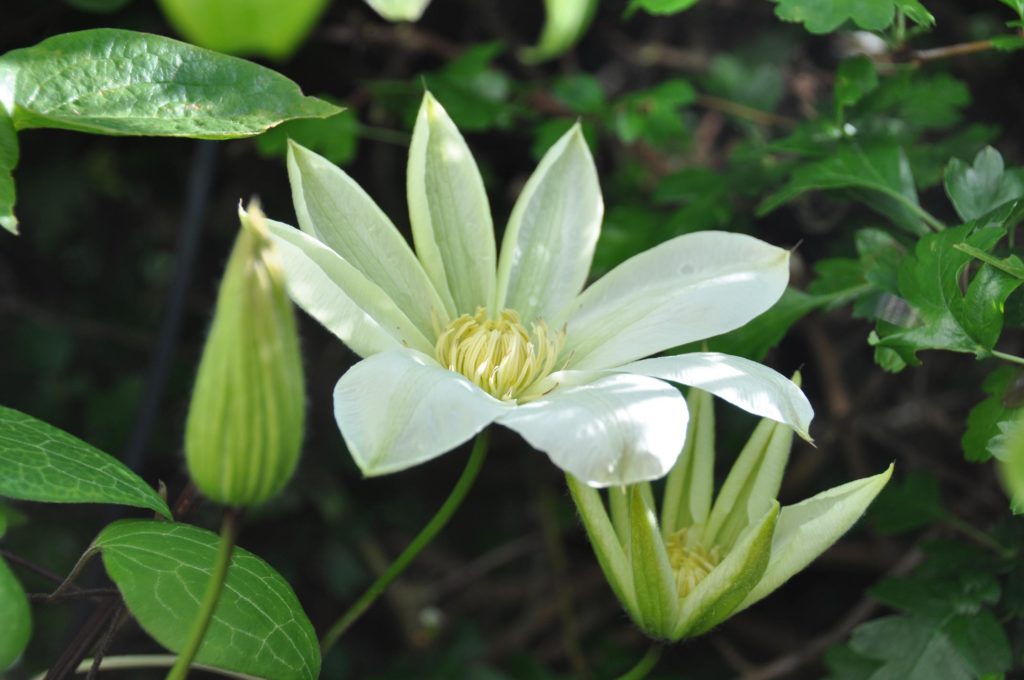
Clematis

The iris came and went so quickly that I didn’t have time to grab a photo – doesn’t bode well for the forthcoming iris bed, but I’ve had more look with the two clematis plants
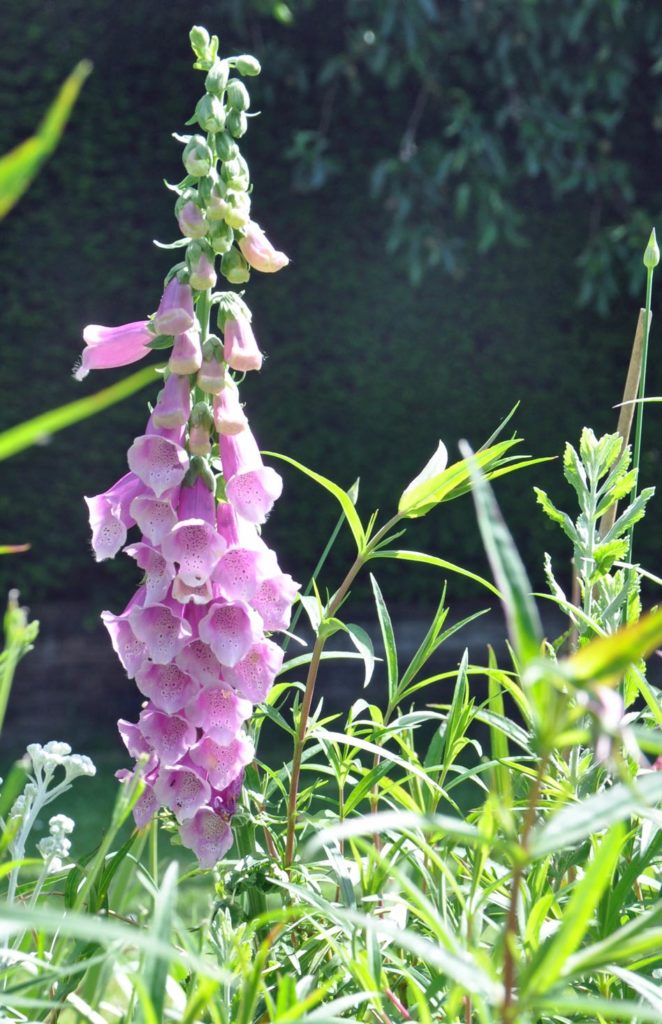
Foxgloves in the border

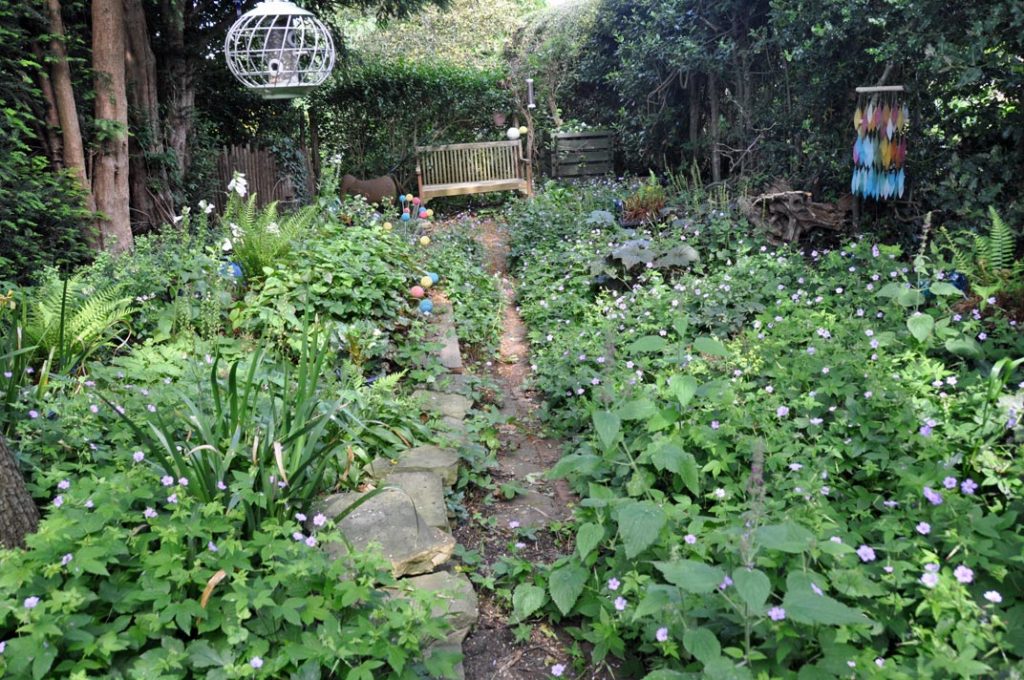
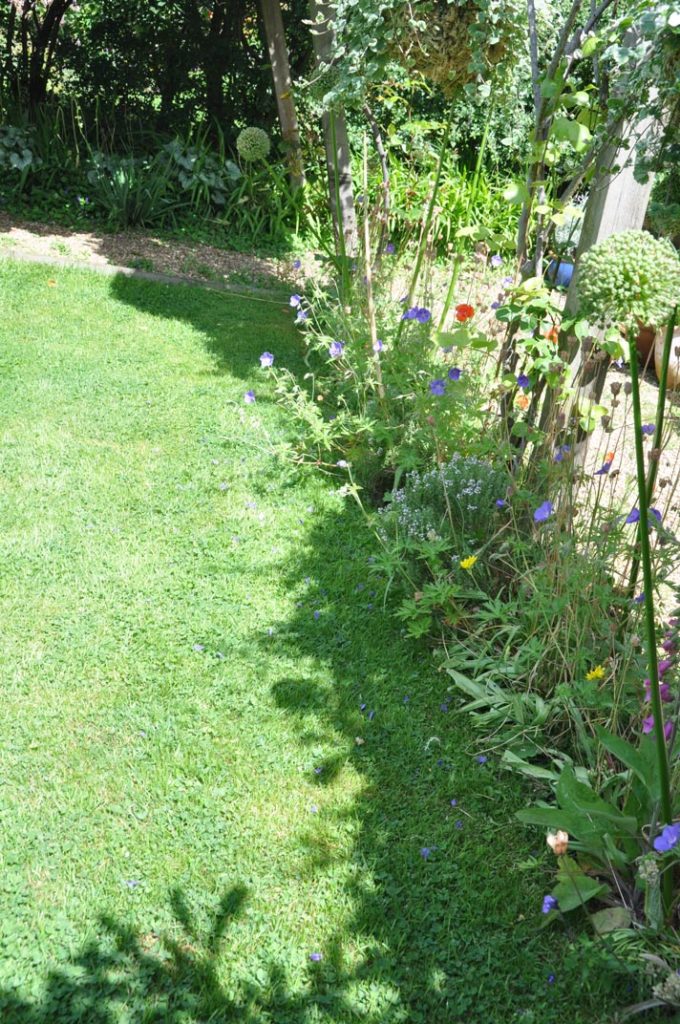
The garden has always had an element of chaos but now that’s tipped over into a bit of a mess.

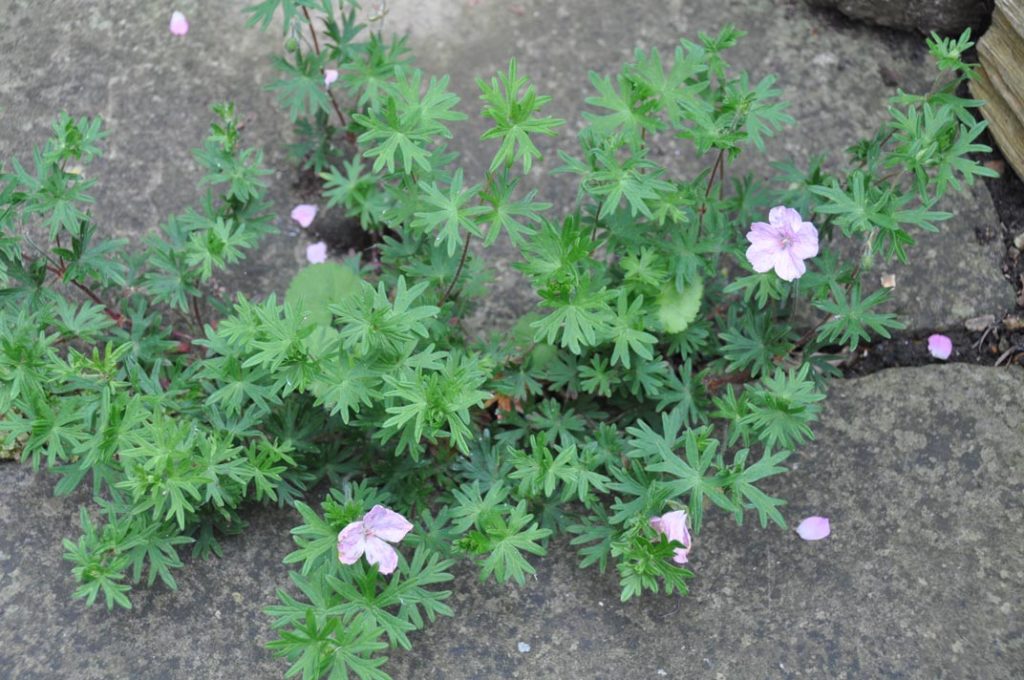
 We have a number of blow-ins, plants like the neighbour’s geranium that has seeded into the pavement cracks.
Stray geranium

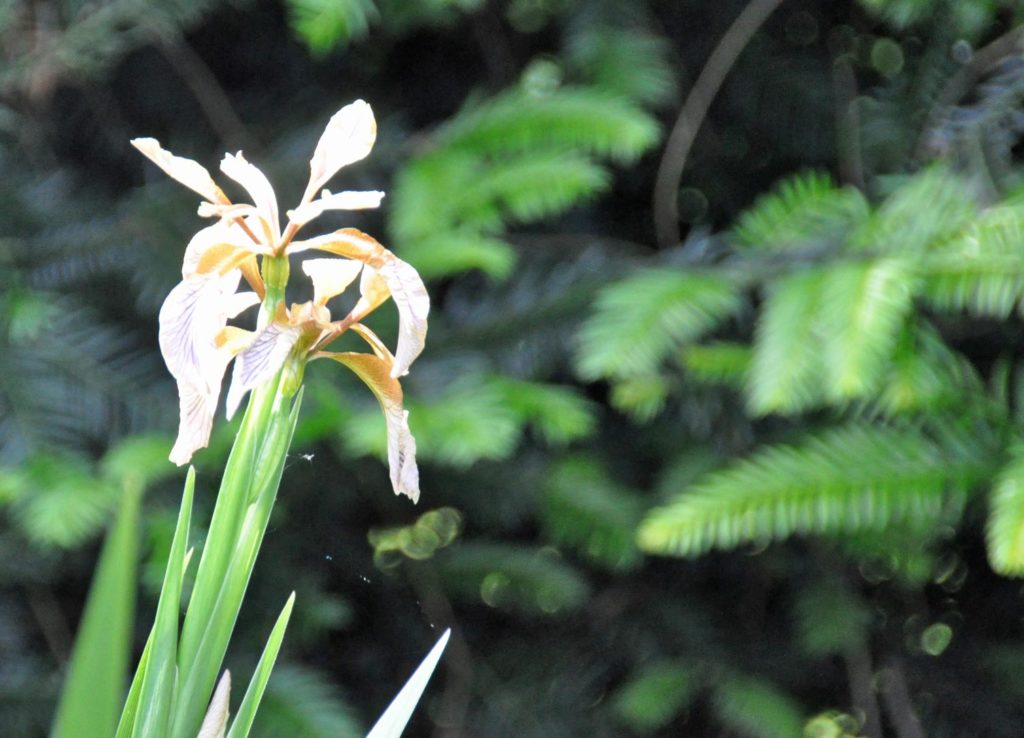
And a yellow  iris that has appeared this year from nowhere.

Visiting iris

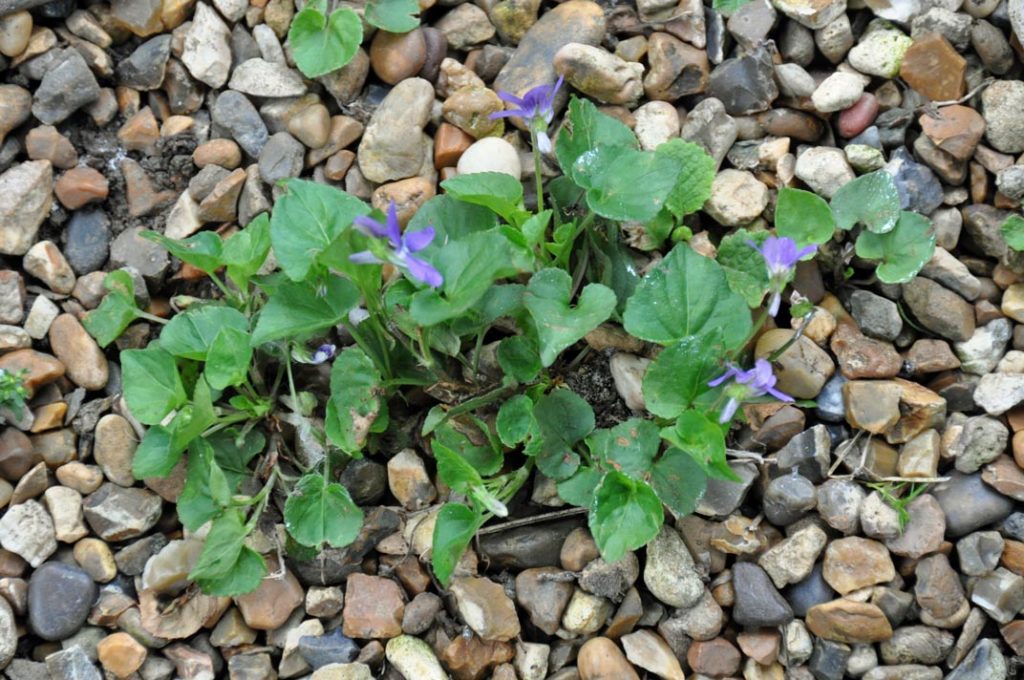
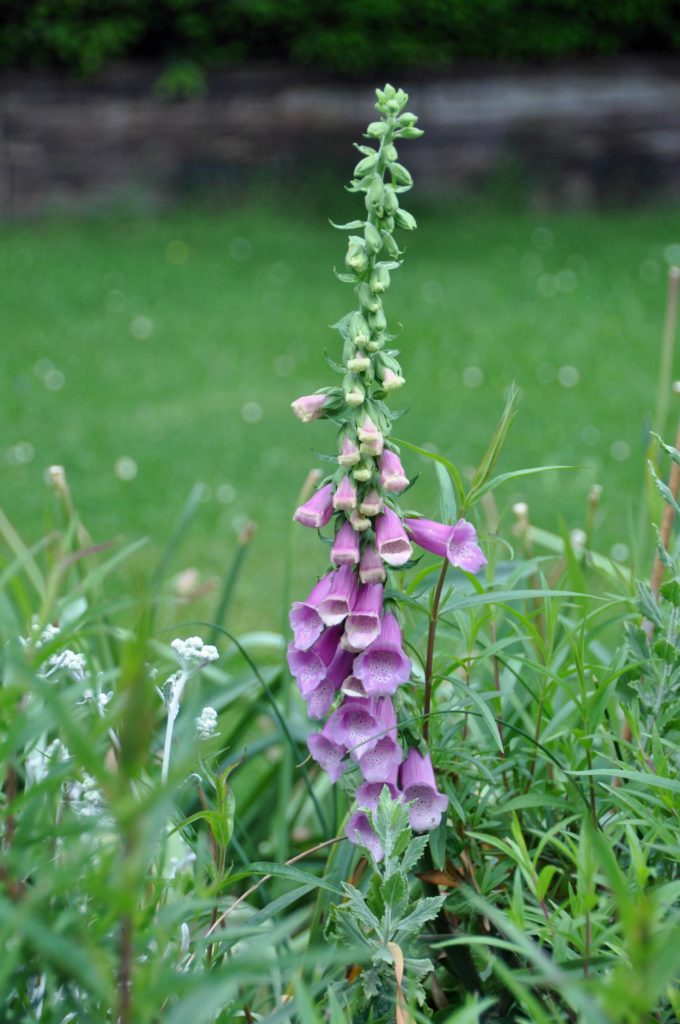
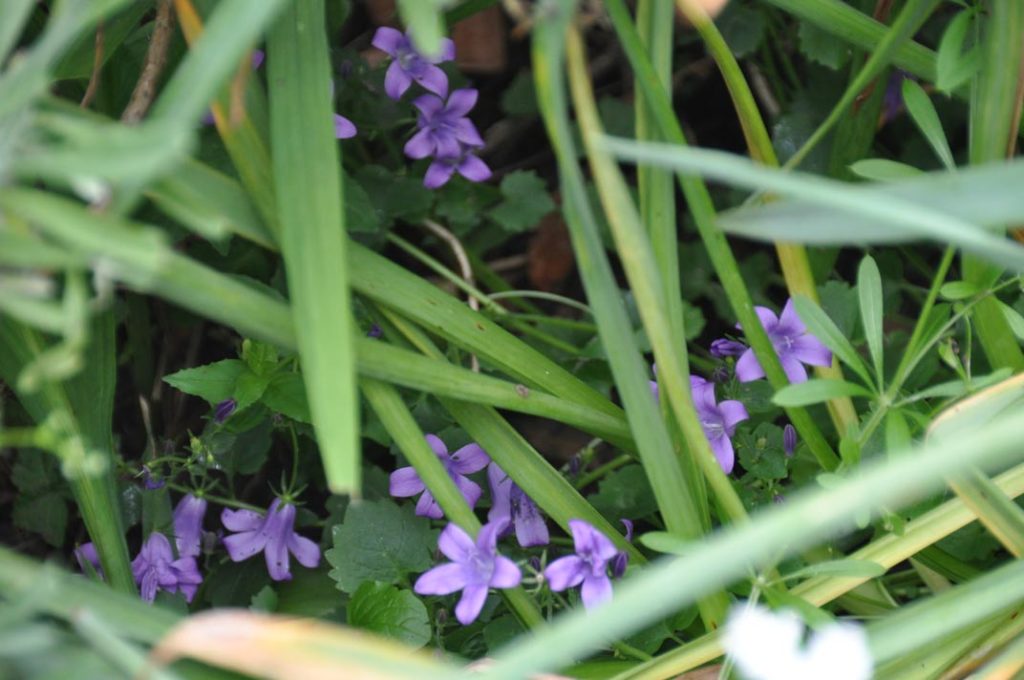
There are the usual waifs and strays: the poppies, the foxgloves, the ever-spreading violets etc

Wandering violets

Foxgloves
Poppies

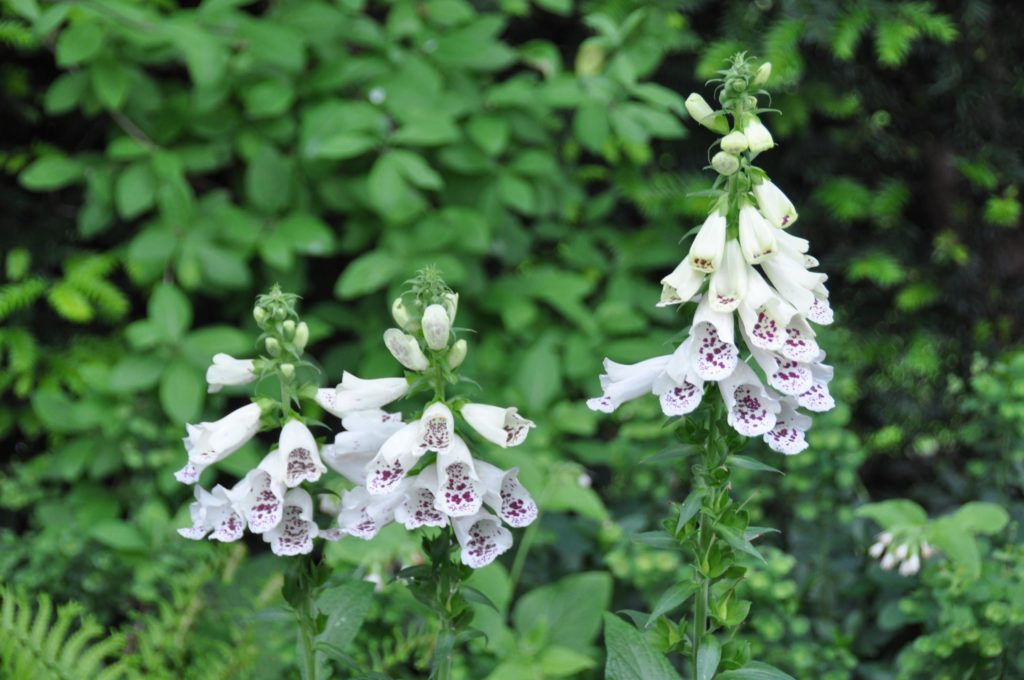
And if anything, I’m happy to see them arrive and thrive. Next year I might actually buy and plant some foxgloves, pink for the sunshine and white for the shade.

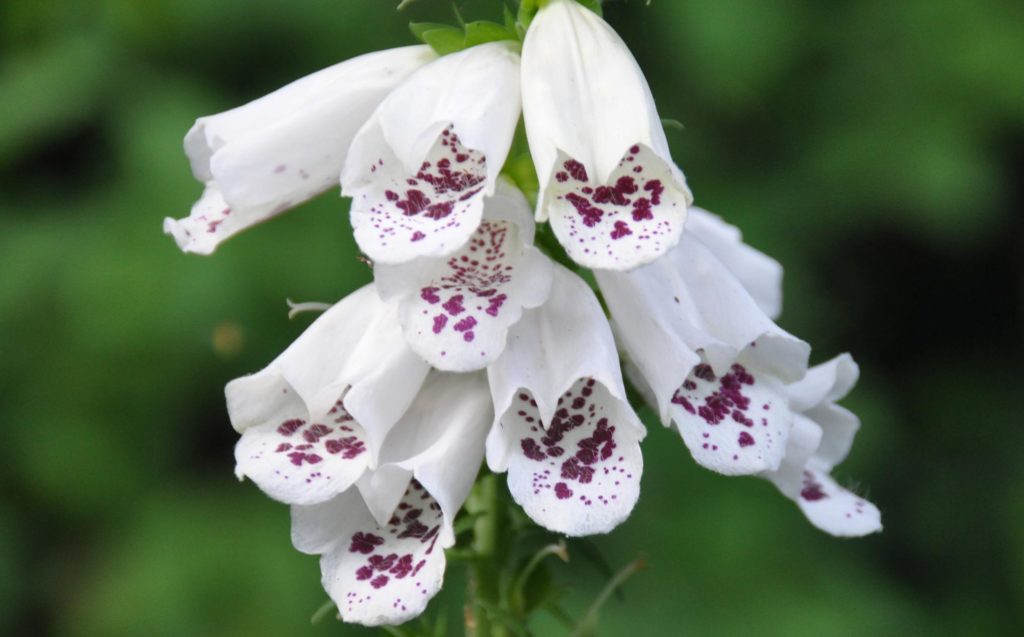
White Foxgloves for the shade

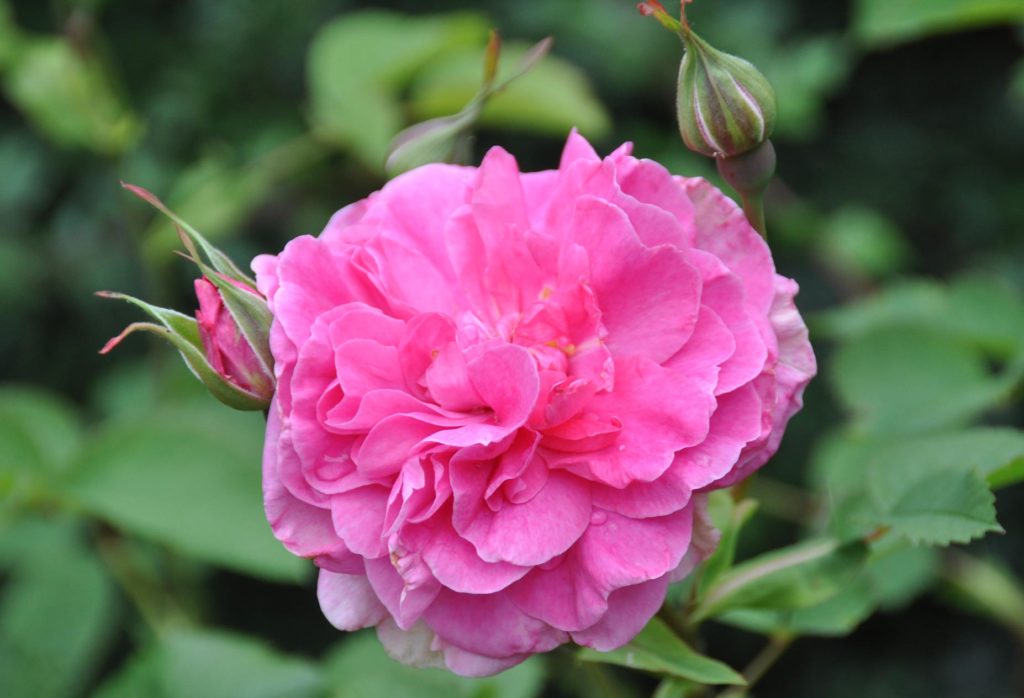
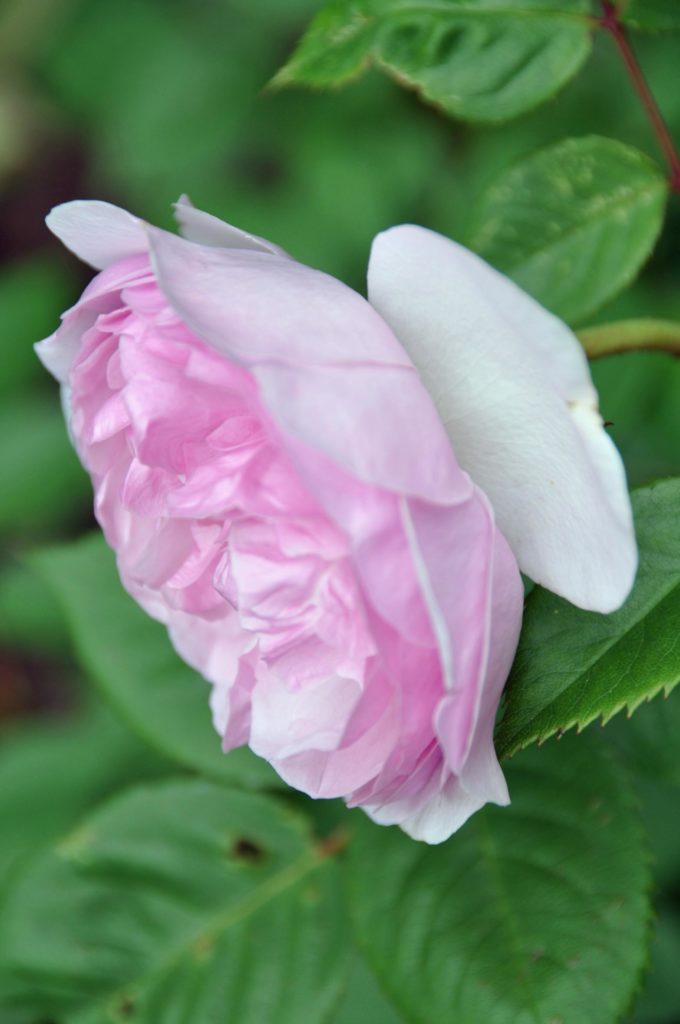
But if last month was all about the tulips, this month is about the geraniums, light and dark throughout the garden and also rather earlier than usual, about the roses.

May Roses

The old pink and yellow roses seem to be thriving.

And the new rose babies are flowering and looking healthy.

new Roses

Apparently it takes three years before they come into their own and I’m really quite excited by the row of roses.

New Roses
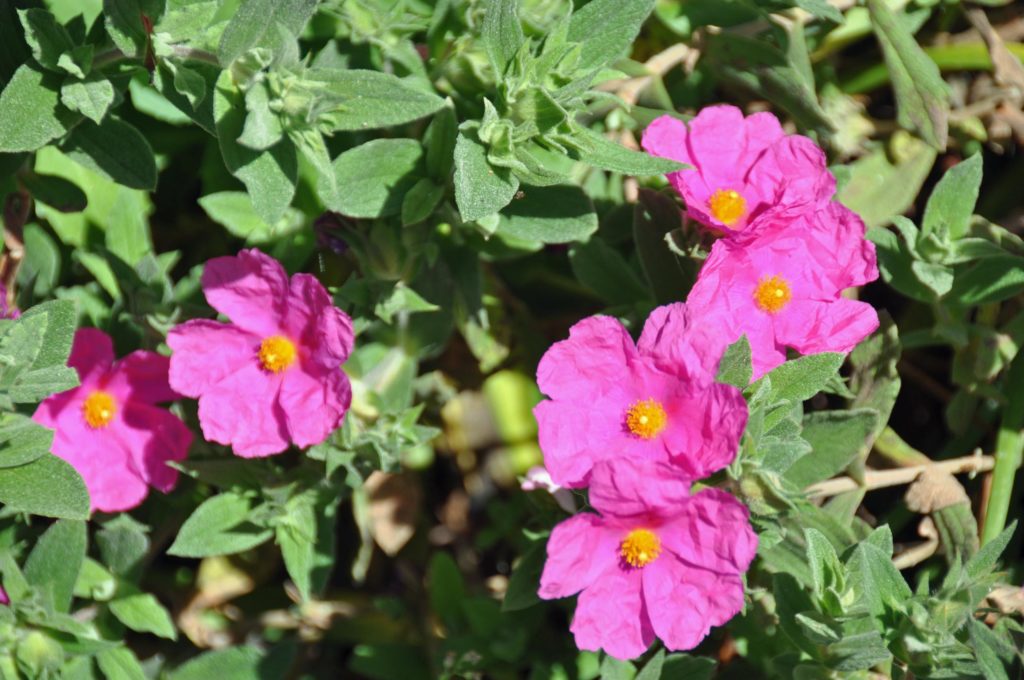
 And all underpinned by some long flowering, long lasting rock roses and the odd splash from a catanache.
Rock Roses
Catanache

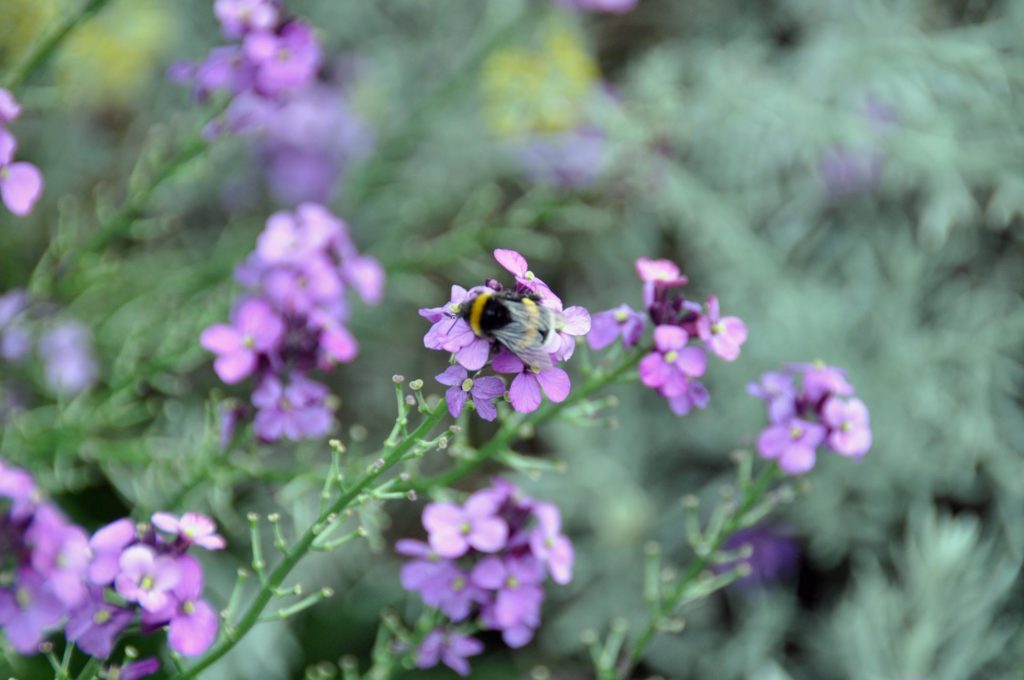
The bees are still bumbling along the wallflowers

Busy bees on the wallflower

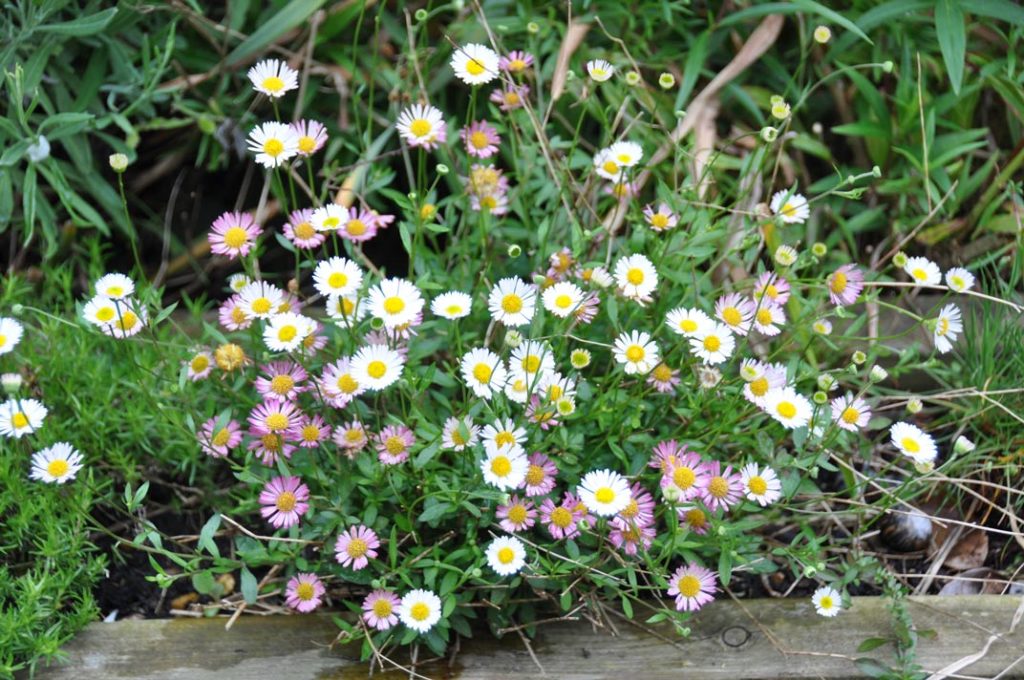
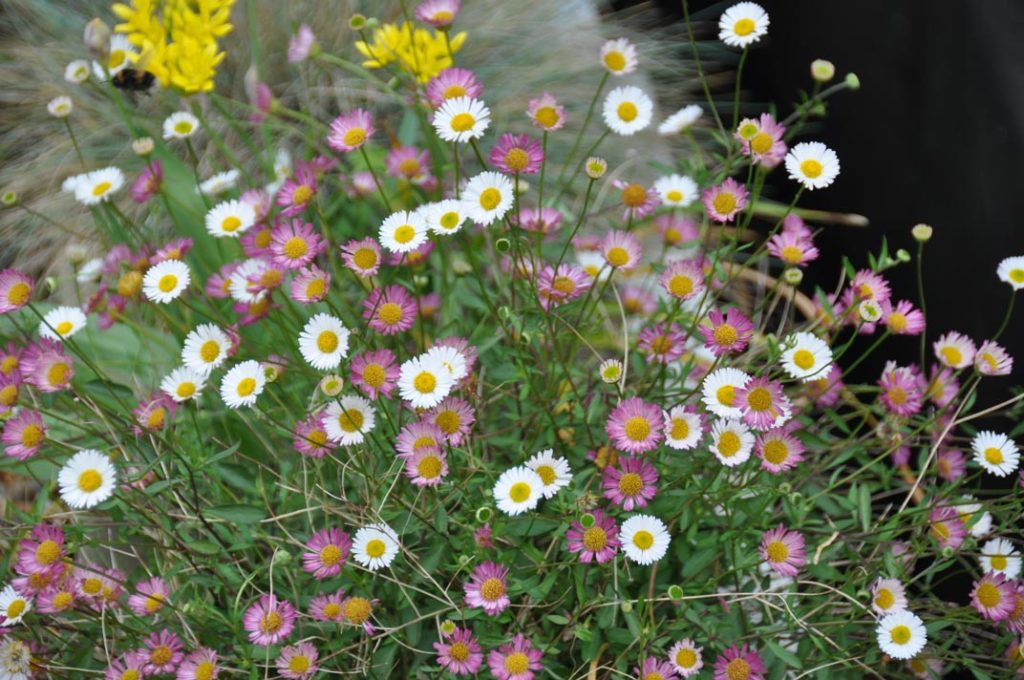
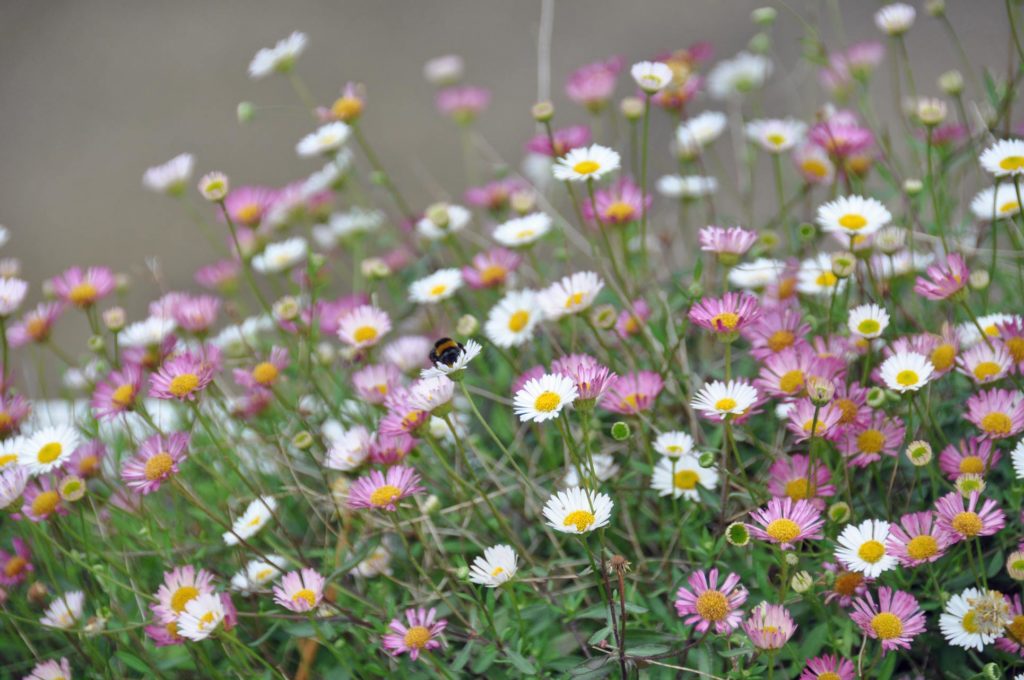
And will the spread of the fleabane ever come to an end.

Fleabane

It’s second only to the shady garden’s geraniums which have run riot (not in an especially good way).

Shade garden
Fatsia

It is true that white flowers show best through the shady doom and gloom. 

iris Foetidissima
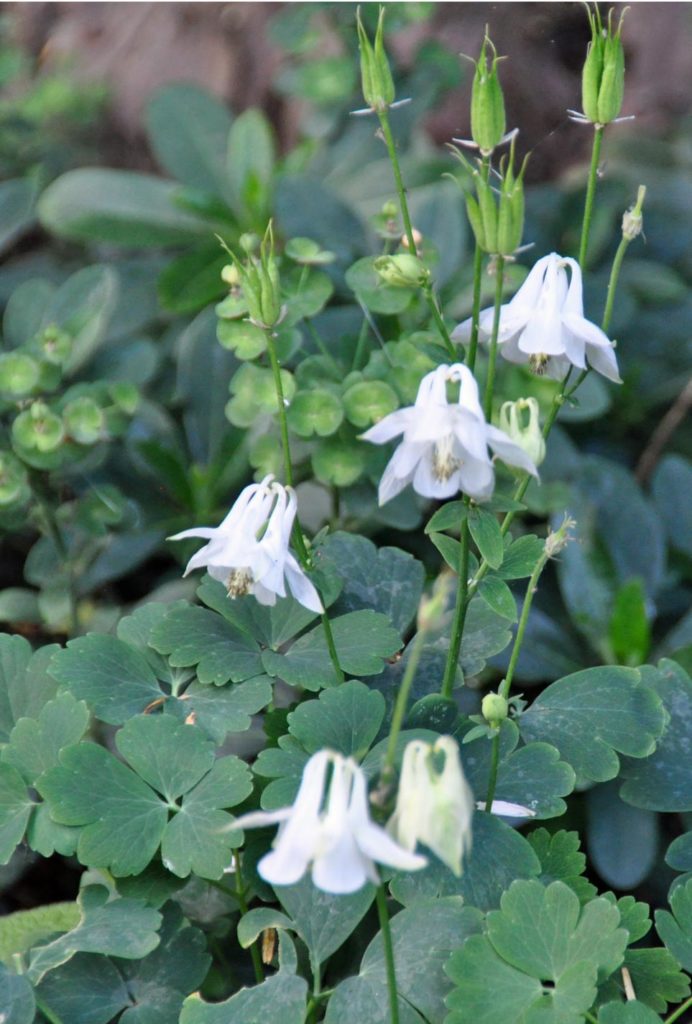
Aquilegia
Shady Garden

Whilst the geraniums are beautiful flowers, there seems little room for anything else at the moment.

Geranium Roxanne
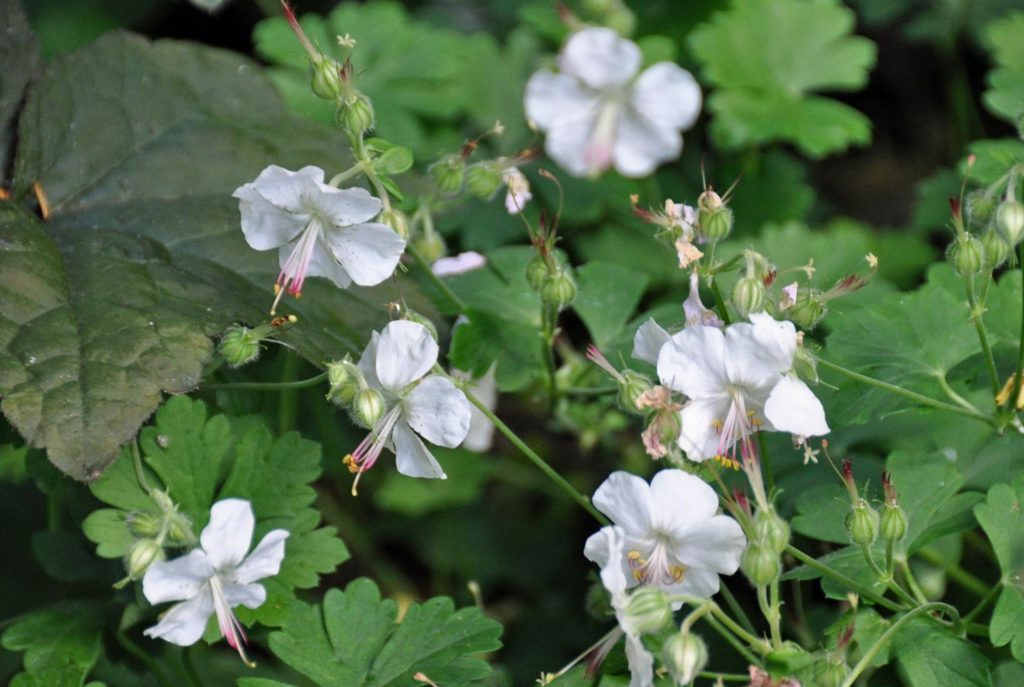
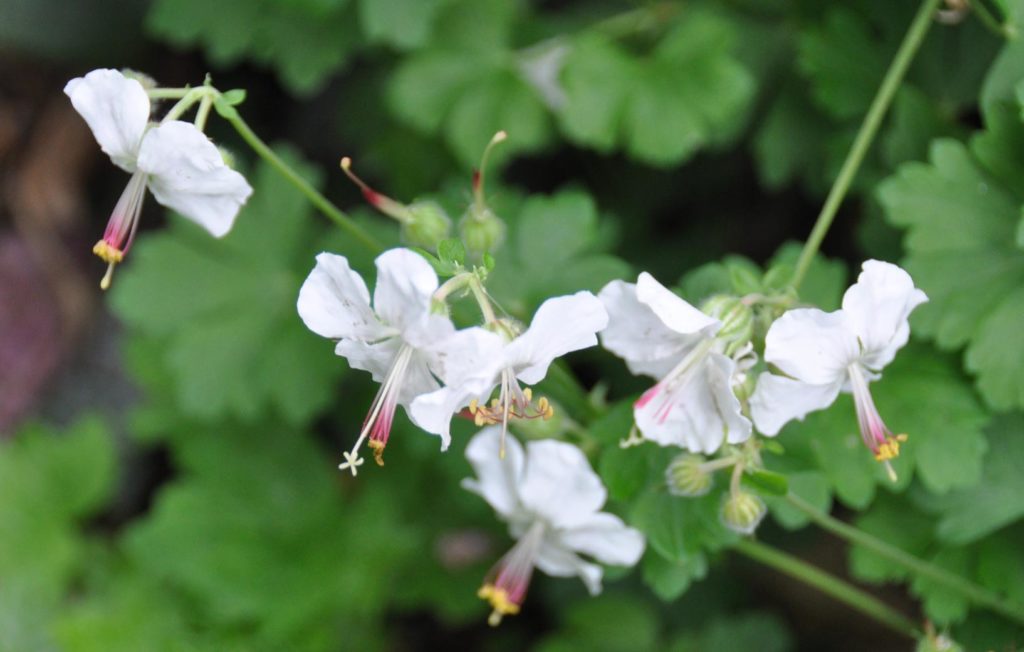
White Geraniums
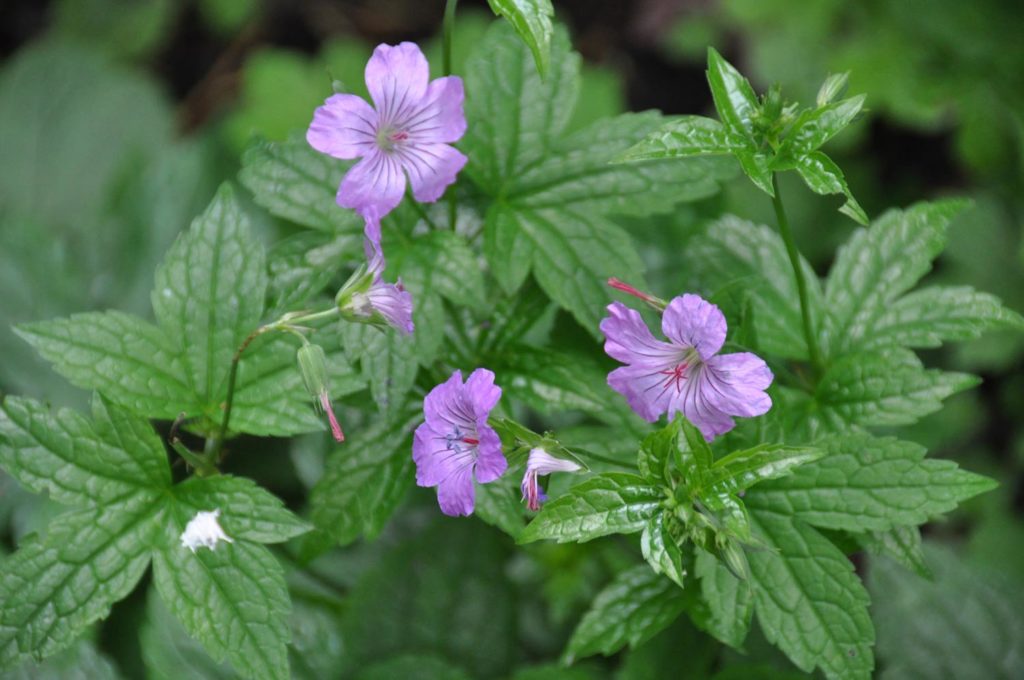
Pink Geraniums

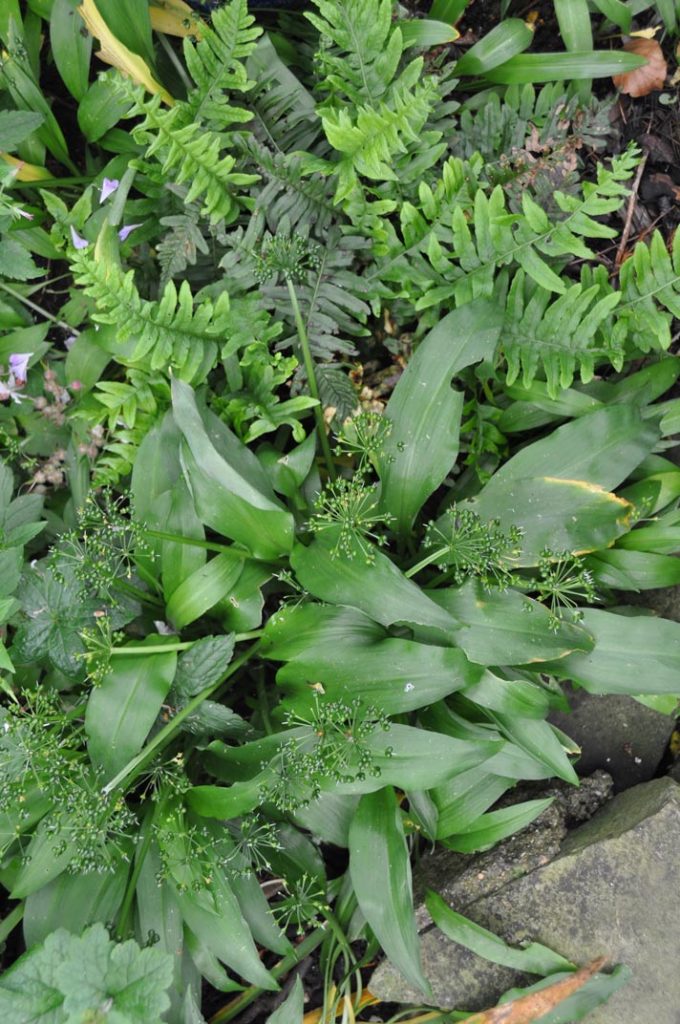
The wild garlic has gone over, and the ferns are starting to unfurl.

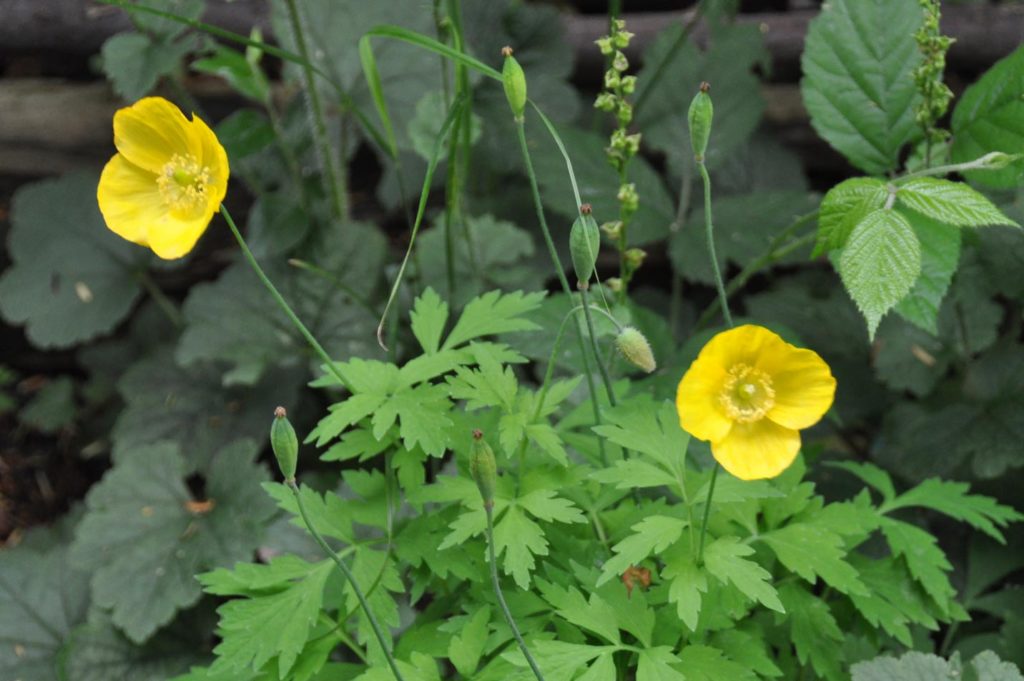
And every so often the yellow meconopsis pokes through the green.

Meconopsis
Meconopsis

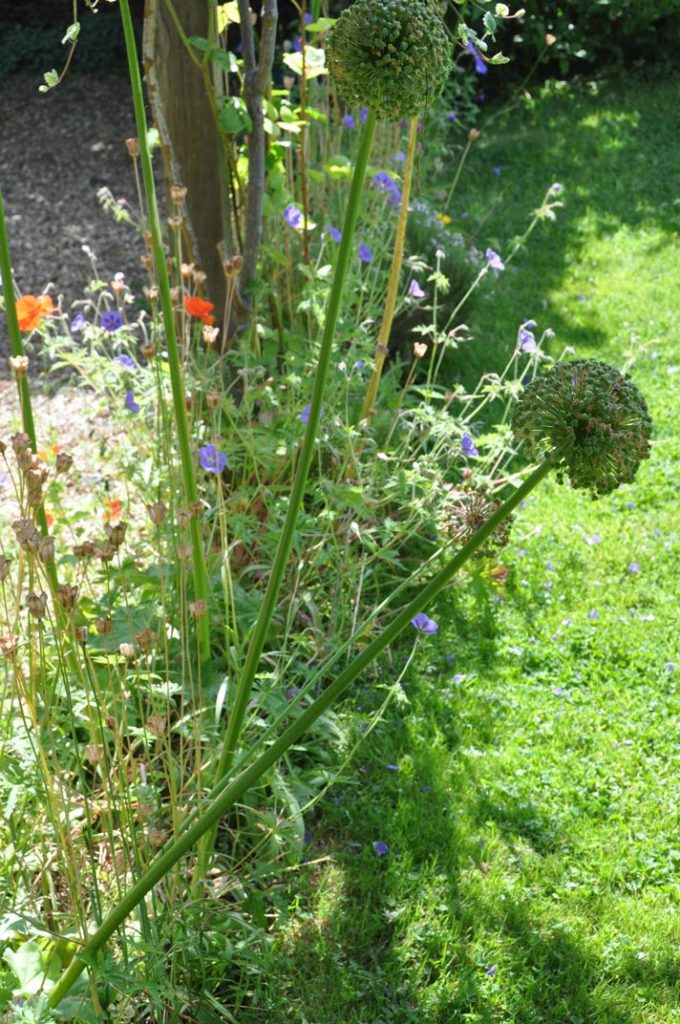
Down in the rather messy fritelaria bed, the huge alliums have also gone over.

and we were left with huge seed heads, until the winds blew through and smushed them to smithereens

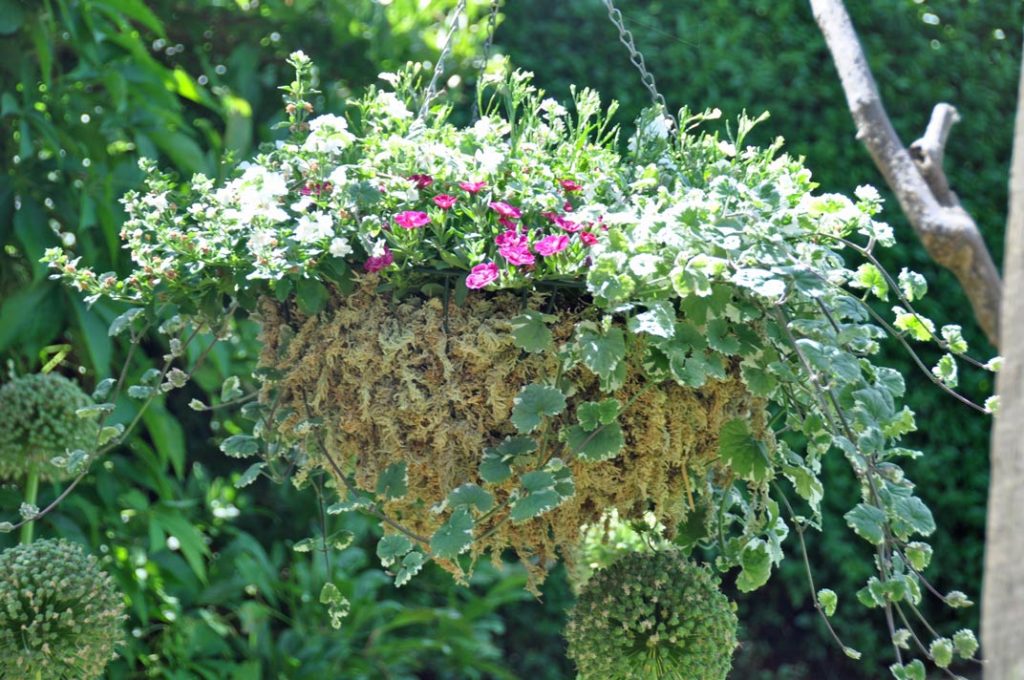
So far the watering regime has held good and neither the hanging baskets nor the tiny dry bed on top of the sleeper wall has died a death. Yet.

Not dead yet

White Thrift
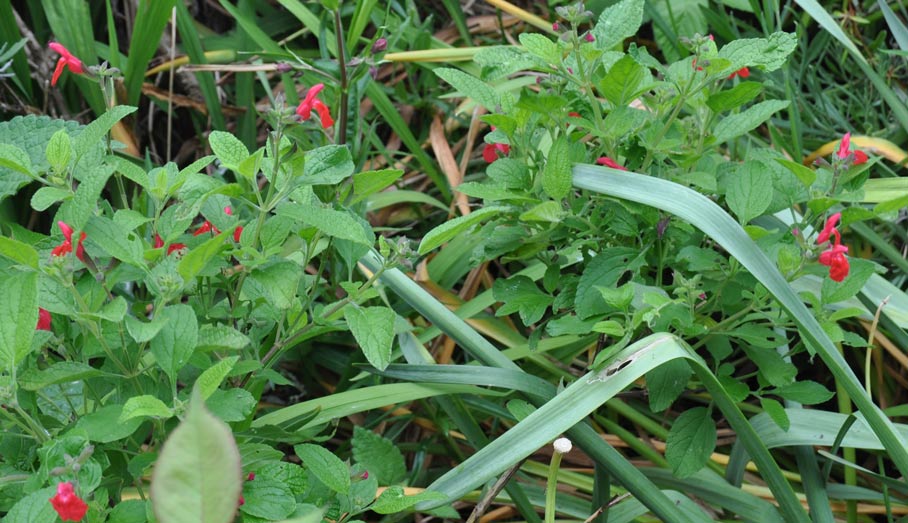
 But in the chaos there are countless plants lost and overgrown from the red salvia through to the bellflower

In general the new rose bed is thriving though a little underwhelming as a baby bed.

The silver leaf shoved into the ground a few years ago rather than throw it out after 6 months in a hanging basket is much bigger and more vigorous than any rescue plant has a right to be. One day I’ll be okay with throwing plants out but I’m not there yet.

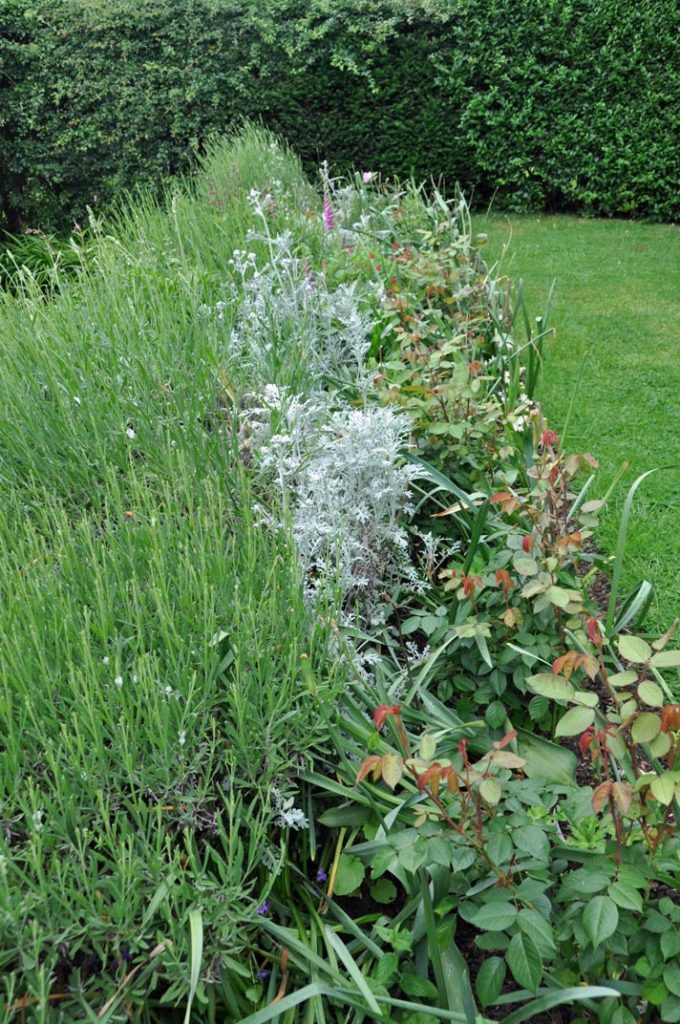
Up on top of the garage, the gravel bed is growing a bit too well.

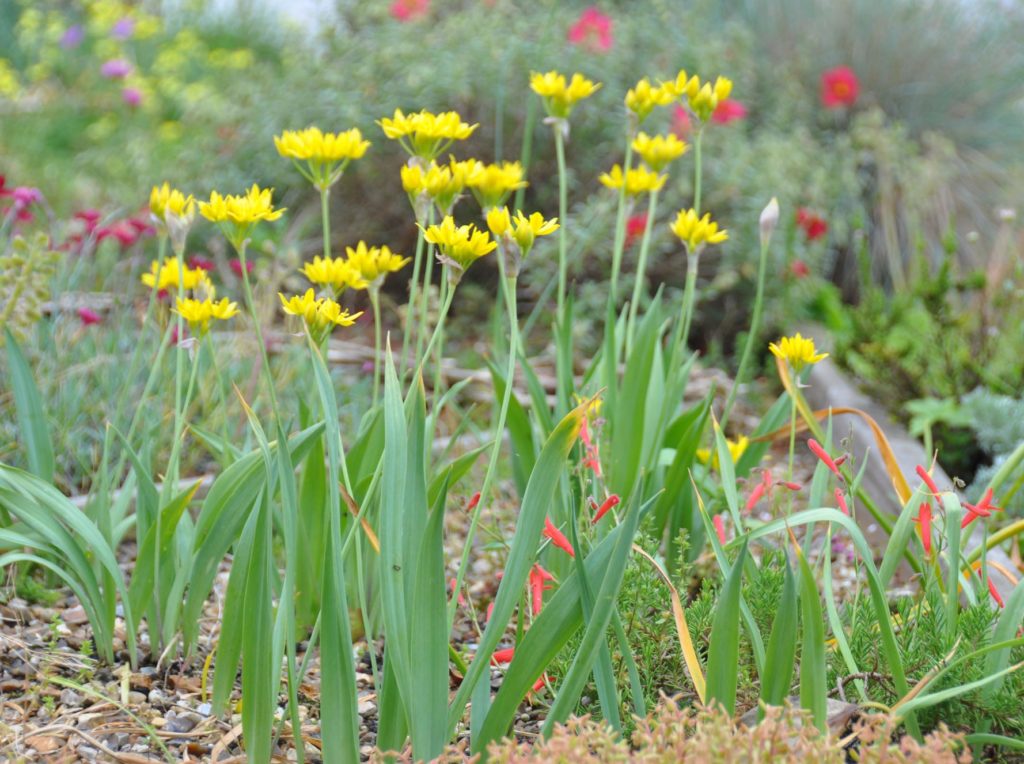
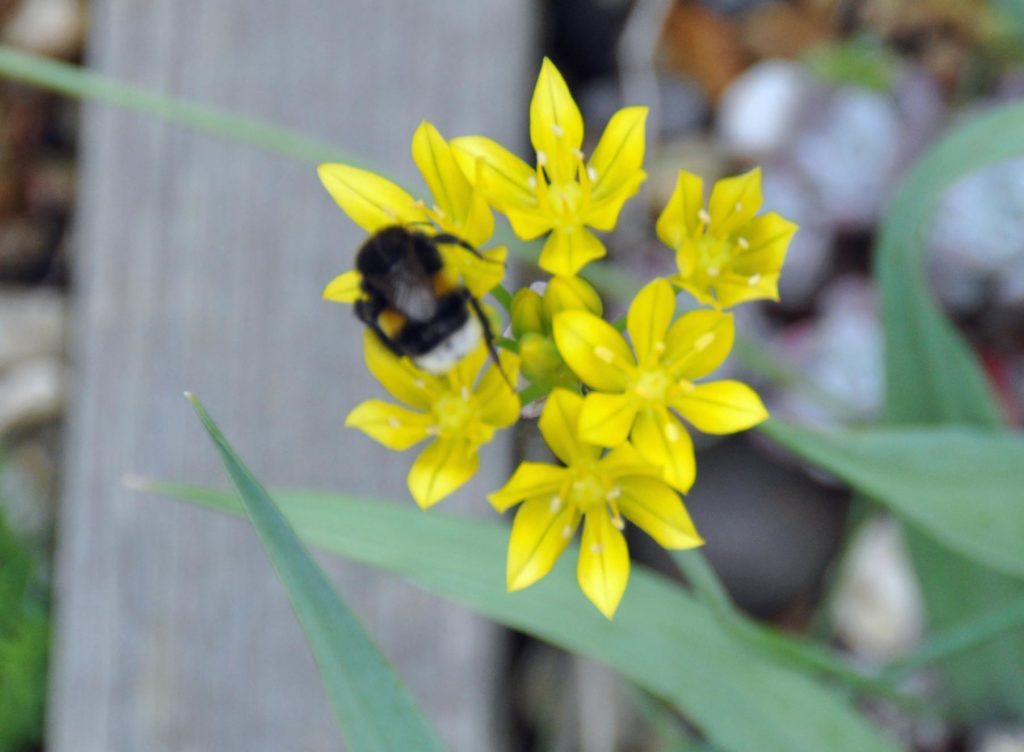
The little alliums, the molys are really perking up the whole thing with a splash of yellow.

And the sedums are beginning to do their thing

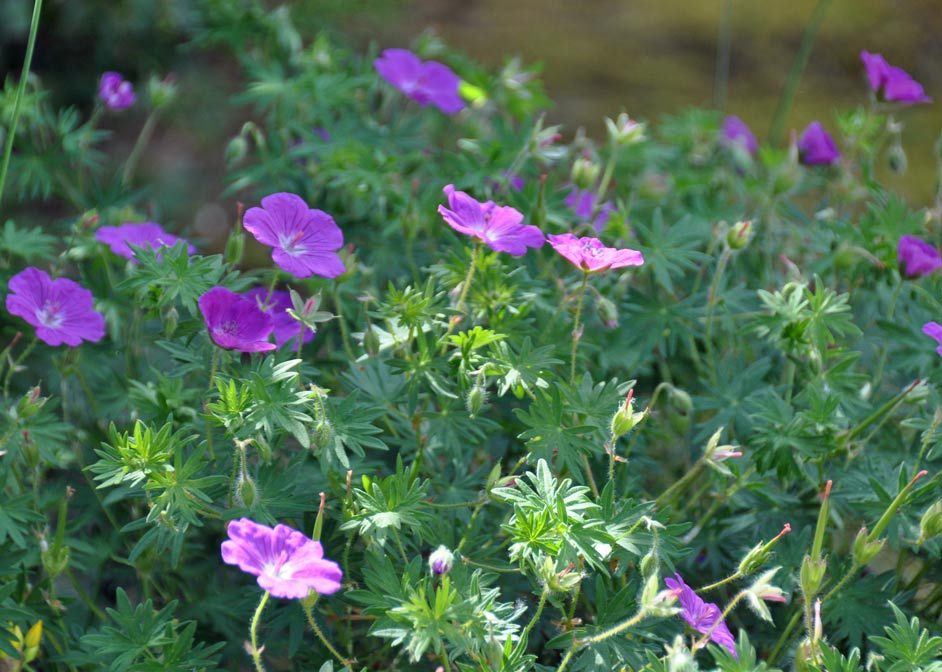
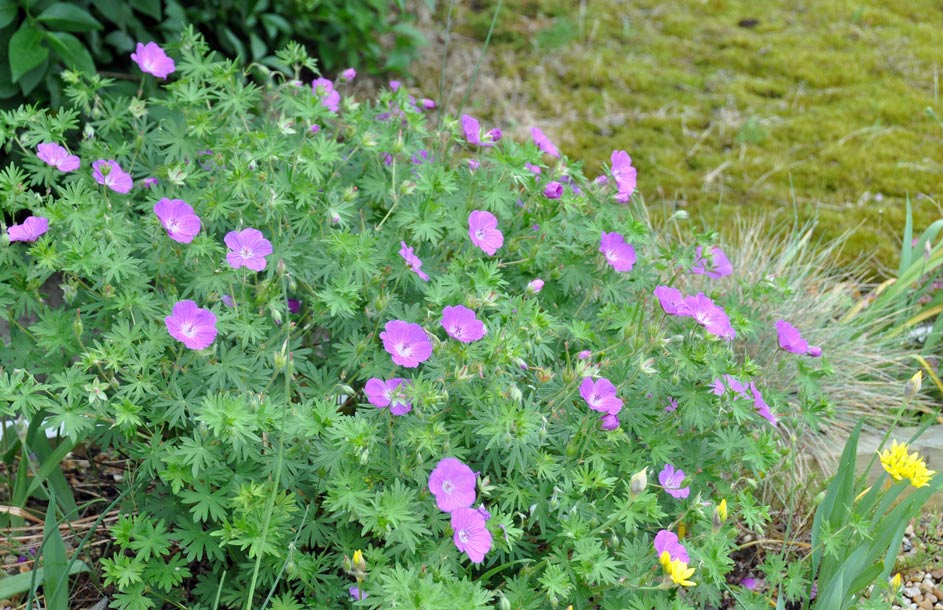
Along with the sanguine geranium, some alpine penstemon and of course the pinks.

Alpine geranium

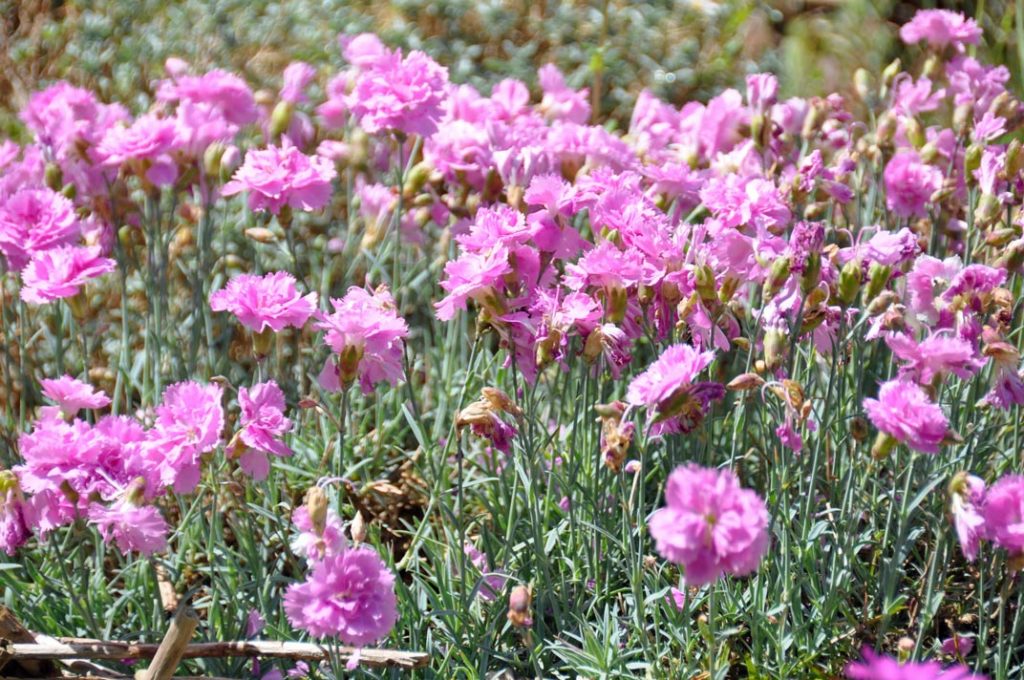
Carnation

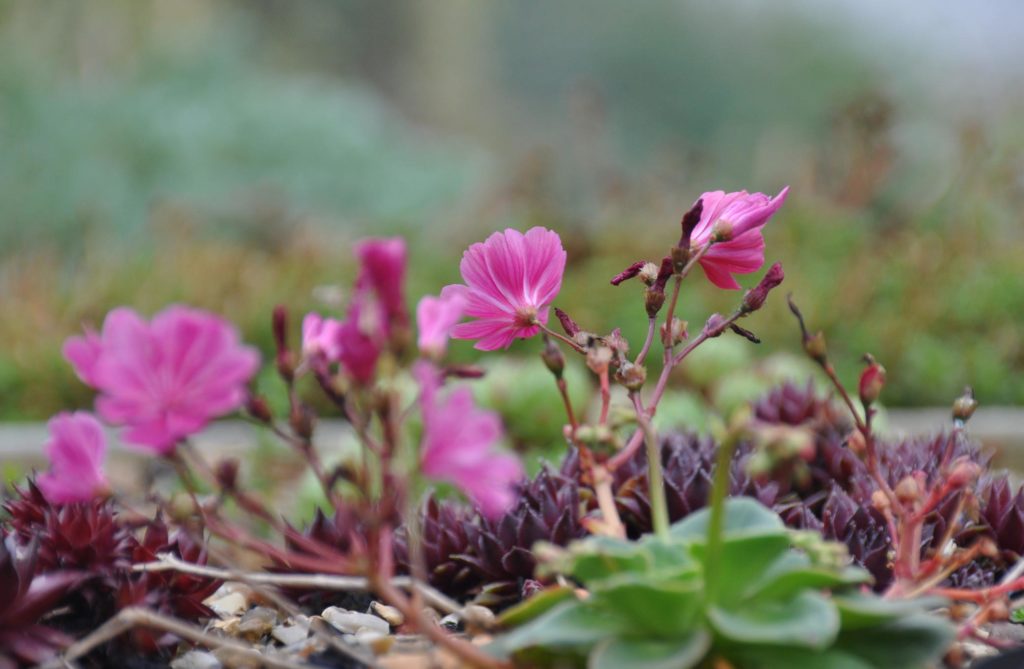
Mostly the plants planted into the gravel mimic their larger counterparts in the large beds, including a very sweet rock rose.

Alpine Rock Roses

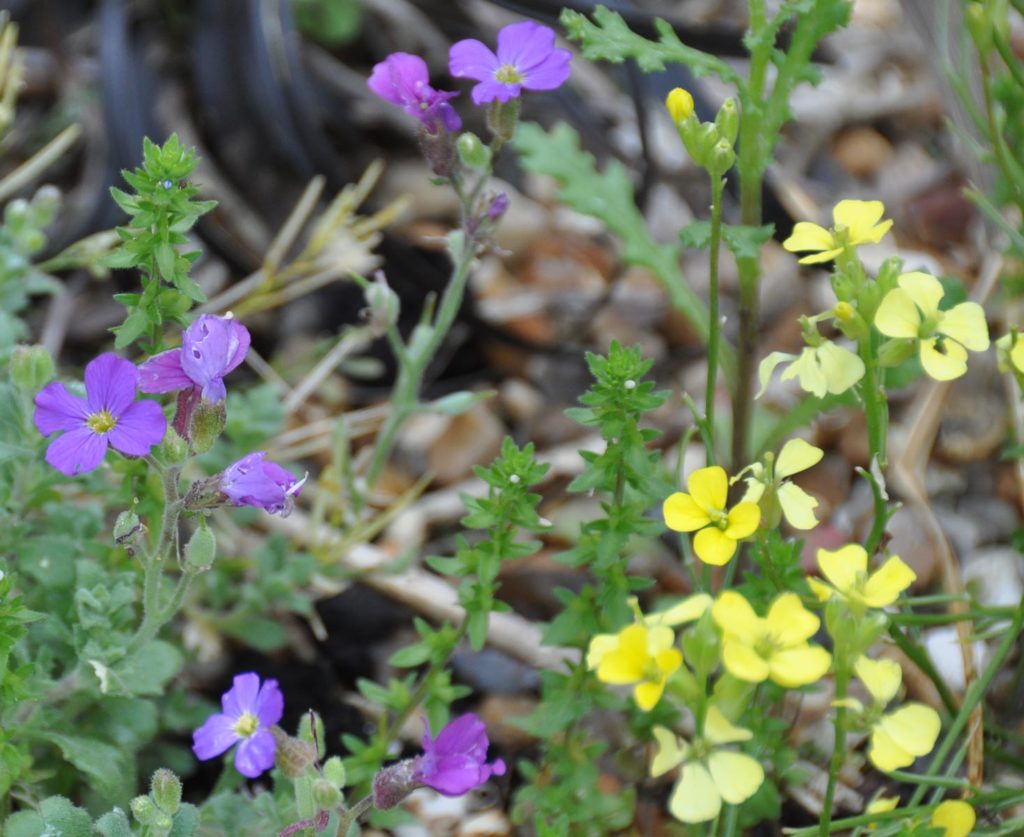
And the erysimum (wallflower) next to the aubrietia,

But the thrift in the gravel has gone over, where as down in the shadier beds it still has time to run.

Thrift going over
Late thrift

And everywhere you look, fleabane growing away and possibly stringing out other beauties.

Though of course the bees don’t care.

Allium + bee

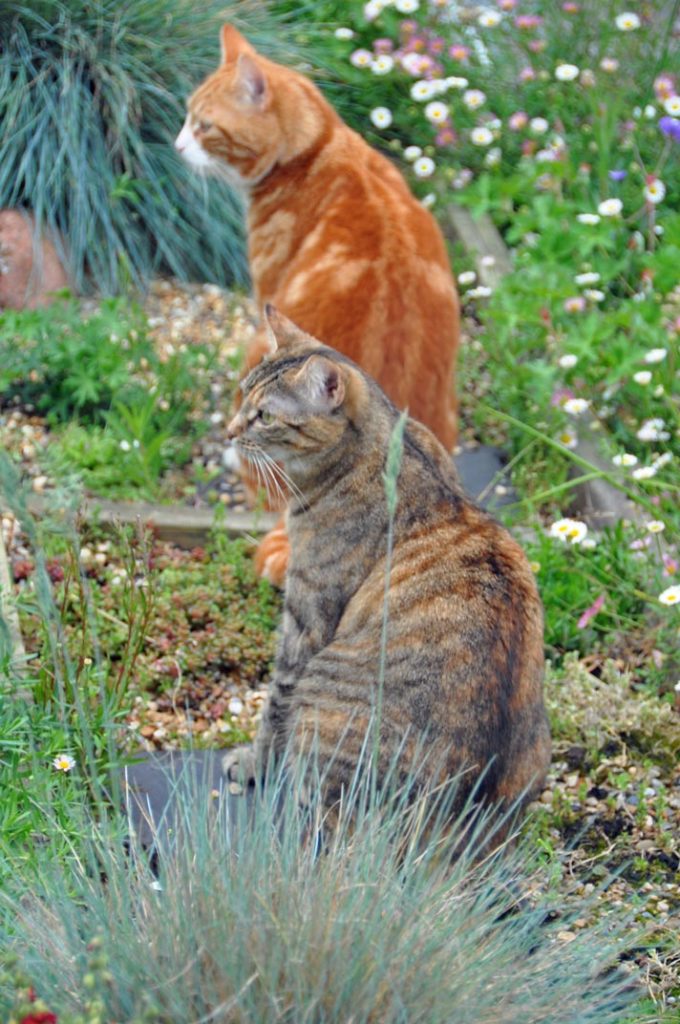
And neither do the cats.

Audience

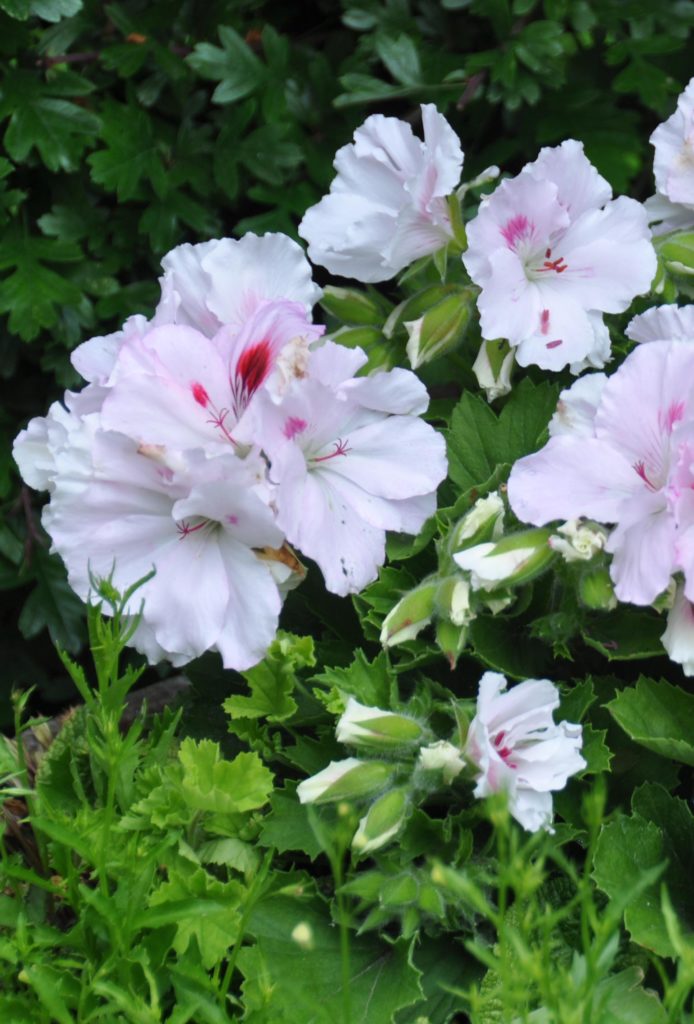
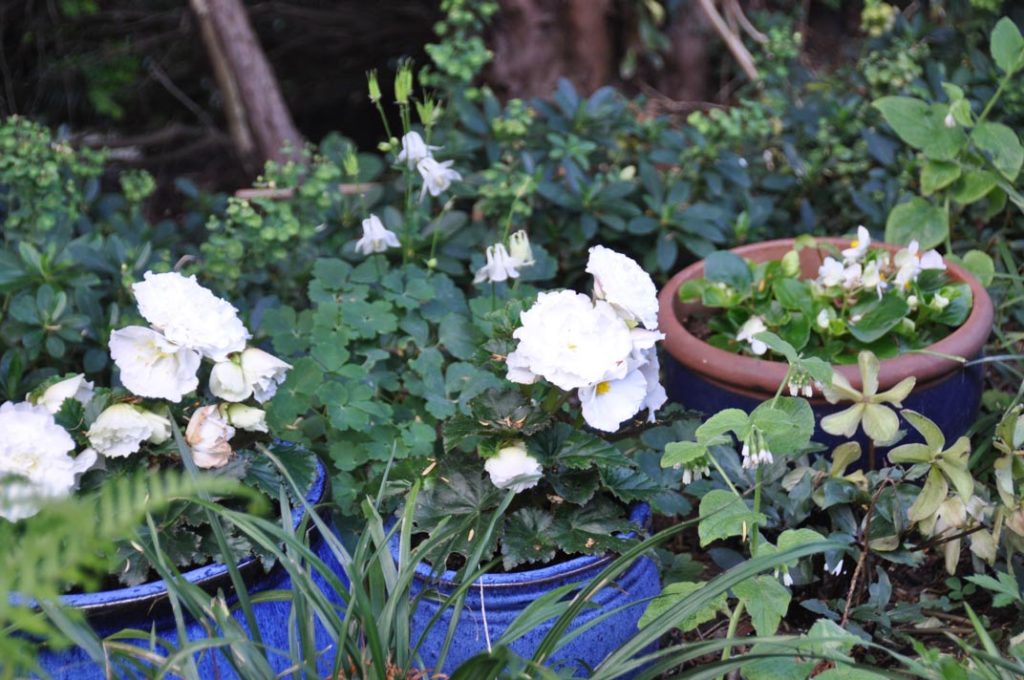
Despite warning about the use of white(-ish) bedding the pelargoniums are working well, along with begonias in the shade.

Bedding

Shady Pots

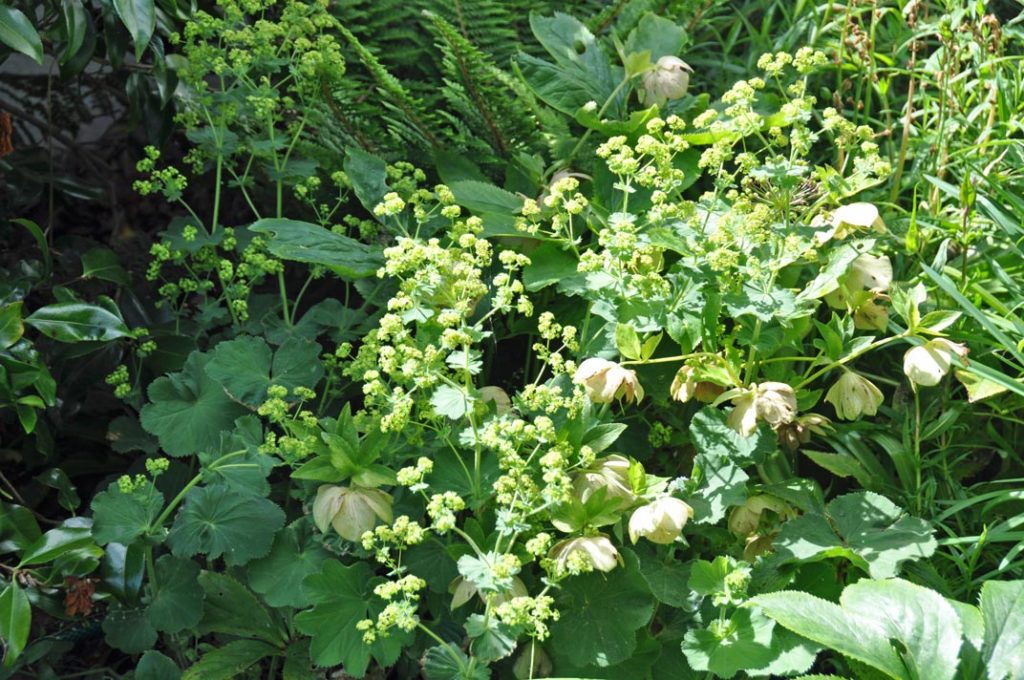
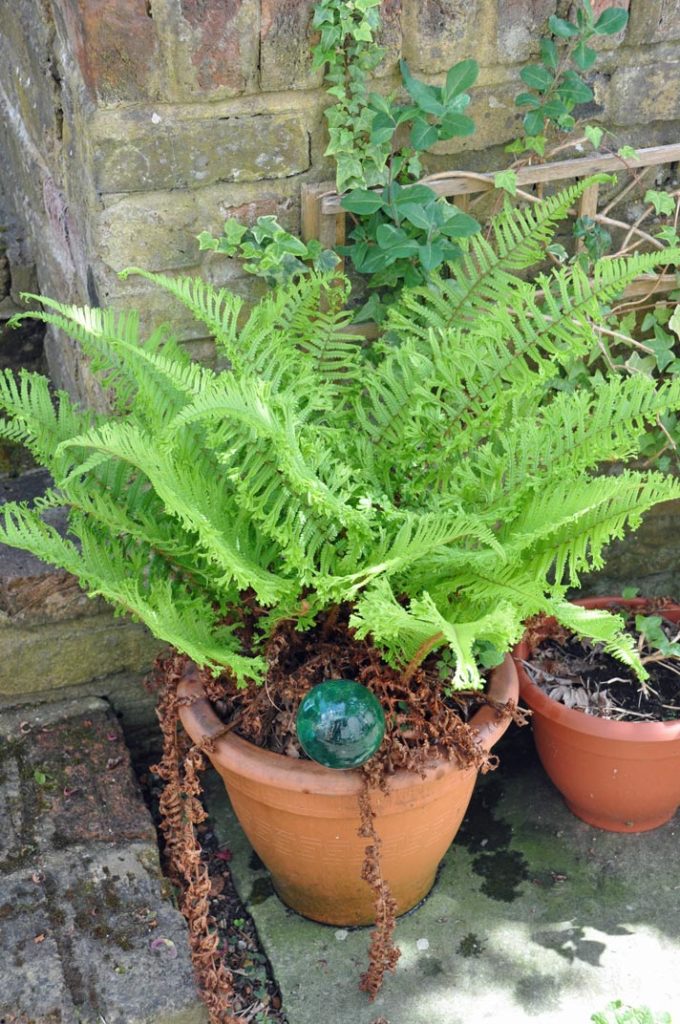
Down in the courtyard the alchemical is looking lovely and the ferns starting to look lush.

Alchemical Mollis

Ferns unfold

But no matter how I try to appreciate the greens, it is the show stopper pins and reds that blow me away.
Rock rose
Poppy

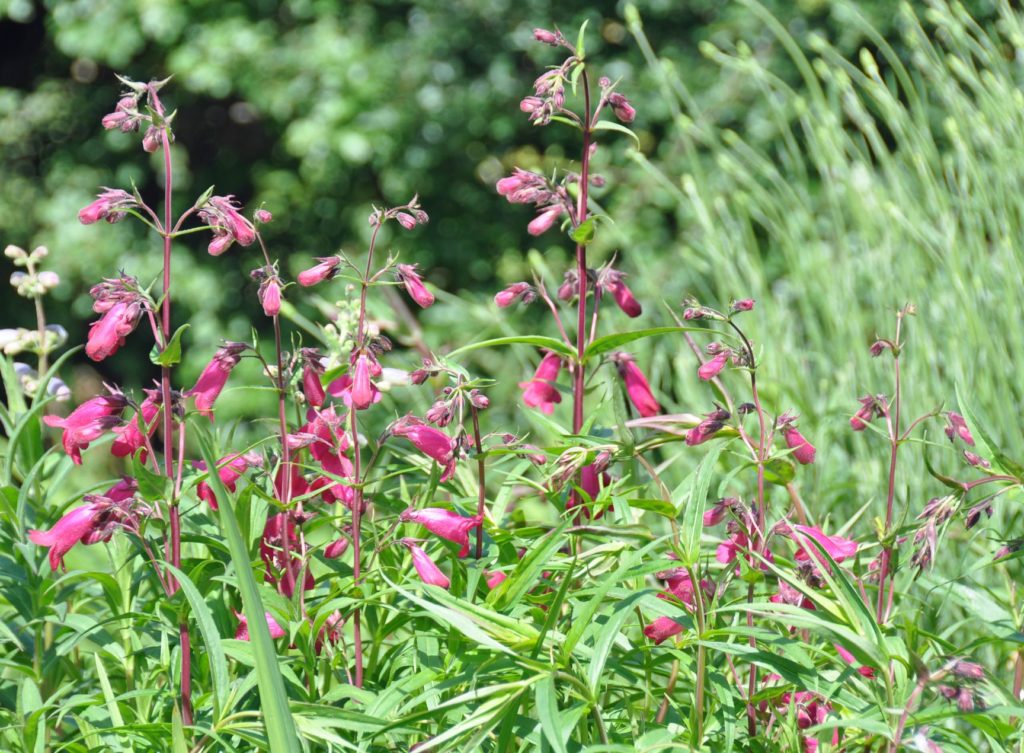
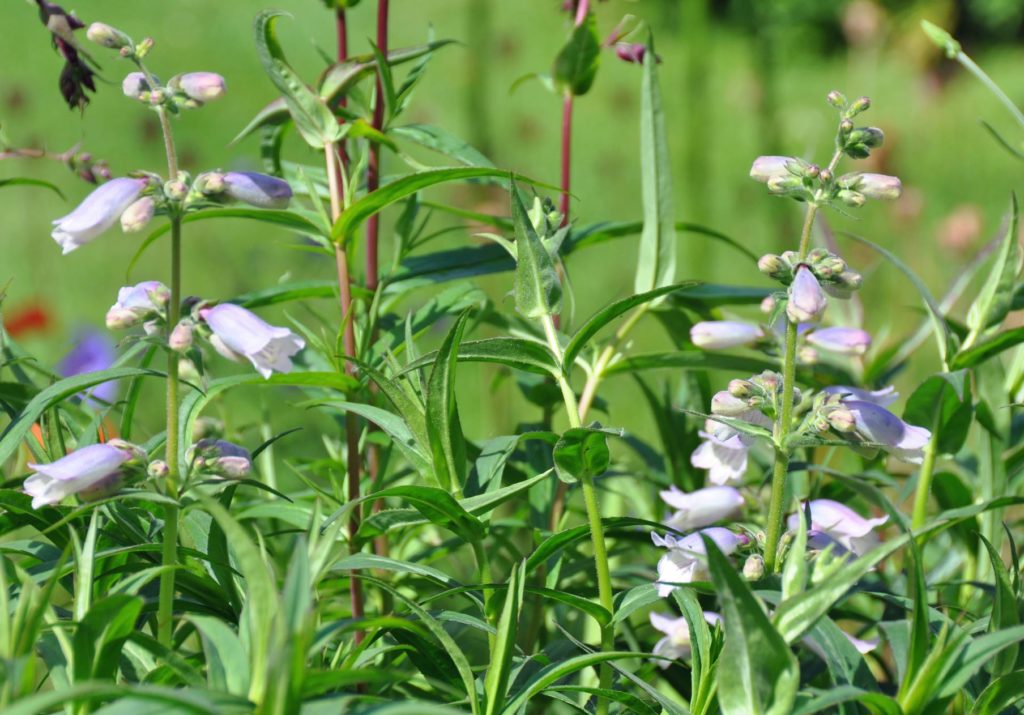
And with the larger penstemons just about to appear, the year is likely to get better and better.

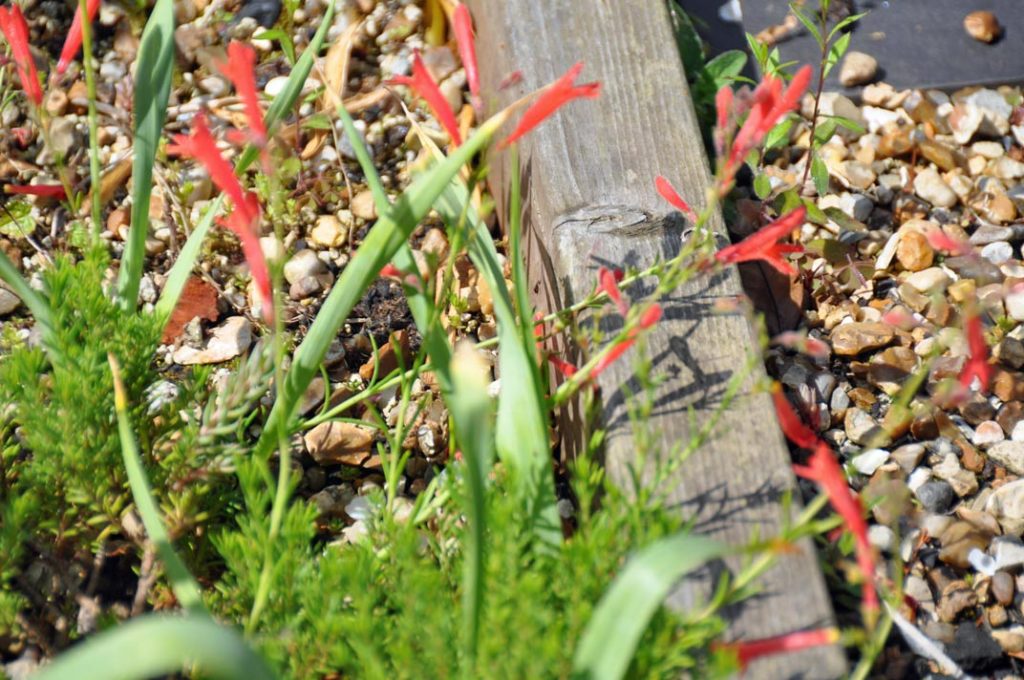
Penstemon
Sour Grapes Penstemon


Transport

I’m quite enjoying the Guardian’s photo assignments if only because it makes me look through some of the older photos.

This month the theme is transport and my library seems to have an extraordinary collection of boats, and not that much else at first glance.

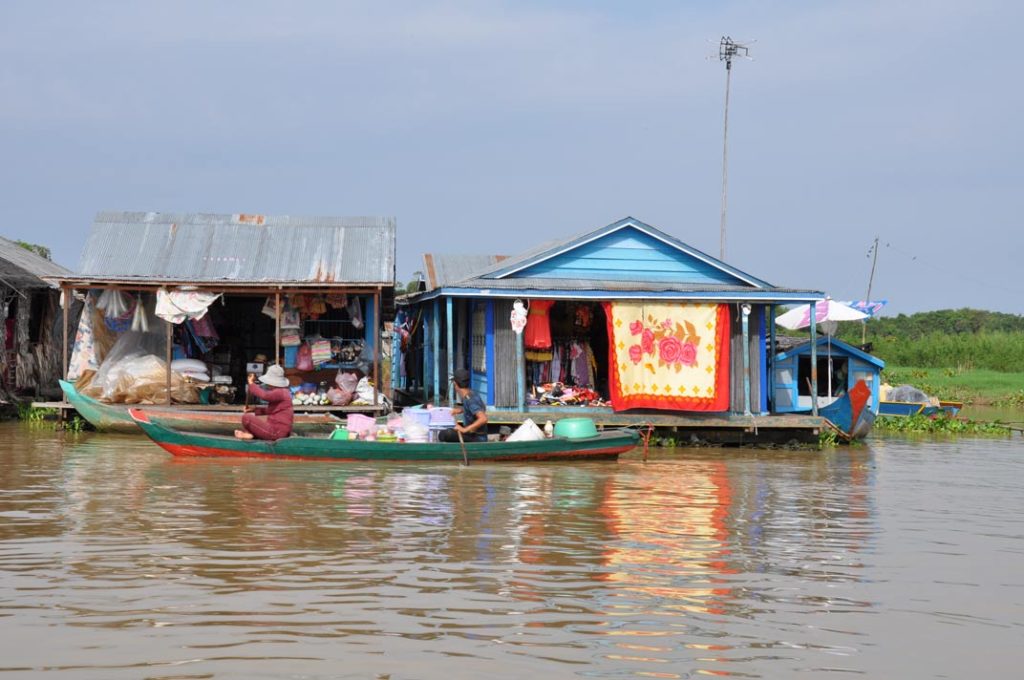
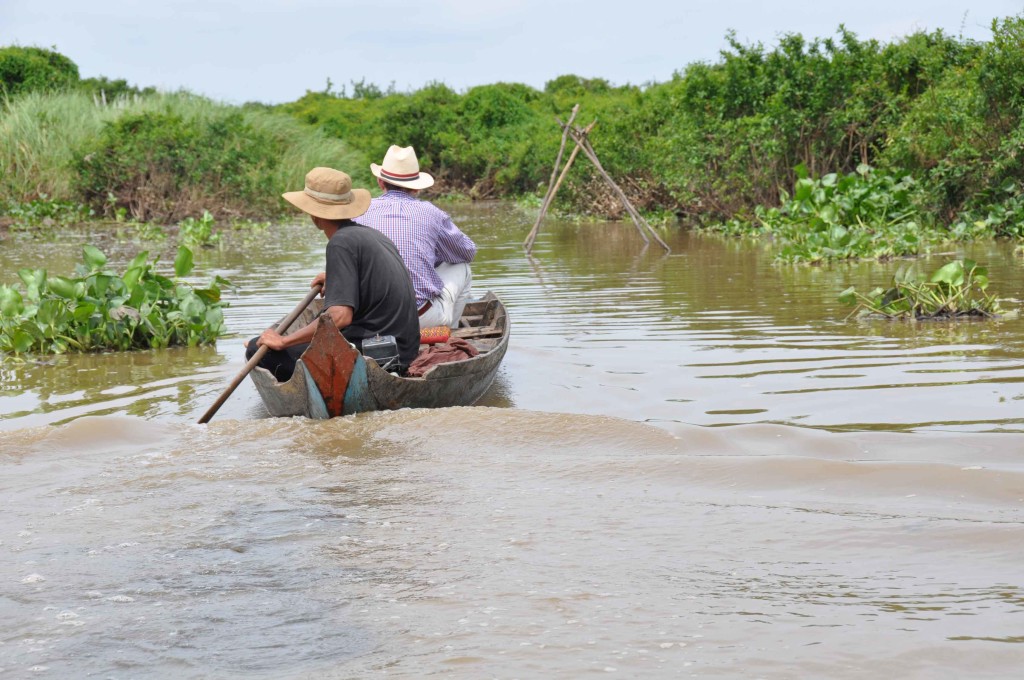
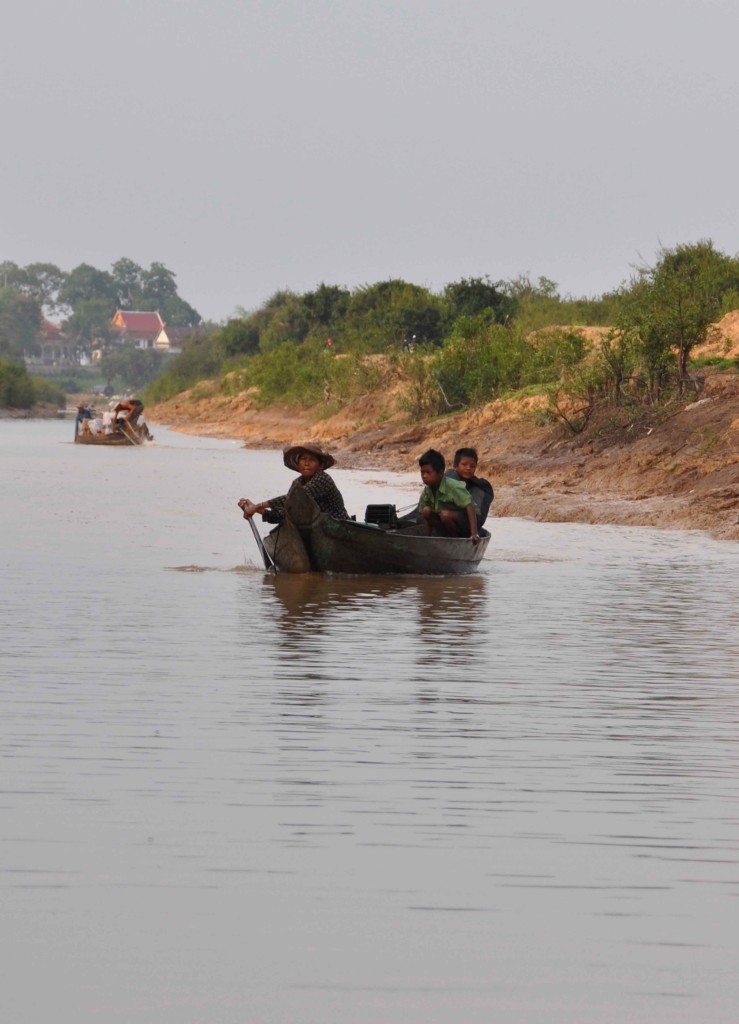
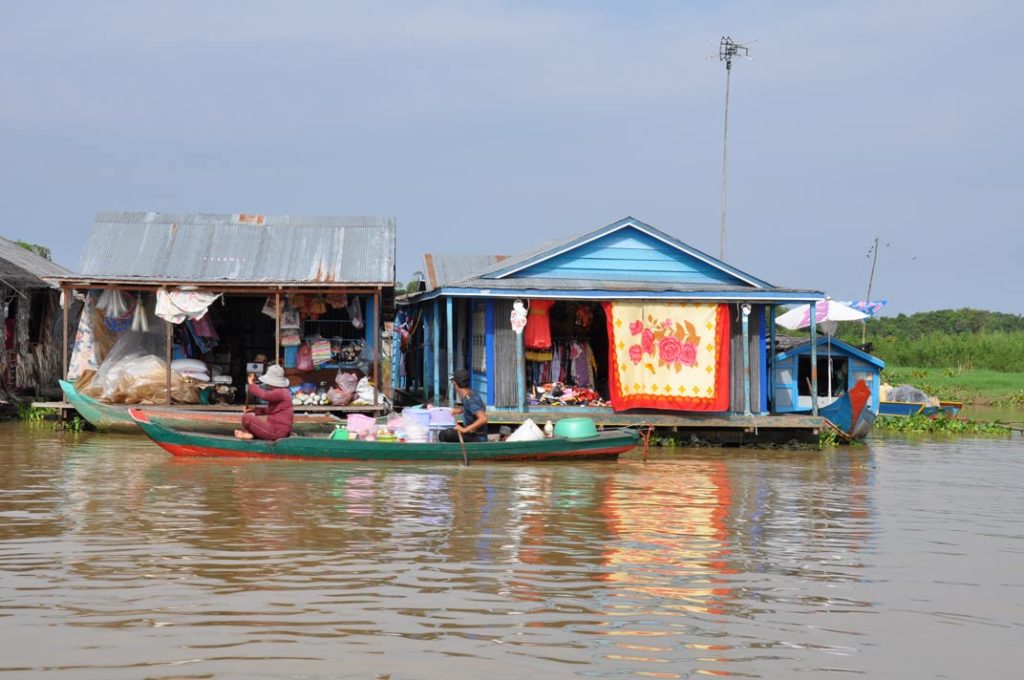
Obviously if you head off to a floating village in the middle of Cambodia you’re going to find boats.

Houseboats, Tonle Sap
Fishing, Tonle Sap

Tonle Sap, Cambodia

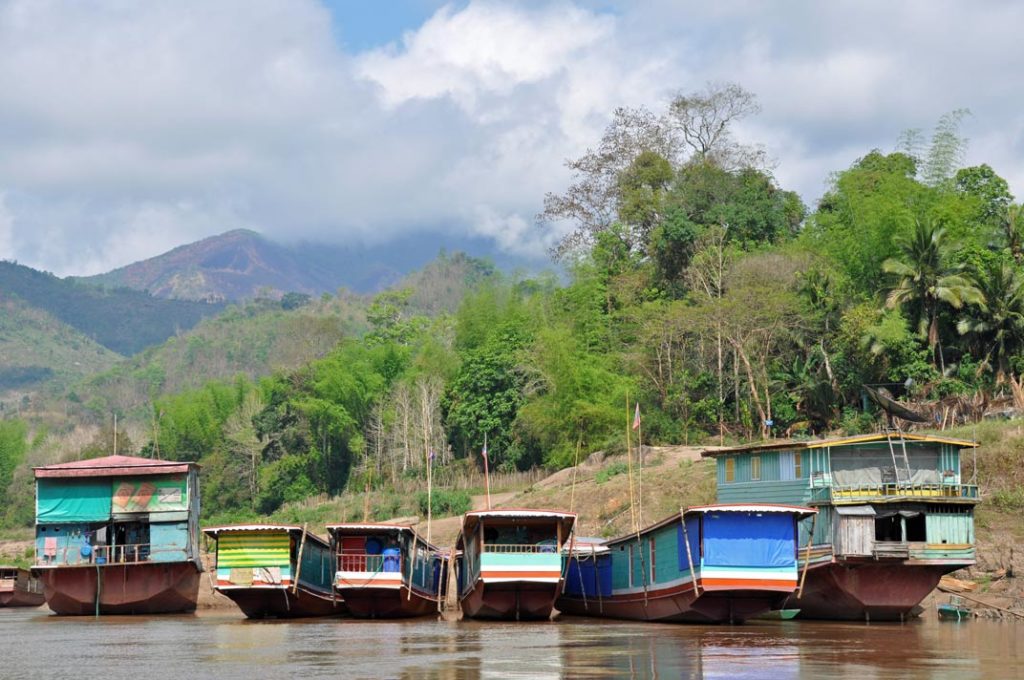
But then there’s the boat trip up the Mekong along the Laos Thai border to consider as well – equally picturesque and just as many pictures of boats

Mekong Houseboats, Laos

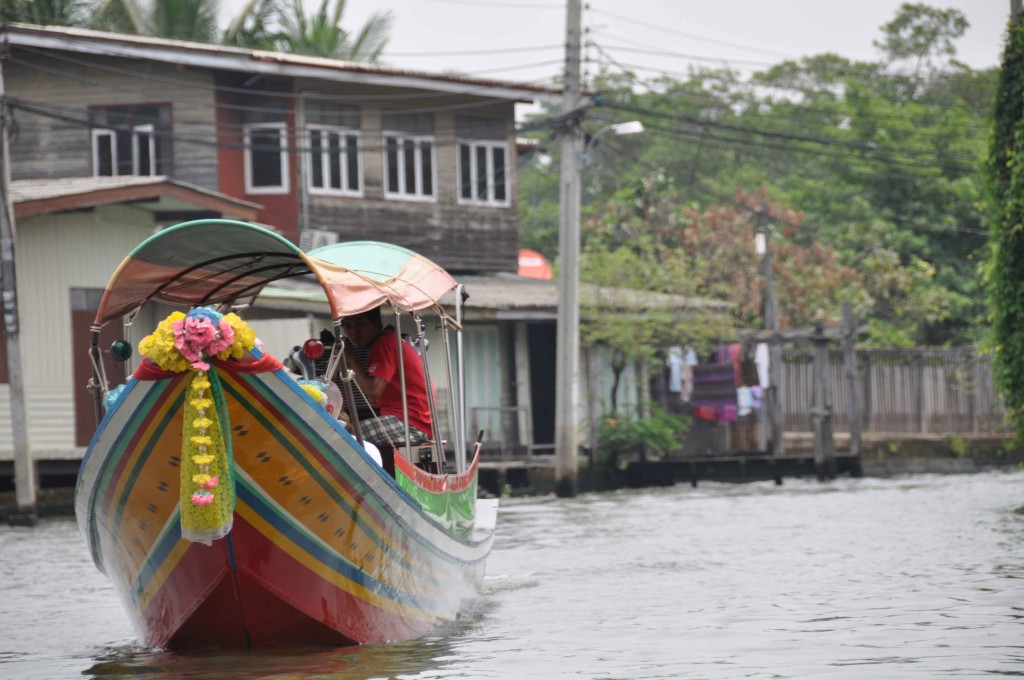
And of course there was the Bangkok boat trip

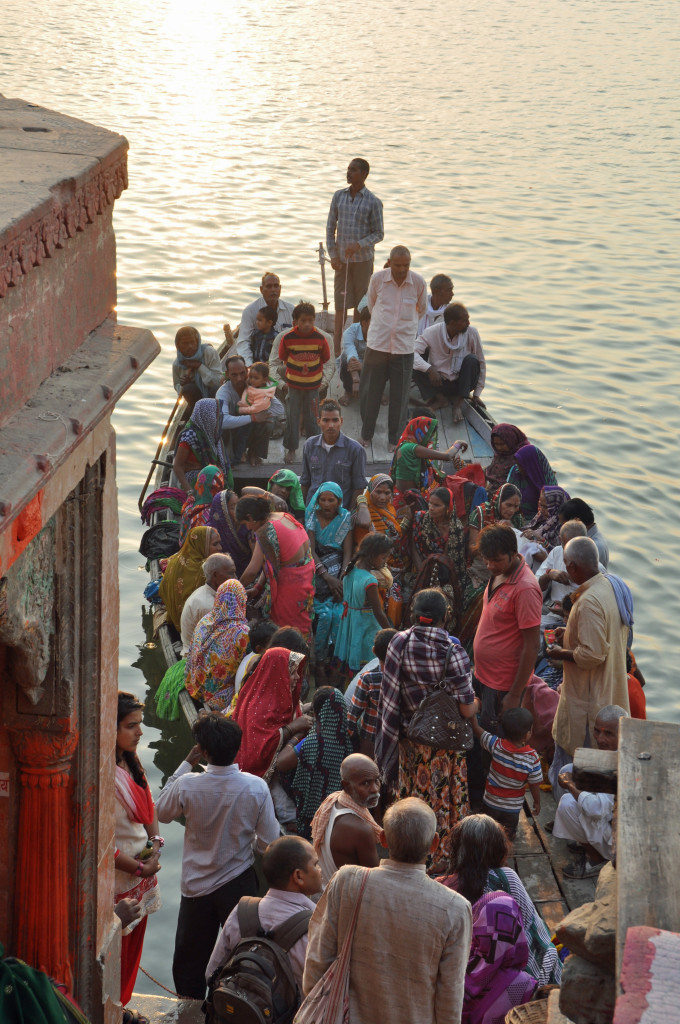
A boat ride on the Varanasi

Tourists Varanasi

And boat building in Yemen almost 30 years ago.

Hodeidah

There are first world boats in San Francisco

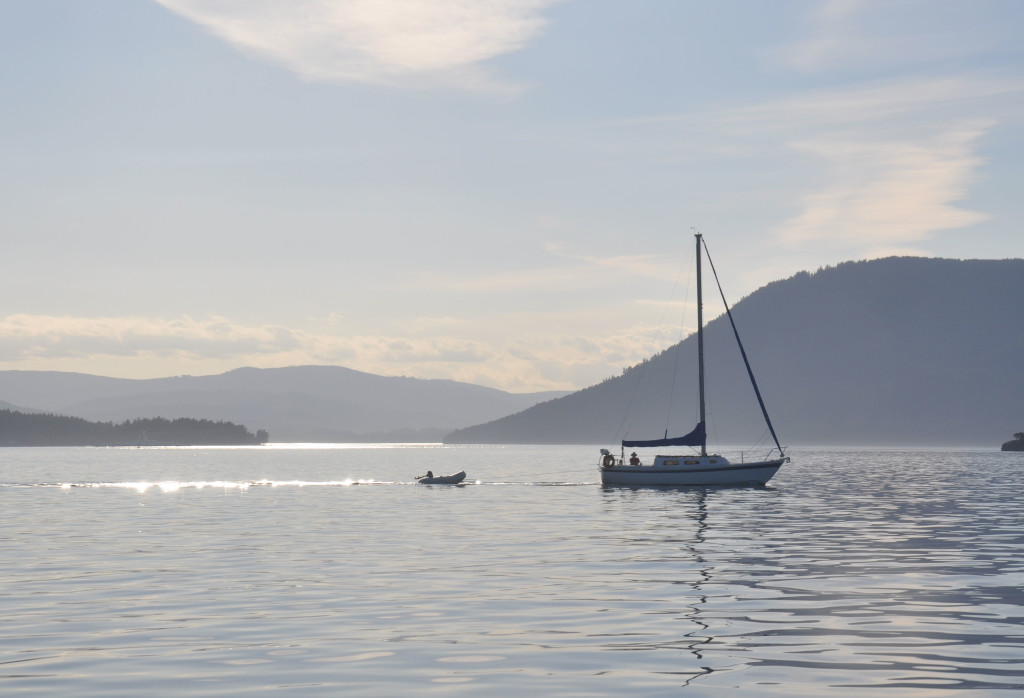
And Canada

Vancouver Island, Canada

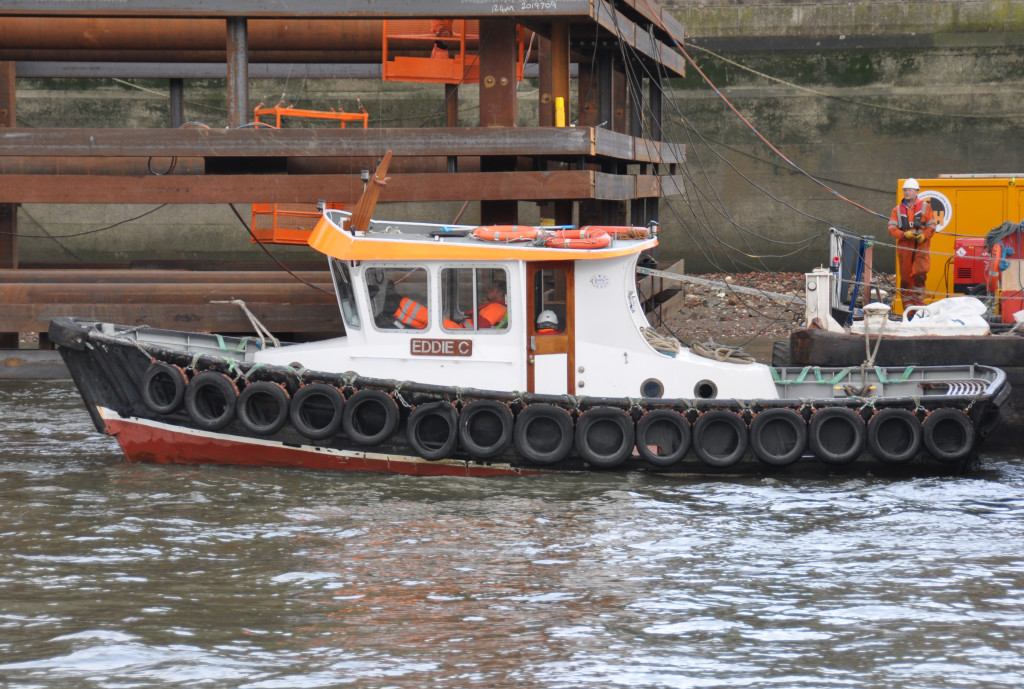
Or slightly less picturesque London

Boats on the Thames
Greenwich

Or Wales


And the weirdest lock in creation in the Falkirk Wheel

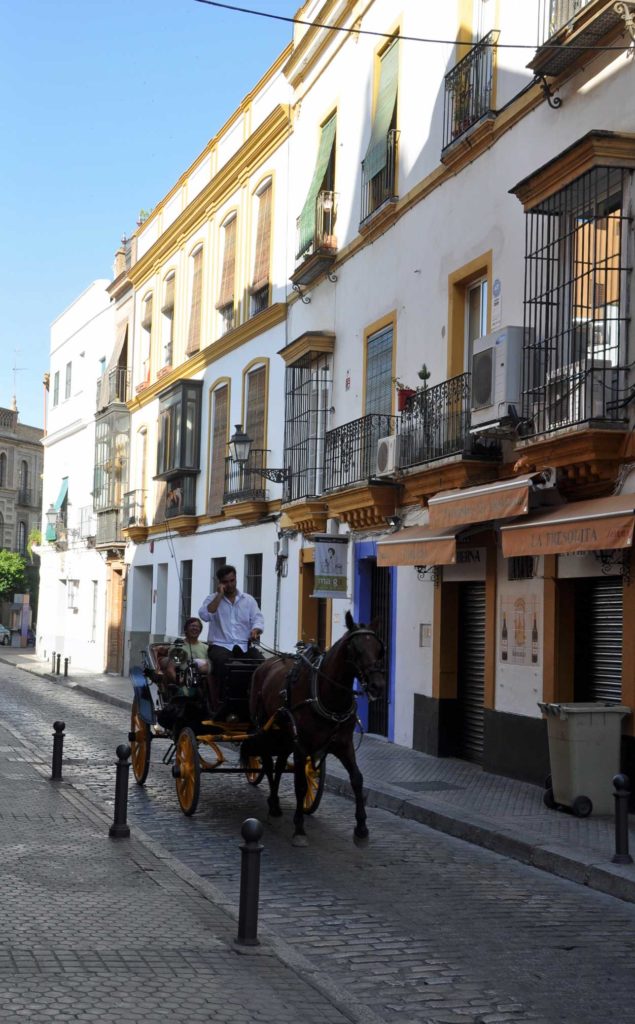
There are a couple of tourist snaps of horse drawn carriages, not that we ever pay the premium for a ride, but they’re certainly pretty enough to warrant a snap in Seville.

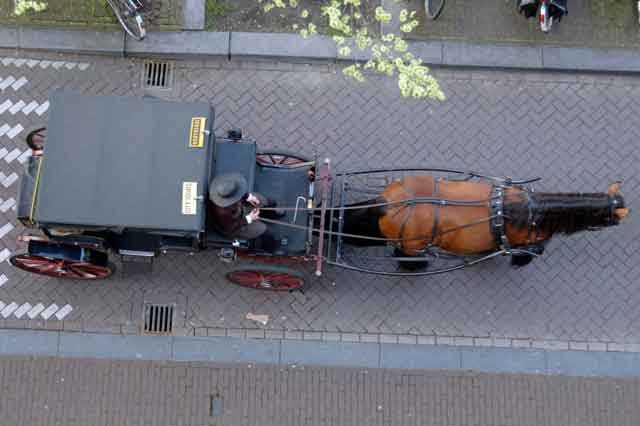
And Amsterdam

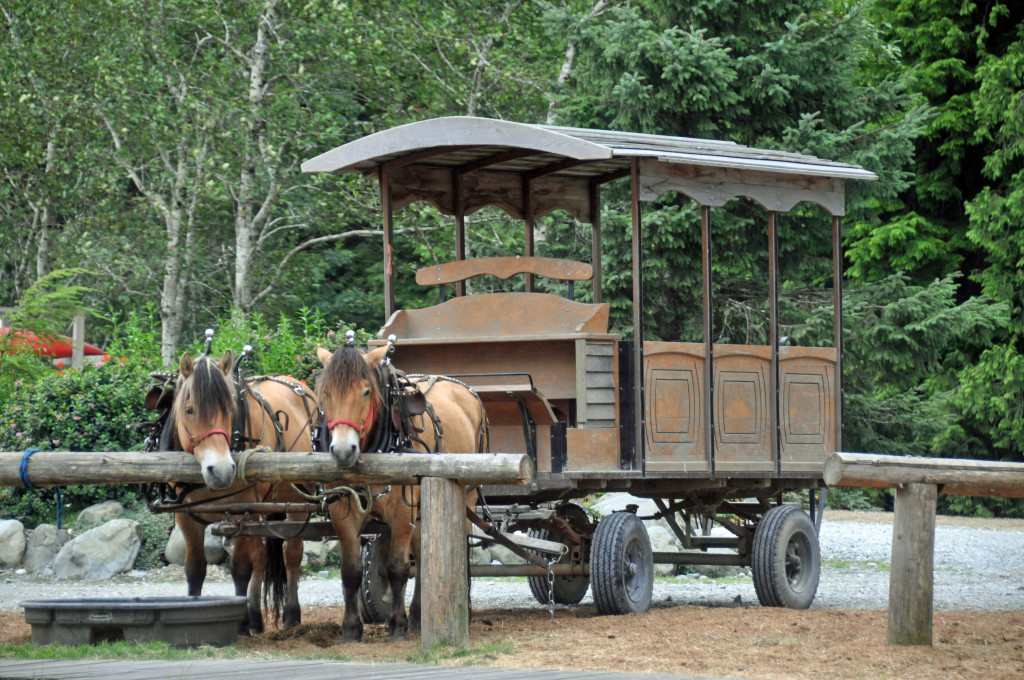
Or Canada

Clayoquot,
Vancouver Island Canada

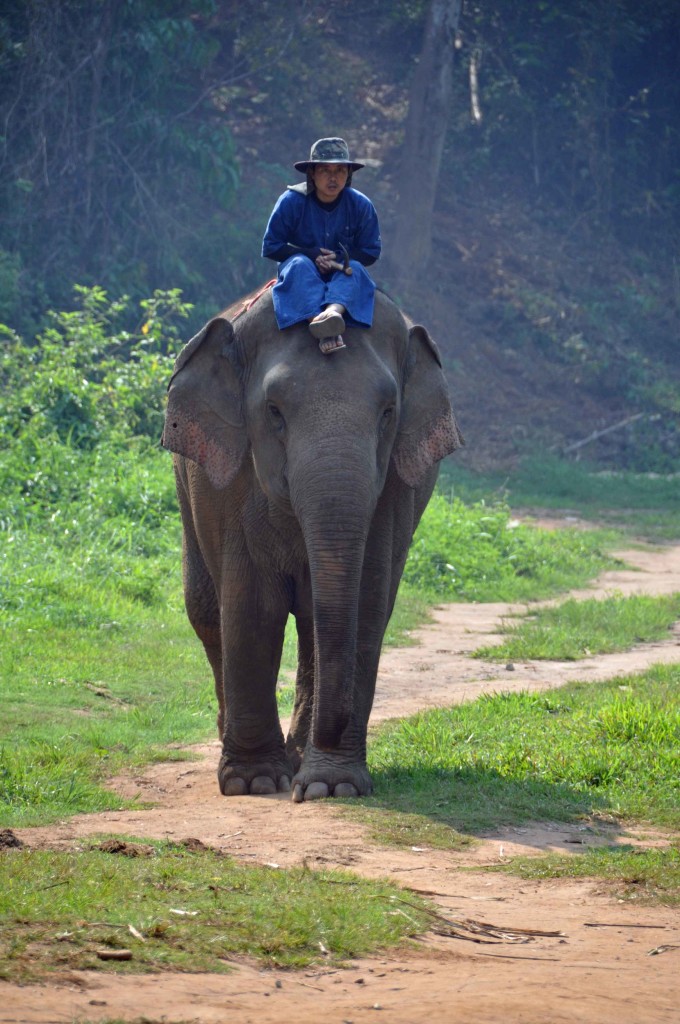
If we’re sticking with animals, there’s definitely an elephant to be found somewhere in Thailand.

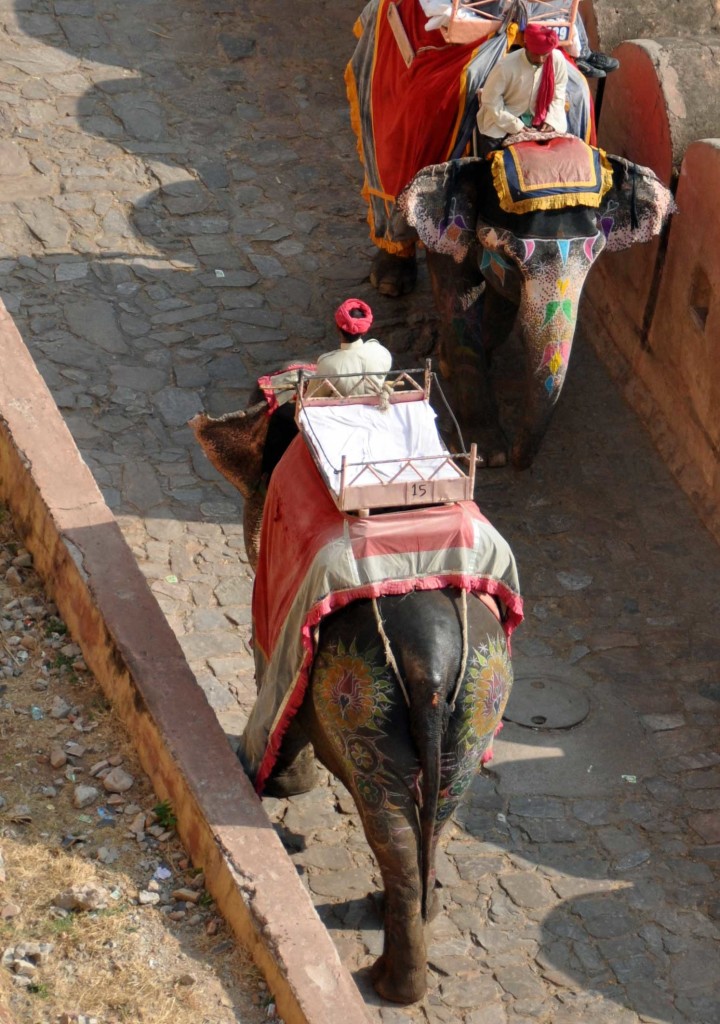
Or India

Elephants Amber Fort

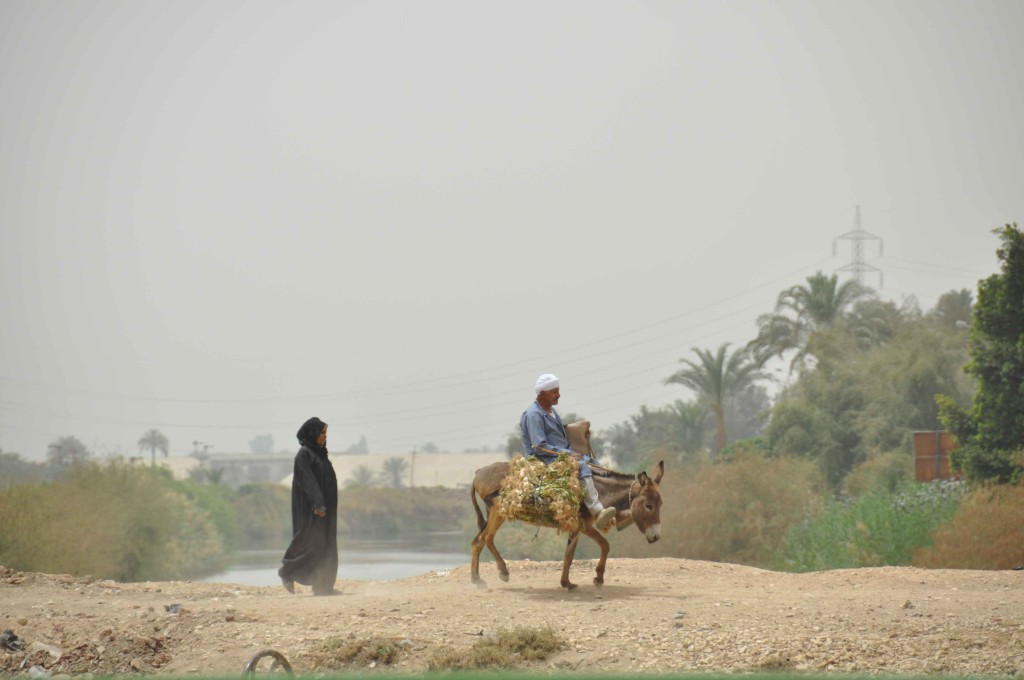
And a donkey or two in Egypt reinforcing the stereotypes.

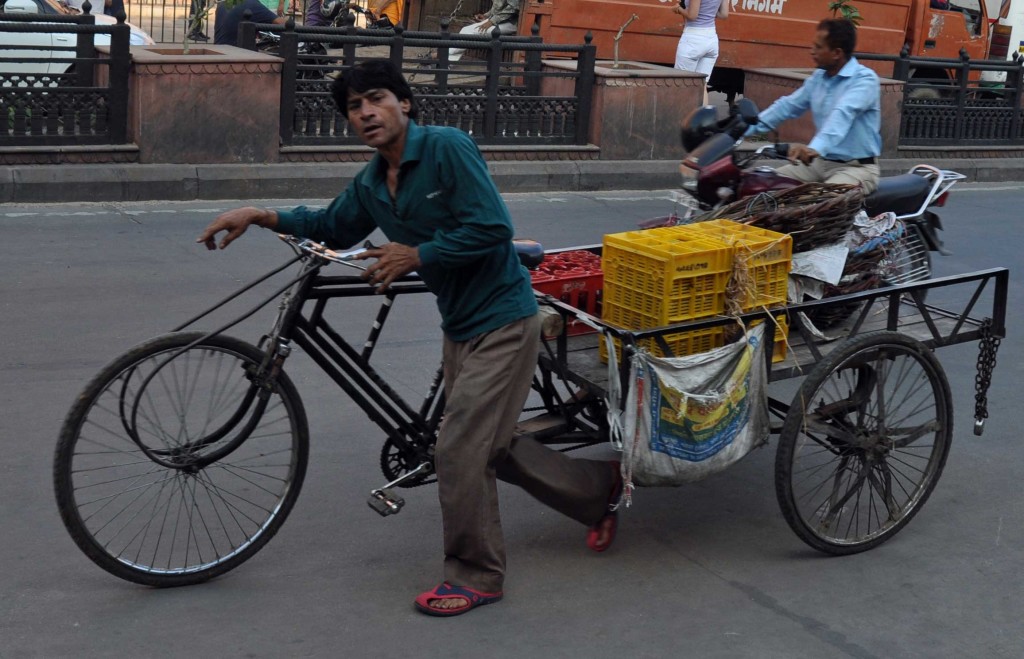
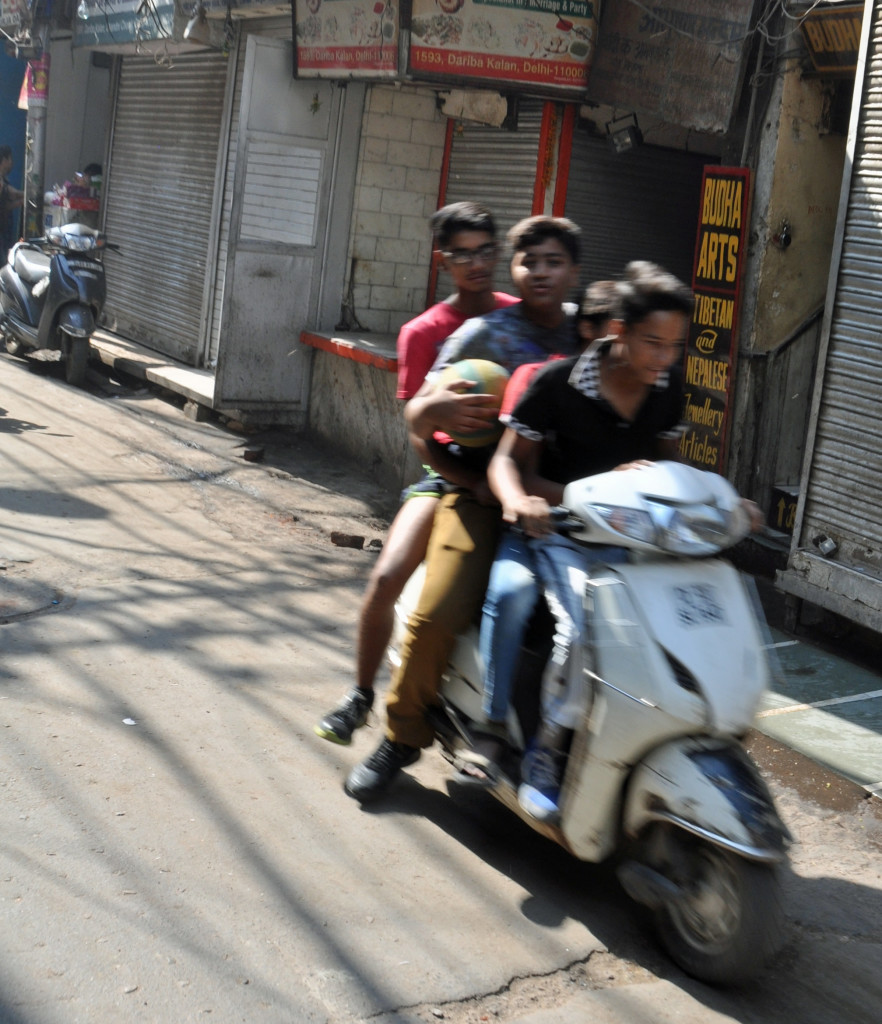
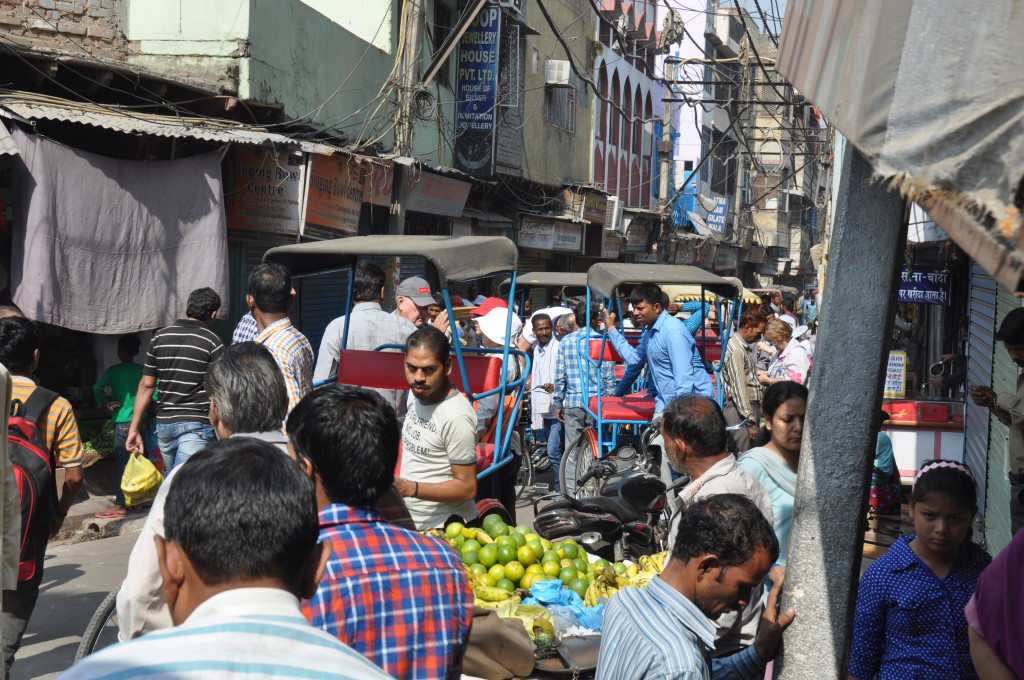
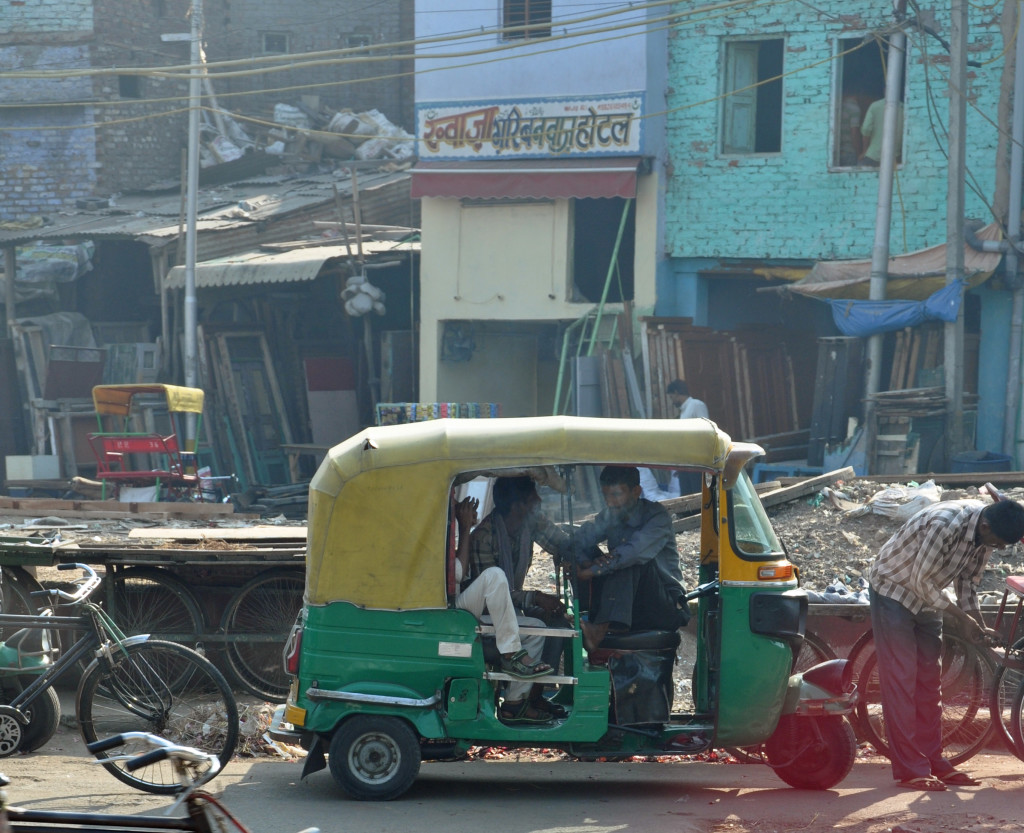
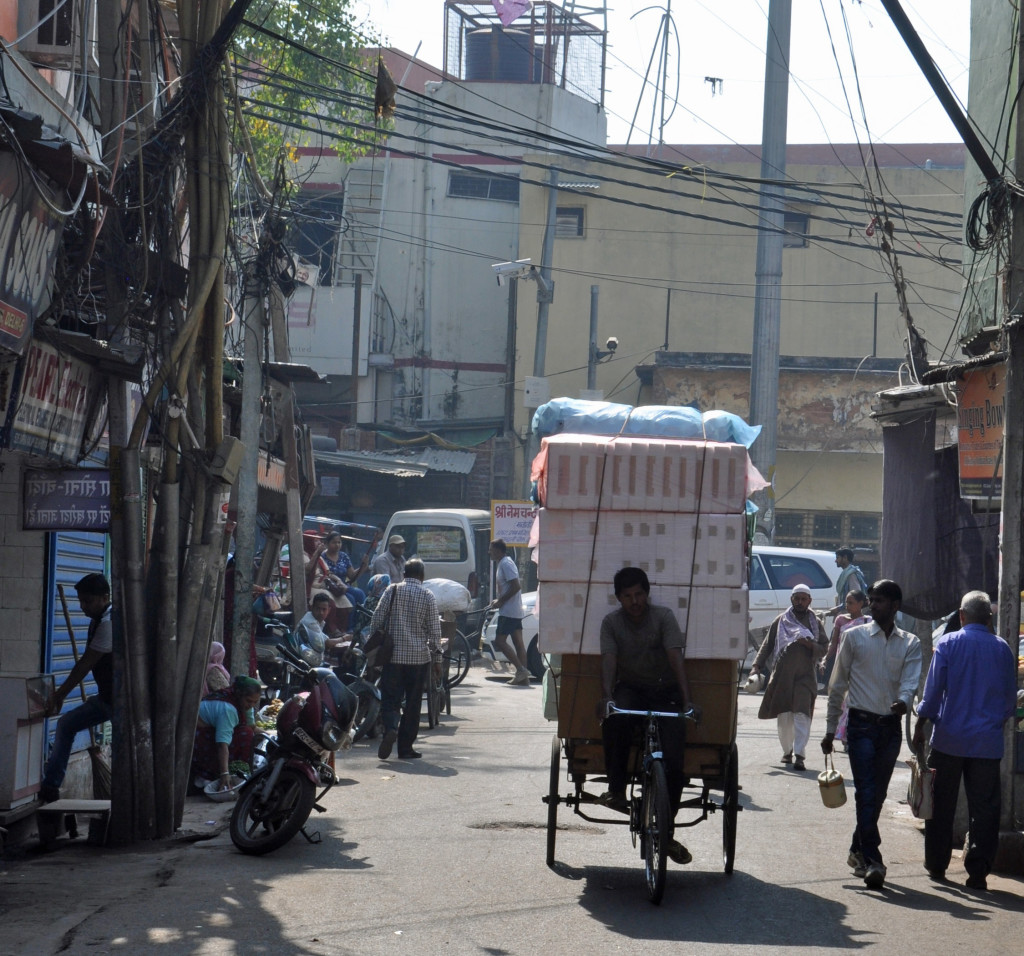
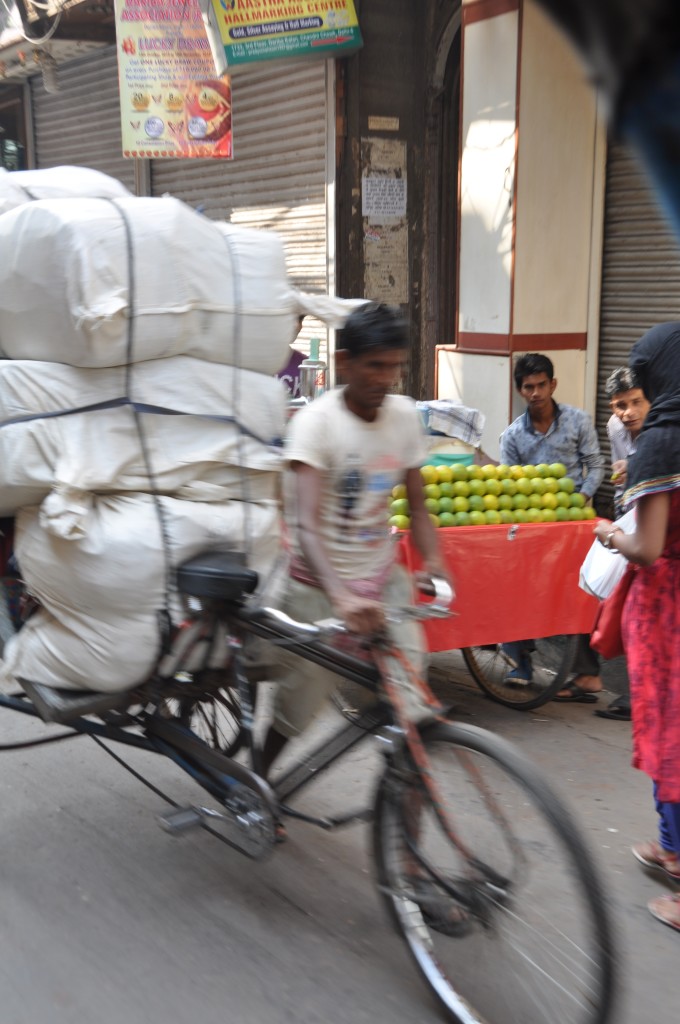
What about road travel, not so picturesque but definitely a memory worth a photo or two in India.

Traffic, Jaipur
Delhi Boy Racers
Chandni Chowk Delhi
Delhi traffic
Chandi Chowk Delhi
Delhi roads

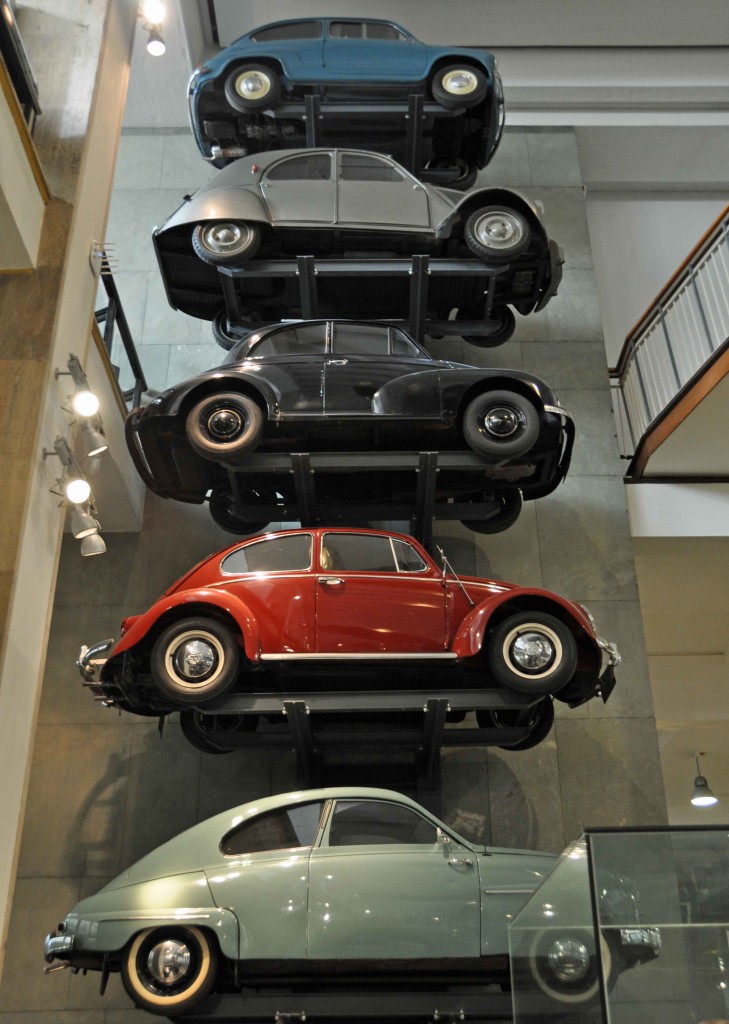
And then of course there are the science museum’s relics. Do they count?

Space Pod, Science Museum
Cars Science Museum
Airplance, Science Museum

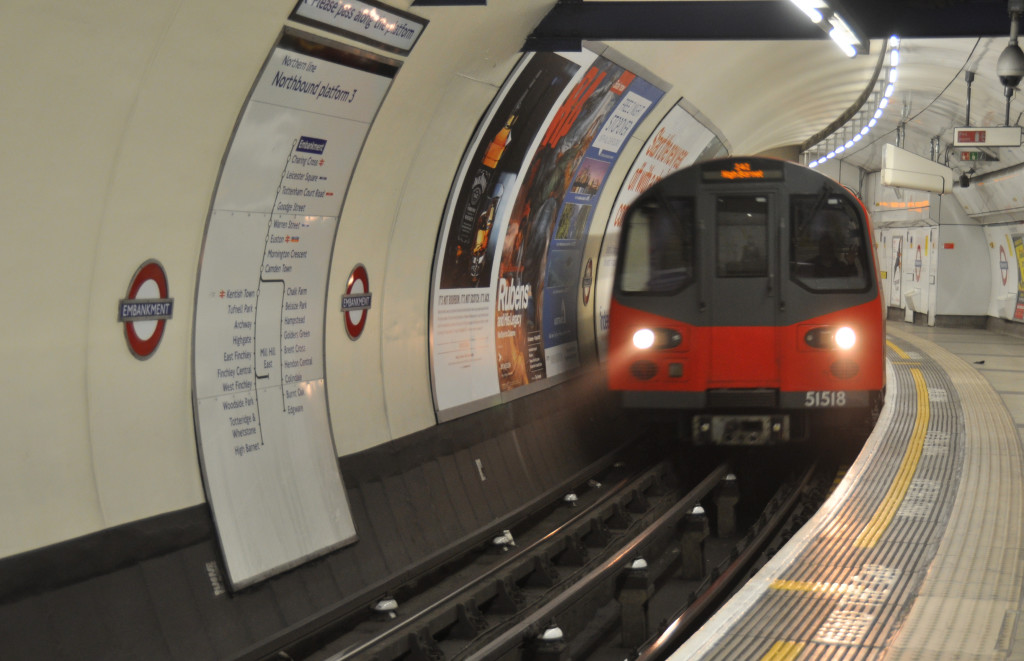
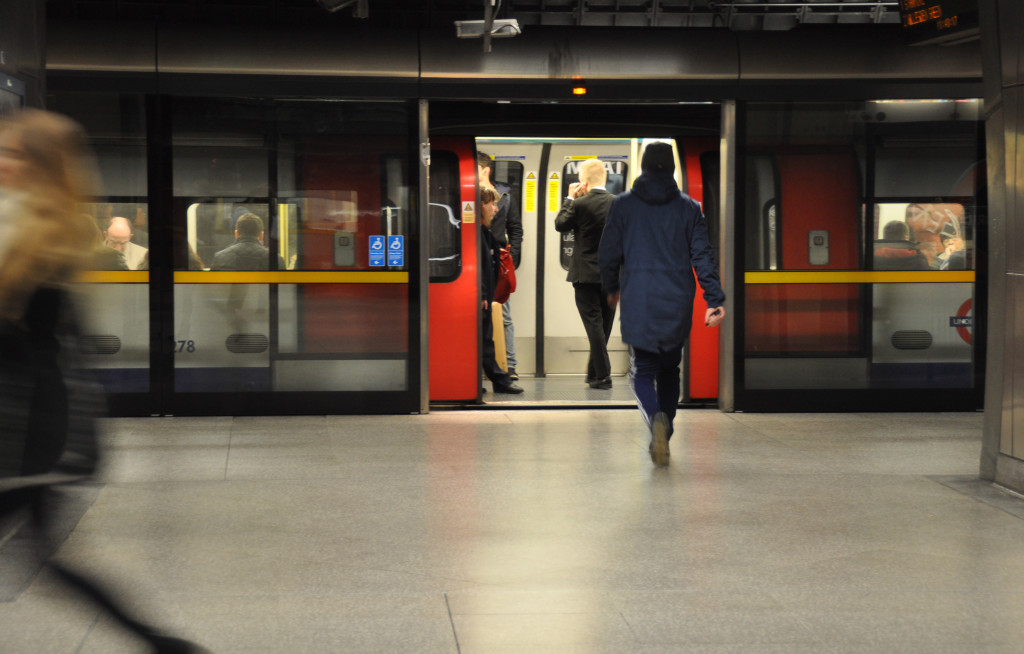
And then there is public transport in the form of tube trains

Northern Line
Northern Line
Embankment

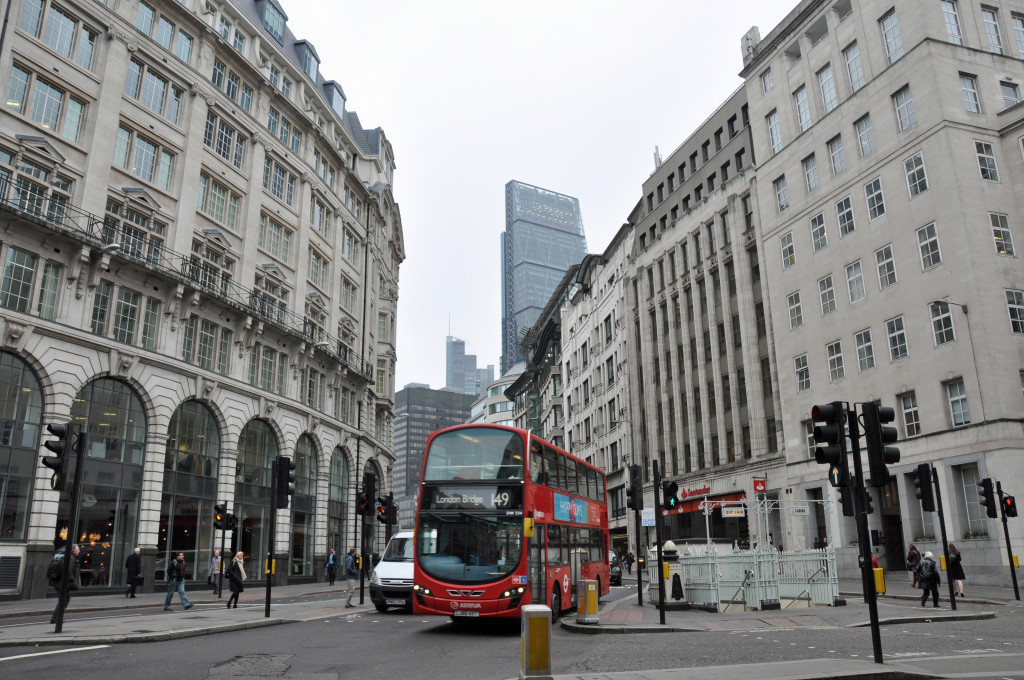
And big red buses.

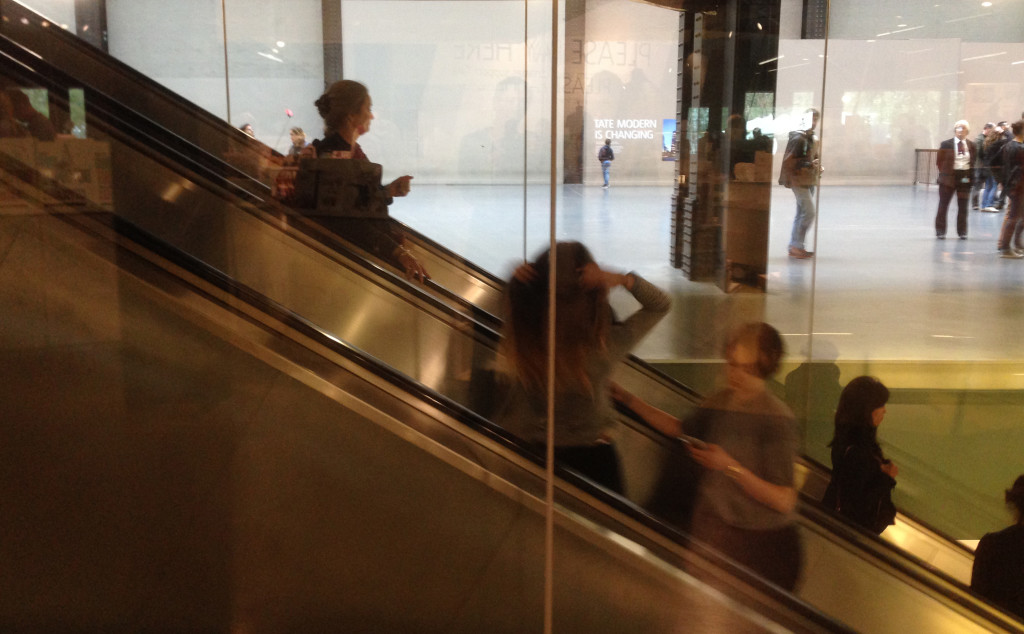
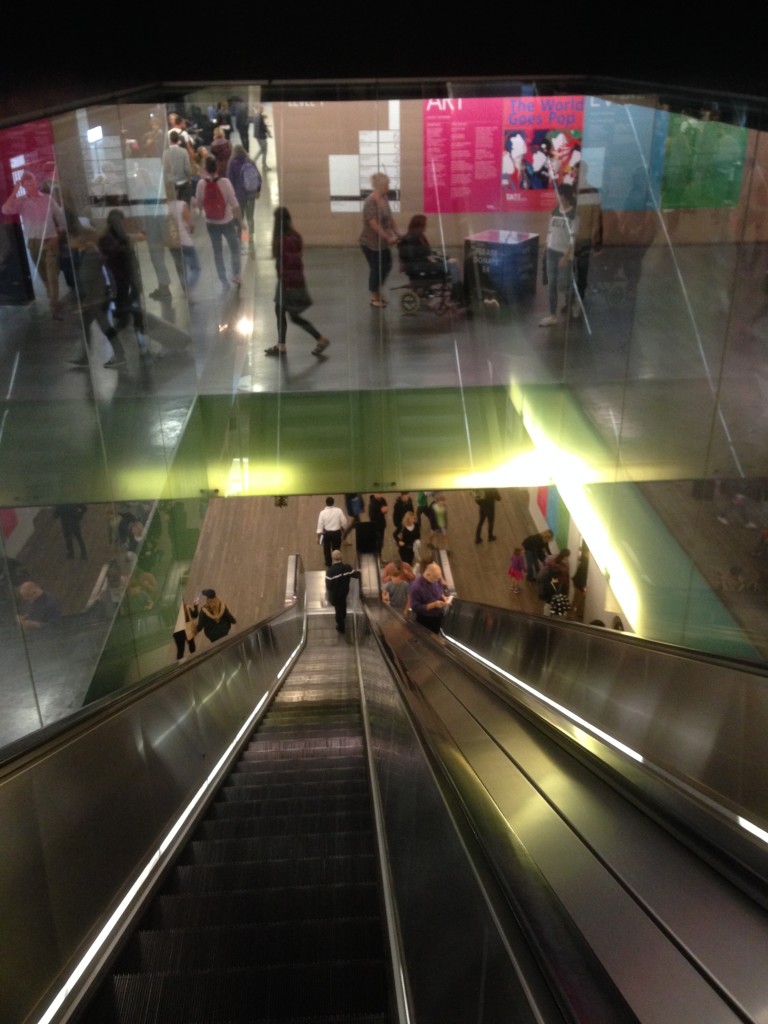
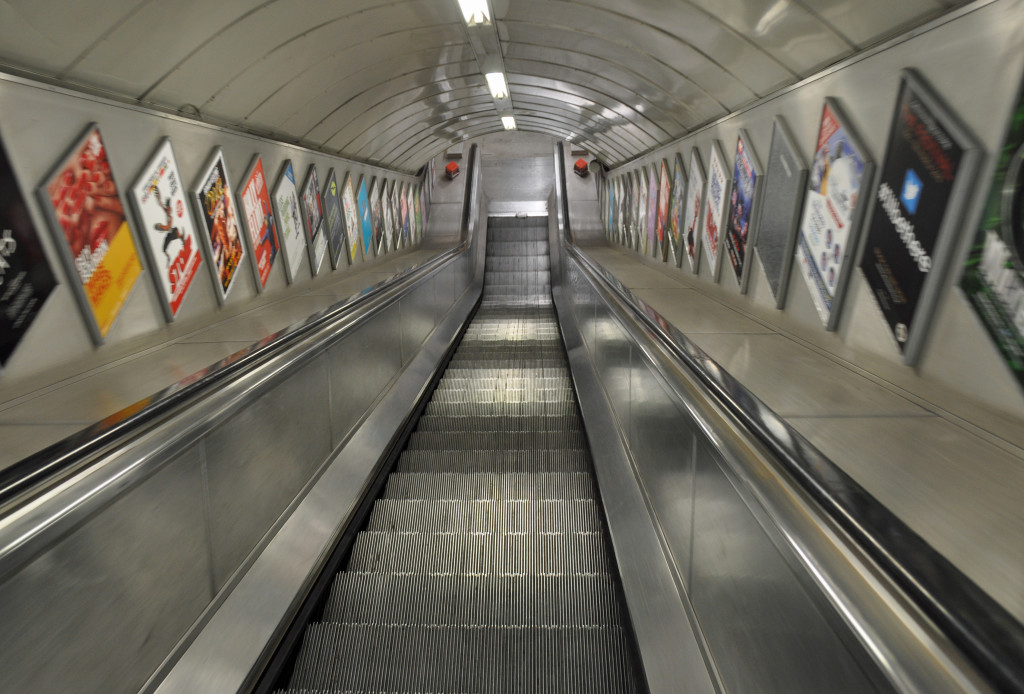
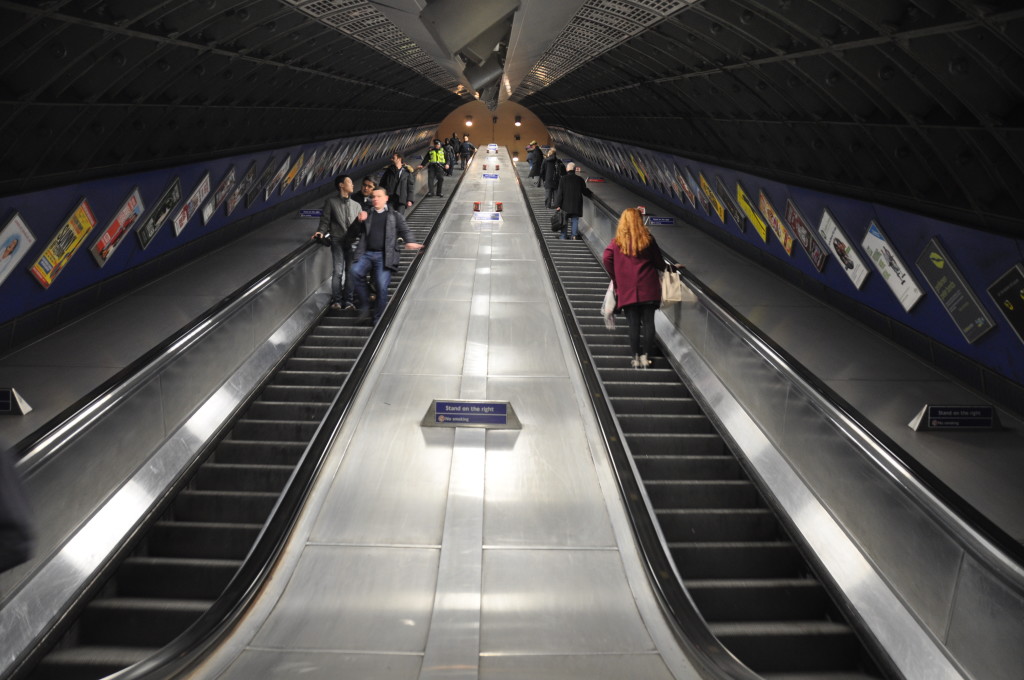
Surely transport by foot has to be something. What about stairs and escalators?

Tate Modern
Tate Modern
Escalator Embankment Tube

Somerset House

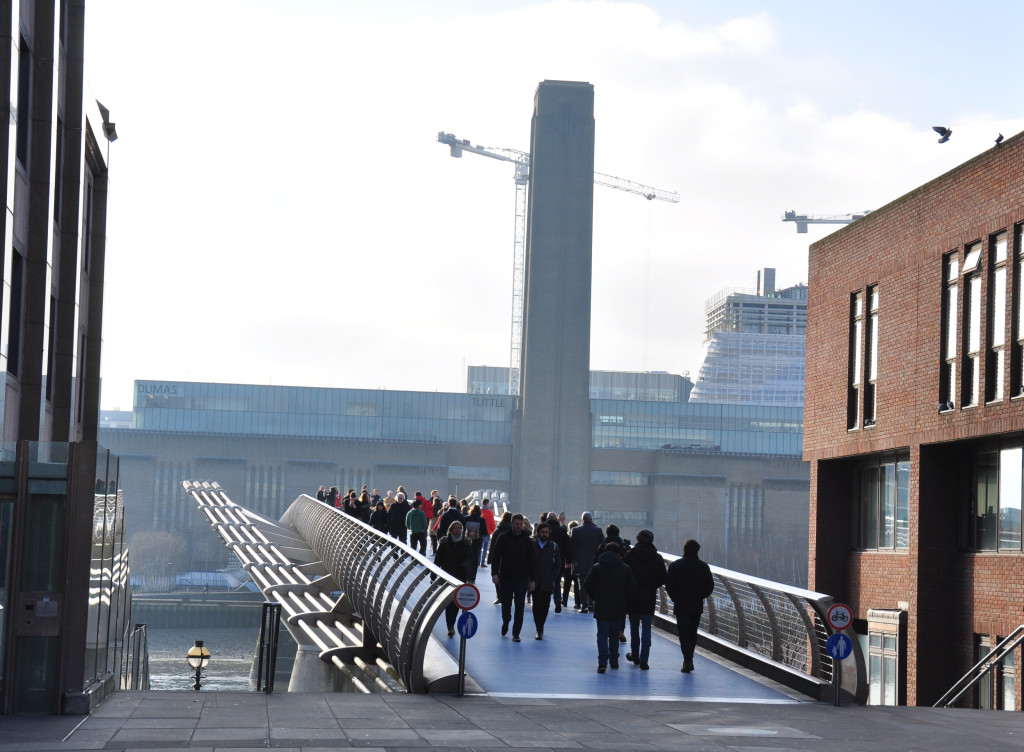
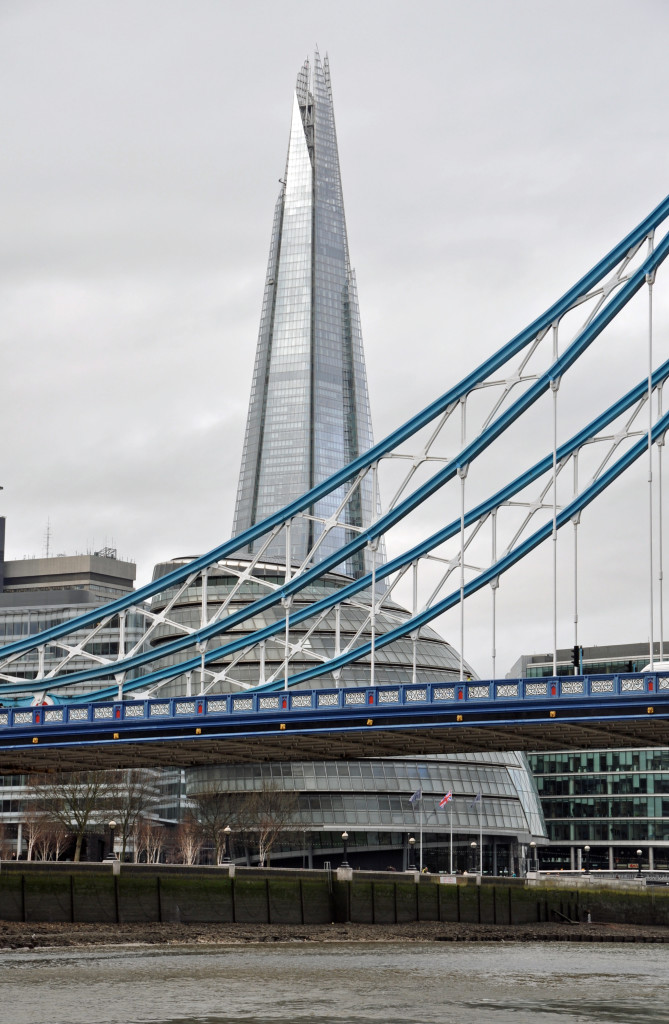
And many many bridges going from here to there.

Tate Modern from St Pauls
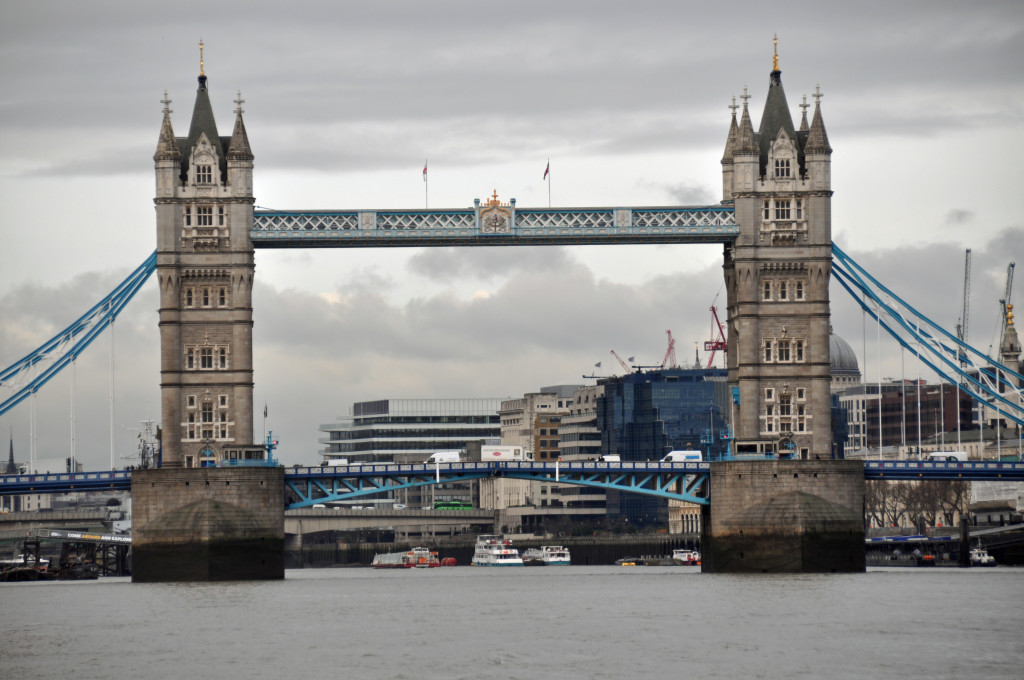
Shard through Tower Bridge
Tower Bridge
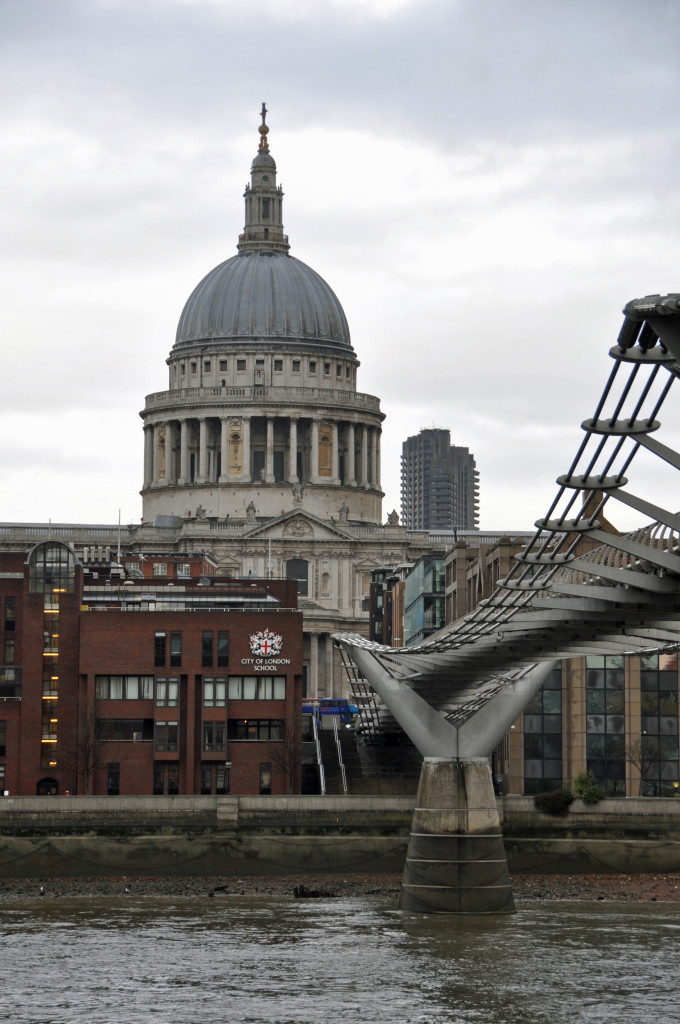
St Pauls from the Thames
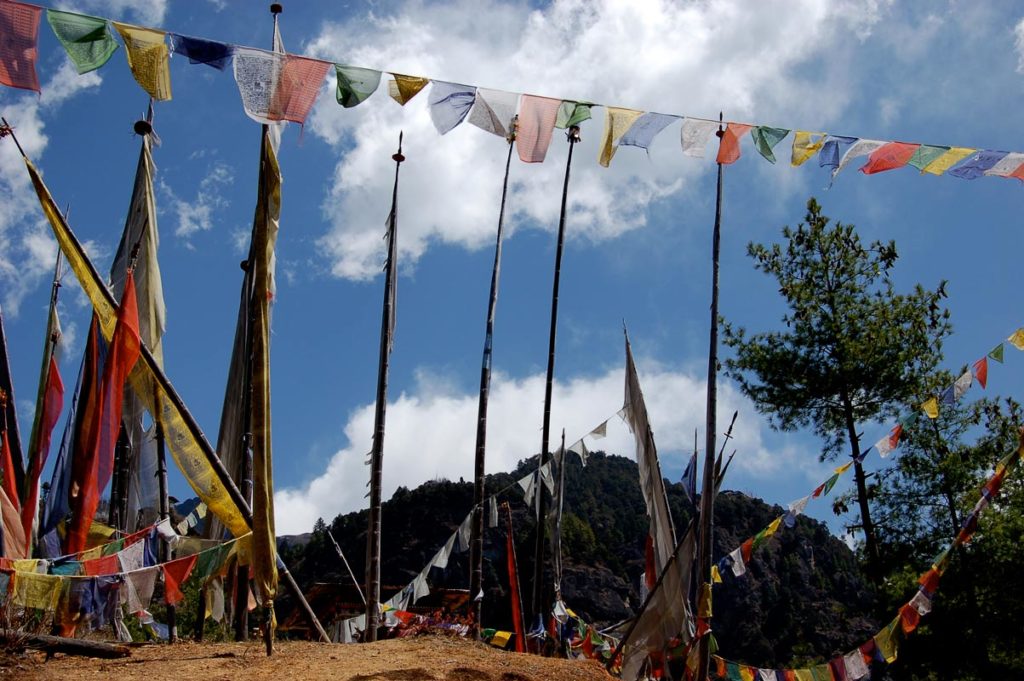
Bhutan Prayer Flags

There is a surprising lack of planes for a family that has travelled so much in them.

Clayoquot,
Vancouver Island Canada

And a not very surprising lack of pictures of us walking anywhere at all.

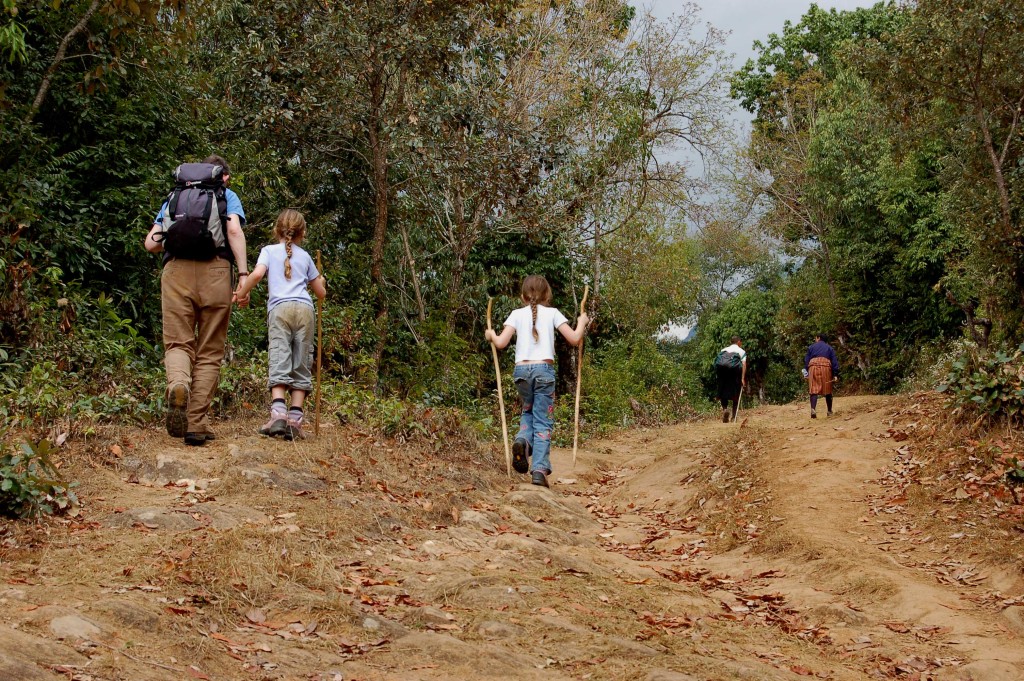
Gentle Stroll, Bhutan

For Goodness Sake

Another day and another terrorist attack, this time some guys in a hired van driving through crowds then picking up knives to go for a rampage. 7 dead according to the latest news.

And the thing that really winds me up (and millions of Brits posting on twitter) is the shameless tweeting of the American president, posting and mis-quoting our mayor Sadiq Khan yet again. WTF.

What is his problem? Does he really think that the situation would have been better if those guys had access to semi-automatic guns rather than carving knives? Is he a total nut job? Does he think it is right or reasonable to try to make political gain from peoples dead relatives?

Why did the American newspapers feel a need to describe the UK as “reeling” (thank you NYT) when we’re basically getting on with the show?

To be lectured on violent crime by Americans is just gob-smackingly unreasonable. In the 3 months to March 2017, 6,000 Americans died as a result of gun crime. In the 12 months to March 2017, around 500 Brits died from any crime, including terrorism. Our streets are significantly safer than most. Maybe Americans should consider relocating over here to improve their life expectancy?

To be told we need to arm up our police force when their excellent response meant the whole incident was over almost before it began is just ridiculous. We have no appetite for routinely armed police. No appetite for the kind of routine shooting of civilians by the police that seems to happen in the States. It’s bad enough that the BAME community is stopped and searched disproportionately; no one wants to add guns into the mix.

To be told that we need to close our borders when inevitably the guys involved will turn out to be home-grown British boys disaffected and cut-off from their families and communities just beggars belief.

There is no other way to say this: Donald Trump is a twat, a dick of the first order and by that I mean small and mean-minded.

Too Late

I’m committed. It’s too late to change my mind. The flower bed will have to be extended, dug out some time in August ready for planting.

I’ve ordered the iris for a new bed, germanica yosemite star.

It’s said to be strongly remontant, which I take to mean will give me a second flush of flowers in late summer providing I remember to cut back the first flush of flowers in May/June.

The new bed will be roughly 5m by 1.5 m and the iris need 45cm to spread. Apparently they hate being crowded so I’ll plant a row at the front (10 bare root plants) plus a second sparse row offset (4-5 plants) to give plenty of space to grow and spread. If they like the space, they should spread happily. If not it will be a waste of time and effort.
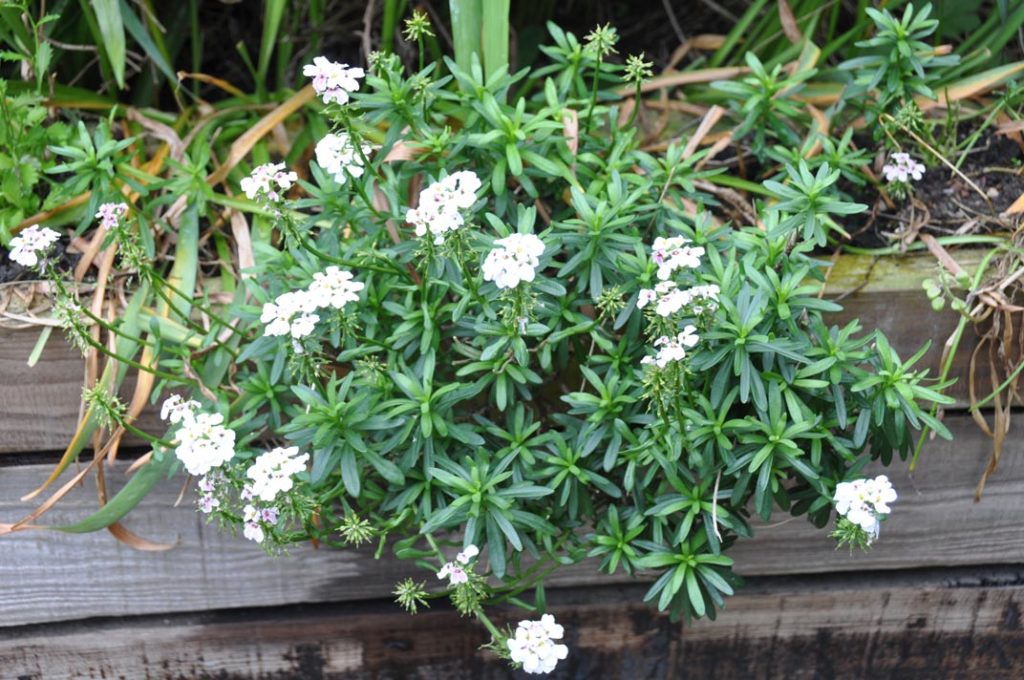
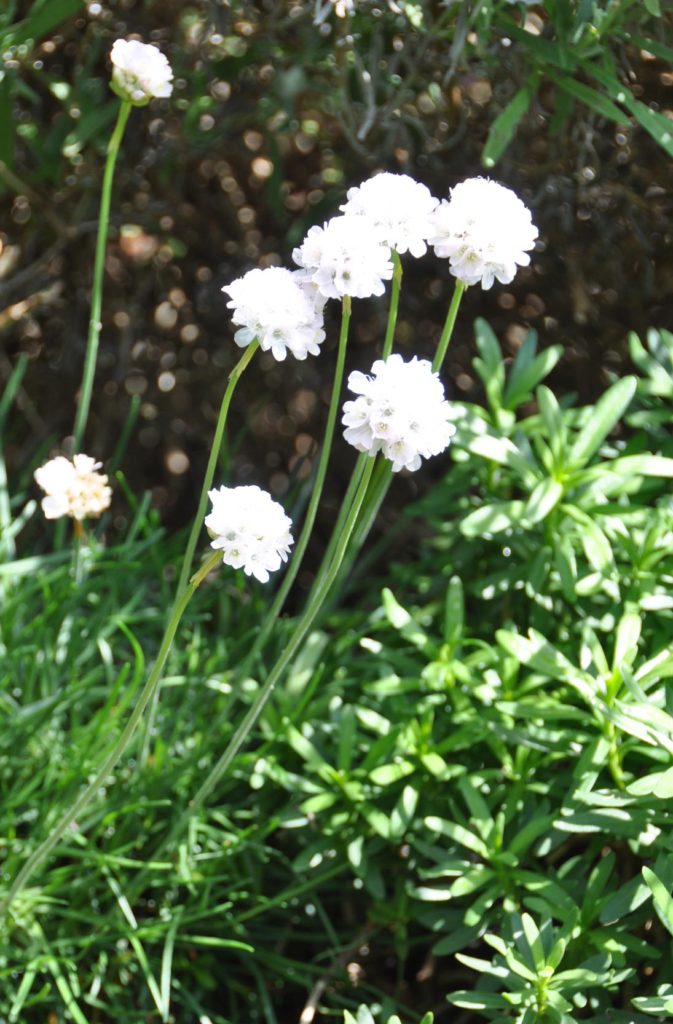
Ho hum – gardening.

The mathematical amongst you will have worked out that with two rows and a spread of 45cm, I will still have space in the bed backing onto the fritelaria and alliums.

I considered peony plants but they seem to take an awful lot of space for a very beautiful but very transient flower. I’ve decided on more roses, a white David Austin called Susan Williams.

According to the catalogue it flowers repeatedly, is strong and disease resistant with an excellent scent. Given the background of green and brown wooden sleepers, the white should stand out better than a pink or darker colour. It’s a bit tasteful but you can’t have everything. Maybe I’m mellowing out of the vulgar in my old age. I’ve ordered 6 bare root plants that will have to be dug in late in the year.

The roses will need mulching whilst the iris will have to be kept clear – they like the sun on their bare bones.

Next stop the on-line hire shop for a suitable digger. The sun is shining and all is well with the world.


Populism

Populism works. It works as a method of gaining and sometimes holding power.

The recipe is universal. Find a wound common to many, someone to blame for it and a good story to tell. Mix it all together. Tell the wounded you know how they feel. That you found the bad guys. Label them: the minorities, the politicians, the businessmen, the media. Cartoon them. As vermin, evil masterminds, flavourless bureaucrats, you name it. Then paint yourself as the saviour. Capture their imagination. Forget about policies and plans, just enrapture them with a good story. One that starts in anger and ends in vengeance. A vengeance they can participate in.
That’s how it becomes a movement. There’s something soothing in all that anger. Though full of hatred, it promises redemption. Populism can’t cure your suffering, but it can do something almost as good—better in some ways: it can build a satisfying narrative around it. A fictionalized account of your misery. A promise to make sense of your hurt. It’s not your fault. It is them. It’s been them all along.

But if you want to be part of the solution, the road ahead is clear: Recognize you’re the enemy they need; show concern, not contempt, for the wounds of those that brought the populist to power;  be patient with democracy and struggle relentlessly to free yourself from the caricature the populists have drawn of you.

Travel

What does a good travel photo look like?

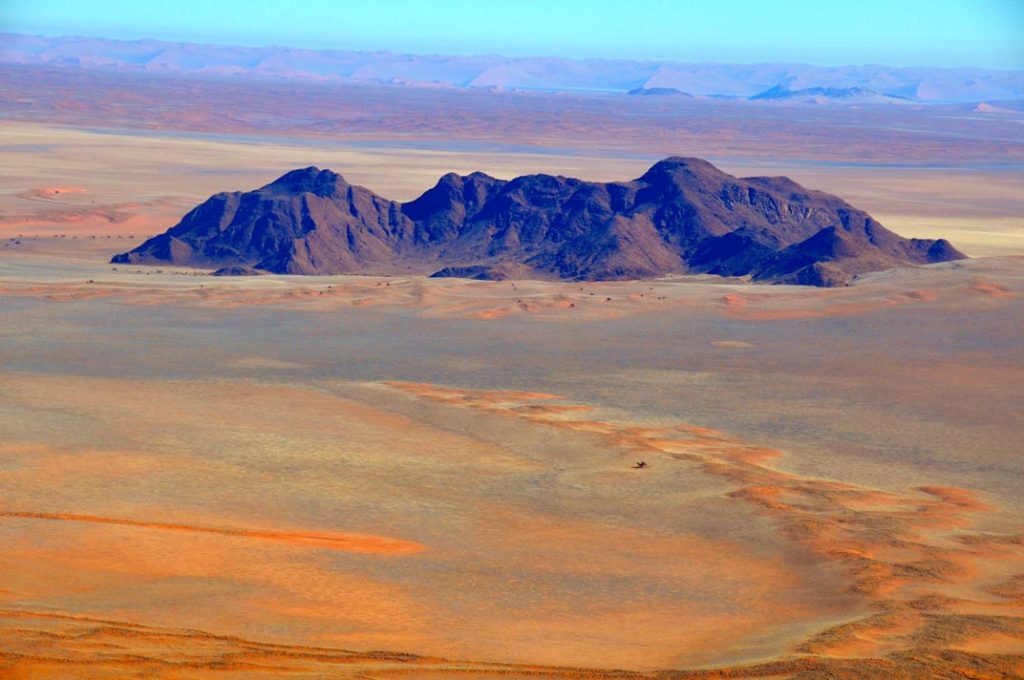
Big Sky Namibia
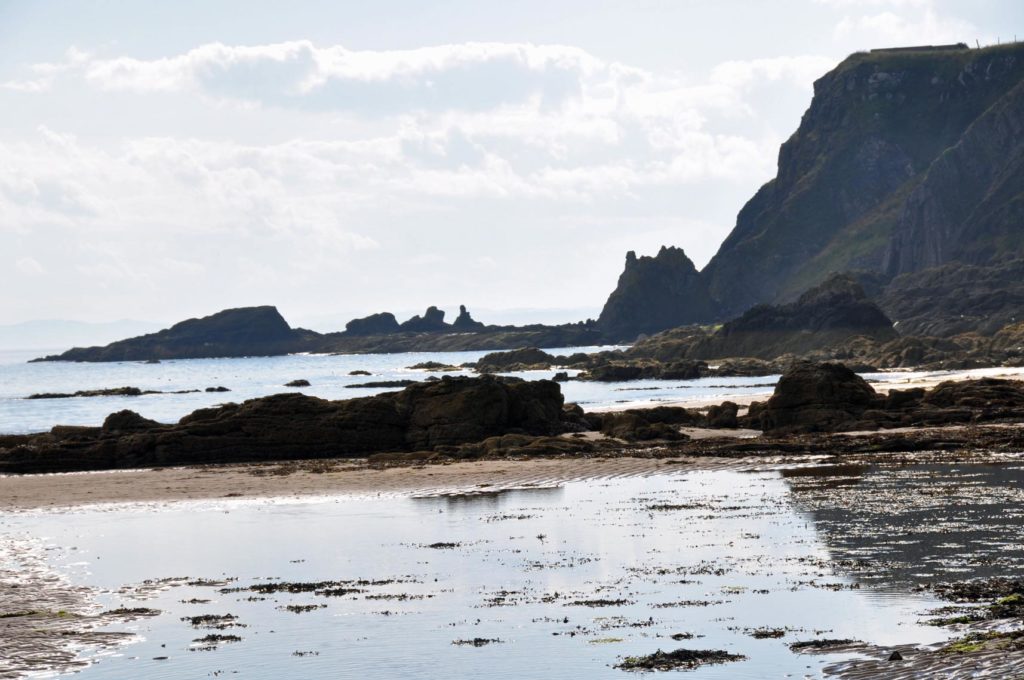
Ely Coast, Scotland
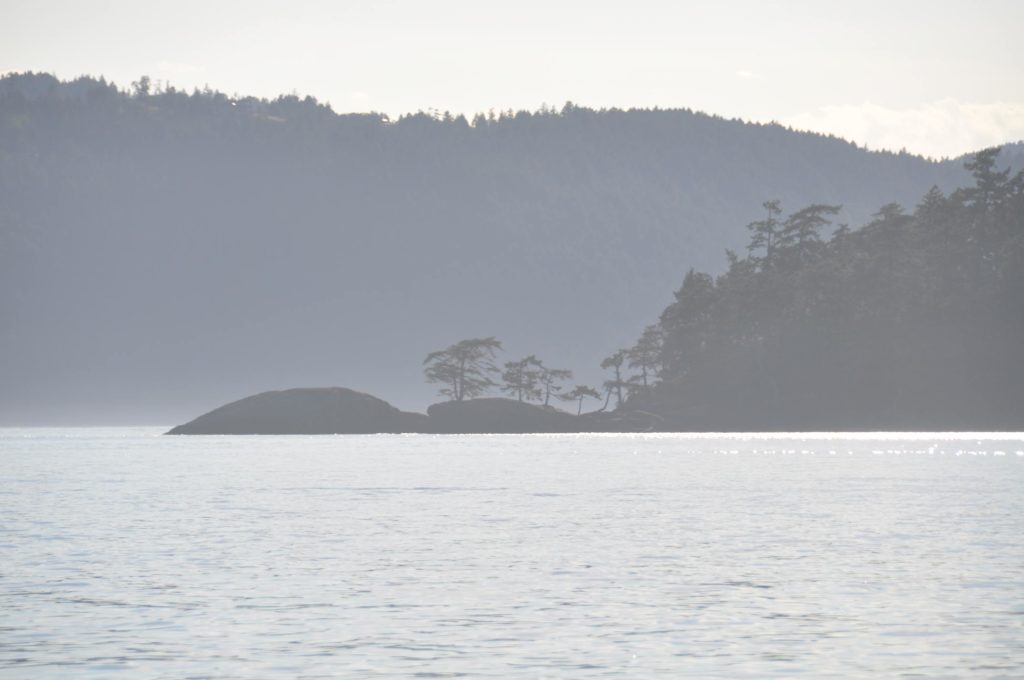
Crossing to Vancouver, Canada

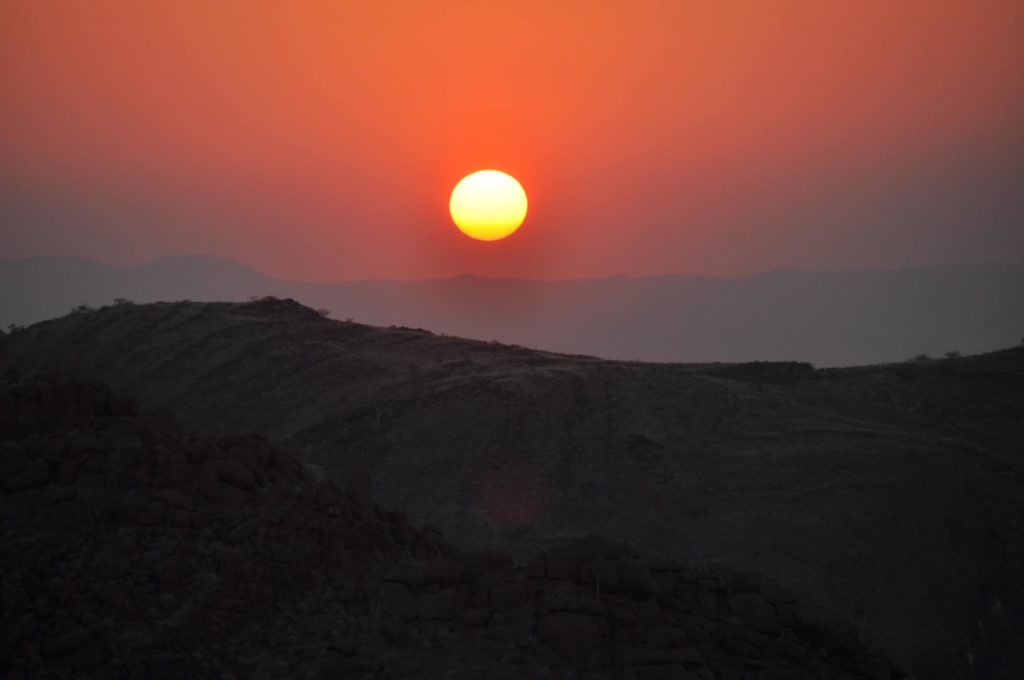
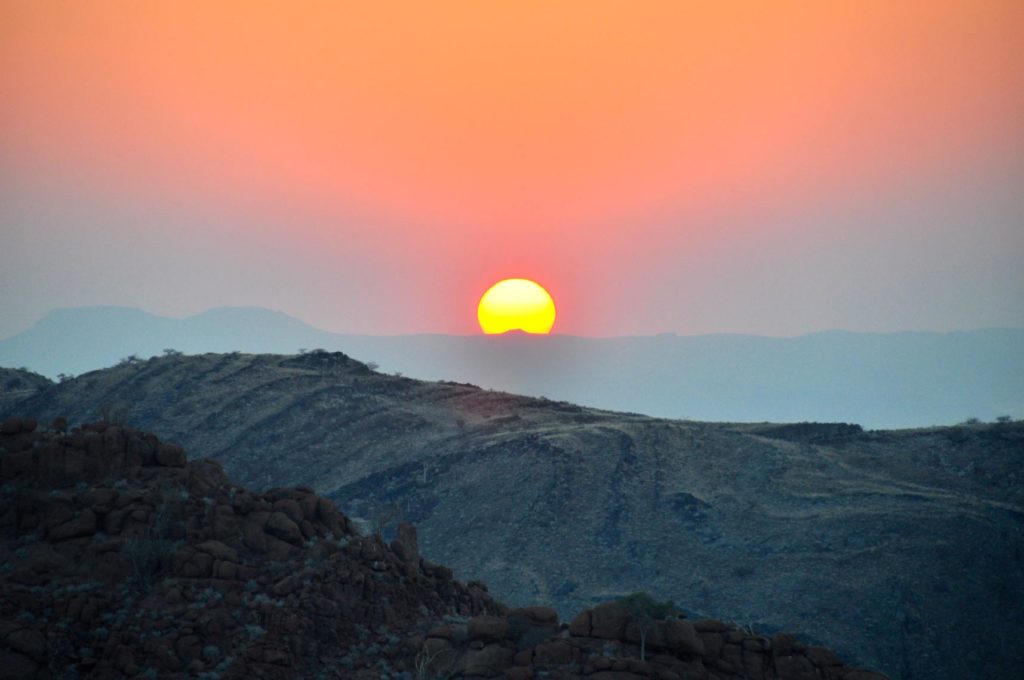
We can do sunsets, especially African easily enough.

African Sunset I
African Sunset II

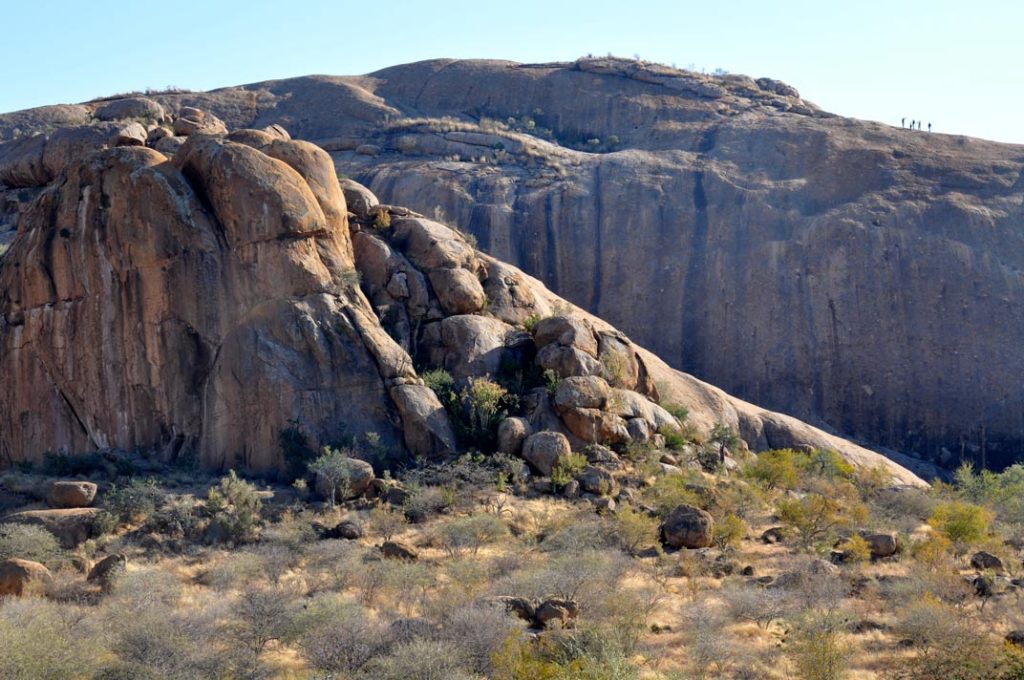
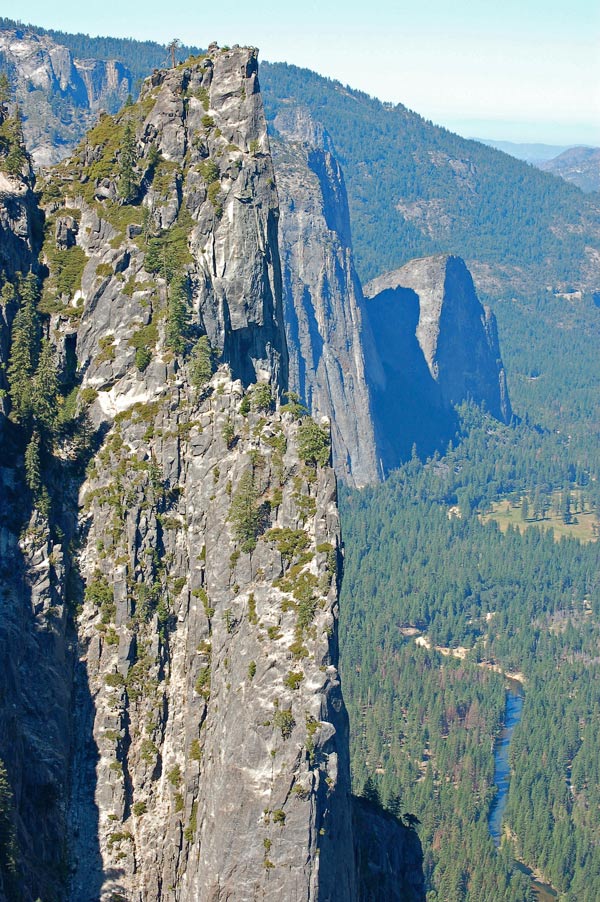
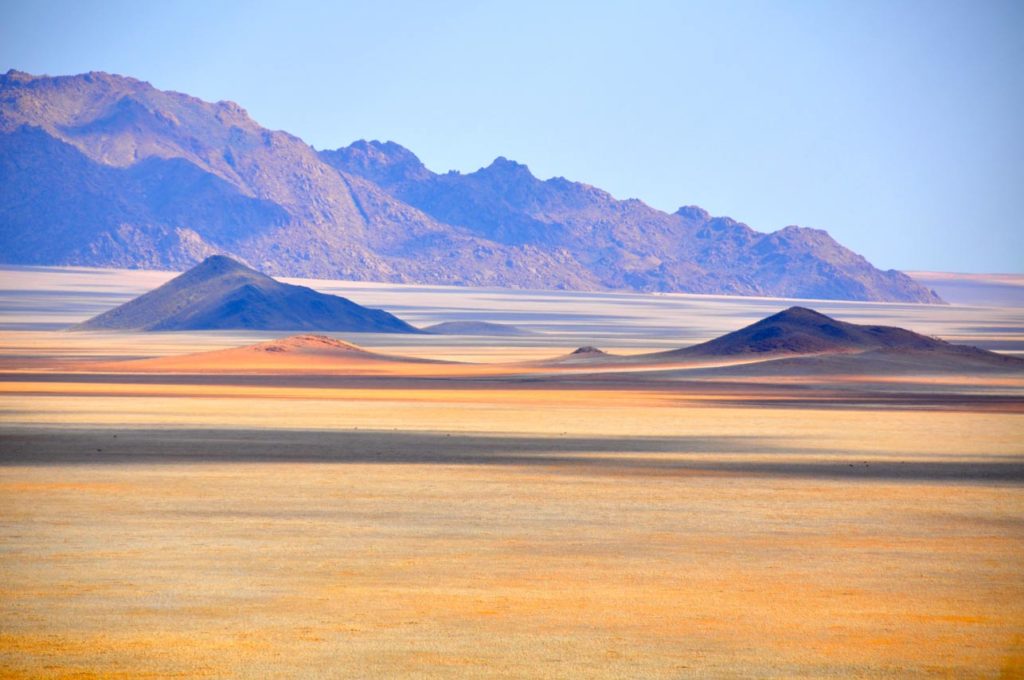
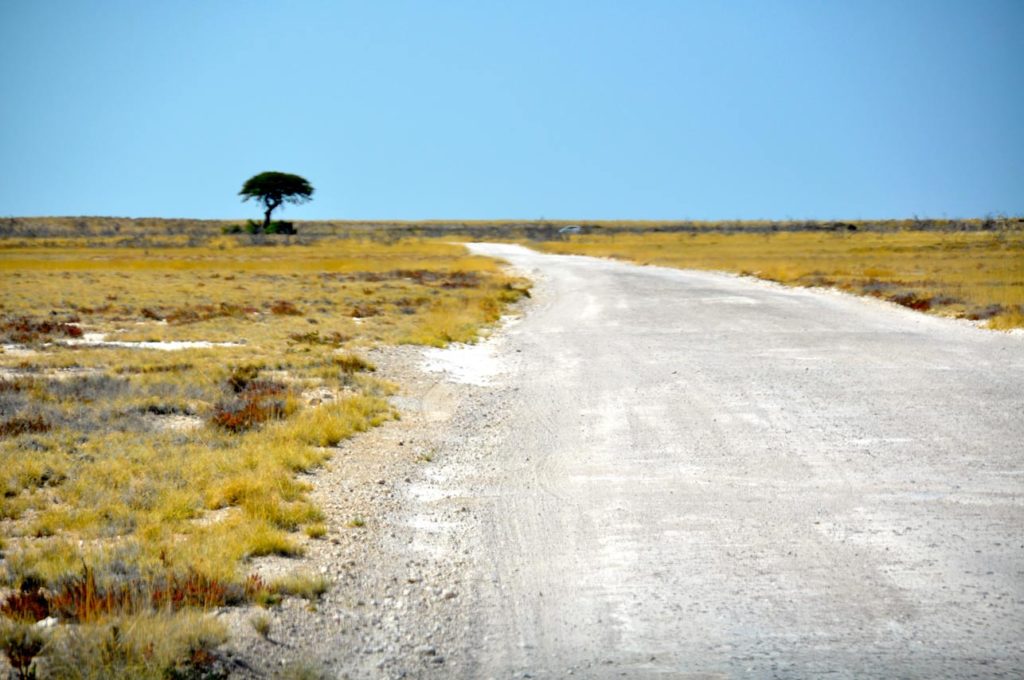
Is it all about the place, outstanding scenery maybe?

Namibia
Yosemite
Namibia Naukluft Namibia
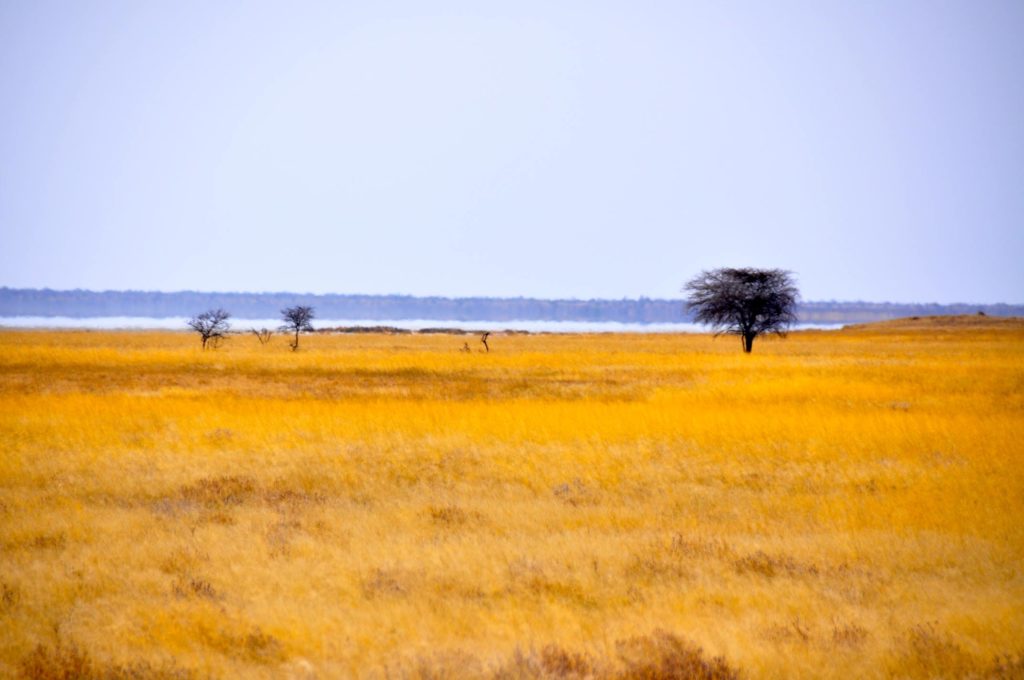
Etosha Namibia
Namibia Naukluft Namibia
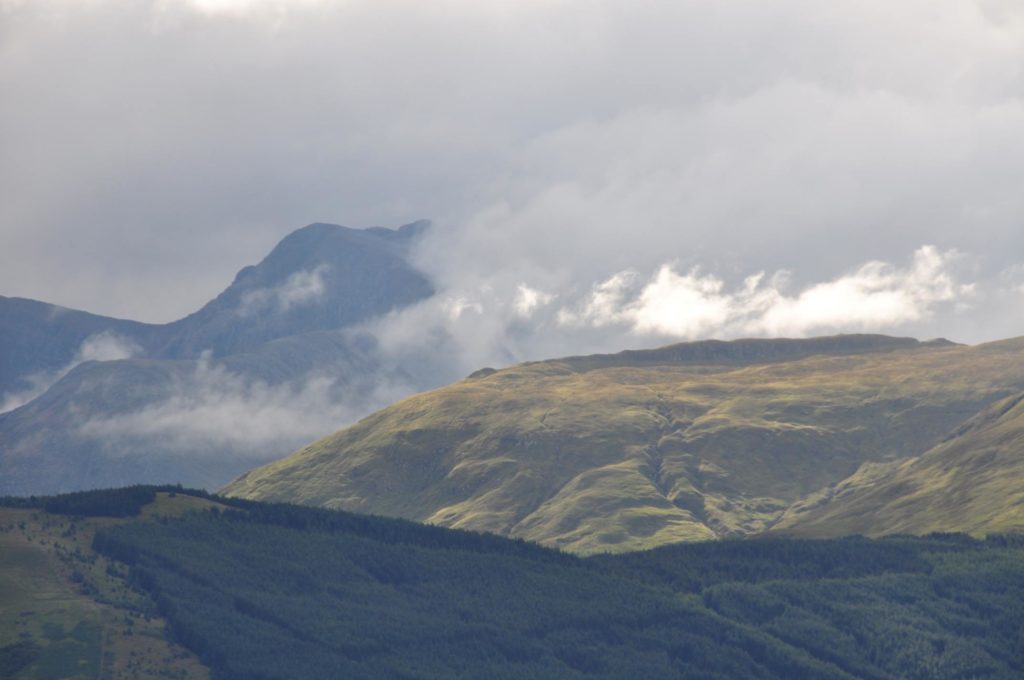
Highland, Scotland
Etosha Namibia

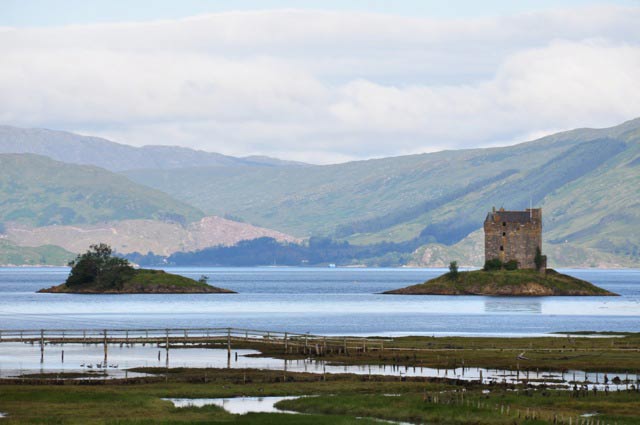
Or maybe it’s better if we stick a building into the picture somewhere

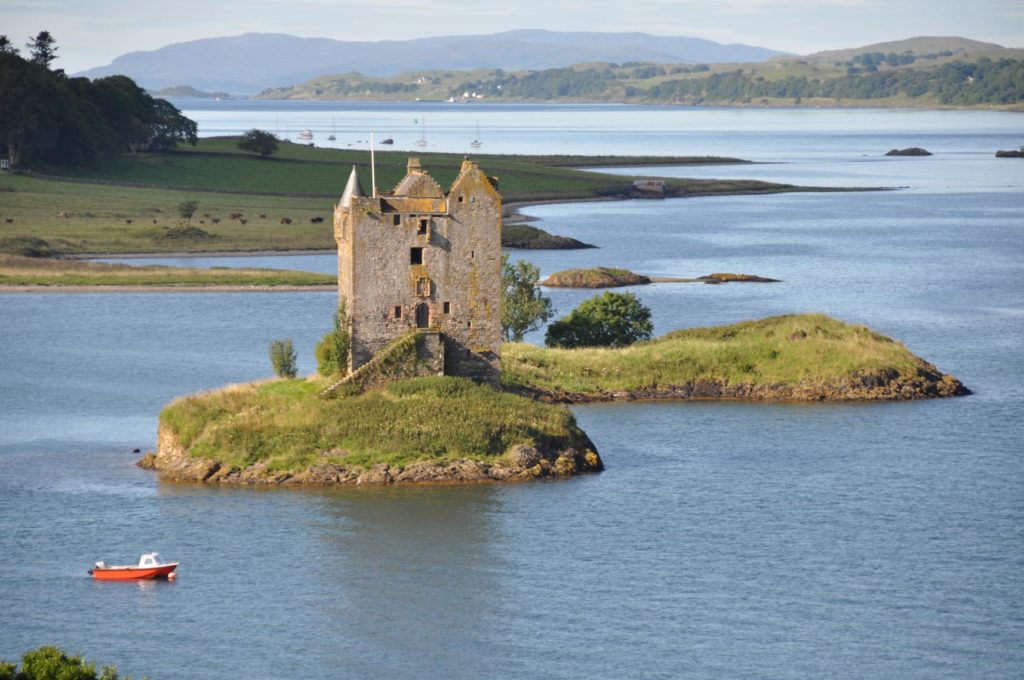
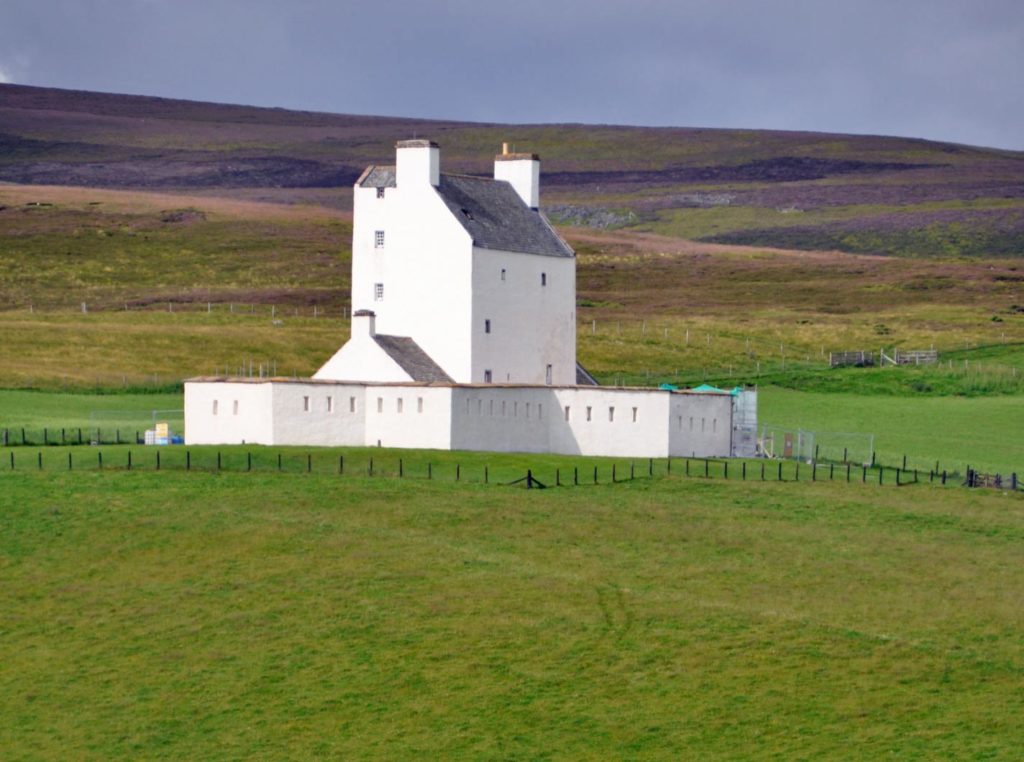
Highland castle
Highland castle, Scotland
Highlands castle
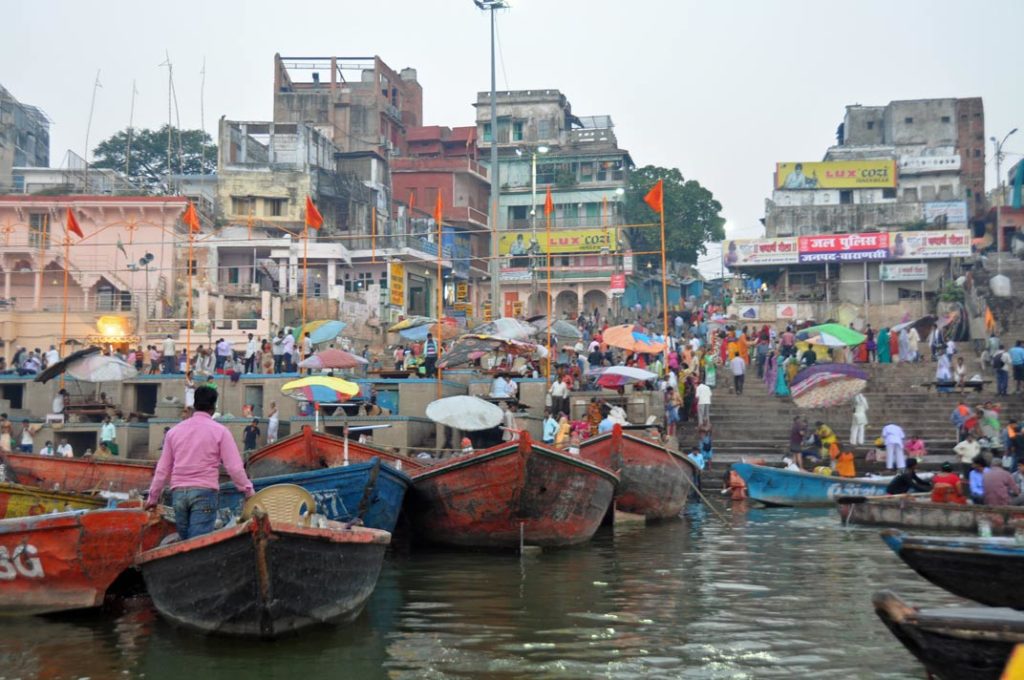
Varanasi boats
 Or maybe a boat or two.
Tonle Sap, Cambodia
Thimupu Bhutan
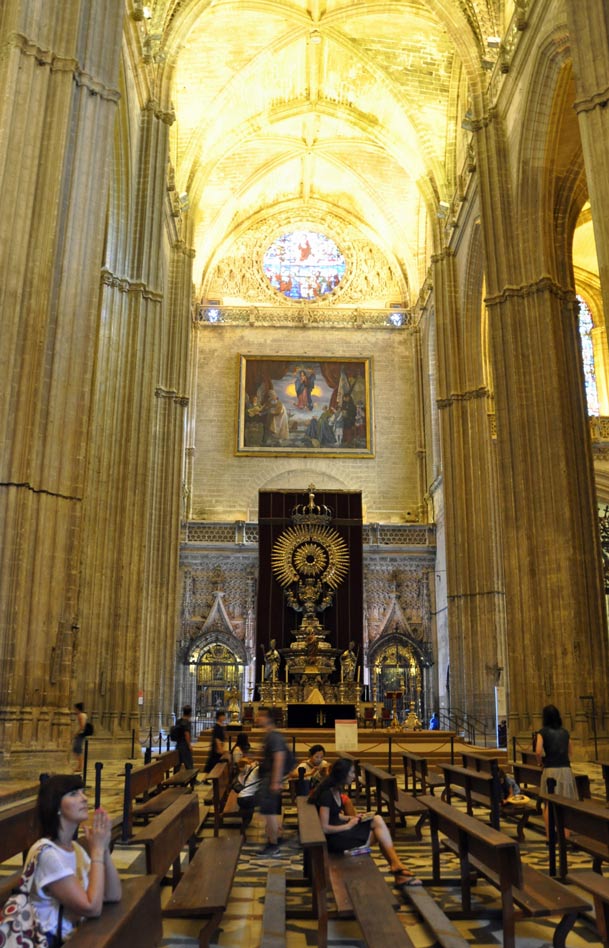
Seville cathedral

Does a picture of human intervention in a beautiful place, add or lose interest in the photo?

Mekong Houseboats, Laos
Bhutanese Prayer Flags

Maybe if it’s alien enough, the photo could just be the detail, the hint of a thing.

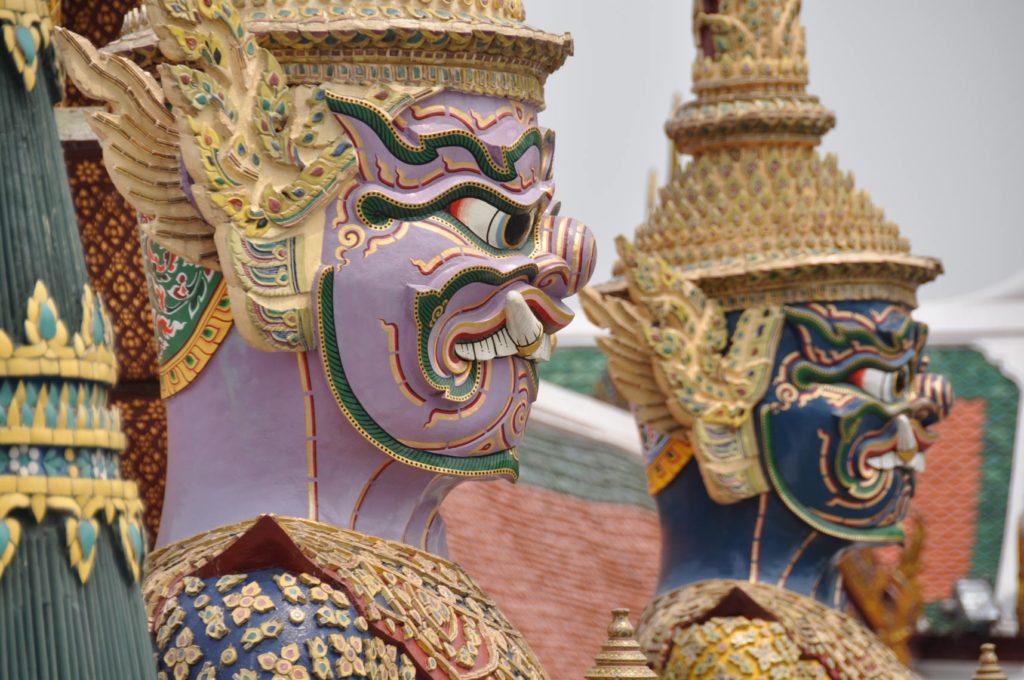
Bangkok Temple Detail
Bangkok Temple
Bangkok Temple Detail

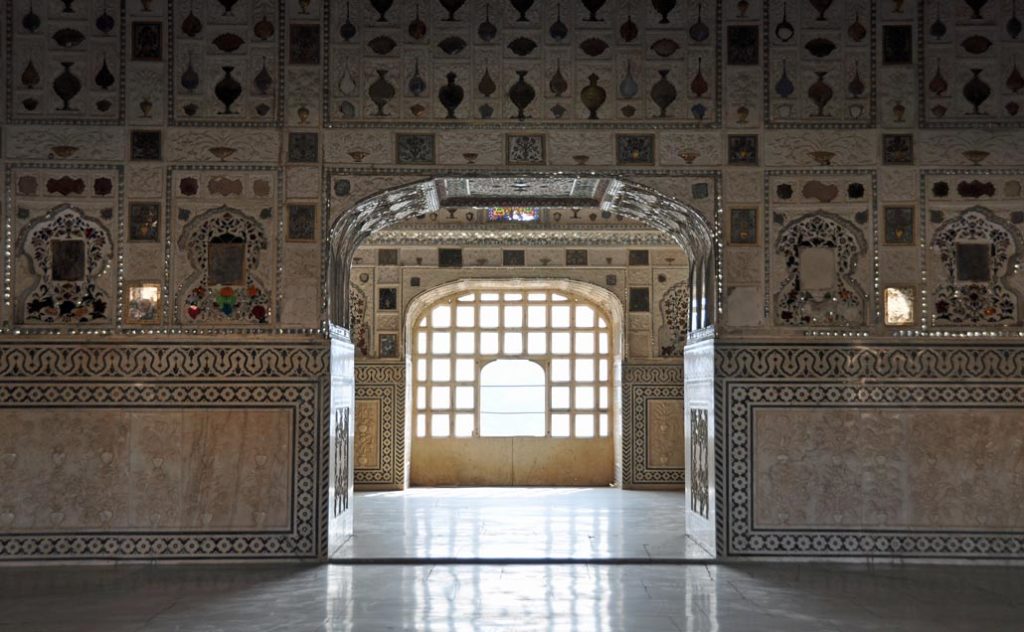
Delhi Detail
Mezquita, Cordoba
Alhambra Arches
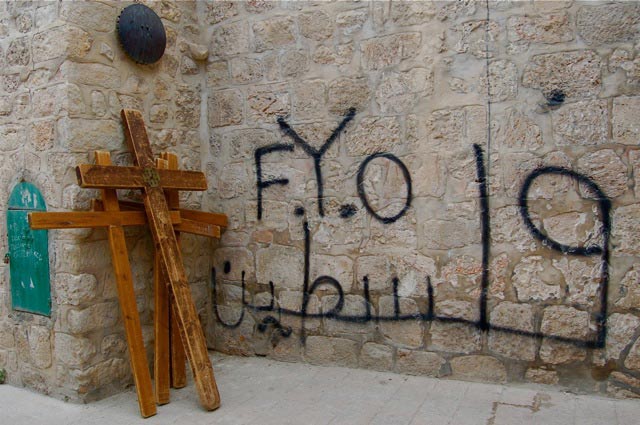
Jerusalem, Israel

Does a good travel need to be human, with people and children?

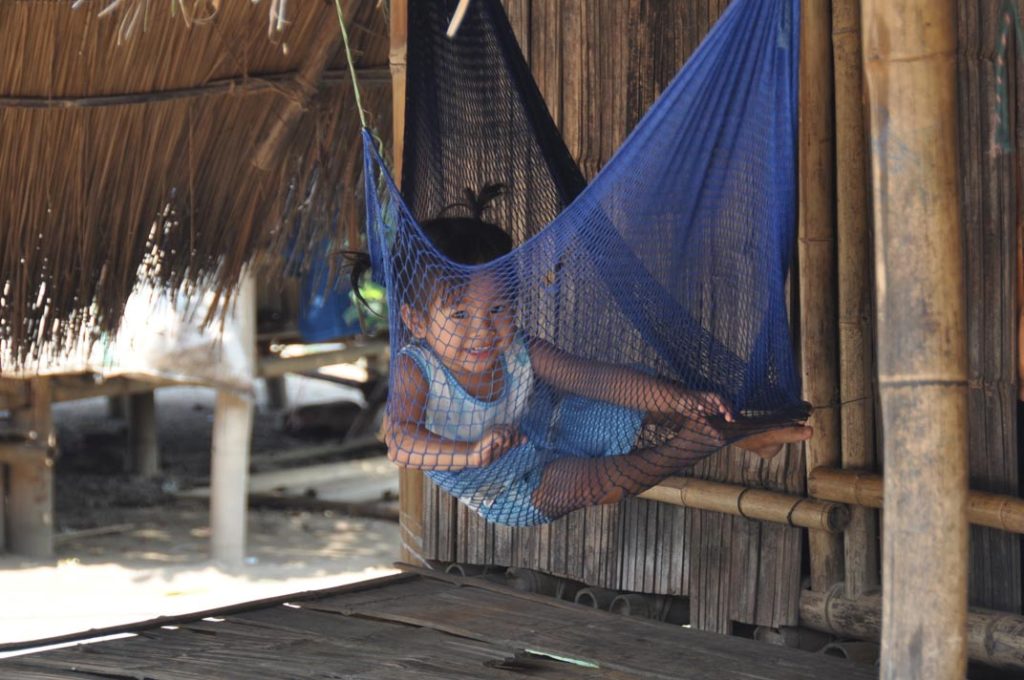
Chill, Thailand
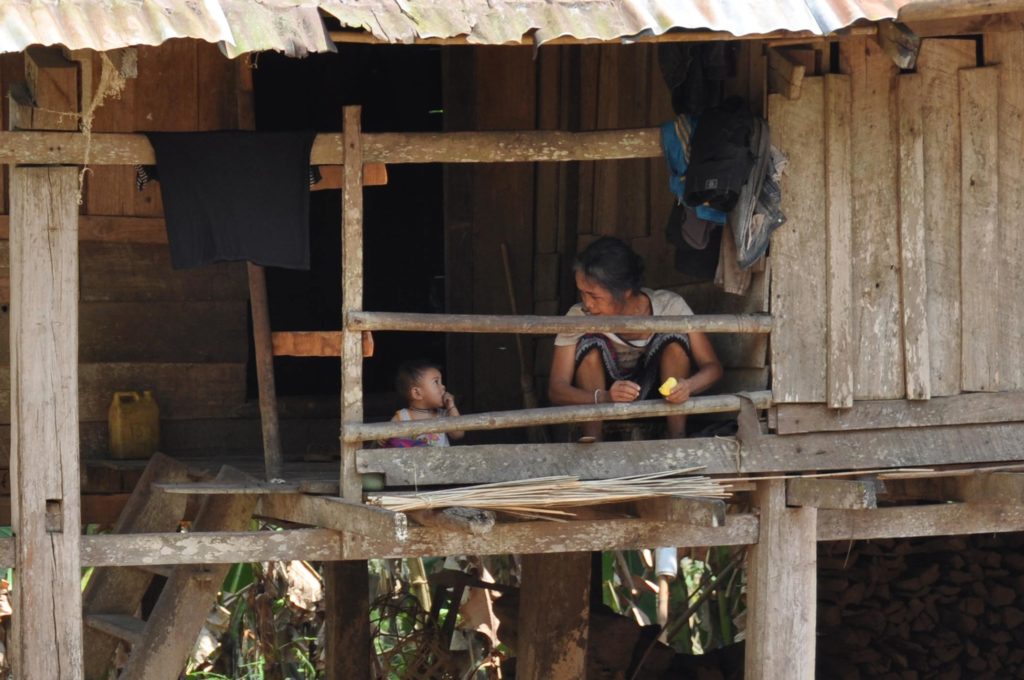
Burma Refugee, Thailand
Whirling Dancer, Egypt
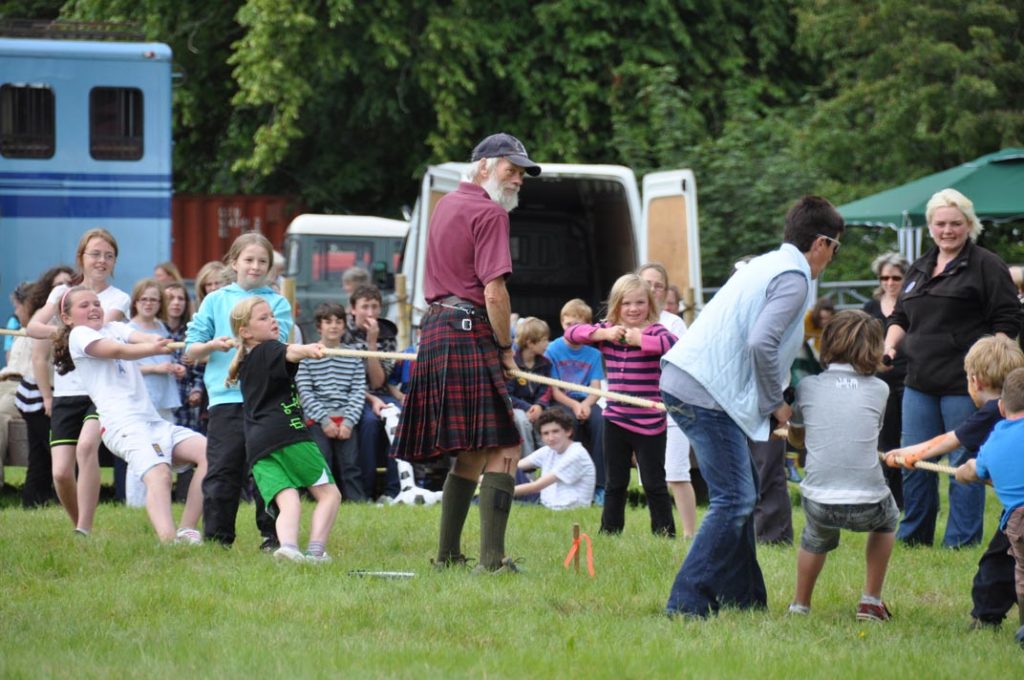
Strontium Games, Scotland

Does it have interesting people doing interesting things?

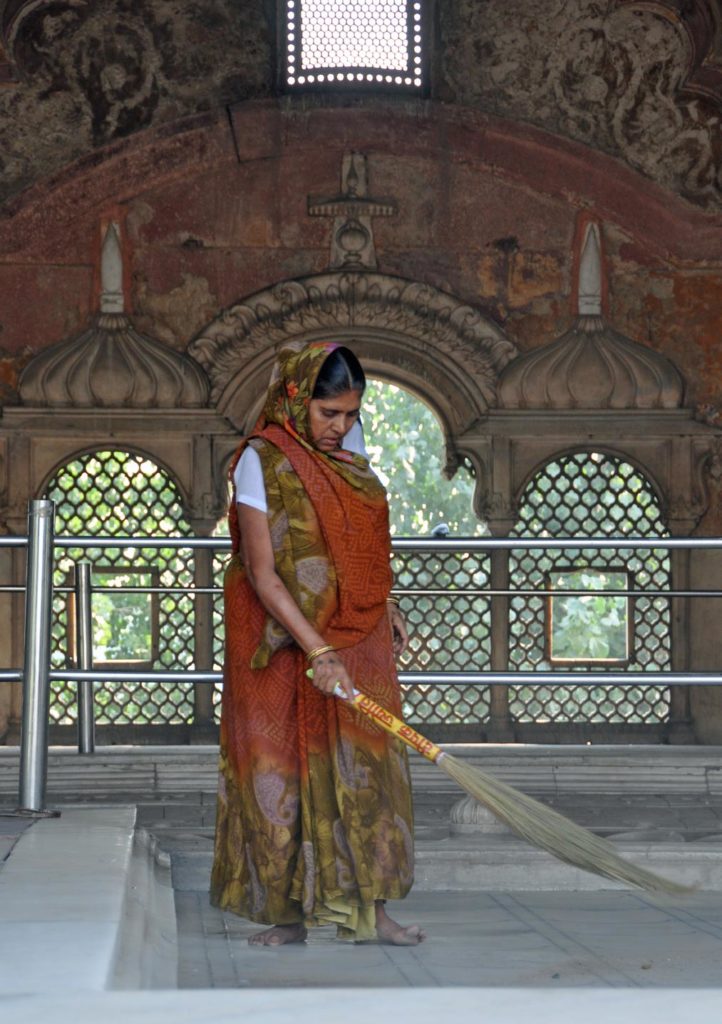
Delhi Cleaning
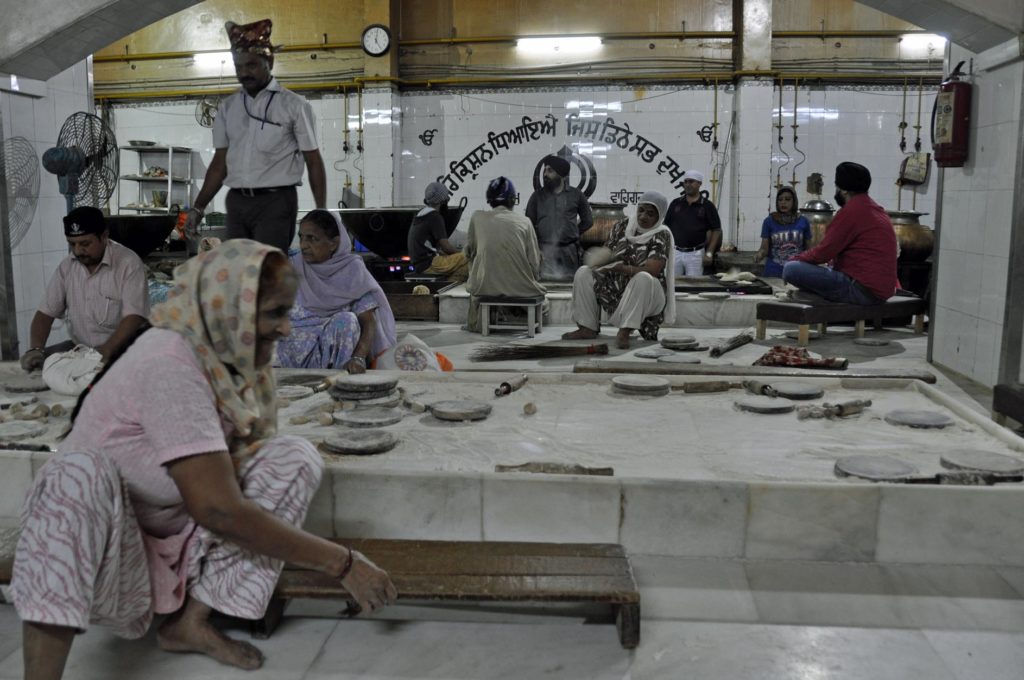
Delhi Sikh temple
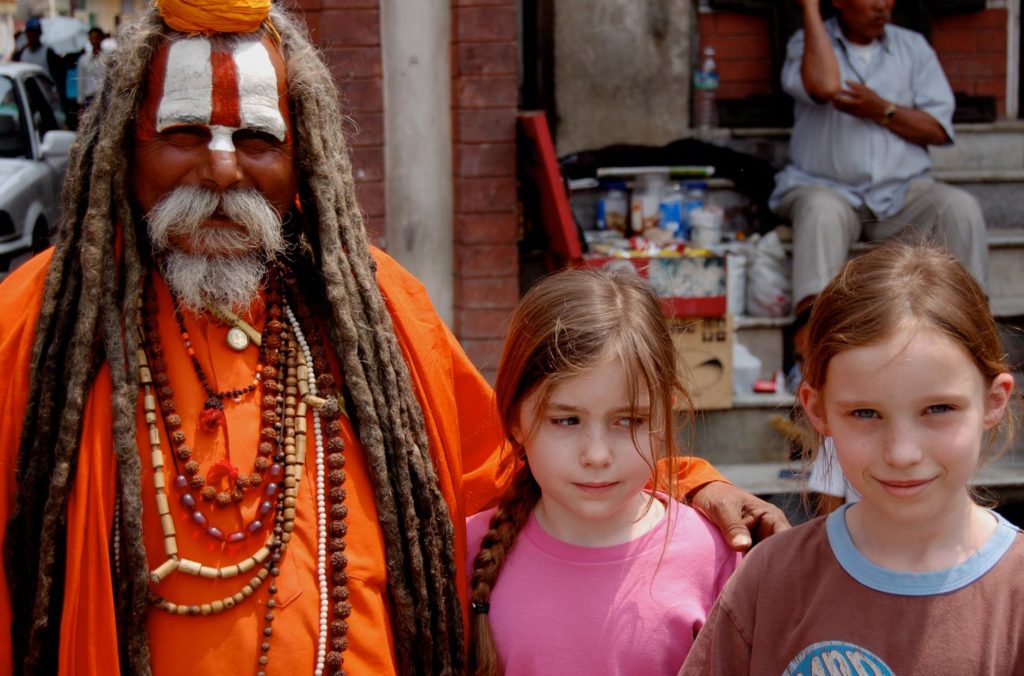
Second Thoughts Kathmandu
Seriously Dad?, Varanasi

Because I have a few of those.

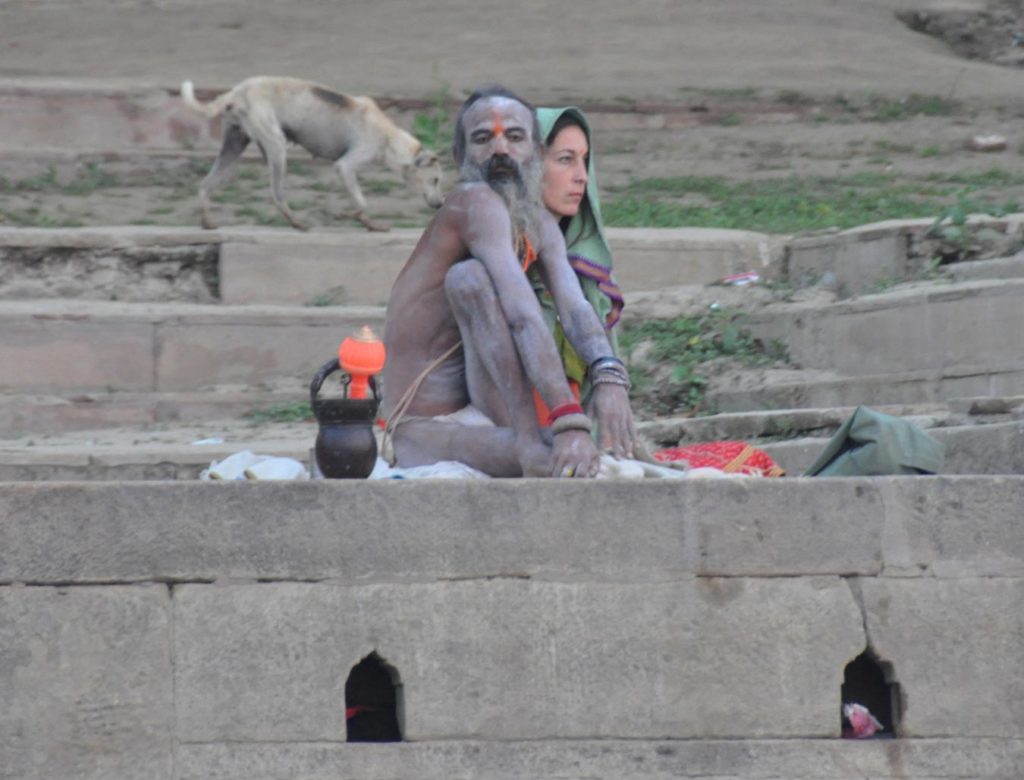
Varanasi Holy man and Acolyte
Fishing, Tonle Sap

Or maybe we could just think about animals, local of foreign, cute or not so much.

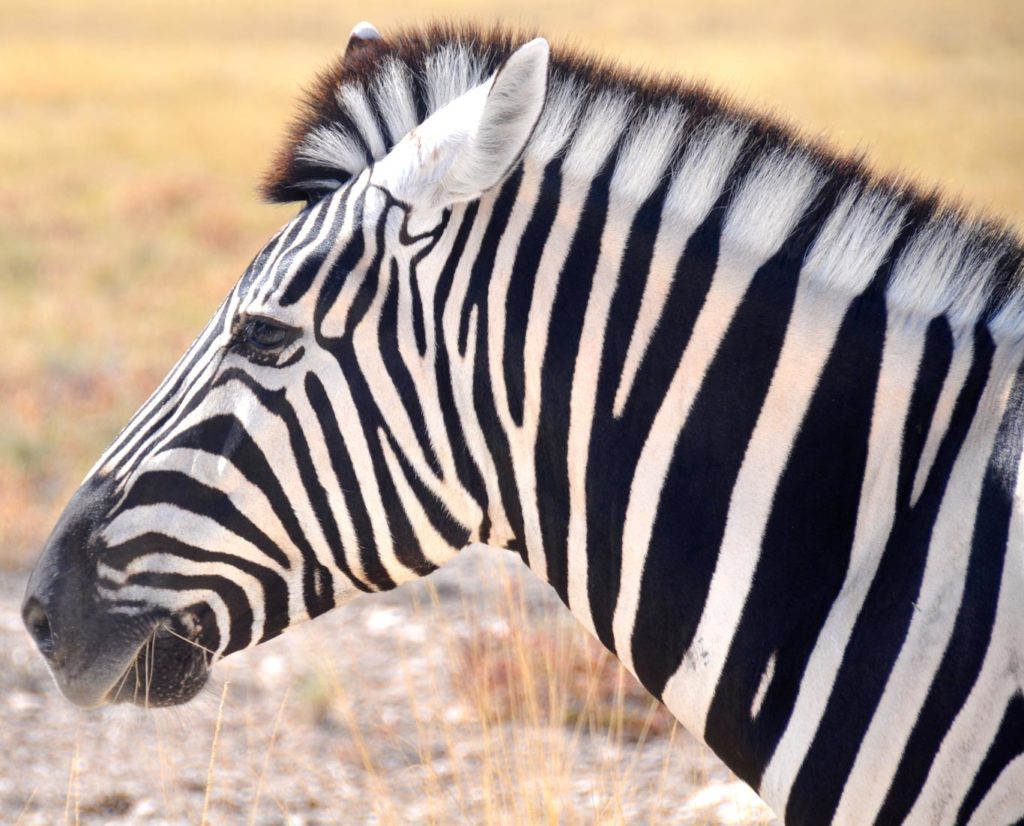
Zebra Etosha
Cheetah Lunch, Namibia
Cheetah II, Namibia
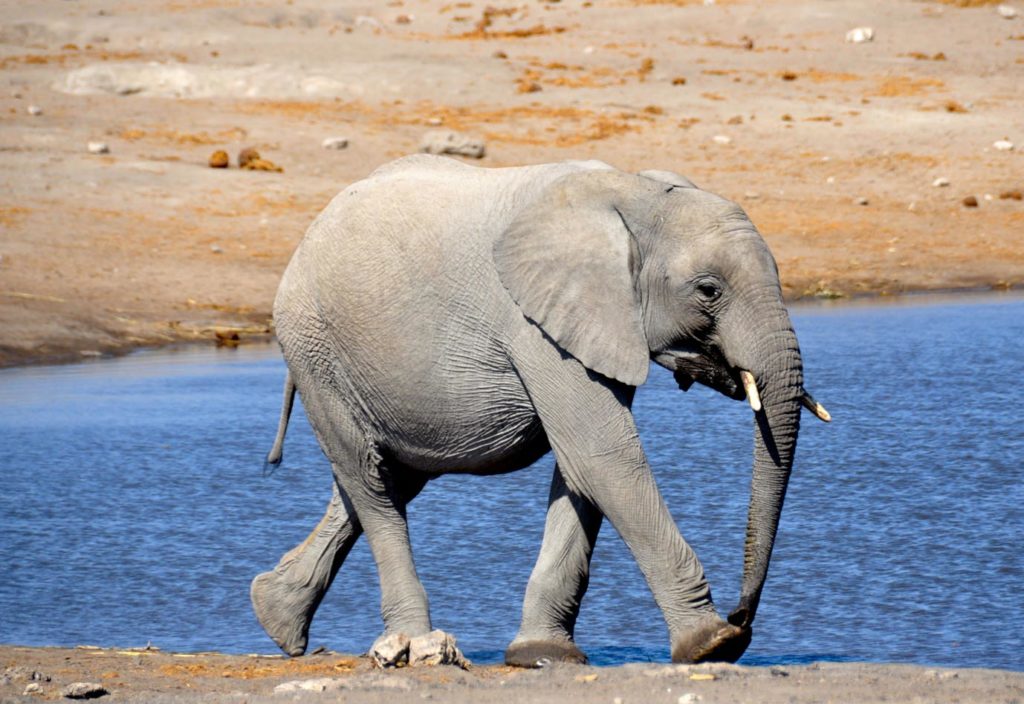
Baby Elephant, Namibia

We live in an astonishing world.

Changing the Story

Power is something we are often uncomfortable naming and talking about explicitly. In our everyday talk, power has a negative moral vibe: power-mad, power-hungry, power trip. But power is no more inherently good or evil than fire or physics. It just is. The only question is whether we will try to understand and harness it. In the culture and mythology of democracy, power is supposed to reside with the people.

Here’s a simple definition of power — it’s the capacity to ensure that others do as you would want them to do. Civic power is that capacity exercised by citizens in public, whether in elections or government or in social and economic arenas. Power in civic life takes many forms: force, wealth, state action, ideas, social norms, numbers. And it flows through many conduits: institutions, organizations, networks, laws and rules, narratives and ideologies. Map these forms and conduits against each other, and you get what we think of as “the power structure.”

Story is the catalytic agent for changing the status quo.

The problem today is that too many people aren’t able to draw, read or follow such a map. Too many people are profoundly illiterate in power (TED Talk: Why ordinary people need to understand power). As a result, it’s become easier for those who do understand how power operates in civic life to wield a disproportionate influence and fill the void created by the ignorance of the majority.

The powerful tell tales about why they deserve their status, so that they can feel better about it. So do the powerless. Together, these two sets of stories form an unseen prison of the imagination that shrinks everyone’s scope of possibility about alternative arrangements and allocations of power.

When you want to challenge the powerful, you must change the story. You can use story to organize people and then allow them to organize themselves into the story. Your narratives have to offer an alternative to the dominant story line of why things are the way they are. You have to stir up a new sense of “us”; provide an overarching explanation for who has what and why; and awaken the hero’s spirit in every citizen. Story is the bonding agent in social cohesion. It is the catalytic agent for changing the status quo.

Organizing people centers on telling three nested narratives: the story of self, the story of us, and the story of now.

Marshall Ganz,  learned his art as a civil rights worker in Mississippi in the 1960s, then went on to organize migrant farmworkers with Cesar Chavez. He developed the organizing tools and strategies used by the first Obama presidential campaign and has mentored countless social-justice organizers around the planet. He teaches now at Harvard, where, 28 years after dropping out of college, he returned to finish his degree and get a doctorate. He is the quintessential teacher-as-learner.

Everywhere he goes, Ganz uses a method for organizing that centers on three nested narratives: the story of self, the story of us, and the story of nowHe teaches organizers entering into any setting to start not with policy proposals or high concepts like justice but with biographies — their own, and those of the people they hope to mobilize.

What are the stories you tell about yourself? Why do you tell them that way? How can we find connections across our stories of origin that build trust and common cause? That work then flows into the story of us: the collective narratives of challenge, choice and purpose that emerge from any community — that, in fact, help define it.

This is how in a place like New Orleans after the flood or Detroit after the crash, residents can develop a shared identity of resilience and reinvention. It’s how a political party is able to motivate and mobilise for change.

Once that shared narrative is activated, the organizer can connect it to the fierce urgency of now: a story about why this is the “movement moment,” when individual and collective motivations converge, and when action is needed and possible. Why this and no other time is the time for change. This is how “Yes We Can” became more than a slogan in 2008, as “Morning in America” did in 1980. Or “Make America Great Again” did in 2016.

Stories are weapons in an endless contest for legitimacy.

Of these three stories, the middle one — about us — is crucial. Any effort to exercise citizen power depends on creating new answers to the question: Who is “us”? During the campaign for a $15 minimum wage in Seattle, one of the most potent speeches was from a woman named Evelyn, a sixty-something Filipina immigrant who cleans rooms at a Sea-Tac Airport hotel.

It was a fund-raising event for the campaign, and this was her first public speech. And though she’d never heard of Marshall Ganz before, in her short and blunt remarks she intuitively hit each of his marks. She talked about how a higher wage would enable her to catch up on her bills (self). She talked about why this was a unique opportunity to make gains for working people (now). But she was at her most effective when she talked about what kind of Seattle we wanted to be, and why the city would be stronger if the people who do the thankless work could afford to live there, too. In short, she redefined us. She redrew the circles of identity, not as low-wage workers versus high-wage workers but as people who hold true Seattle values of inclusion versus those who don’t.

This redrawing of the circles is also how “deep canvassing” — intensive face-to-face front-porch conversations based on personal storytelling — can change minds and win adherents on contentious issues like gay and transgender rights. 

Two young political scientists, Joshua Kalla of Berkeley and David Broockman of Stanford, have conducted pioneering field experiments on deep canvassing. One of the strategies that they found most effective was “analogic perspective taking,” in which canvassers would invite citizens to talk about times when they’d been treated unfairly for seeming “different.” From there, the canvasser could pivot to what those citizens had in common with gay or transgender people, and could often awaken enough empathy to reduce bias.

This is more than stepping into someone else’s shoes — it’s stepping into the story of how someone else came to be wearing those shoes. 

If you are trying to convince your neighbors that a nearby church should be allowed to host a temporary homeless encampment, how do you deploy story? Sometimes, it might be by deriding the selfishness of those who resist. More often, it will be by appealing to the better angels of all, so that even resisters can join without losing face.

Either way, you are crafting an imagined us in order to create a real majority. In a town with excellent schools that attracts young families, how do you deal with the divide between the newcomers who are driving up property values and the old-timers who don’t have school-age kids and want lower taxes? Again, you create a story of us, of common interest, that will either transcend that divide or sharpen it in a way that isolates the holdouts.

Such stories are weapons in an endless contest for legitimacy. 

The forthcoming General Election is already over, not won by the Conservatives so much as lost by Labour who have allowed the Tory narrative to prevail.

“We can do better. We can be better. Now.” Is essentially the Labour narrative. It is now and always has been the same story and Labour needs to stick to it rather than [playing the fear blame game that the Tories prefer.

We can do better by our elderly, better healthcare, better social care. Because my nan deserves better and so does yours.

We can do better by our children, better schools and universities. because my children got to university and so should yours, or maybe to an apprenticeship scheme, or straight into a job because that’s what was right for them.

We can do better by our friends and neighbours. We don’t have to be aggressive and nasty to our neighbours, our trading partners in the EU. We can be kind, gentle and generous to the newly arrived amongst us because we are better than the alternative.

We are better than mean and nasty.

Dark

There’s a photo participation being organised by the Guardian newspaper on the subject “Dark” which led to e looking through the various albums.

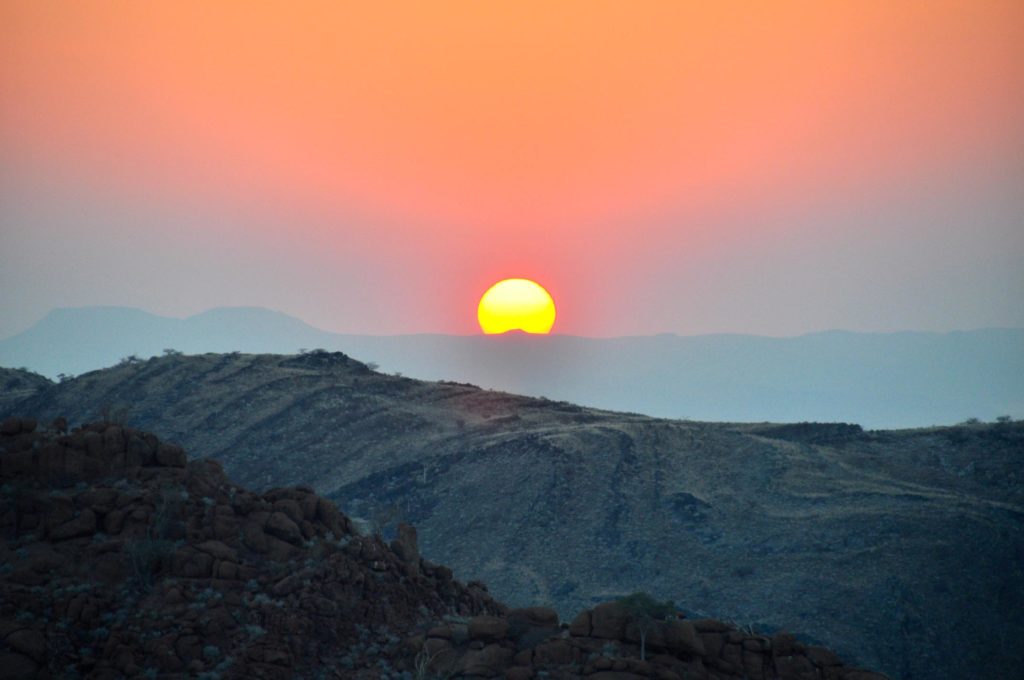
There are the obvious pictures of sunsets, most obviously from Africa.

Namibia Sunset
Namibia Sunset
Namibia Sunset

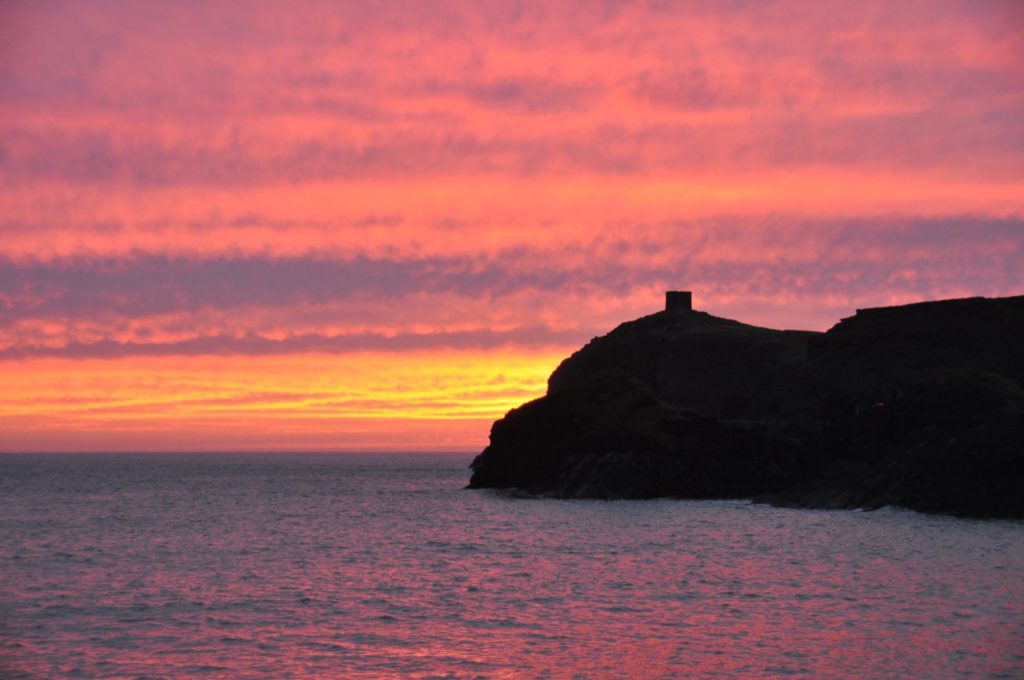
But also from Wales.

Sunset, Wales
Sunset, Wales

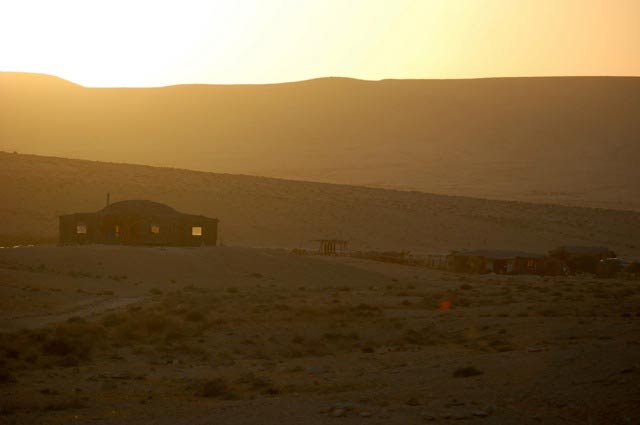
Turns out there’s not a bad sunset picture to be taken in a desert.

Negev Desert, Israel

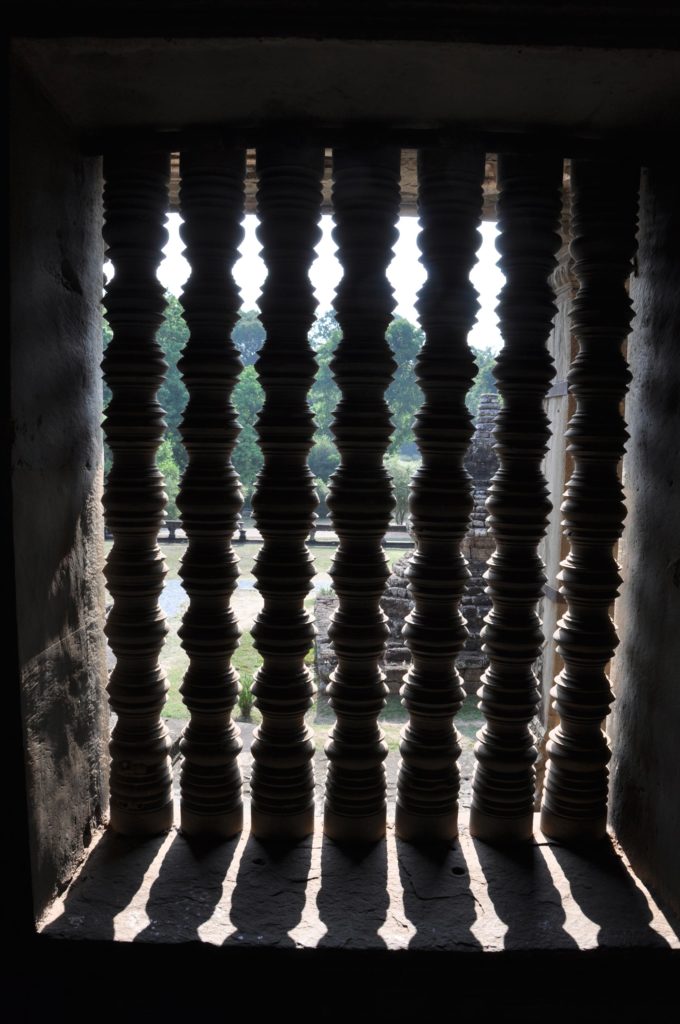
And there are the endless pictures through windows or window screens from the dark into the light.

Window Screen, India
Agra Window, India
Cambodia Temple Window

Saville cathedral
Science Museum London

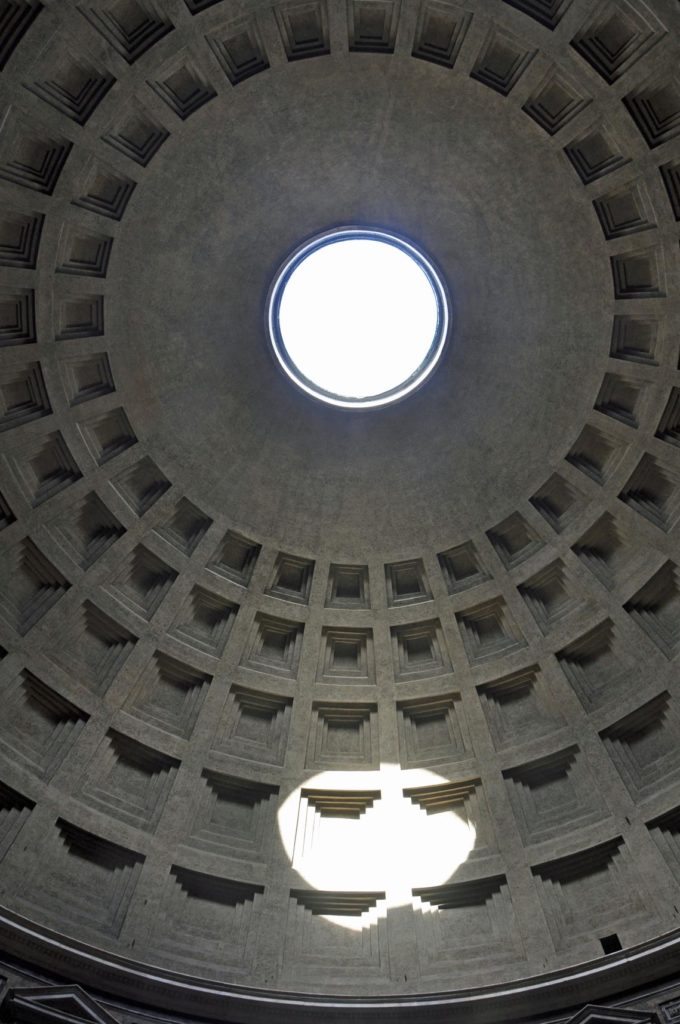
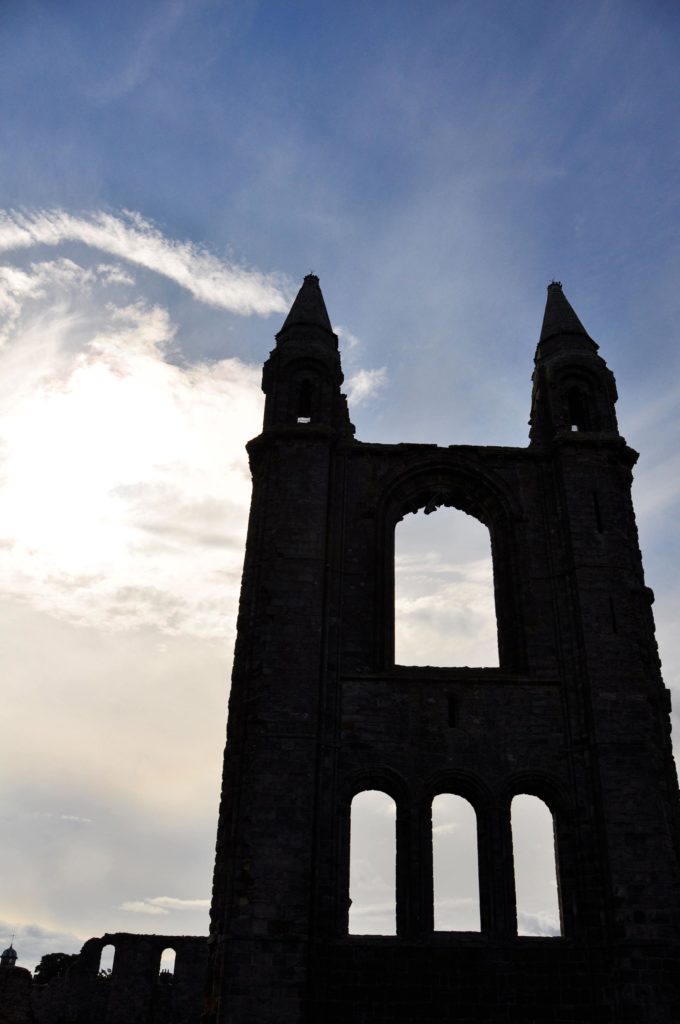
There are the shots taken in dark places, usually more about the light than the dark surroundings.

Pantheon, Rome
View through Alhambra Arches
Mezquita Cordoba
Reflections, Bangkok
Fireworks, London

 Egyptian Show dancer
St Andrews

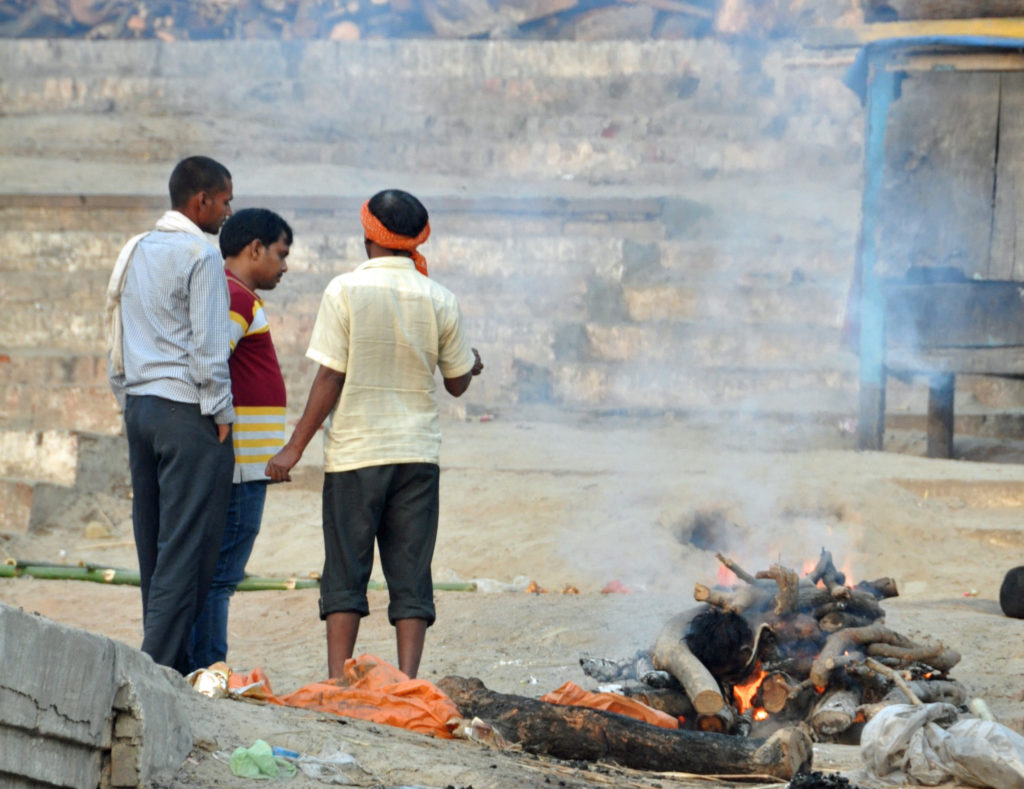
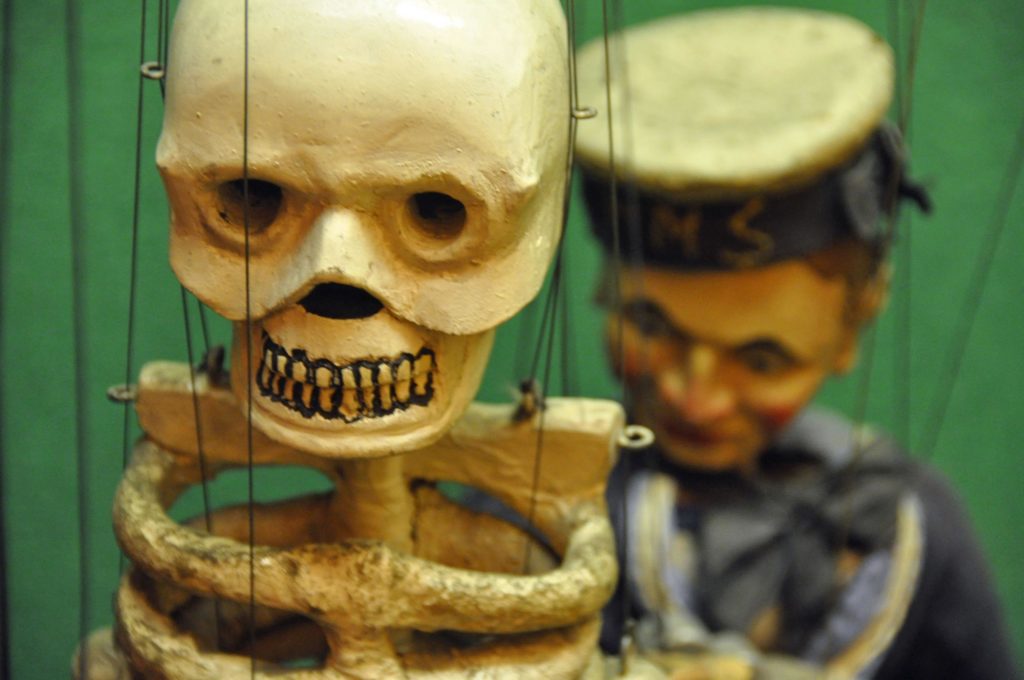
There are the pictures with dark subjects or topics, whether emotional (the cremations by the side of the Varanasi) physical (the gorging on a recently dead gazelle) or scary childhood toys.

Morning Cremation, Varanasi
Children’s Theatre Toy, Glasgow
Lunch, Namibia
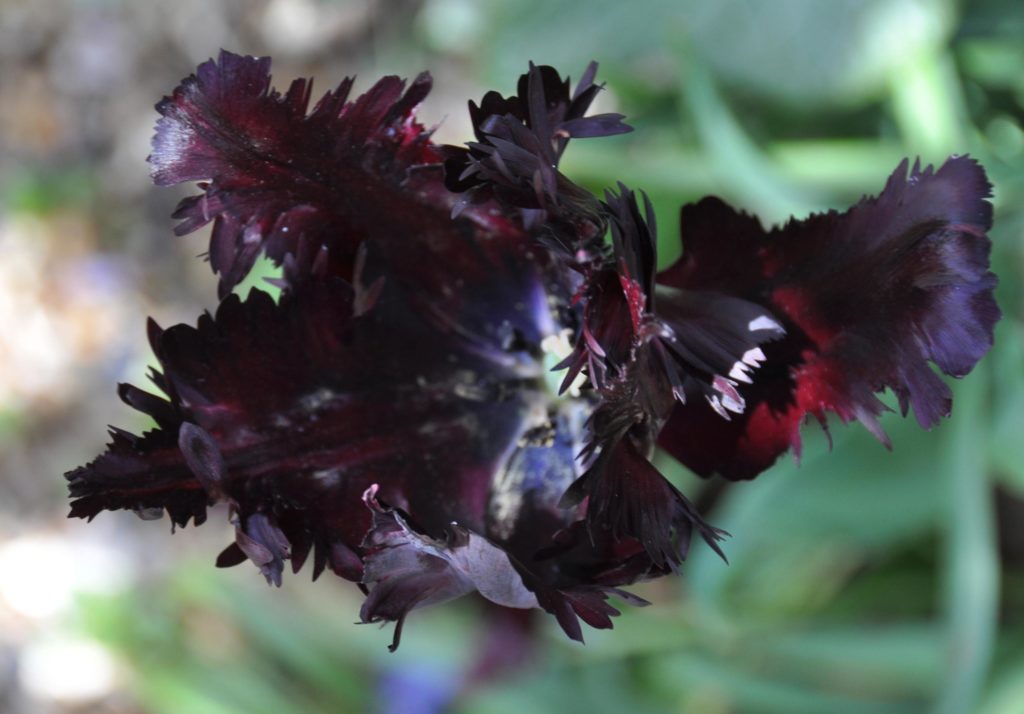
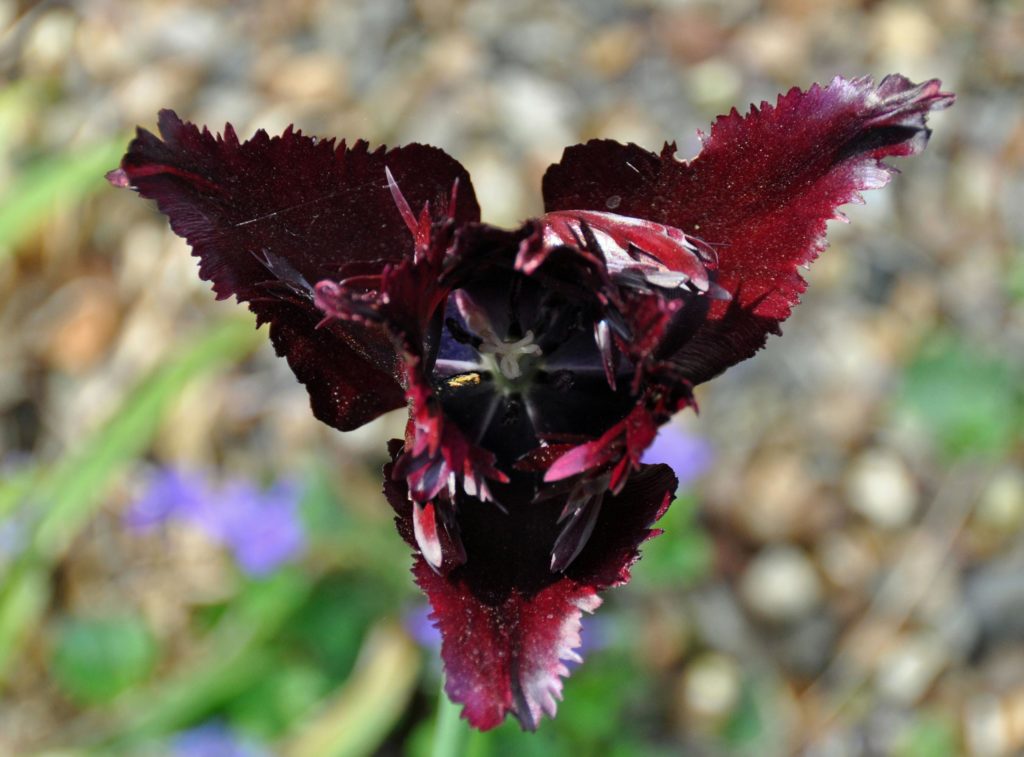
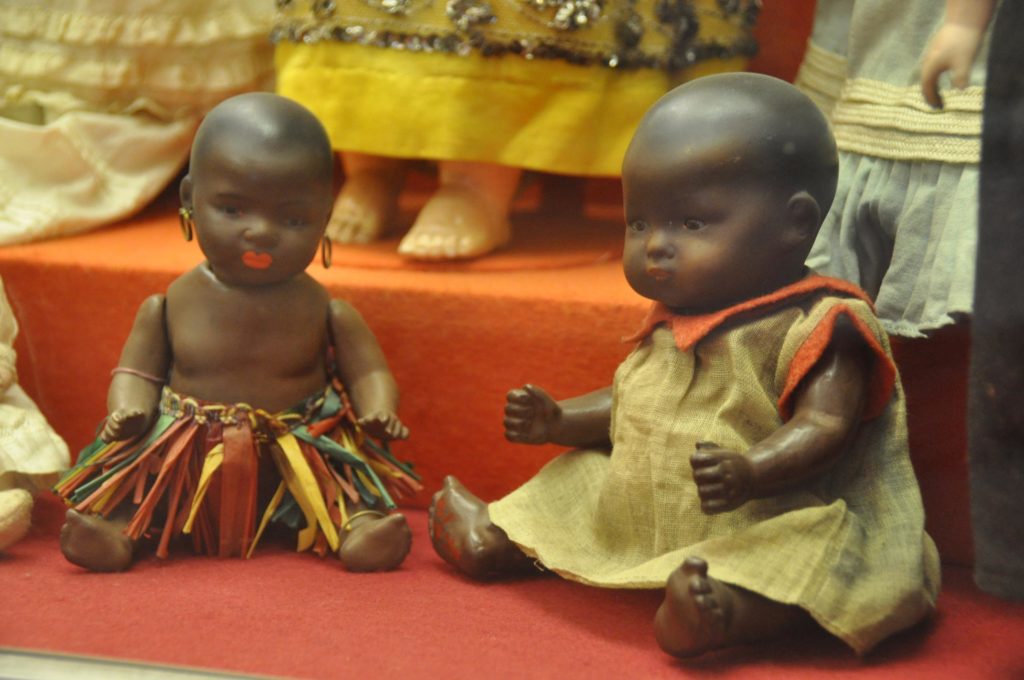
 And finally there are just pictures of dark coloured things, from tulips to a bit a black and white shade and shadow.
Dark Parrot Tulip
Black Parrot Tulip
Toy Dolls, Glasgow Museum
Shadows on the Heath, London

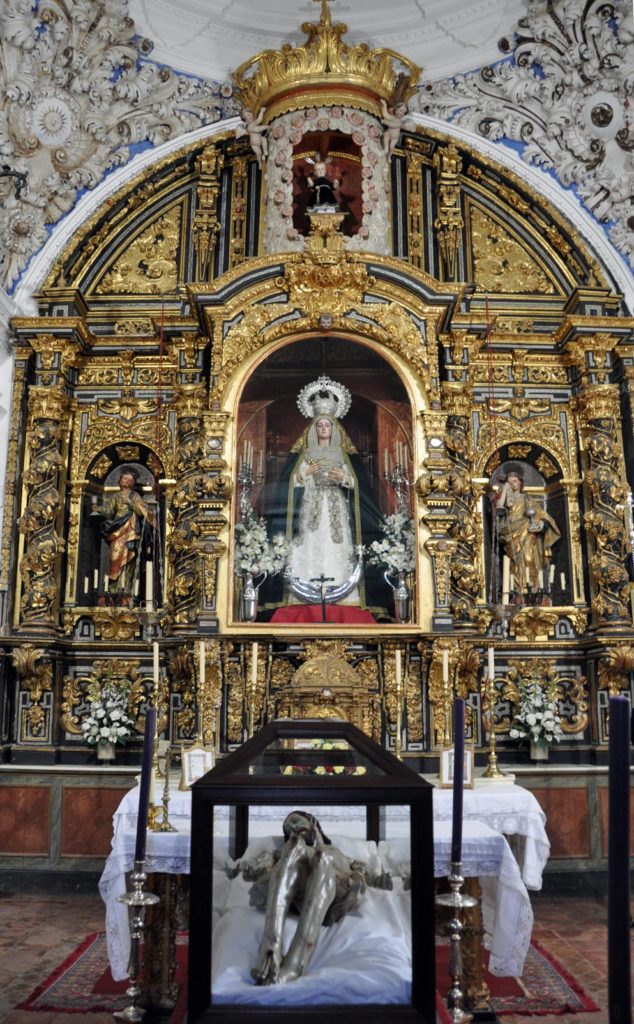
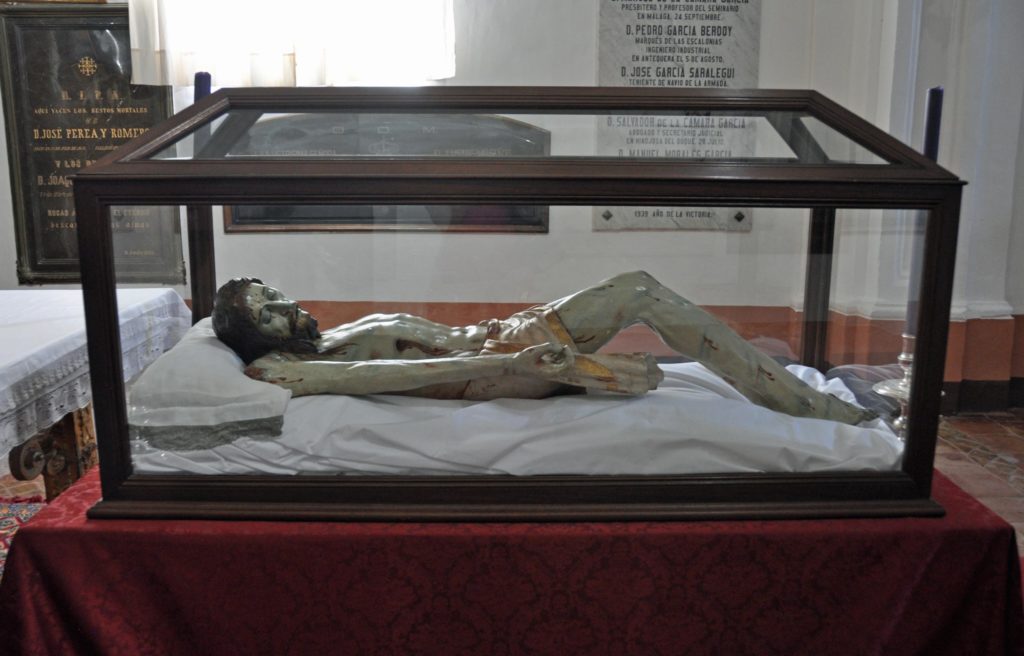
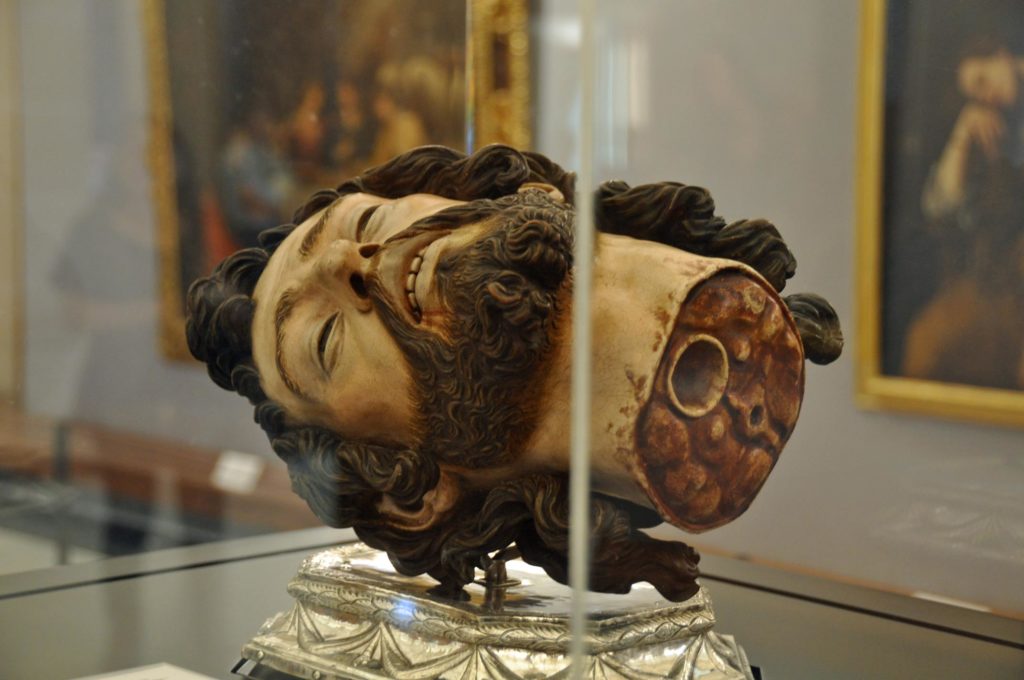
Turns out Spanish catholic churches can be especially morbid with their monuments.

Lady Chapel, Granada Church
Dead Jesus, Granada
head of John the Baptist, Seville Cathedral