Tokyo

Ghibli Tour completed on our first day, we had a half day tour of Tokyo followed by a day free.

I found a nifty metro map that summarised the city interesting for tourists. It’s undoubtedly over-simplistic but useful nevertheless.

This image has an empty alt attribute; its file name is img_01.png
Tourist Metro map

Based in Ueno, our organised tour (just a half day) started with Asakusa and ended in Shibuya. It also allowed us to use our japanese guide’s experience to book seats for all of our planned rail journeys. Although it’s entirely possible to travel without reserving seats, it’s more comfortable to have everything arranged.

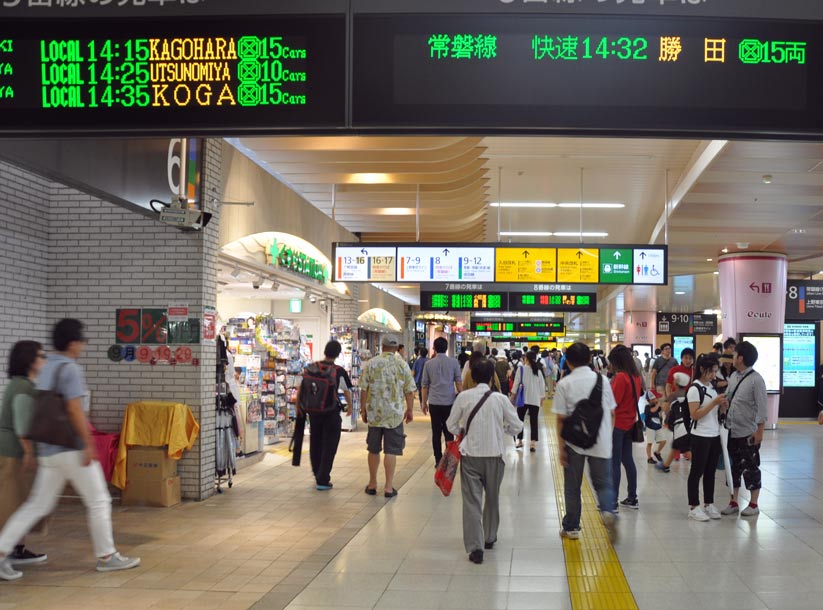
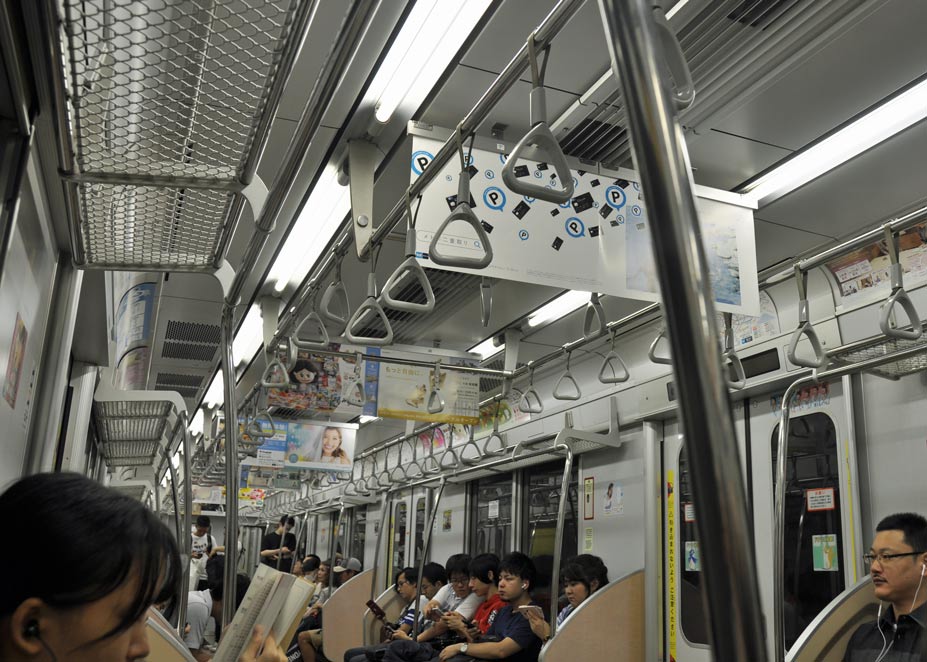
It was also really great to have someone to introduce us to the Tokyo metro system (which is as easy and efficient as you would expect, with announcements in English following every Japanese announcement.
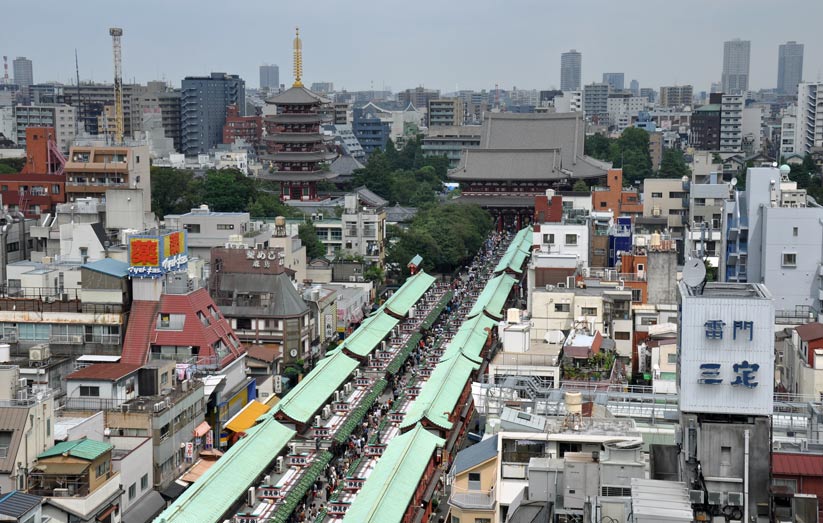
Asakusa, Tokyo

The Temples of Asakusa lie within one of Tokyo’s few districts that still preserves an atmosphere Tokyo’s past.
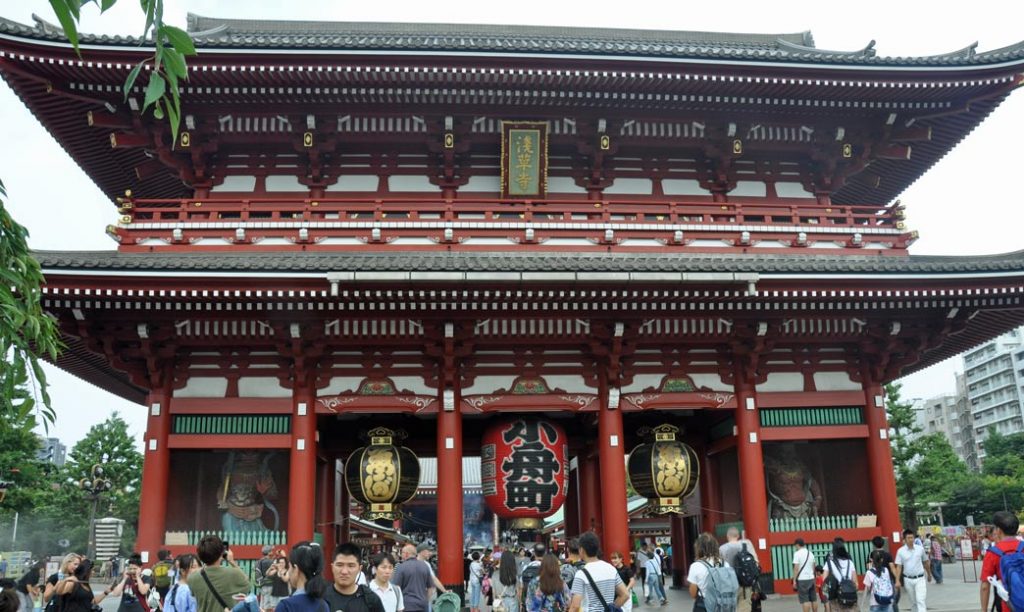
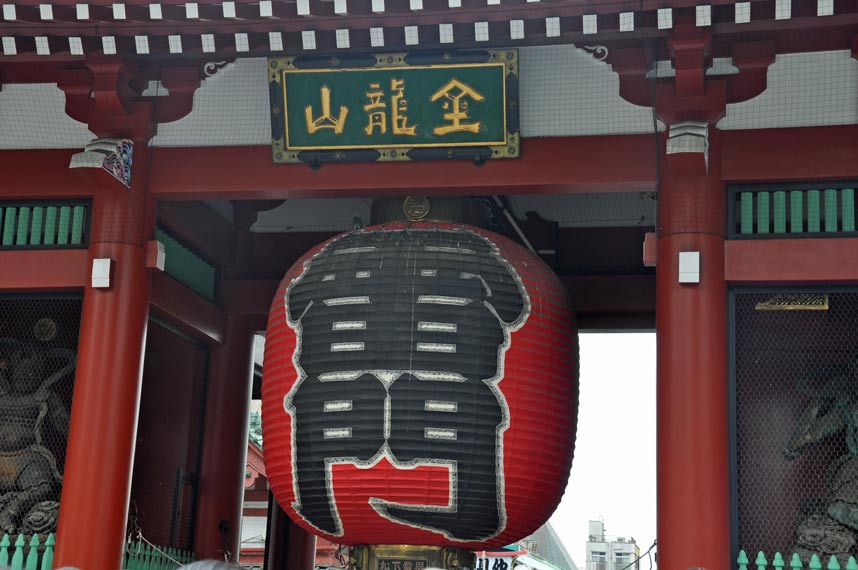
Asakusa
Asakusa Tokyo

Entrance to the temples is best through the impressive entrance gates, especially the 1000 year old Kaminarimon (Kaminari Gate) that leads straight on to Sensōji – Tokyo’s largest and oldest Buddhist temple built in the 7th century.
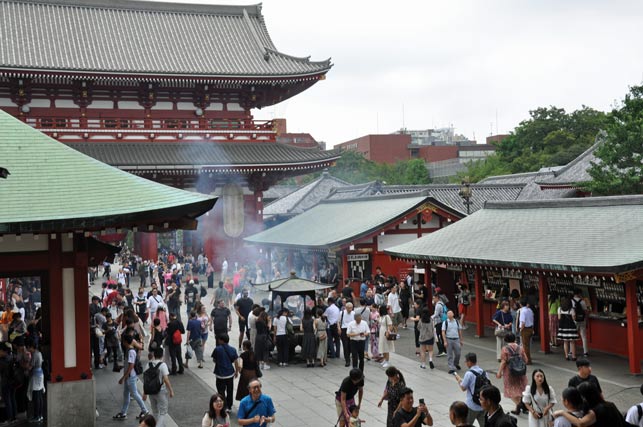
Visiting on the weekend meant everything was hugely busy but still great fun and an introduction to the difference between temples and shrines.
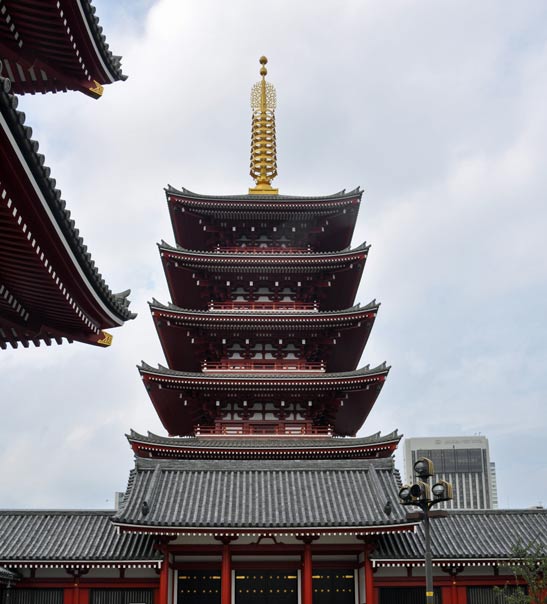
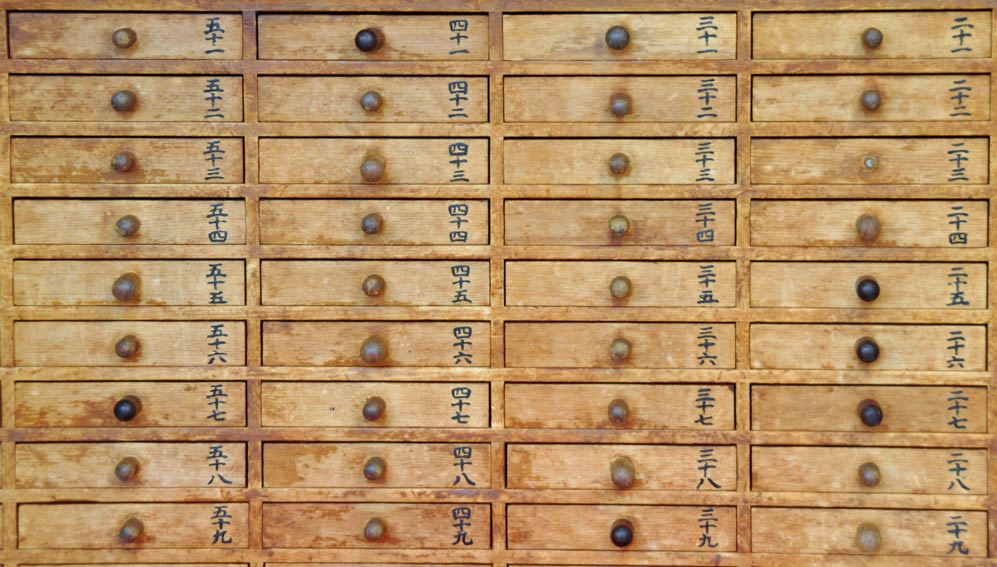
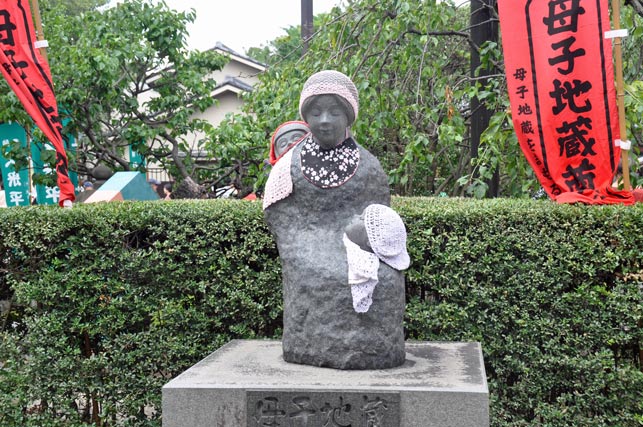
Asakusa, Tokyo
Asakusa Detail

Contemplating the physical sprawl of Tokyo is daunting and we had nowhere near enough time to even pretend to discover it seriously.
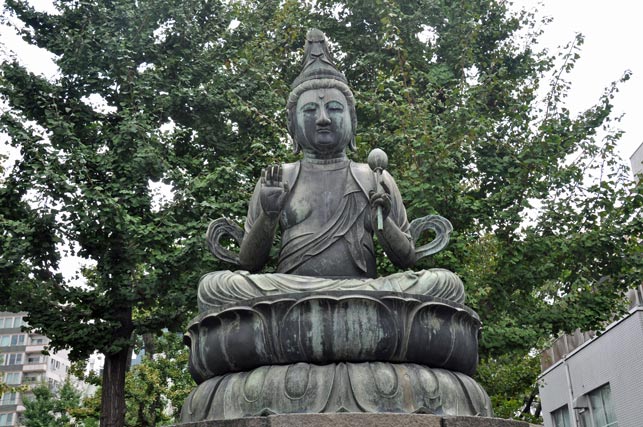
Asakusa

It has no discernible center, and clusters of skyscrapers miles apart defy the idea of a downtown core. Tokyo actually feels like a city composed of 23 separate cities, or wards, that all have distinct names and local municipal systems.

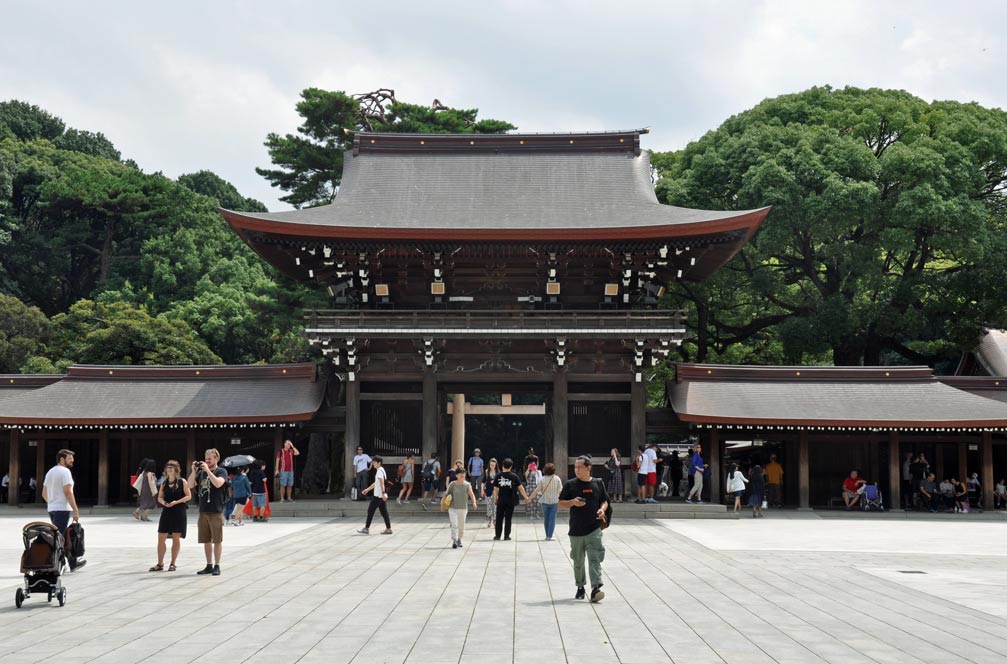
So we took our guides advice, and travelled from Asakusa to the Meiji Jingu Shrine, by way of shopping districts.

Tokyo

For the girls, our guide suggested visiting Harujuku, renowned for colorful street art and youth fashion, with quirky vintage clothing stores and cosplay shops along Takeshita Street, and traditional, upmarket boutiques on leafy Omotesando Avenue.

Harujuku Tokyo

It does’t quite compare to the oddities of Camden Market in London, more Oxford Circus maybe.
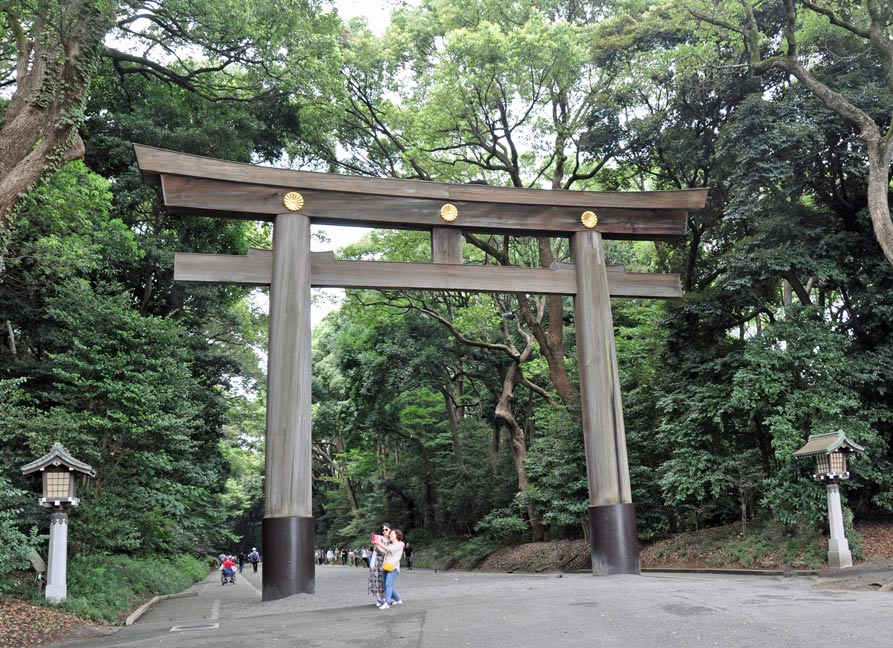
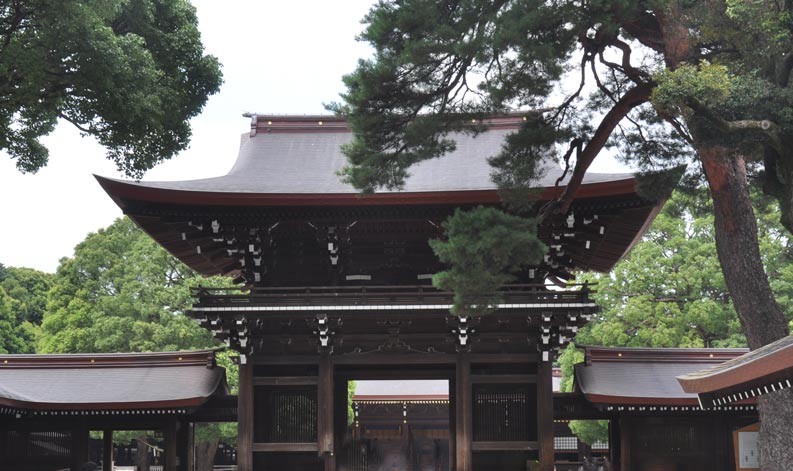
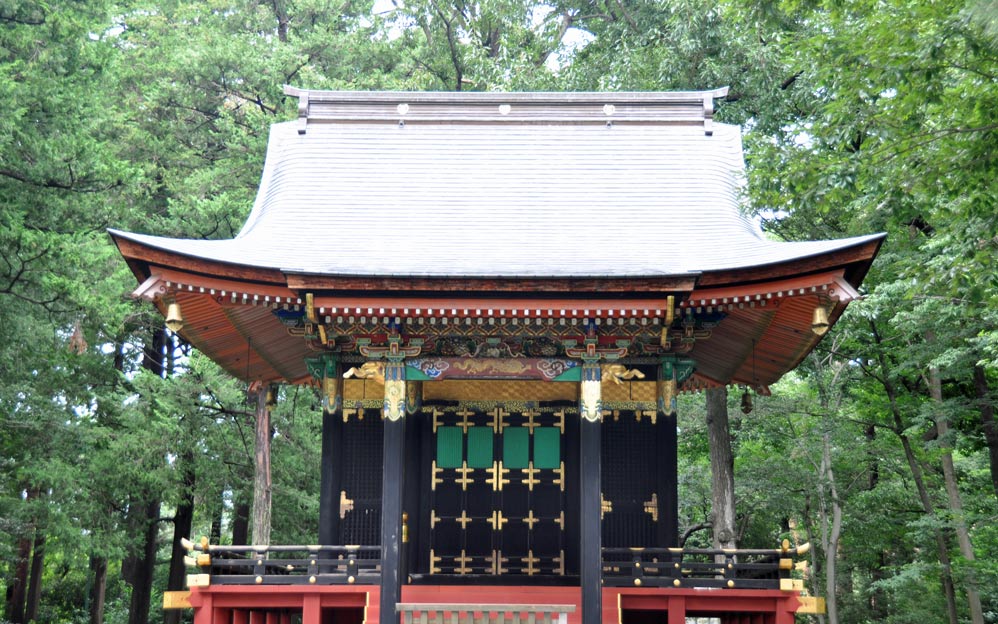
Shrine Tokyo
Tokyo

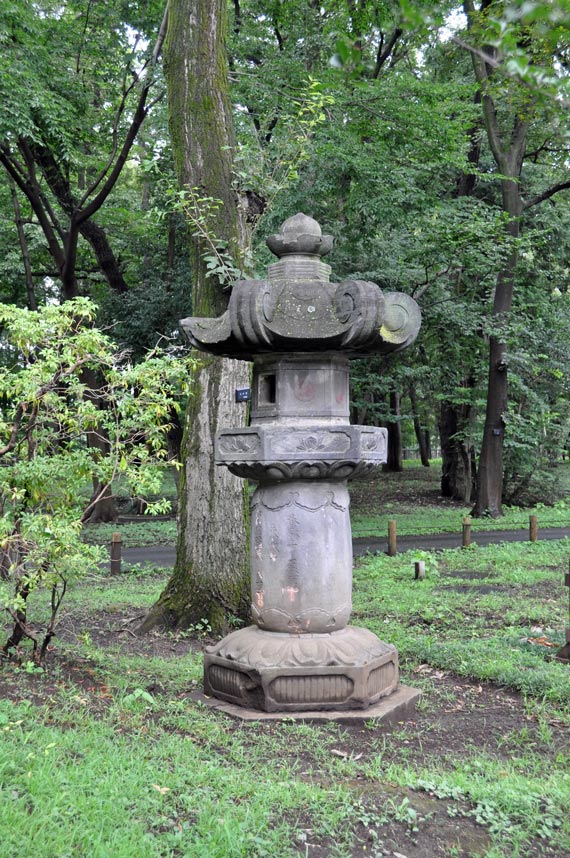
But the walk through the park to the shrine was a lovely way to break up the heat and humidity.
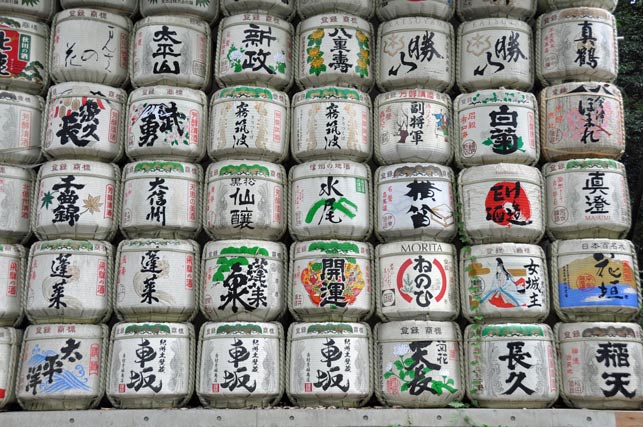
Saki Barrels, Tokyo Shrine
Shrine Tokyo
Shrine Tokyo
Shrine Tokyo
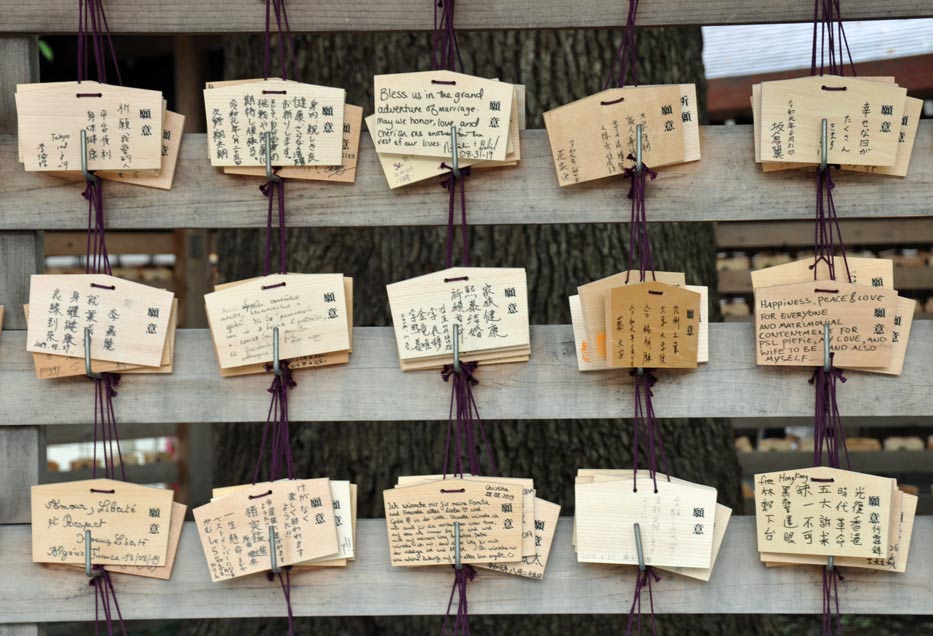
Prayers Tokyo Shrine

Time is limited, so we need to focus on visiting maybe just two diverse neighbourhoods on our free day, choosing from peaceful Nakameguro to eclectic, if we are to get a taste for the reality of Tokyo. For city views, the Metropolitan Government Building Observatory is free, and so tall your ears will pop in the lift to the top. There are views out to Mount Fuji, it has a cool gift shop and is just as beautiful by day as at night.

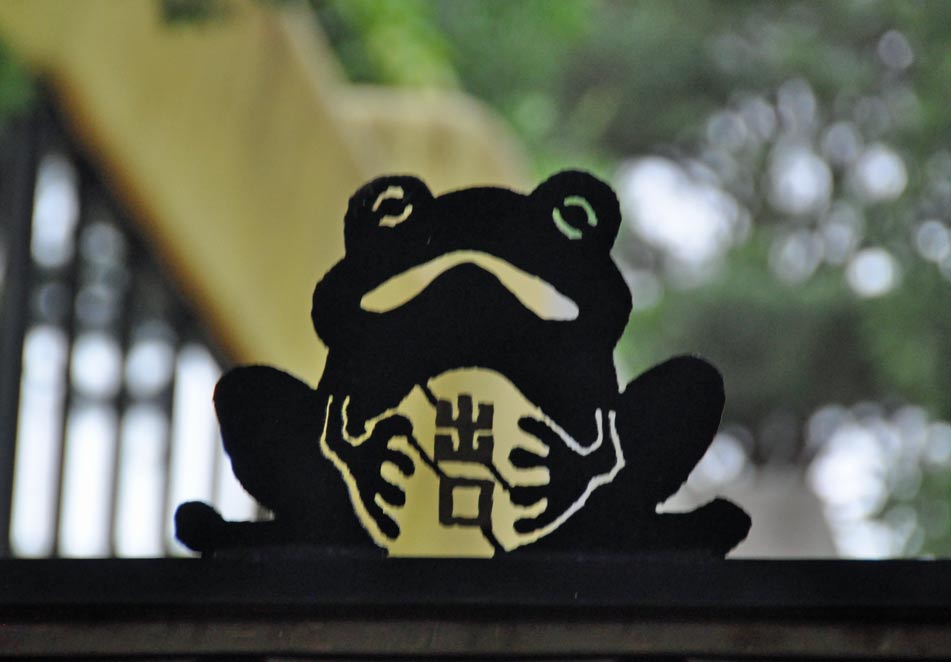
We missed out on Kappabashi, Tokyo’s kitchen capital, easily recognisable thanks to a giant chef statue peering from atop a low rise office building and surprisingly close to our apartment in Ueno, Tokyo

Buy a Japanese Knife in Tokyo

And we missed out on so many districts including Ginza, the major shopping district, Nakano for anime and cos-play shops, Tsukji Market, Aoyma Flower Market and niche boutique shops. We definitely need a re-vsiit.

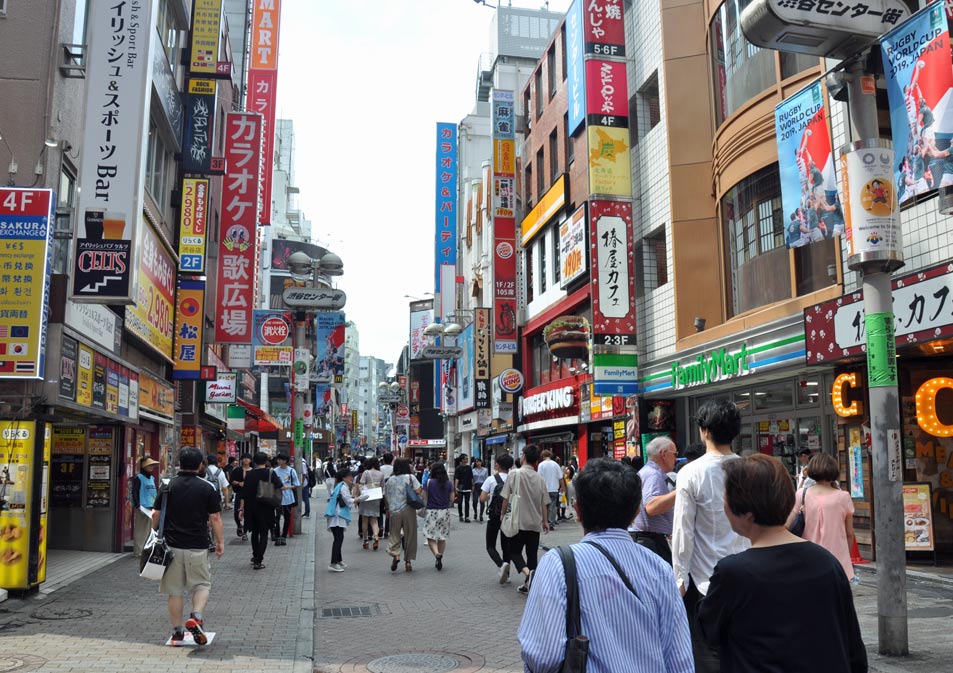
After the shrine, we were left close to Shibuya with its incredibly busy five way pedestrian crossing, grabbed some lunch had a family squabble and headed back to our flat
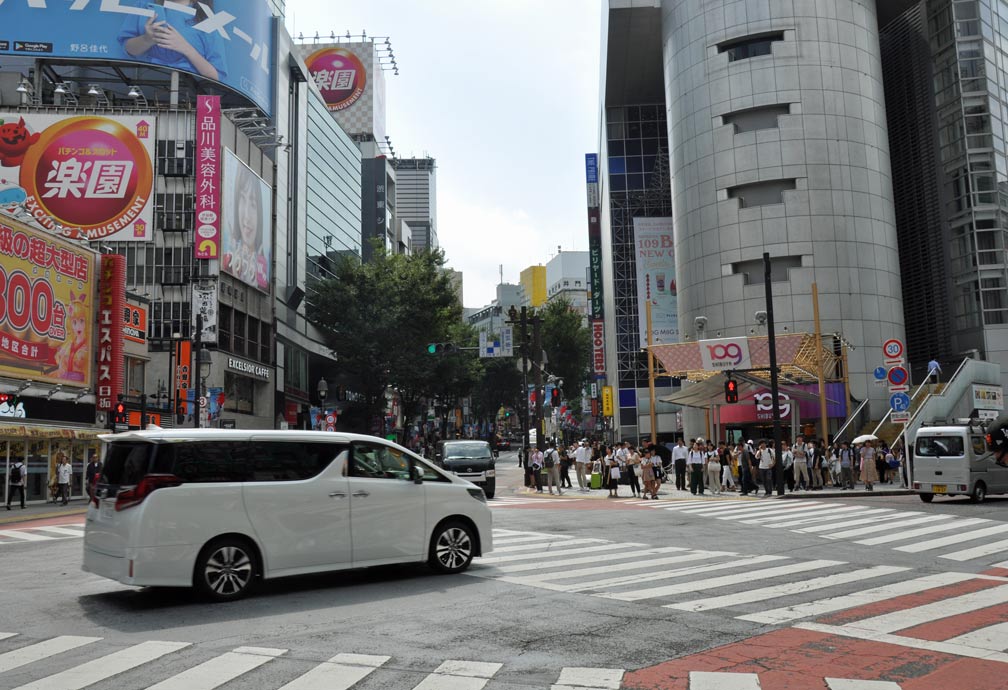

Tokyo
Tokyo
Busy Tokyo

Zhug

Long ago I visited the Yemen and this recently found recipe for zhug brought back some memories. Use it as you would a salsa or pesto, to add a bit of joy to other dishes or cold plates

Zhug

INGREDIENTS

  • 2 teaspoons whole black peppercorns
  • 2 teaspoons coriander seeds
  • 1 teaspoon cumin seeds
  • ½ teaspoon cardamom seeds, extracted from about 10 cardamom pods
  • 6 garlic cloves, smashed
  • 4 serrano chiles, cut into very thin coins
  • 1 tablespoon kosher salt
  • 3 tightly packed cups roughly chopped cilantro leaves and stems
  • 1 ½ tightly packed cups roughly chopped parsley leaves
  • ½ cup extra-virgin olive oil

PREPARATION

  1. In a small, dry pan, toast the peppercorns, coriander seeds, cumin seeds and cardamom seeds over medium heat, shaking the pan occasionally, until slightly toasted and fragrant, about 2 minutes.
  2. Transfer the seeds to a large mortar and pestle, and pulverize into a coarse powder.
  3. Add the garlic and chiles, and season evenly with kosher salt. Grind the mixture together until a tight paste forms, 4 to 5 minutes.
  4. Add about 1/3 of the cilantro and parsley, and continue to pound together into a rough paste, another 4 to 5 minutes. Repeat two more times, adding the remaining cilantro and parsley in two batches, until the mixture is a slightly pulpy paste, 4 to 5 minutes.
  5. Drizzle in the olive oil while constantly pounding and grinding together the herb mixture until you achieve a loose, homogeneous paste. Continue to mix until it has the consistency of applesauce, about 2 minutes. Let it stand 10 minutes before serving.

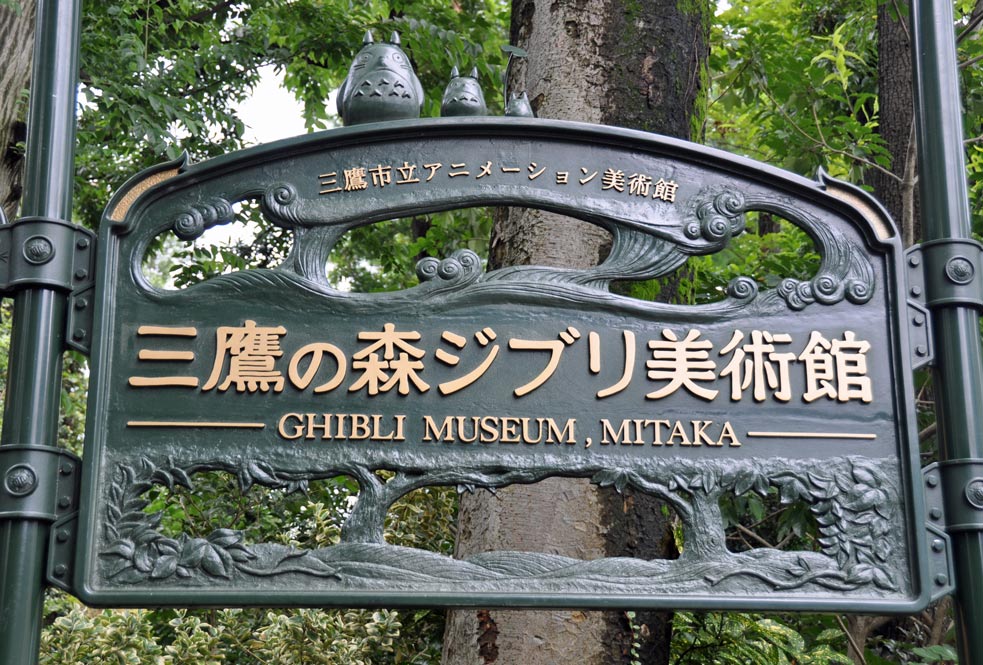
Tokyo Ghibli Museum

Our first day in Tokyo was based around an organised tour on a Ghibli theme.

Ghibli Tokyo

In large part this was because it is incredibly difficult to get hold of tickets for the museum and an organised tour made things much easier to coordinate.

Ghibli Tokyo

Our first jet-lagged day worked well for being so structured, with a trip to the Edo Tokyo museum leading nicely to the Ghibli Museum itself in the Tokyo suburbs.

Ghibli Tokyo

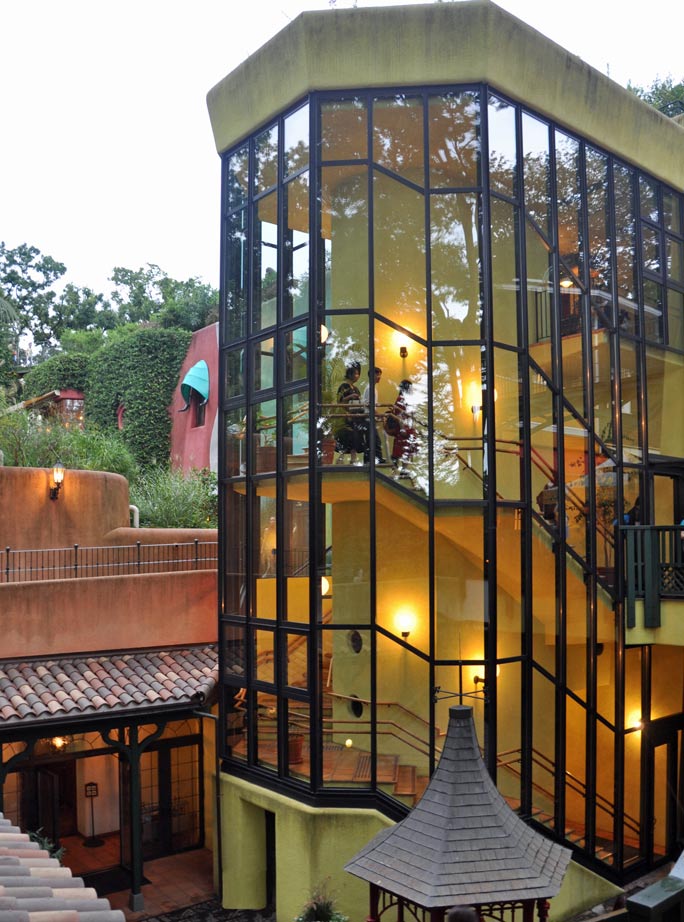
There is a no photograph policy within the museum, so pictures are typically limited to the outside of the museum and the roof garden.

Ghibli Tokyo

It’s difficult to adequately describe this tiny museum. It has some rooms devoted to very lovely examples of the original artwork or cells that make up various Ghibli films, as well as to film making and animation itself.

There are interesting and new zoetropes that adults and children were fascinated by and a decent cafe at the top of the museum.

Ghibli Tokyo

Best of all perhaps, there were various rooms set up as examples of the Ghibli team’s work in progress with pieces they took inspiration from, various initial sketches worked through to the final cells etc.

Ghibli Tokyo

If you’re interested in Ghibli, the museum small but perfect, a “must-see”.

Broccoli and Kimchee Broth

Homemade isn’t always better. Whilst sometimes a vegetarian has to make their own, to avoid fish sauce or other specific ingredients, there are often alternatives available on-line. Especially when we’re talking about the Asian store-cupboard. Many ingredients, such as kimchi and gochujang, but also soy sauce and miso, take practised hands, and years of fermentation and knowledge to make.

Plus, they’re fairly easy to buy and, once bought, they obediently sit between the cupboard and the fridge like sleeping giants, ready to deploy big and instant flavour. This recipe is a version of Korean kimchi jiggae, a warming stew that is greater than the sum of its parts – happily, parts mostly pre-made and from the store cupboard.

Given that the main ingredient in this dish is kimchi, buy the best you can – we use Eaten Alive Spicy kimchee but their other varieties are worth trying. This recipe was originally written for tender stem broccoli.

Prep 20 min
Cook 40 min
Serves 4

3 tbsp rapeseed oil 
1 onion, peeled and finely chopped 
2 garlic cloves, peeled and crushed 
1.5cm piece fresh ginger, peeled and grated 
300g good-quality kimchi 
1 tbsp gochujang paste
1 tbsp brown rice syrup 
200g oyster mushrooms, cut into 1cm strips
1 litre vegetable stock 
400g extra-firm tofu, sliced 
250g Tenderstem broccoli, halved
Salt 
2 spring onions, trimmed and finely shredded

Noodles for 4

Heat the oil in a casserole dish and, when hot, add the onion and fry, until soft. Stir in the garlic, ginger and kimchi, fry until the kimchi starts to caramelise – about eight to 10 minutes – then stir in the gochujang and rice syrup. Add the mushrooms to the pot and fry for three minutes.

Pour in the stock, bring to a boil, then turn down the heat to a whisper and simmer for 10-12 minutes, until it tastes like all the flavours have come together.

Layer the tofu slices in a fan shape on one side of the pot, arrange the Tenderstem on the other side, and prod both so they’re slightly submerged in the hot liquid. Leave to cook for another six minutes, or until the broccoli is cooked, then check the seasoning – add salt, if need be. Add a portion of cooked noodles to each bowl. Label the broth over the noodles in the bowls, scatter over the shredded spring onions.

Or serve with bowls of steamed jasmine rice.

Tokyo – Edo Museum, Tokyo (Ghibli Tour 1)

We’re back from Japan so I thought I’d revisit the original plan and how it all worked out.

Staring with Tokyo, with just four nights and a stroppy teenager channelling her inner toddler, we just didn’t have enough time.

We had four nights in Tokyo, staying in a four bed family apartment near the Ueno metro station. We arrived mid-afternoon after a punishing trip so were just too tired to try anything other than finding our apartment and food for supper/breakfast.

We then woke up for a full day tour based around Studio Ghibli which includes a trip to the Ghibli Museum in the suburbs which might sound difficult given jet lag but actually turned out to be an ideal way of keeping us going, helping to acclimatise us all to Tokyo in a very benign manner.

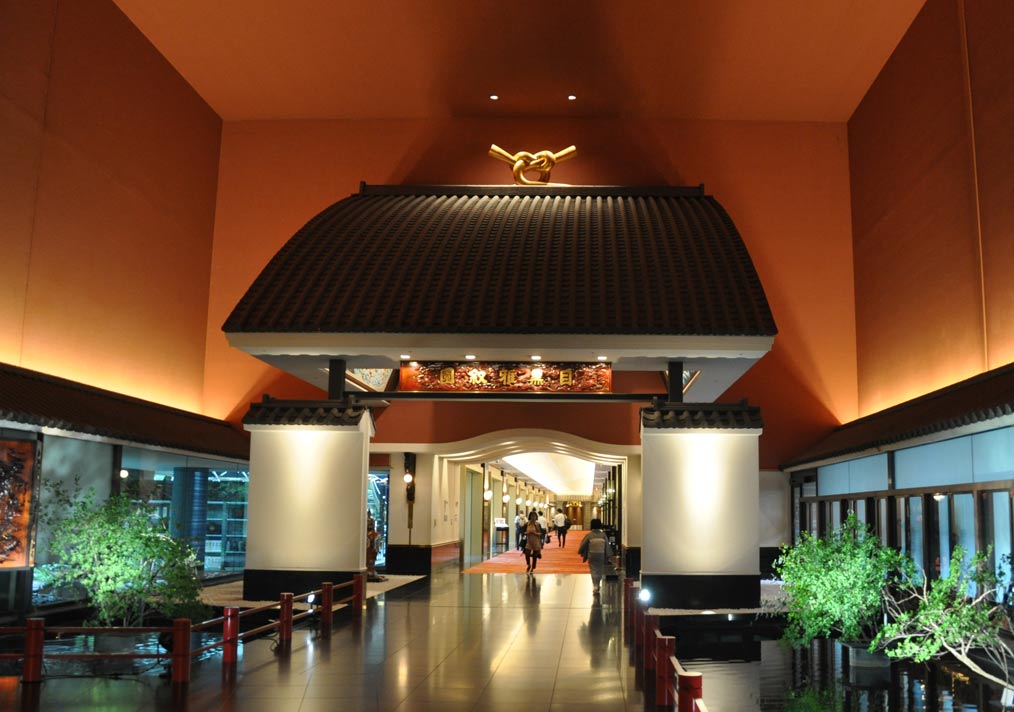
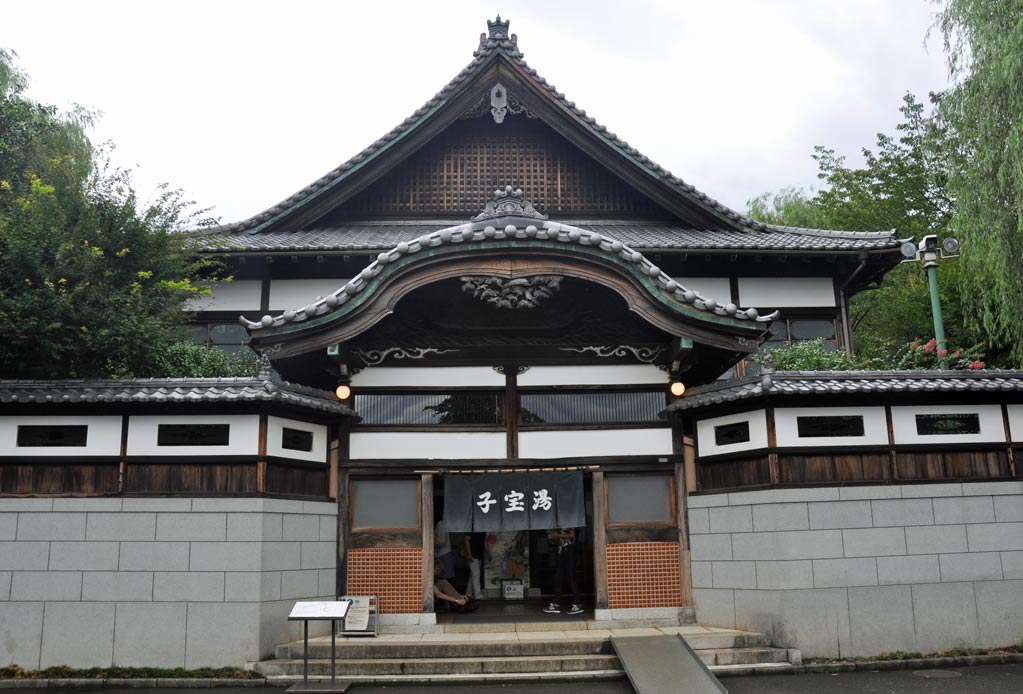
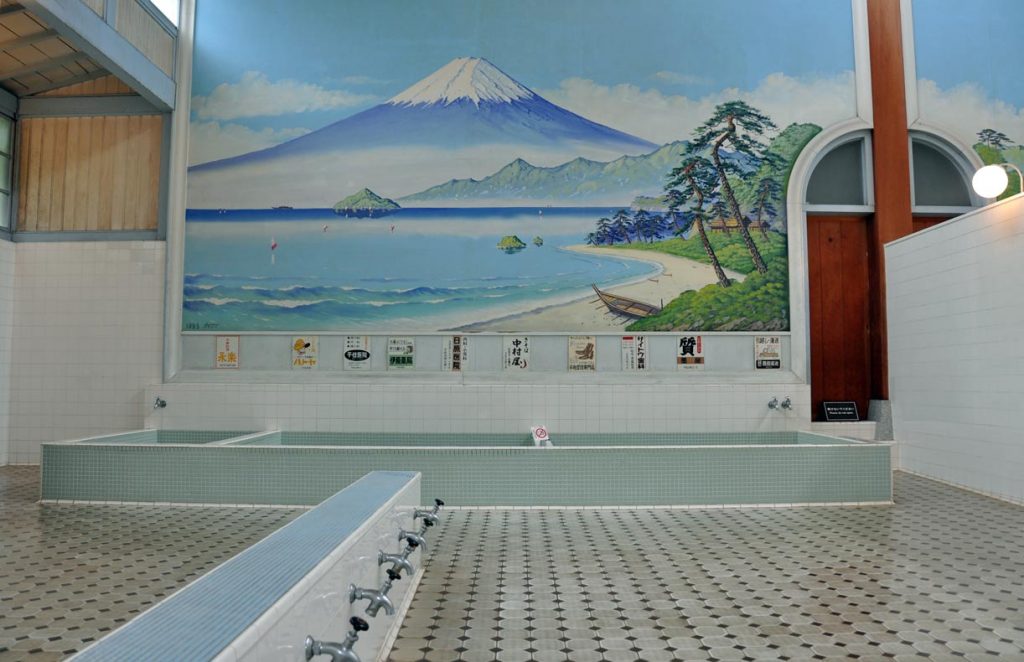
The Ghibli Tour is based on a bus tour and includes the Ghibli Museum, a buffet lunch at Hotel Gajoen Tokyo (a possible inspiration for the Aburaya bath house in Spirited Away, and the Edo-Tokyo Open Air Architectural Museum.

Bizarrely for a tour that starts at 10am (or thereabouts) it starts with “lunch” at 11am at the hotel and the hotel’s link to Spirited Away felt like a stretch.

Does the entrance to the main building really look like the bath house? Does the open plan set of floors really reming me of the floors inside the Spirited Away bath house? Not convinced.

Next the tour took us to the Edo-Tokyo Museum.

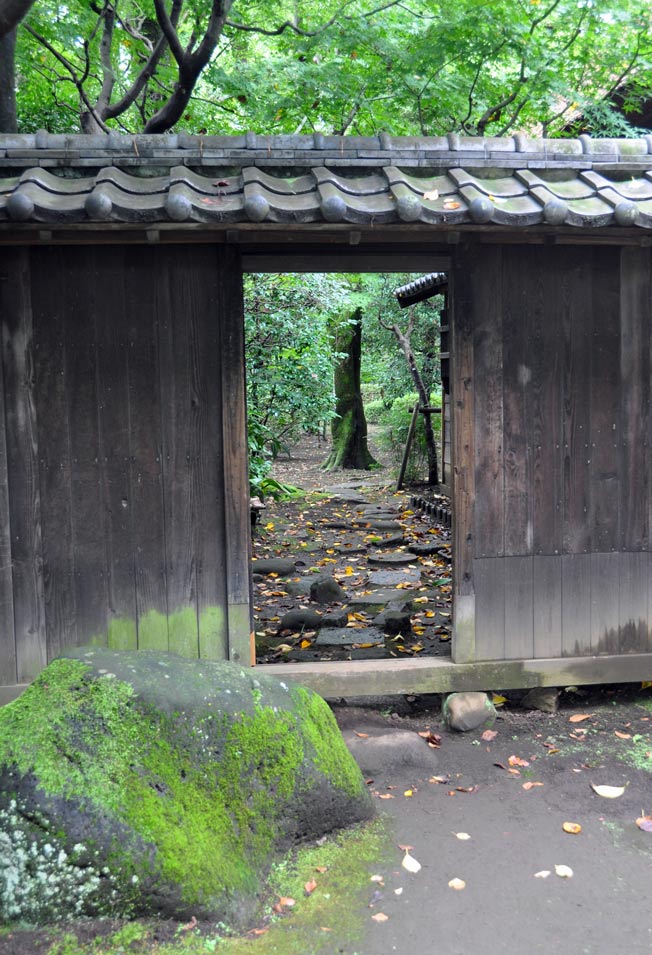
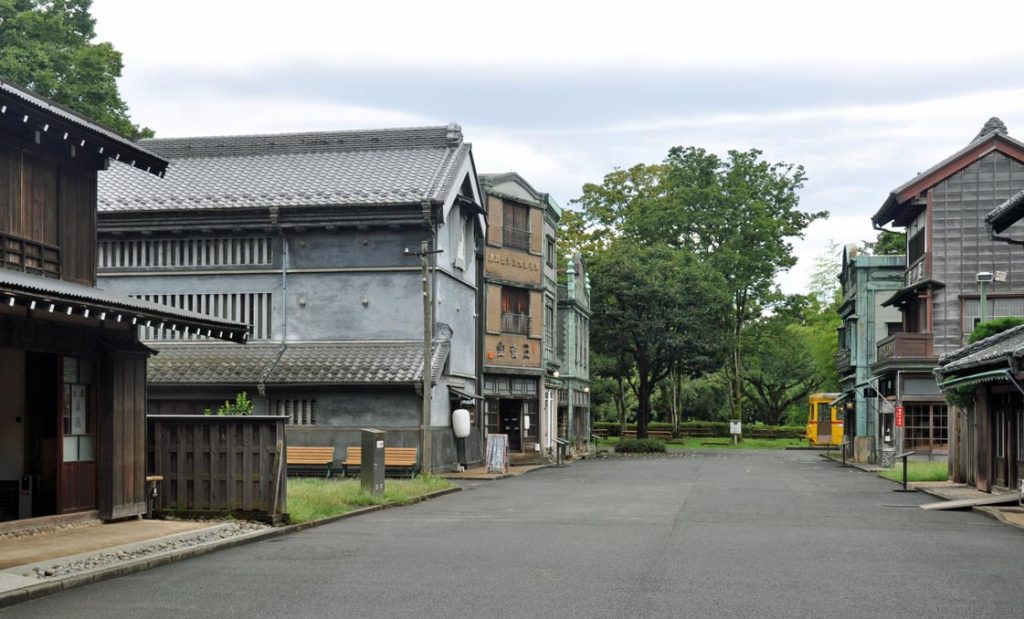
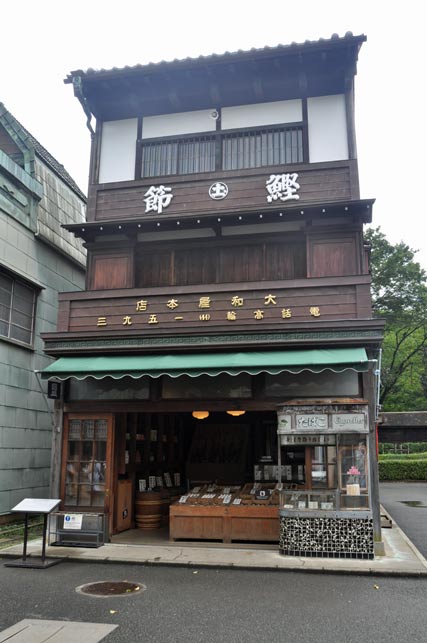
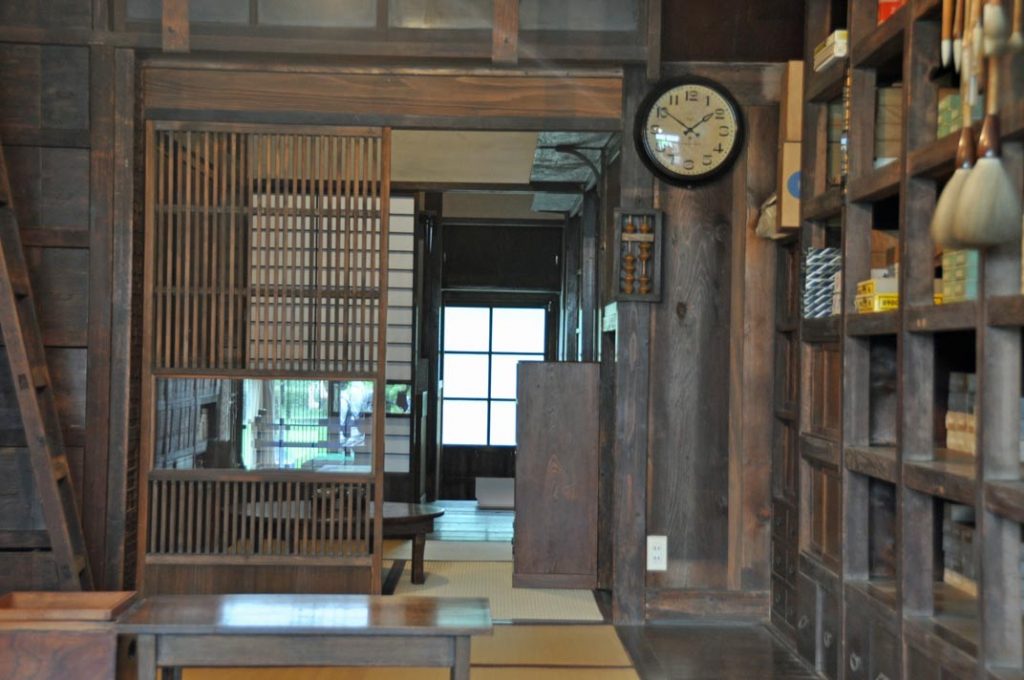
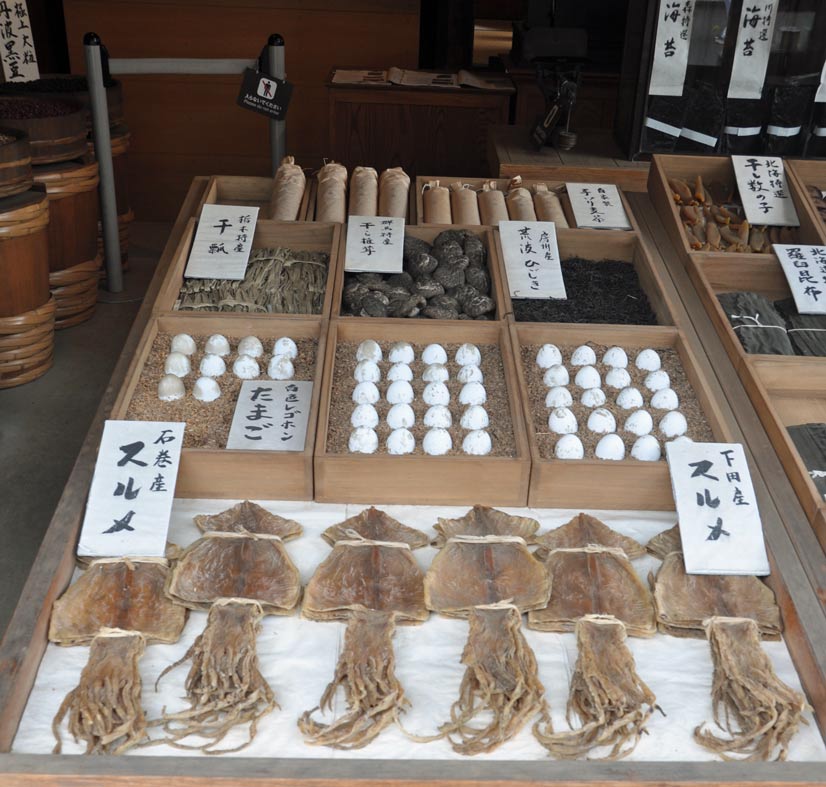
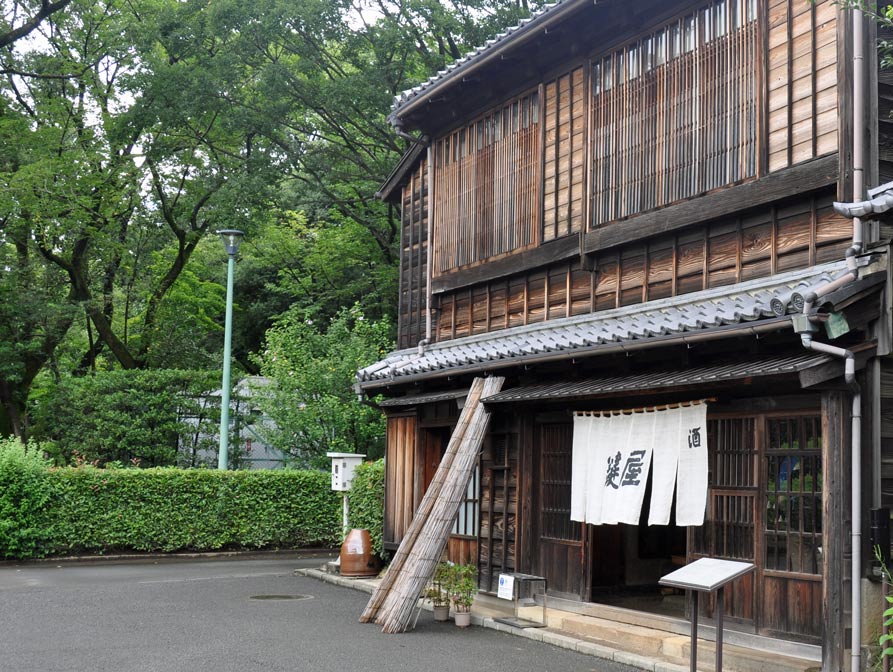
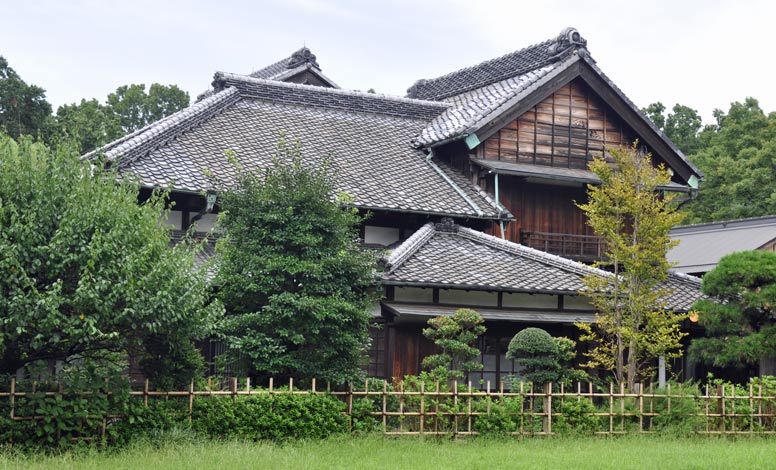
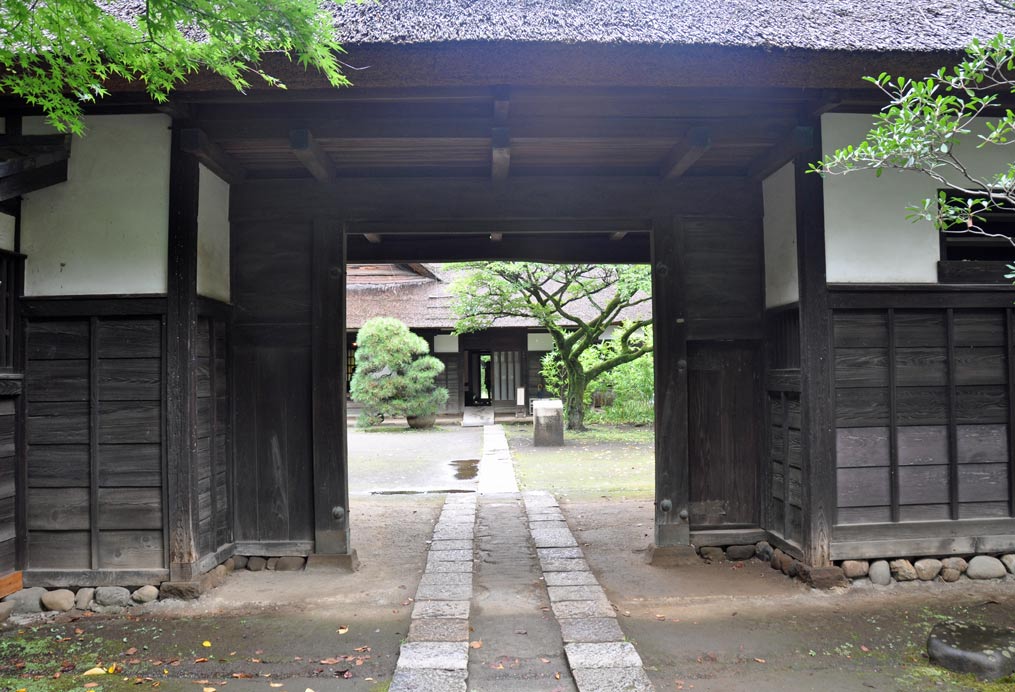
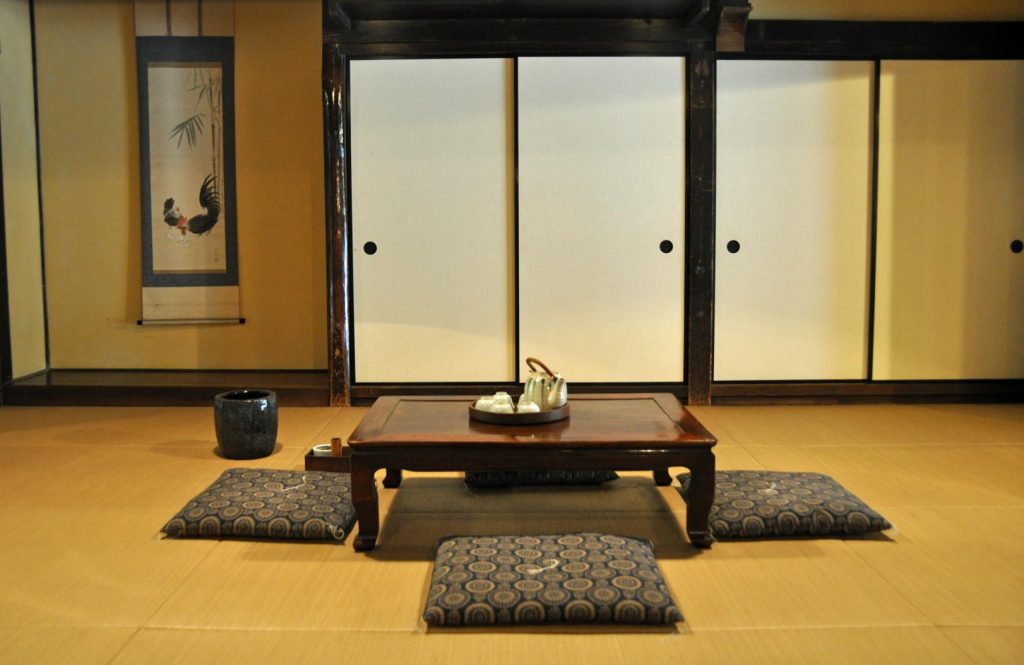
Here historical buildings from across Japan have been reconstructed in the middle of a wooded park, to create the atmosphere of feudal era Japan – it’s supposed to feel like walking through a Ghibli set. And the links to Ghibli are much more obvious.

Edo Tokyo Museum
Edo Museum, Tokyo

You can believe that the people working at the nearby studio came here for a packed lunch in the museum park.

Edo Museum Tokyo

On a damp day, an empty street of historic buildings could very plausibly be the inspiration for the empty daytime row of shops leading to the bath house.

Bathhouse Edo Museum Tokyo
Edo Museum

As well as the main street there are various traditional buildings and a tram very reminiscent of the “train” over water in Spirted Away.

Edo Museum

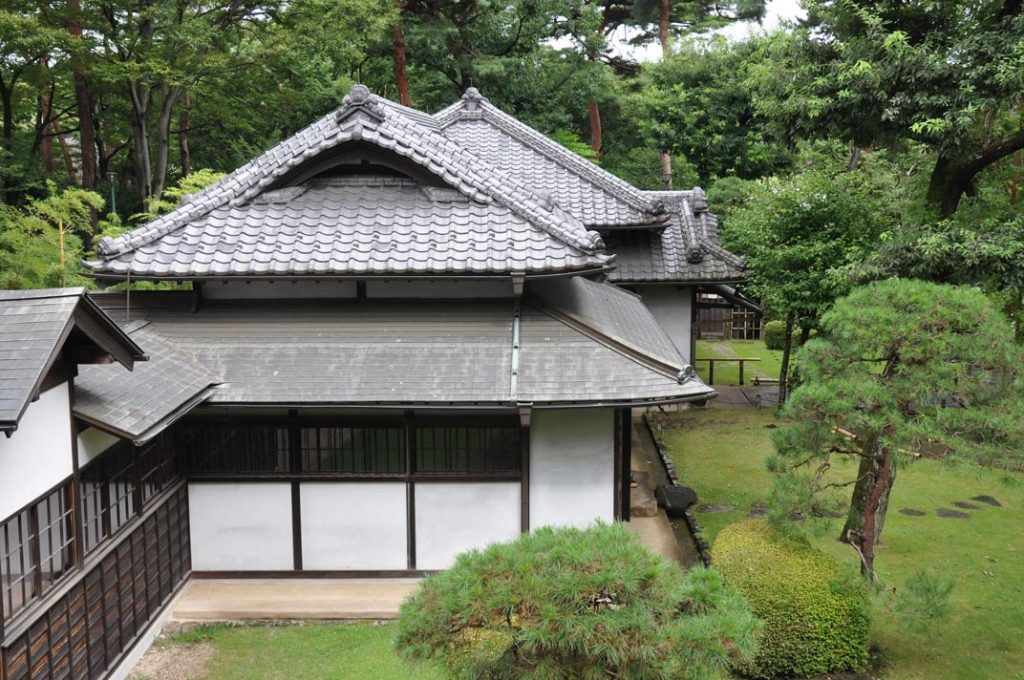
Although nothing to do with the film, the farmhouse rebuilt at the museum was very beautiful

Edo Museum Tokyo
Edo Museum Tokyo
Edo Museum

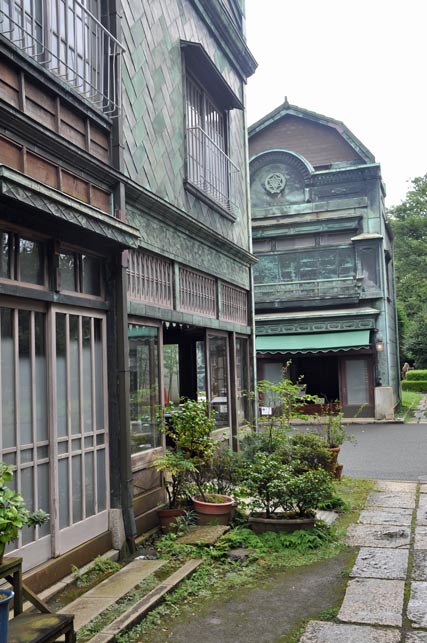
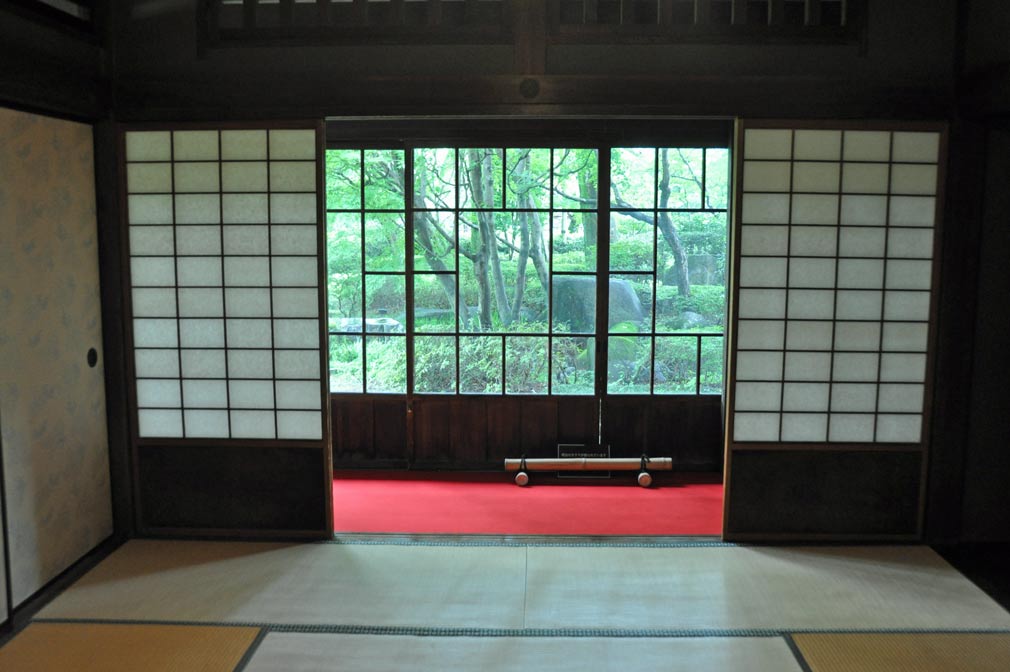
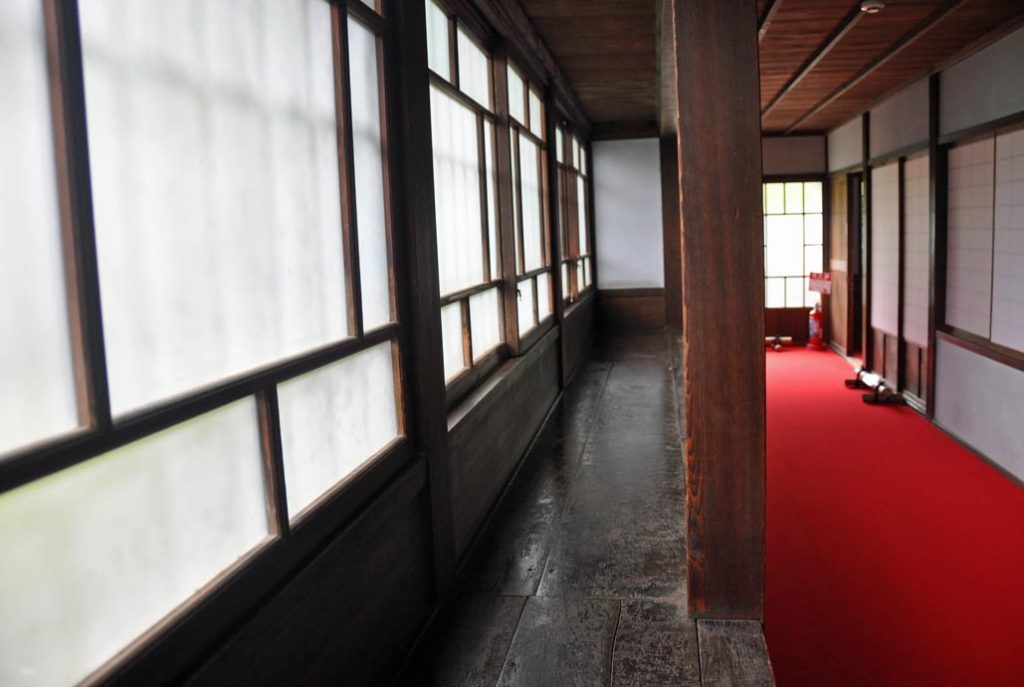
The House of Korekiyo Takahashi, a politician of the Meiji period and the site of apolitical coup, has perhaps more links to Ghibli, with its windows very reminiscent of those of Yubaba’s through which Haku was attacked.

Edo Museum Tokyo
Edo Museum
Edo Museum Tokyo

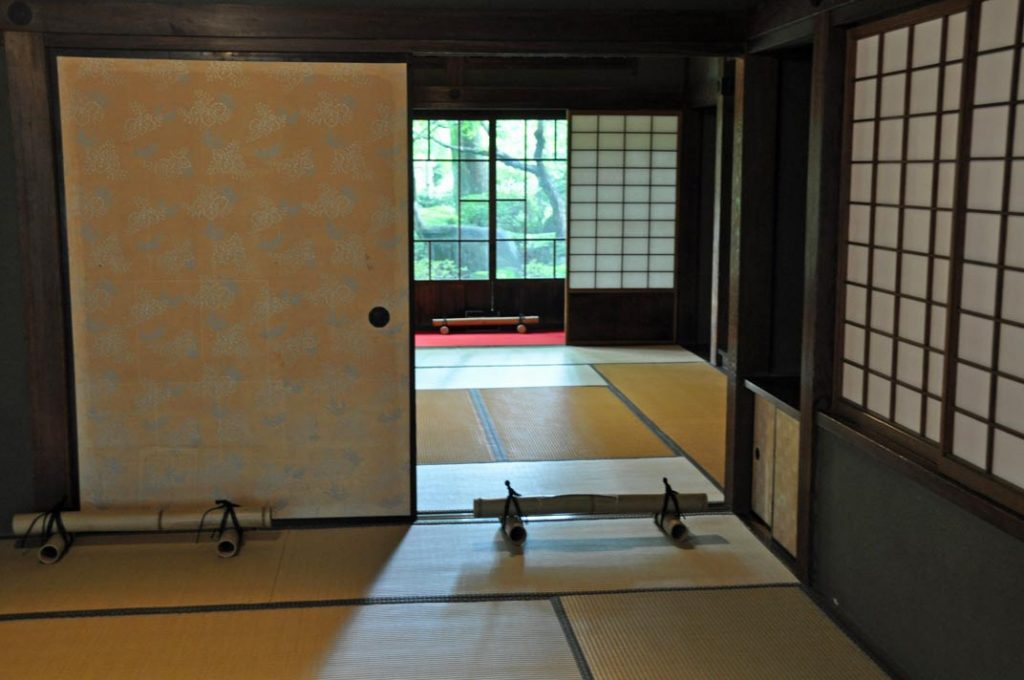
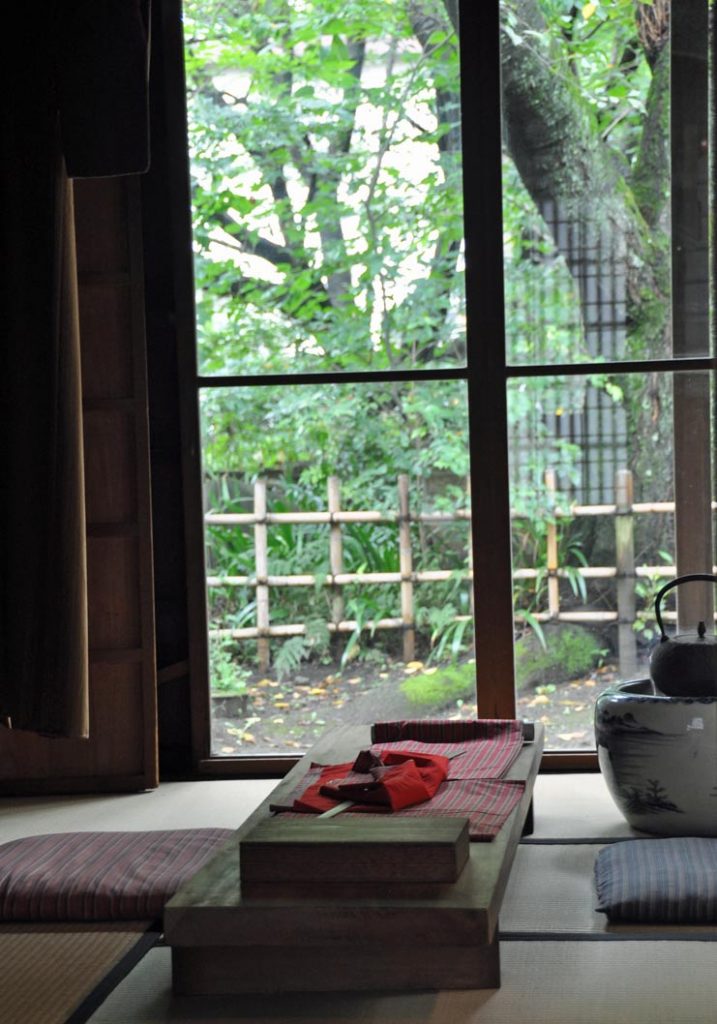
But as always, it is the details of life, the feel of the place that was most striking – very serene.

Edo Museum
Edo Museum

Japanese Curry Brick

Just back from Japan and we’re missing the food already. Japanese curry is a funny sort of thing, but made immeasurably easier to cook with a pre-prepared curry brick that can be dissolved to make a quick curry sauce.

Japanese Curry Brick

FOR THE SPICE MIX:

  • 1 (2-inch) cinnamon stick, pounded into small pieces
  • 1 dried bay leaf
  • 1 tablespoon brown mustard seeds
  • 1 tablespoon coriander seeds
  • 1 tablespoon fennel seeds
  • 1 tablespoon cumin seeds
  • 1 teaspoon fenugreek seeds
  • ½ teaspoon whole cloves
  • 2 cardamom pods
  • 1 dried shiitake mushroom, broken into pieces
  • 1 (1-inch strip) dried kombu, cut into bite-size pieces
  • 1 ½ teaspoons whole black peppercorns
  • 1 orange, zested
  • 1 tablespoon ground turmeric
  • 1 tablespoon ground ginger
  • 1 tablespoon sea salt
  • 1 teaspoon sweet paprika
  • 1 teaspoon cayenne pepper, or more to taste

FOR THE ROUX:

  • 1 ½ cups/340 grams unsalted butter (3 sticks)
  • 2 ¼ cups all-purpose flour
  •  Nutritional Information

PREPARATION

  1. In a large skillet, toast cinnamon, bay leaf, mustard seeds, coriander seeds, fennel seeds, cumin seeds, fenugreek seeds, cloves and cardamom pods over medium heat, stirring until fragrant, about 2 minutes. Be careful not to burn the spices. Transfer the toasted ingredients to a spice grinder.
  2. Add the mushroom, kombu and peppercorns to the spice grinder, and grind at the highest speed for 30 seconds. Shake the grinder a couple of times as you blend to make sure the cinnamon stick is pulverized. (You can also grind the spices in batches, if necessary.) Transfer the pulverized spices to a small bowl. Add the orange zest, turmeric, ginger, sea salt, paprika and cayenne pepper.
  3. To make the roux, melt the butter in a large saucepan over medium-high heat. When the butter is nearly melted, lower the heat to medium-low. Gradually whisk in the flour, and cook, stirring constantly, until the roux turns light brown, 15 to 20 minutes. Be careful not to burn the roux. Turn off the heat, add the spice mix and stir until well combined.
  4. Divide the mixture among three mini aluminum loaf pans, adding about 3/4 cup per loaf pan, or transfer the entire mixture to a parchment-lined quarter-size sheet tray. Let cool for a few minutes at room temperature, then transfer to the fridge so the bricks can solidify. Once firm, unmold, cut each brick into 9 small curry brick cubes (or, if using a sheet tray, cut the mixture into 27 pieces total) and wrap tightly in plastic wrap. Store in the refrigerator for about a month or in the freezer for 3 months.

Tip

  • To make a Japanese curry, heat 4 tablespoons of light sesame oil in a large pot over medium-high heat. Add 1 chopped white onion, 1 chopped carrot, 1 peeled and quartered potato, 2 minced garlic cloves and about 1 1/2 pounds squash. Sauté, stirring occasionally, for about 10 minutes. Add 4 cups stock, and simmer for about 15 minutes, then add 3 small curry brick cubes, and simmer gently until the curry has thickened, about 10 minutes. Season to taste with miso, soy sauce, sake and minced fresh ginger, and serve over hot rice.

Japan

A family trip to Japan was a mixed blessing. Two out of the four adored the country and the trip but the other two, not so much.

My partner was anxious the entire time, and it’s a country that really does not merit any anxiety at all. It is safe, secure and reliable. Japanese people are helpful and kind to guests. As a self-guided holiday destination it just works really well.

Tokyo subway

We used public transport to get around every day, covering large distances and only one train was late (by less than 5 minutes). Announcements are in Japanese followed by English, both spoken and written.

Though sometimes working out what the translation meant took some time.

So either my partner is just becoming more anxious with age which my friends tell me is definitely “a thing”. Or it was because of my psycho second daughter.

Let’s start with the obligatory (and entirely true): I love both of my children.

On holiday in Japan, however, one of them was a lot easier to like. It was probably just a reaction to the inevitable stress of an overseas holiday spent travelling around. I’m under no illusions that it’s a holiday type that really does not suit some people. Many of my friends are quite clear that, for them, almost constant travelling from place to place would be the holiday from hell.

So now that my kids are both around 20, maybe it’s time to stop travelling as a family. except the oldest child was just a total delight to travel with and I’m left wondering whether we could just split the parents and kids up 2:2 and just do different holidays. Hmm. I do not have the social skills to explain that to either my partner or youngest child.

Either way, Tokyo was everything a busy modern city should be, and clean, and safe. It was astonishingly mono-culture (and mainly mono-colour) for someone visiting from London.

The food was astonishingly good and accessible even for vegetarians. Travelling around it was often easier to look for vegan food than to explain vegetarian presumably because dairy isn’t so popular within Japanese food. fast food largely consisted of noodle bars and nigiri to go for us, but the choices for unrestricted diets was extraordinary.

If my youngest child hadn’t insisted on heading back to the hotel mid-afternoon and them refusing to leave until morning, we would have enjoyed the whole experience a lot more. Tokyo felt like an evening city. Maybe all cities light up well but it was a place that also felt incredibly safe at night.

I just wish the company had lived up to the location.

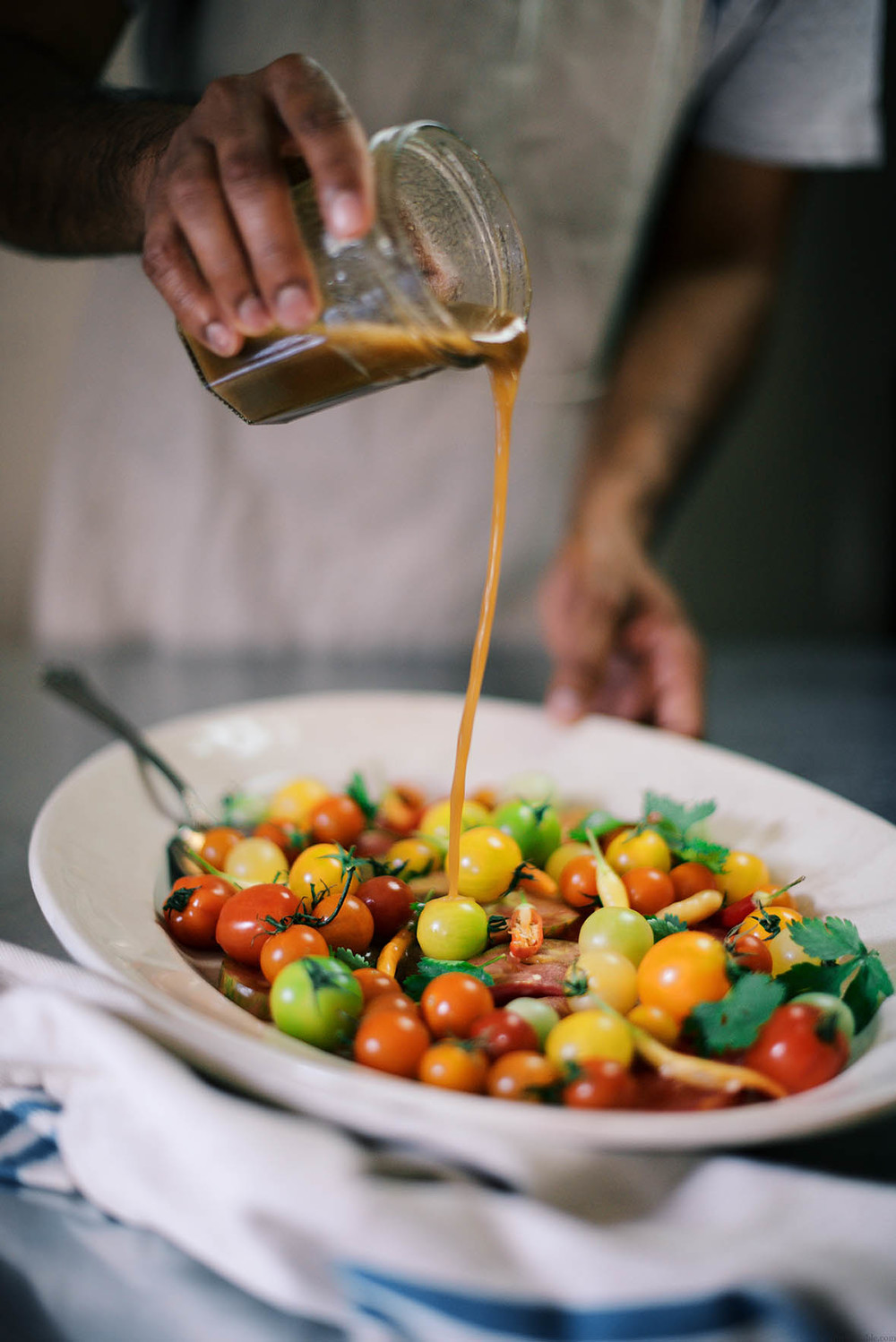
Salad with a tamarind dressing

You could make this with something as simple as a plateful of ripe tomatoes, but for the post-match supper at the tennis club, I’ve used the dressing with roasted vegetables, bulked out with some cooked lentils.

summer tomato salad with sweet tamarind dressing | A Brown Table

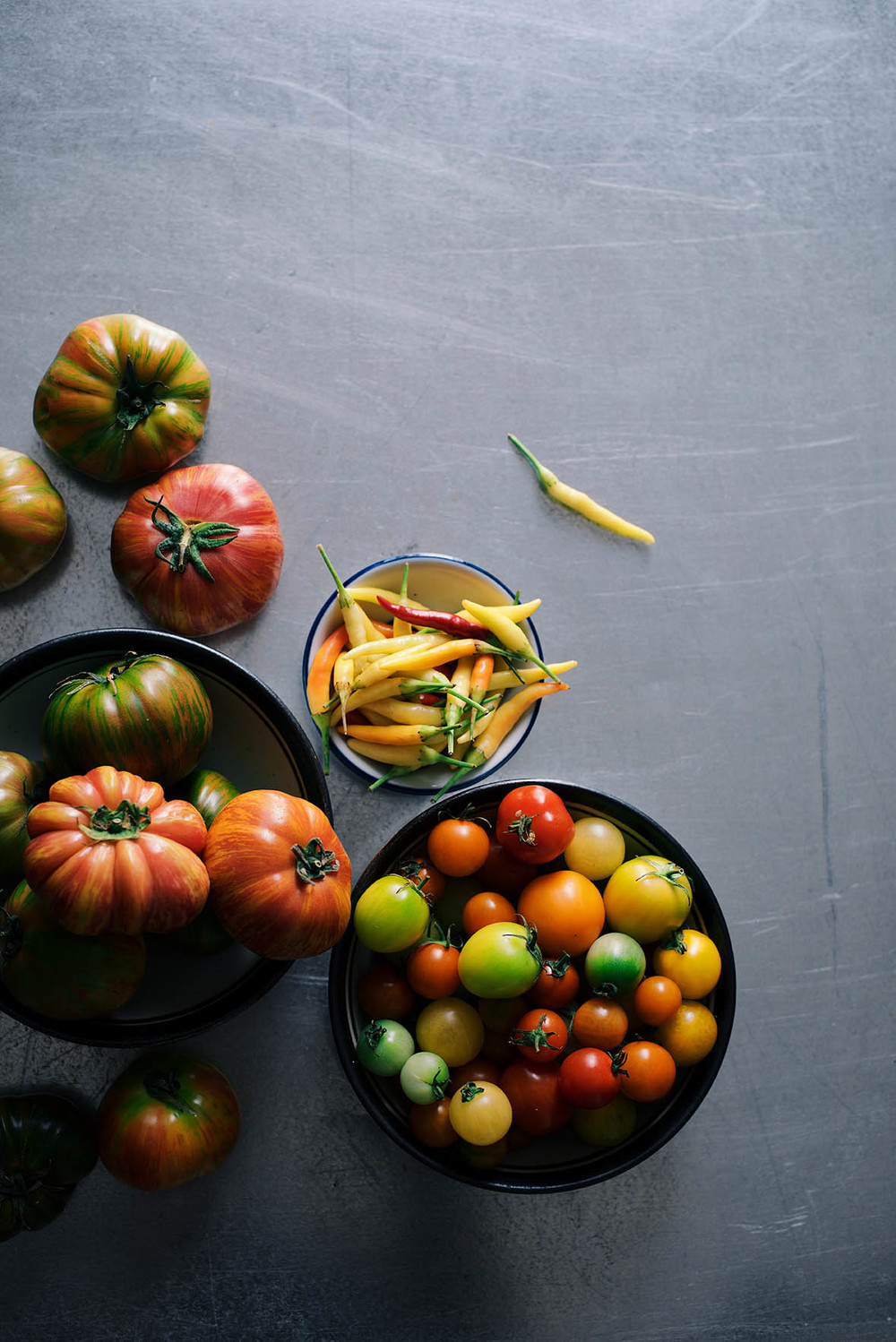
All salads should be easy to make and shouldn’t require a huge amount of work. This recipe adds fresh brightly colored chilies for heat and color along with fresh cilantro leaves.

summer tomato salad with sweet tamarind dressing | A Brown Table

Ingredients

  • 2 large heirloom tomatoes (see notes above) & 2 cups cherry tomatoes, OR:
  • Around 1kg roasted vegetables e.g. half butternut squash, baby onions, sweet potatoes
  • Cooked puy lentils
  • 4 thai chili peppers, red and yellow color
  • 2 tablespoons whole cilantro leaves, fresh
  • 1/2 teaspoon fine grain sea salt 
  • 1/2 teaspoon black pepper powder, freshly ground + extra if needed
  • 2 teaspoons tamarind concentrate 
  • 1/2 teaspoon fresh lime juice
  • 3 teaspoons dark brown sugar or jaggery crushed
  • 1/4 teaspoon toasted coriander powder, freshly ground (see notes above)
  • 100mL cup water
  • 1/2 cup extra virgin olive oil
  • 1/2 teaspoon Maldon sea salt flakes
  1. Thinly slice the heirloom tomatoes and arrange them on a serving platter. Add the cherry tomatoes over them. OR assemble roast vegetables .
  2. Slice the chili peppers lengthwise in half and arrange them over the tomatoes. Sprinkle the cilantro leaves over the tomatoes. 
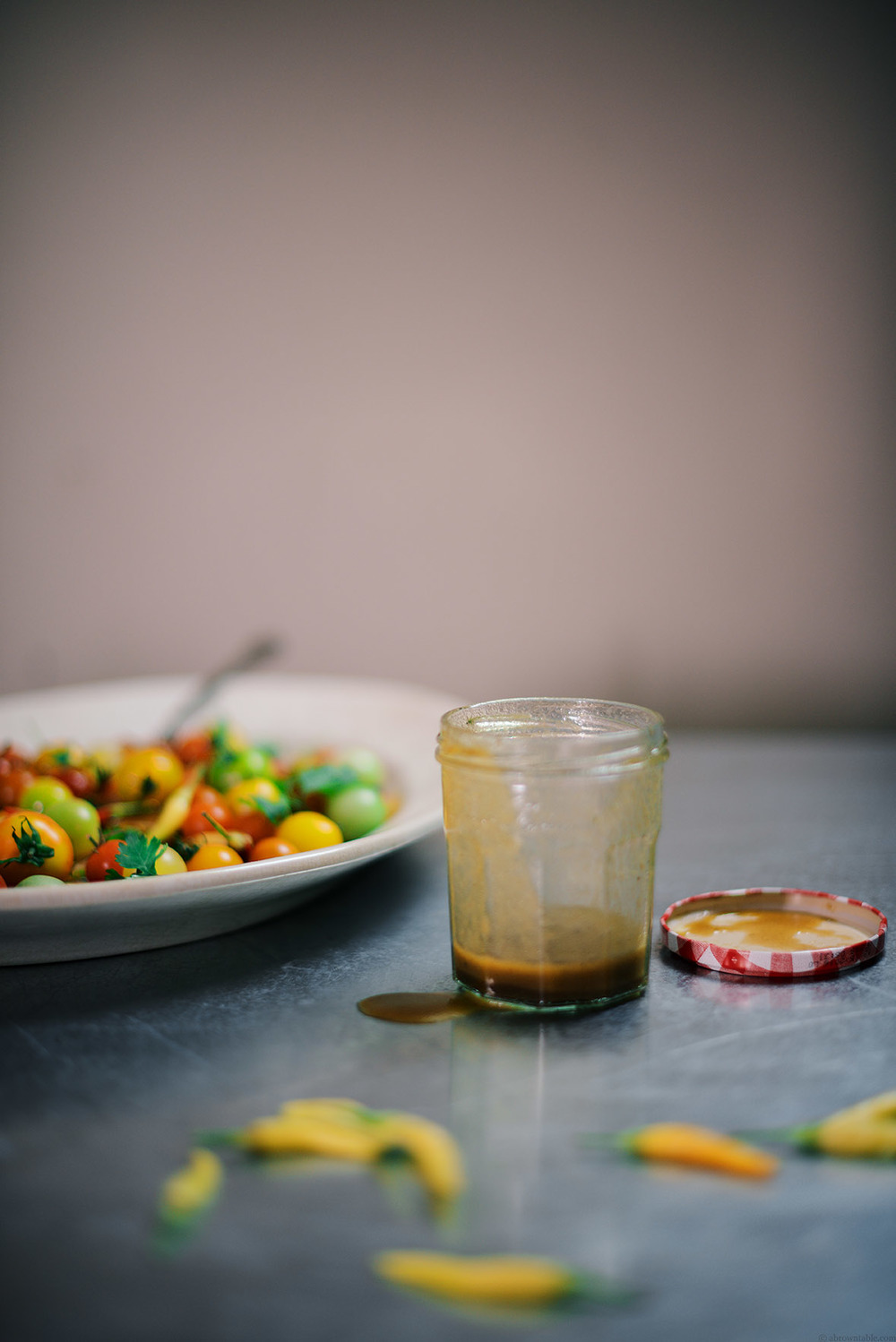
  3. Take a 500mL mason jar or glass jar with a lid. Add all the ingredients from the tamarind to the olive oil. Close the jar tight with its lid and then shake vigorously until it forms an emulsion. Taste the dressing and adjust seasoning if necessary with salt and pepper.
  4. Drizzle enough dressing over the salad and sprinkle with the Maldon sea salt flakes and/or pepper if needed. Serve immediately.
summer tomato salad with sweet tamarind dressing | A Brown Table

Not dead yet

The hanging baskets are still alive. After a few days of drenching rain, the main garden is looking green and lush but the rest is a little bit depressing.

Just as one part of the garden seems perfect, some other part runs out of control. And at the moment so many pieces of the garden seem flawed that I’m daunted. I’d like to start laying another flower (rose) bed but it seems a bit pointless until the rest of the garden falls into place. I need a list.

  • Gravel garden. Too many plants dies last Summer and stripping and relaying the garden to repair the flat roof hasn’t helped at all. It looked relatively elegant in the Winter, but right now the gravel is covered with speedwell and just looks mostly abandoned. Plus cats have started to scrat in amongst the gravel.
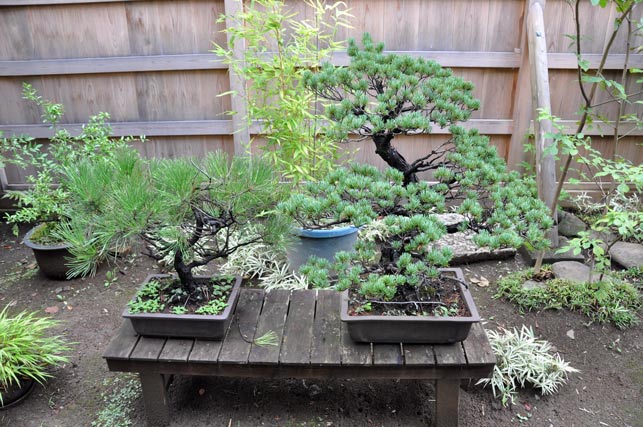
    • Weedkiller on the speedwell in the gravel.
    • Cutback the dead plants and consider replanting en-masse
  • Underneath the holly tree there is a more or less abandoned compost “beehive” useless because it’s just too dry to make compost. Some of the houseleeks have taken root but not enough to make a feature of the place.
    • Empty the beehive and move the composter to the dark garden where even if it isn’t effective (also dry) it will at least look better than weeds.
    • Plant more houseleeks
  • The dark garden is overrun with euphorbia and geraniums except for under the yew trees where nothing is growing at all. The fatsia in one of the planters is looking dreadful and cats have started to scrat.
    • Take out much of the geranium to give other plants some space and take out most of the euphorbia (wear gloves)
    • Re-lay the bed in the dark garden and move plants from underneath the yew hedges leaving a relatively large unplanted area. Consider what to do with the space and whether or not the largest compost bin can be dug out and abandoned to add to the space.
    • Dse the pots being babied down by the house to top up any dead zones
  • The beds at the front garden look messy, overrun with the remains of alliums that never really seemed worthwhile. Without pots to cheer up the space, it just looks bare.
    • Either strip the mess out or plant some fleabane over them
  • Bedding still waiting to be planted out
    • Get on with it – using available family
  • I want an extra rose bed at the back before the yew hedge, maybe raised with sleepers to make it easier. I need to find a man to do the work and price up the sleepers, topsoil and labour though this all assumes I can persuade my partner to cut up some lawn.
    • Do some research and ask around.

Lentil Tort

This is based on a very old Cranks recipe, turned into more of a pastry less quiche than a lentil bake. It can be eaten warm or cold.

INGREDIENTS (Serves: 12)

  • 175 grams red lentils (washed and drained)
  • 350 millilitres water, add more as required
  • 225 grams cheese (grated – something with a kick to it such as mature cheddar or Gouda)
  • 1 onion, diced
  • 8 eggs beaten
  • salt (to taste)
  • pepper (to taste)

METHOD

Heat the oven to 190C 

Boil the lentils in the water with the lid on until the lentils are soft  (around 15 minutes) adding more water if the pan runs dry. Meanwhile fry the onions until soft.

Take the pan of the heat and stir the onion into the lentils. Add the cheese and mix well. Allow to cool slightly and add the eggs

Put the mixture in a rectangular cake/bread mould or a springmould. Bake in the oven for 45-50 minutes. Let cool for at least 10 minutes before serving.

Variations:

  • Add vegetable stock cube OR 1 tsp marmite OR 1 tbsp white miso to the water and lentils
  • Add asparagus, tomatoes etc to the basic mixture

Or if you want something significantly different, fry chilli and garlic with the onions before adding to the lentils. Leave out the cheese altogether. Press onion rings into the top of the lentil mix in the tin and bake. Serve this with a curry in place of a dhal side dish.

And then there is an alternative lentil dish that sounded wonderful:

MISIR WOT (LENTIL STEW)

Looking for a recipe for a red lentil bake, something from my very first days as a vegetarian and came across a Moroccan version with spiced butter.

Method

1Begin by making the niter kibbeh. Place the butter in a saucepan along with the rest of the ingredients and simmer over a very low heat for about 20 minutes. The butter solids should be starting to caramelise into a beurre noisette but be careful not to cook too long, or it will burn

2 Line a sieve with a piece of muslin or coffee filter and strain the butter into a bowl

3 To make the stew, add 4 tbsp of the niter kibbeh to a medium pan and add the onions and garlic. Cook over a medium-low heat until softened

4 Add the berbere and tomato purée and cook out for a further minute. Add the chopped tomatoes and cook down for 8 minutes until the tomatoes start to break down a little. Keep stirring to avoid them sticking to the bottom of the pan

5 Rinse the lentils, then add them to the stew along with 500ml stock. Simmer for 30 minutes, stirring occasionally

6 Serve the misir wot with extra niter kibbeh drizzled over the top