All posts by northlondonhousewife

Gin Pickled Cucumber

There are two approaches to January but if the alcohol comes in the form of a pickle, does that make it better or worse?

People love the idea of gin, mint and cucumber on ice with a dash of tonic, and this recipe mixes that idea up, making the cucumber the headliner for a change, not the gin.

Makes 4-5 x 300ml jars

Ingredients

2 large cucumbers
1 bird’s-eye chilli
1 lime, zest and juice
500ml white wine vinegar
1 tbsp granulated sugar
12-15 juniper berries (3 in each jar)
8 baby round shallots
2-3 sprigs fresh mint
100-125ml gin (25ml per jar)

Instructions

Finely chop the chilli and put in a medium stainless-steel saucepan with the lime zest and juice, vinegar, sugar, juniper berries and1½ teaspoons of sea salt. Bring to a gentle simmer, dissolving the sugar and infusing the flavours for around five minutes. Remove from the heat and leave to cool while you prepare the other ingredients.

Finely slice the cucumbers – a mandolin does this perfectly but you can slice them with a knife if you don’t have one or prefer thicker slices. Peel and finely slice the shallots. Strip the mint leaves from the stalks.

Start by stacking layers of cucumber, shallot and mint into warm, dry sterilised jars until the jars are half full. Add 25ml gin and three juniper berries (from the vinegar brine) to each jar and continue to stack, until the vegetables are about 1cm below the rim.

Fill the jars with the vinegar brine, distributing the remaining spices (in the brine) evenly between them and gently pushing down on the contents to let out the air bubbles. Tap the jars gently on a hard surface to remove any more bubbles, add more brine if necessary to completely cover the vegetables, then seal.

Eat the next day if you like a crunch to your pickle, or keep sealed for up to four weeks in a cool, dark place to allow the flavours to marry.

Keeps unopened for up to six months. Once opened, refrigerate and eat within four weeks.

A new slogan for the bus

The real price of Brexit begins to emerge as FT research shows that the weekly hit to the British economy could be the same £350m that Leave campaigners promised to claw back

The big red bus emblazoned with the words “we send the EU £350m a week, let’s fund our NHS instead” is credited as being decisive in Britain’s vote to leave the EU last year. It promised — in absolute terms — financial gains for the British public if they voted to leave, a stark counterweight to a majority of economists who warned that a departure would hurt Britain.

The pre-referendum estimates of the long-term pain ranged from a hit to the economy of 1 to 9% of national income — an annual loss of gross domestic product of between £20bn and £180bn compared with remaining in the EU yet the Leave campaign won the battle of the slogans, and the referendum.

But who is winning the economic argument?

Almost 18 months on from the Brexit vote and with 15 months of detailed UK data, it is now possible to begin to answer that important question.

Economists for Brexit, a forecasting group, predicted that after a leave vote growth in GDP would expand 2.7% in 2017. The Treasury expected a mild recession. Neither was right. The 2017 growth rate appears likely to slow to 1.5% at a time when the global economy is strengthening.

A more pressing question is to assess the impact compared with what would have happened had the vote gone the other way.

This work has started, and includes a range of estimates calculated by the Financial Times suggesting that the value of Britain’s output is now around 0.9% lower than was possible if the country had voted to stay in the EU.

That equates to almost exactly £350m a week lost to the British economy — an irony that will not be lost on those who may have backed Leave because of the claim made on the side of the bus.

Jonathan Portes, professor of economics and public policy at King’s College London and one of the academics leading publicly funded research into the effects of Brexit, says: “The conclusion that, very roughly, Brexit has already reduced UK growth by 1% or slightly less seems clear.”

Companies are becoming more vocal over the economic hit, blaming the government’s slow handling of the Brexit negotiations for a weaker business climate. In October, the International Monetary Fund highlighted Britain as a “notable exception” to an improving global economic outlook, while the OECD, the Paris-based club of mostly rich nations, has raised concerns about “the ongoing slowdown in the economy induced by Brexit”.

Thomas Sampson and colleagues at the London School of Economics have examined the direct effect of sterling’s depreciation since the EU referendum on prices and living standards. With the pound falling about 10% following the June 2016 result, inflation has risen more in Britain than in other advanced economies.

It started with petrol prices and spread to food and other goods, pushing overall inflation up from 0.4% at the time of the referendum to 3.1% last month. When looking at prices, depending on the level of import exposure of different goods and services, the LSE study estimates that the Brexit vote directly increased inflation by 1.7% of the 2.7 percentage-point rise in the 12 months after the referendum.

And with wage inflation stuck at just over 2%, “the increase in inflation caused by the Leave vote has already hurt UK households”, Mr Sampson says. He calculates that “the Brexit vote has cost the average worker almost one week’s wages”, but adds the figure could be higher or lower if a complete evaluation of the economic impact was applied rather than just the initial squeeze on incomes from leaving the EU.

Other effects are more apparent.

Business investment grew at an annual rate of 1.3% in the third quarter, compared with a March 2016 official forecast for annual growth of 6.1% for the whole of 2017.

Exports, boosted by sterling’s depreciation, have proved more resilient. The OBR now expects a 5.2% rise in the volume of goods and services sold abroad in 2017 compared with a pre-referendum prediction of 2.7%.

Net migration to the UK from the EU fell by 40% in the first 12 months after the vote. Professor Portes last year predicted an ultimate decline of between 50 and 85% on net migration levels before the referendum. “Arithmetically, this reduction [of 40%] of net EU migration translates into a reduction in growth of 0.1 to 0.2%,” he says.

Economists working to estimate the overall Brexit impact on the economy need to build a counterfactual scenario — an imagined world in which Britain had voted to remain in the EU — to compare that with Britain’s economic performance since the vote. The counterfactual cannot be known for certain but it is possible to take a number of approaches, in three broad categories.

The first is to compare recent UK economic performance with its past. A worse performance than the UK has achieved over long historical periods or in recent years would support the view that the vote has hurt economic performance. But a shortcoming of this approach is that if the past year was always likely to be rather weak, this method could suggest a Brexit hit when there was none.

Comparing the UK performance with that of other countries is another option. Using its normal position in the G7 league table of leading economies is one possible technique, as is contrasting UK performance with the average of similar economies. A more sophisticated approach is to use a statistical algorithm to devise a historically accurate set of comparator countries, a method recently performed by a group of academics from the universities of Bonn, Tübingen and Oxford. These geographical techniques often smooth out concerns that the recent period might be unusual, but they are vulnerable to variations in other countries, such as a sudden boom in the eurozone that Britain was never likely to match.

A third tactic is to look at forecasts made for Britain’s economy before the referendum on the basis of staying in the EU and compare the actual outcome with these prior forecasts. Its weakness is that there was a wide range of pre-referendum forecasts, while its strength is that the figures reflect the best knowledge available at the time.

Jagjit Chadha, director of the National Institute of Economic and Social Research, says each of the methods are reasonable for generating an estimate of the impact of Brexit so far. “We can’t know how the [UK] economy would have responded to the news over the past 18 months, but there have not been any large shocks and the rest of the world has done slightly better than we thought likely a year ago.”

The results vary according to the comparisons made, but all show the UK economy has been damaged even before it formally leaves the EU on March 29 2019.

When the past five quarters are judged against the UK’s historical average growth rate, the 1.9% expansion in GDP achieved between the second quarter of 2016 and the third quarter of 2017 is lower than history would suggest is normal for the UK economy.

Depending on the period of comparison chosen, the UK economy would normally have been expected to expand by between 2.5% and 3.2% over the same period. The lower end of the range comes from more recent history, such as the average since a Conservative-led government came to office in 2010, while the upper boundary reflects Britain’s long-term performance in the 30 years before the financial crisis. The hit to the economy on this comparison is between 0.6 and 1.2% of national income.

Geographical comparisons produce a similar conclusion. Britain’s year-on-year growth rate tended to be close to the G7 upper range of outcomes over the past 25 years. Had that performance continued, British GDP would have grown 2.9% since the referendum. The statistical algorithm produces a significantly larger estimate of what would have been possible, suggesting Brexit has already removed 1.3% from GDP since the vote. This equates British performance to a weighted average of other countries, with the US, Canada, Japan and Hungary having the largest weights.

Asked whether it was reasonable to judge the UK’s performance against that of Hungary, Professor Moritz Schularick of Bonn University says, “like the UK, Hungary is a European economy and integrated into the production chains, but remained outside the eurozone with a floating exchange rate and therefore could use monetary policy more aggressively after the crisis”. Estimates using pre-referendum forecasts provide a range within almost the exact same boundaries — between 0.6% of GDP and 1.1%. The larger figure is based on analysis from Economists for Brexit, which initially predicted strong growth after the vote. Professor Patrick Minford, who carried out the forecasts for the group, blames “Office for National Statistics productivity estimates, [which] are not convincing because they have made no real attempt to estimate the growth in quality of services, such as in education and healthcare”.

But all of this was known before the referendum. Companies have been critical of Theresa May’s government saying that delays in talks with the EU have hit business

Overall, 14 different counterfactuals estimated by the FT and others give a range of a hit between 0.6% of national income and 1.3%, with an average of 0.9%.

With national income of £2tn in the year ending in the third quarter of 2017, it means the UK is likely to be producing £18bn less a year than would have been reasonable to expect and this is directly attributable to Britain’s decision to leave the EU. That is just short of £350m a week.

Brexit-supporting economists say the figures are reasonable.

Julian Jessop, head of the Brexit unit at the Institute of Economic Affairs, says: “Lots of sensible Brexiters accept there will be a short-term hit and it is unarguable that the economy is weaker than it would have been, I would say between 0.5 and 1% weaker.

As for the longer term, it’s all to play for. Brexit creates lots of opportunities, it is for the government to make the most of them.” Recommended Britain has more illusions to shed on Brexit

The UK economy since the Brexit vote — in 5 charts Brexit and the Budget: Hammond pressed to go ‘big and bold’ In the referendum campaign the big red bus was making a different comparison, an incorrect one, about the budgetary costs of the EU to Britain. It suggested Britain contributes almost £18bn a year to the budget, when the net cost in 2016 was calculated by the Treasury to be £8.6bn. And this leaves one last comparison that it is possible to make. Paul Johnson, director of the Institute for Fiscal Studies, says that “for every 1 per cent of GDP you lose, that’s getting on for £10bn a year of foregone tax revenues”. If 0.9 per cent of GDP has been lost over the five quarters for which data exists, there has already been a £9bn hit to the public finances.

So even before the UK has left the EU, the referendum result is costing the UK government more than can possibly be recovered by ending net contributions to Brussels.

Coeliac

I have a friend coming to supper with her family, which includes a son who has been diagnosed with coeliac disease. They also keep kosher, which for a vegetarian household is nothing to worry about.

We’re not going to mix meat and milk accidentally and if they’re willing to eat at our house, the lack of involvement of a Jewish hand in the cooking process is not going to worry them too much, or can easily be assuaged by them helping transport the food to the table.

But being coeliac and unable to eat gluten from wheat products does cause some issues.

Obviously bread and bread products are out of the running, along with pasta and pastry and that makes a meal centre piece a bit harder to achieve. You could go with something like a risotto (rice is fine) or even a rice filled aubergine loaf and it’s something we’ve given them before.

I’ve decided to go with a table of curries and related dishes, with rice as an accompaniment and some convenient poppadums that turn out to be gluten free. I’m not going to bother with naan bread etc because gluten free substitutes are rarely as good as you’d like.

But I’m not going to be too didactic about it. There is a surprising overlap between Indian dishes and Arab or even S American dishes when it comes to spice. I’ll have to be a bit careful about the latter because a couple of people around the table have incredibly bland palates. The trick will probably be to include a reasonable numbers of side dishes or relishes.

  • Aloo Papri Chaat – using something gluten free and snack like for the texture on top*
  • Vegetable Jalfrezi with paneer cheese**
  • Spinach with Coconut – part of the continuing and seemingly endless campaign to use up the desiccated coconut**
  • Dhal – probably with red split lentils**
  • Chilli Roast Butternut Squash with lentils**
  • Cucumber salad*
  • Mango Chutney*
  • Yoghurt Raita*
  • Curry Puffs – based on a Brazilian Cheese puff recipe made with tapioca (potato) flour
  • Basmati rice

& I’m going to think about either minted pineapple for desert or a carrot halva**.

Making so many separate dishes means a fair bit of work, but a lot can be done in advance, or substantially in advance*

A couple will just need warming through last minute**

And the rice plus curry puffs will need to be made fresh, though the rice is forgiving enough.

It’s a plan.


Clafoutis

I’ve a couple of bags of frozen cherries at the bottom of my freezer, and I need the space. One can be used to make a compote, good with yoghurt or on top of my breakfast porridge.

The other is going to be used for a clafoutis.

Ingredients

  • ½ tablespoon unsalted butter (at room temperature) , for greasing
  • 1 tablespoon sugar
  • 300 g cherries
  • icing sugar , for dusting
  • BATTER
  • 60 g plain flour
  • ½ teaspoon baking powder
  • 3 large free-range eggs
  • 60 g sugar
  • 300 ml milk
  • ½ teaspoon vanilla extract
Cherry clafoutis

Method

  1. Preheat the oven to 180ºC/gas 4.
  2. Mix all the batter ingredients with a pinch of sea salt in a blender or food processor until totally smooth, then set aside for 20 to 30 minutes.
  3. Meanwhile, grease a 25cm round baking dish with the softened butter, then sprinkle over the sugar.
  4. Dot the cherries (stoned, if you prefer) around the base of the dish, then place in the oven for 5 minutes so the fruit can begin to soften.
  5. Remove the dish from the oven and pour over the batter until the cherries are just covered. Return to the oven to bake for about 30 to 35 minutes, or until puffy and golden.
  6. Dust the clafoutis with icing sugar and serve lukewarm.

Lists

This time of year might be one of cheer and goodwill, but it’s also a time for lists. By this time, my list has taken on either a hint of desperation or resignation, and the latter is far more soothing.

What will be, will be…

  • Write the final Christmas cards, usually for family, so fairly disastrous if they’re missing on Christmas morning;
  • Check the cupboards and fridge to make sure that all the required ingredients ordered were delivered and put away in a lace someone human would recognise. All that goodwill means there are plenty of hands willing to help put stuff away but it never seems to end up in the obvious place;
  • Make the mushroom risotto for tomorrow’s pie, and if you’re feeling good, think about making the pastry case also;
  • Consider knocking up a trifle, or maybe this year making 4 individual trifles in glasses because the trifle bowl is vast, we never get through it all and it takes up a huge amount of space in the fridge;
  • Dress the table ie. wrap it in some festive paper and make it look cheerful. Do not put out a cloth for the cats to trash with muddy footprints;
  • Plan tomorrow’s campaign.

Every family has some traditions they’ve inherited from their parents and some they’ve made all on their own. Our kids have been brought up with a stack of them, in part because I had so few. Christmas wasn’t exactly a non-event, but it certainly wasn’t as memorable as most seem to be.

We wake up Christmas Day and gather in the parents bedroom. Settled with a coffee, the kids open up the presents in their Christmas stockings which tend to be small and trivial but still get the day off to a good start.

Usually, there are pancakes for Christmas breakfast, whilst the preparation of the meal gets going with vegetables peeled (potatoes, parsnips, carrots) and the first two parboiled ready for roasting.

The first, main round of present opening happens post-breakfast and pre-church.

The local church service starts at 10:30 and finishes at around12ish with a glass of prosecco at the back of the nave.

Back home, and the oven is warm having been turned on by timer, and the vegetables can go into the over to roast. If we’re aiming for “lunch” at around 2pm, it means potatoes to roast in oven by 1pm, parsnips shortly thereafter, with the pie going in at 1:30.

The sprouts go onto boil for 5 minutes at around that time because they are drained and pan-fried with chestnuts just before serving. The carrots are put onto boil at about 1:45 and can be drained and fried with some honey or maple syrup with a dash of lemon.

There should be some cranberry sauce left over from topping the pie, plus some bread sauce heating up in the microwave. & hopefully someone else is laying the table in the dining room.

We have trifle for desert but everyone is far too full to eat it so we mainly retire to the living room for some telly.

Each to their own.

Wishing everyone a very happy Christmas!

Roast aubergine with curried yoghurt, caramelised onions and pomegranate

Half the challenge at this time of year is to plan what you’re going to eat on Christmas Day and to stick to it, and the last thing you need from anyone is more ideas about what to cook.

So here is something from Ottolenghi  to provide light and easy relief from the main event, put together largely from what’s  already in the cupboard or fridge, quick to make and confident enough to hold their own against the rest.

Happy Christmas!

Yotam Ottolenghi’s roast aubergine with curried yoghurt, caramelised onions and pomegranate.

A breath of fresh air for tired, jaded tastebuds. Serves four, generously.

3 large (or 4 regular) aubergines
100ml groundnut oil
200g Greek-style yoghurt
2 tsp medium curry powder
¼ tsp ground turmeric
1 lime – finely grate the zest to get 1 tsp and juice to get 2 tsp
Salt and black pepper
1 onion, peeled and thinly sliced
30g flaked almonds
½ tsp cumin seeds, toasted and lightly crushed
½ tsp coriander seeds, toasted and lightly crushed
40g pomegranate seeds

Heat the oven to 220C/425F/gas mark 7. Use a vegetable peeler to shave strips of skin off the aubergines from top to bottom, so they end up with alternating stripes of dark purple skin and clear white flesh. Cut the aubergines widthways into 2cm-thick rounds and put in a large bowl. Add 70ml oil, half a teaspoon of salt and plenty of pepper, then spread out on a large oven tray lined with baking paper. Roast for 40-45 minutes, until dark golden brown, then remove and leave to cool.

In a small bowl, mix the yoghurt with a teaspoon of curry powder, the turmeric, lime juice, a generous pinch of salt and a good grind of pepper, then put it in the fridge until later.

Heat the remaining two tablespoons of oil in a large frying pan on a medium-high flame. Once hot, fry the onion for eight minutes, stirring frequently, until soft and dark golden brown. Add the remaining teaspoon of curry powder, the almonds and a pinch of salt, and fry for two minutes, until the almonds are lightly browned.

To serve, lay the aubergine slices on a platter, overlapping them slightly. Spoon the yoghurt sauce over the top, then scatter on the fried onion mix. Sprinkle over the cumin seeds, coriander seeds, pomegranate seeds and lime zest, and serve.

Bolivia Salt Flats

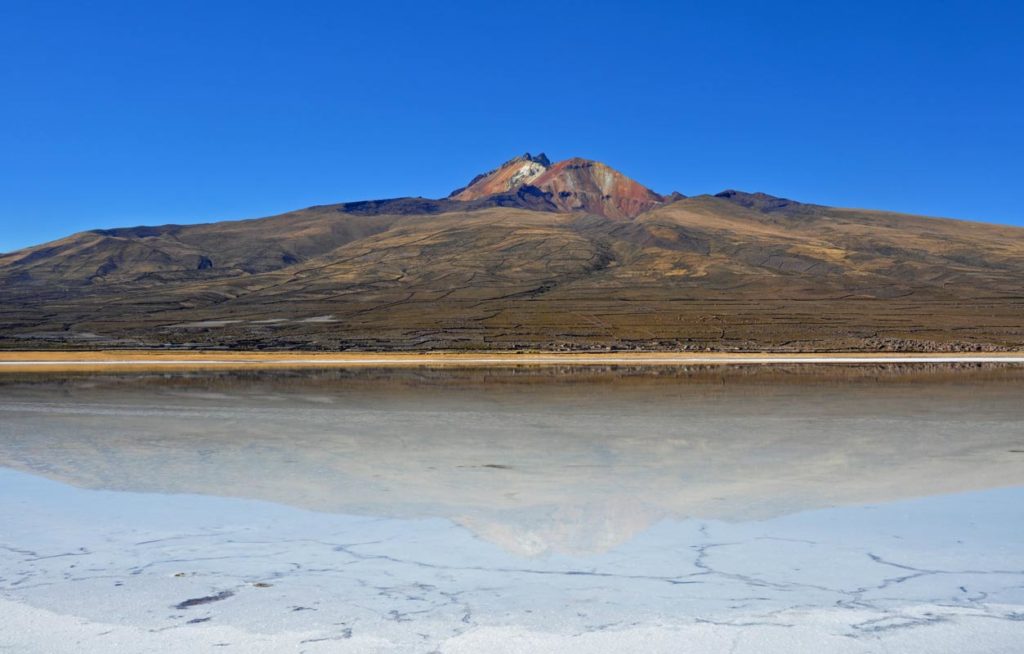
The reason for visiting Bolivia is the salt flats near Uyuni. Visit them during the rainy season and you end up with pristine pictures of mirror reflections. And very wet feet.

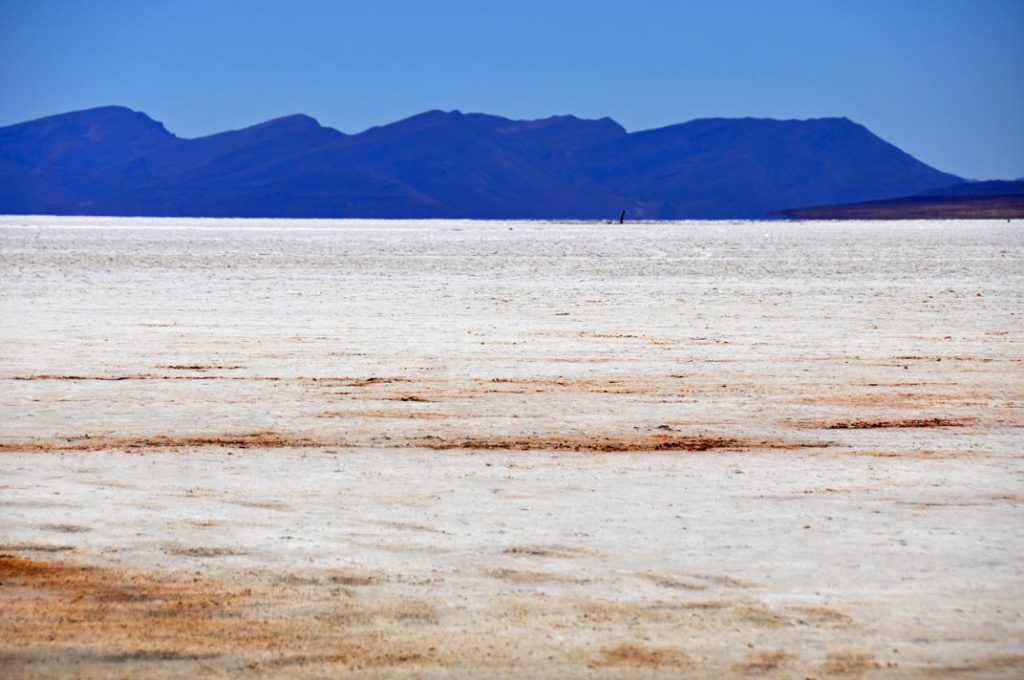
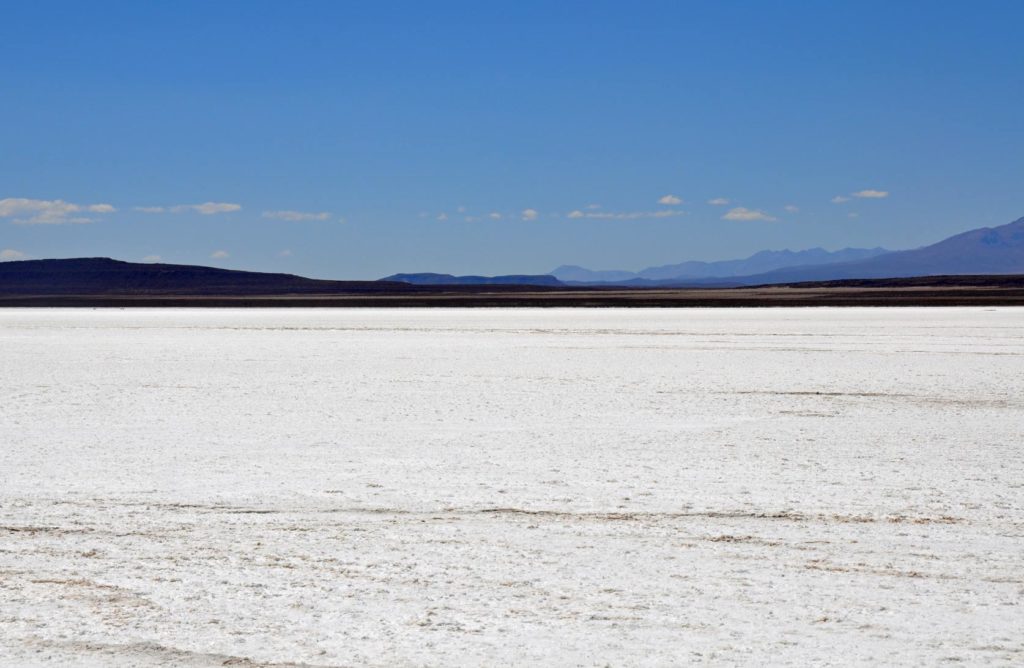
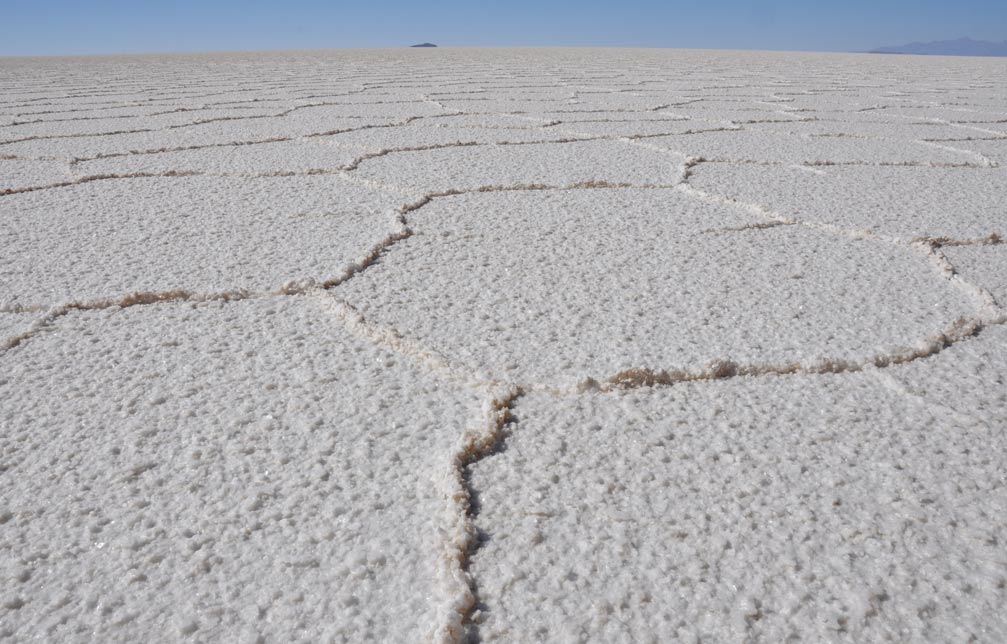
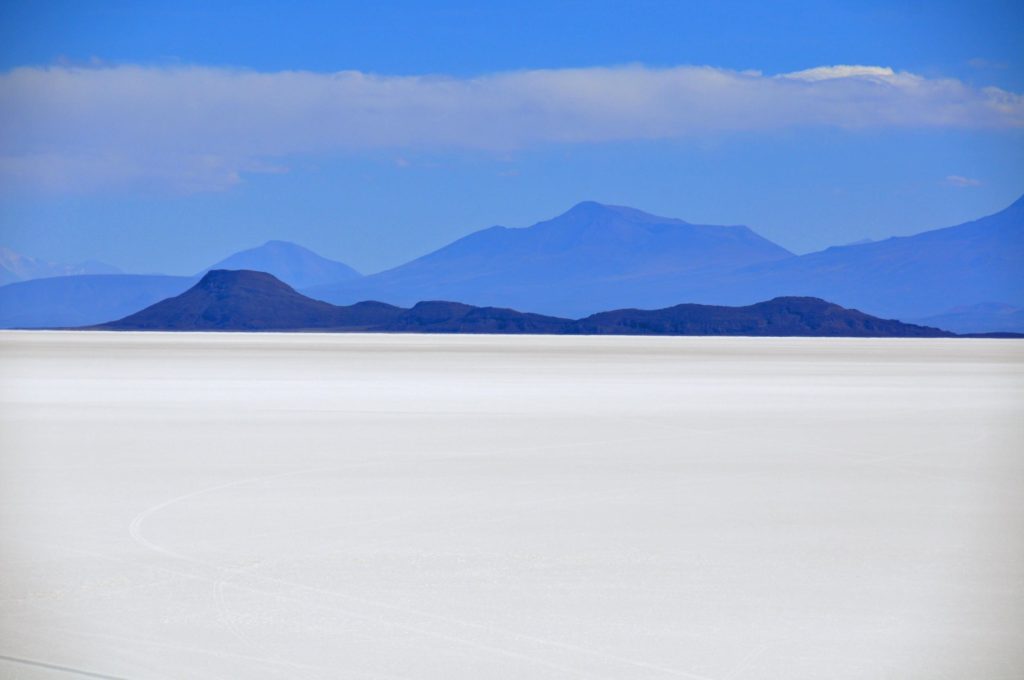
Visit during the dry season and you end up with endless vistas of white against a blue sky and sun so blinding you can’t actually see anything without glasses.

The views are so blinding that without a filter on a lens, you have to guess where the horizon lies and end up with ridiculously wonky photographs.

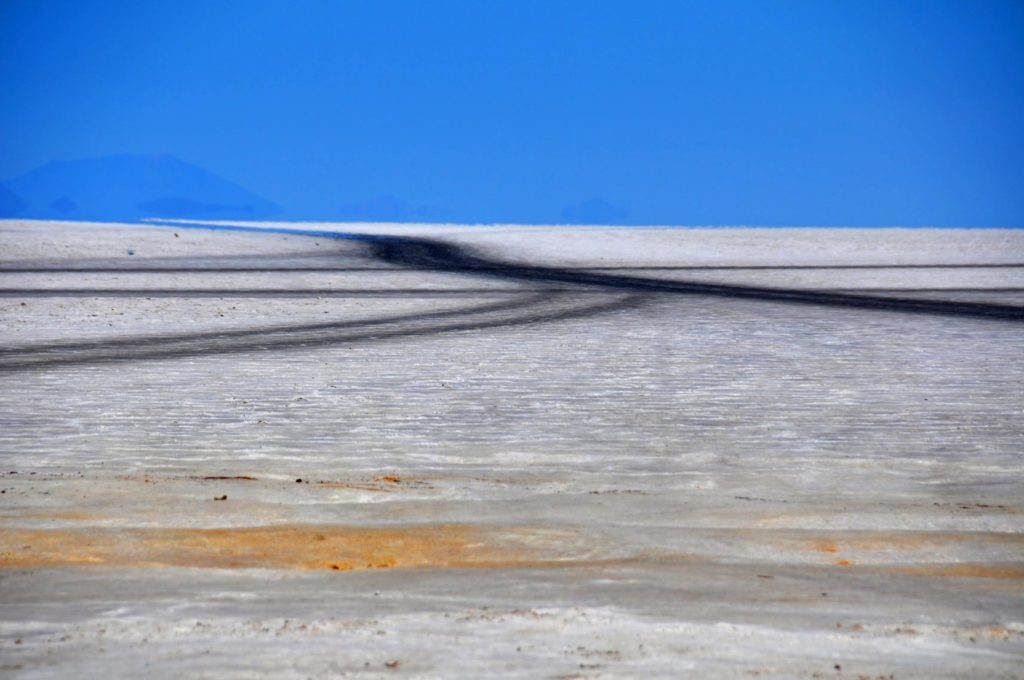
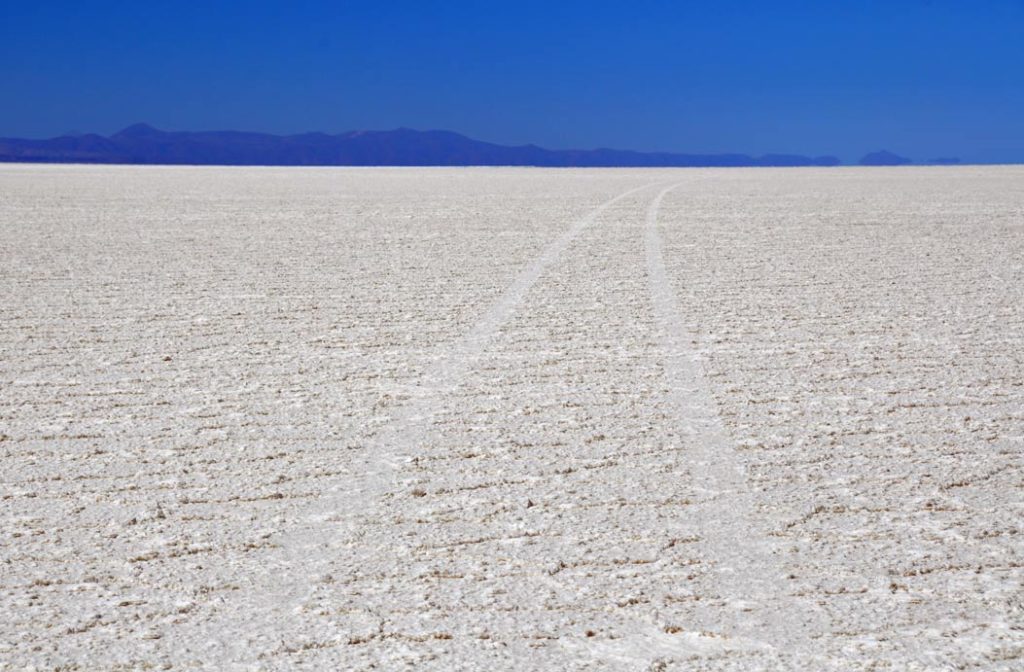
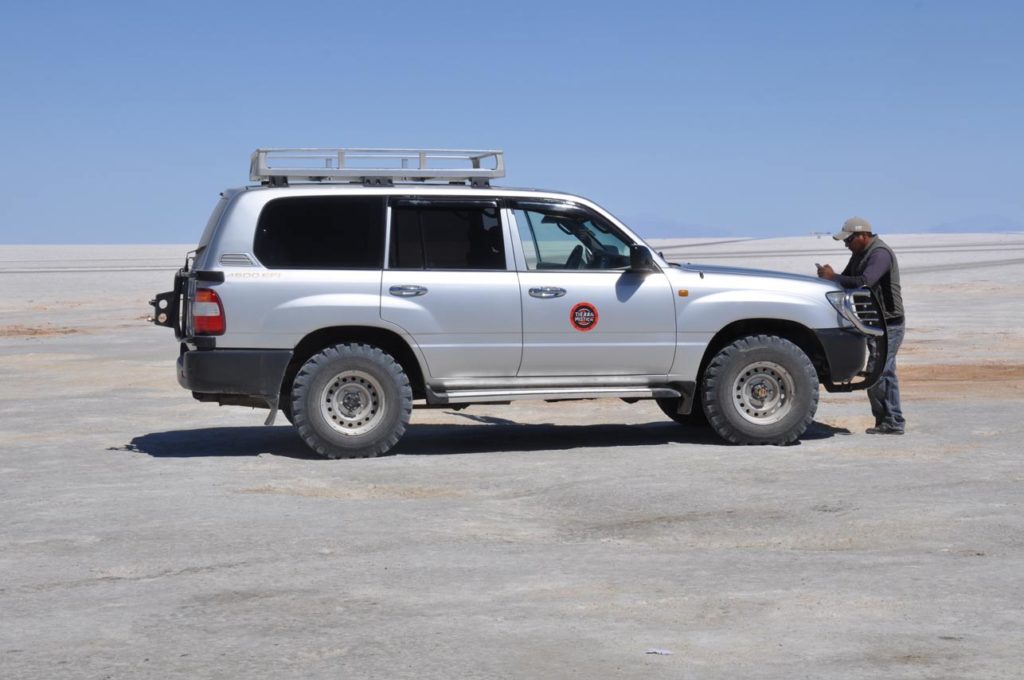
The tourist routine is fairly straightforward: fly down to Uyuni early in the morning an collect a four wheel drive jeep to take it out onto the “lake” of salt. Around the start point, the tracks of the cars are obvious.

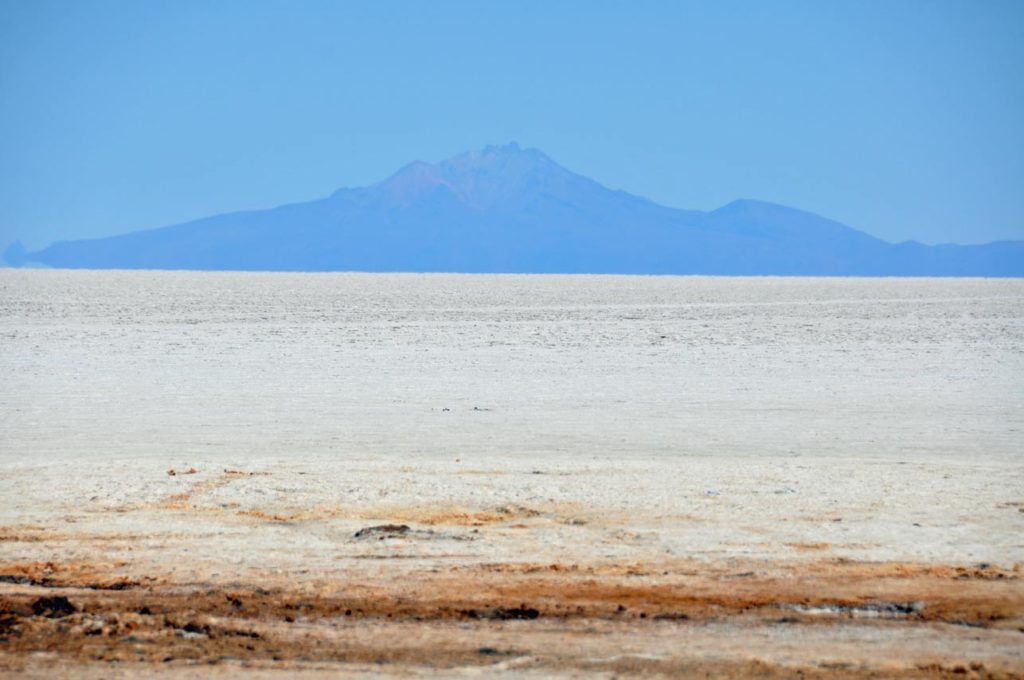
But that soon changes. It becomes almost impossible to gauge distance as everything tends to blur into the white and of course at that altitude the sun is strong and blinding.

Originally a sea, the tectonic upheavals lifted it high and dry. Overtime the rains arrive, they effectively lift a layer of salt to the surface such that at it’s thickest, the rock salt is now almost 5m thick.

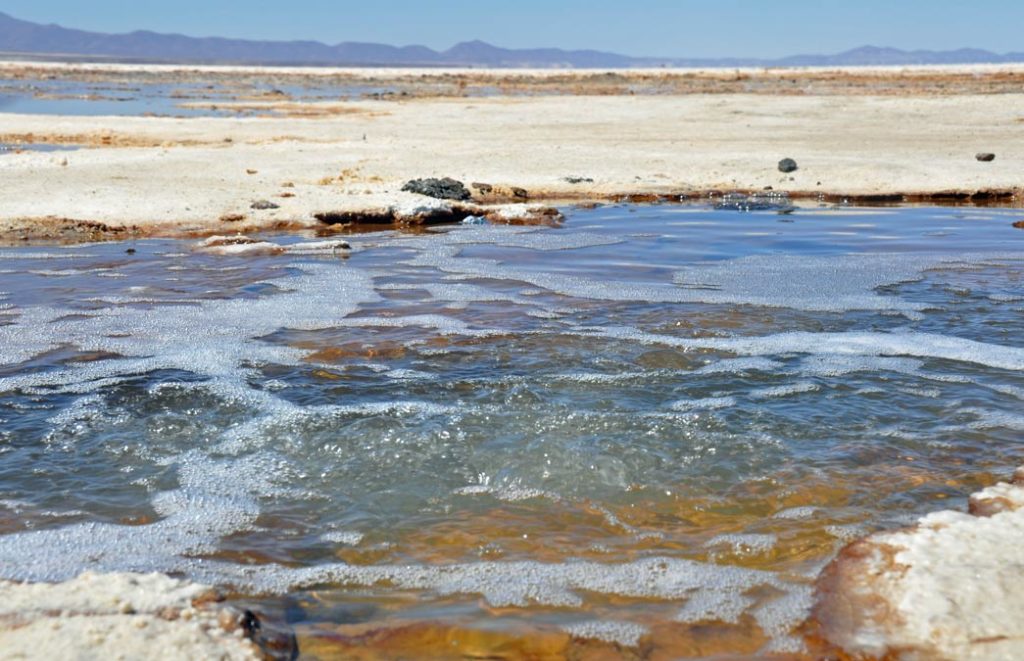
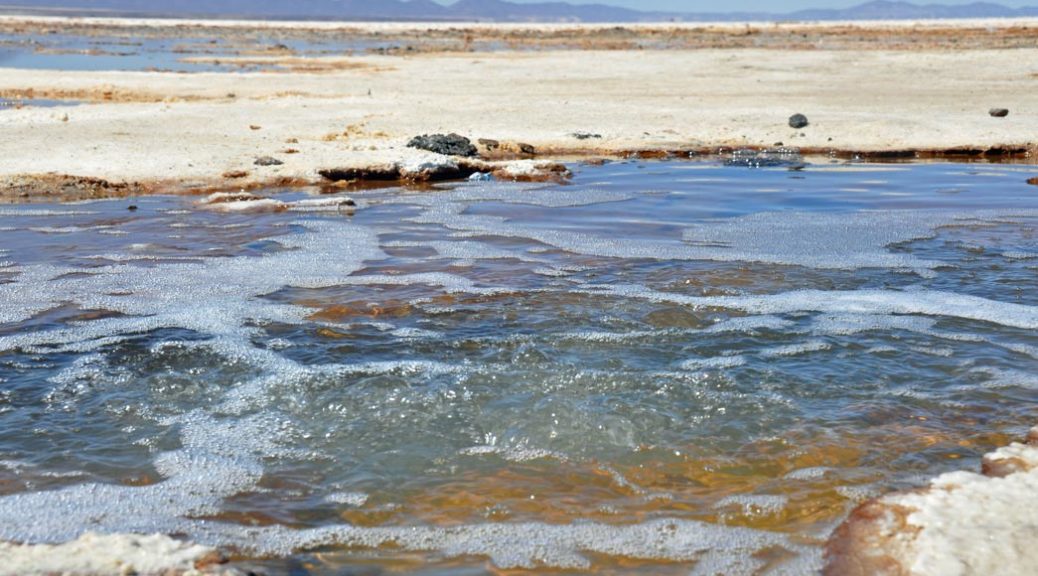
Underneath, there are rivers of cold water that occasionally bubble to the surface

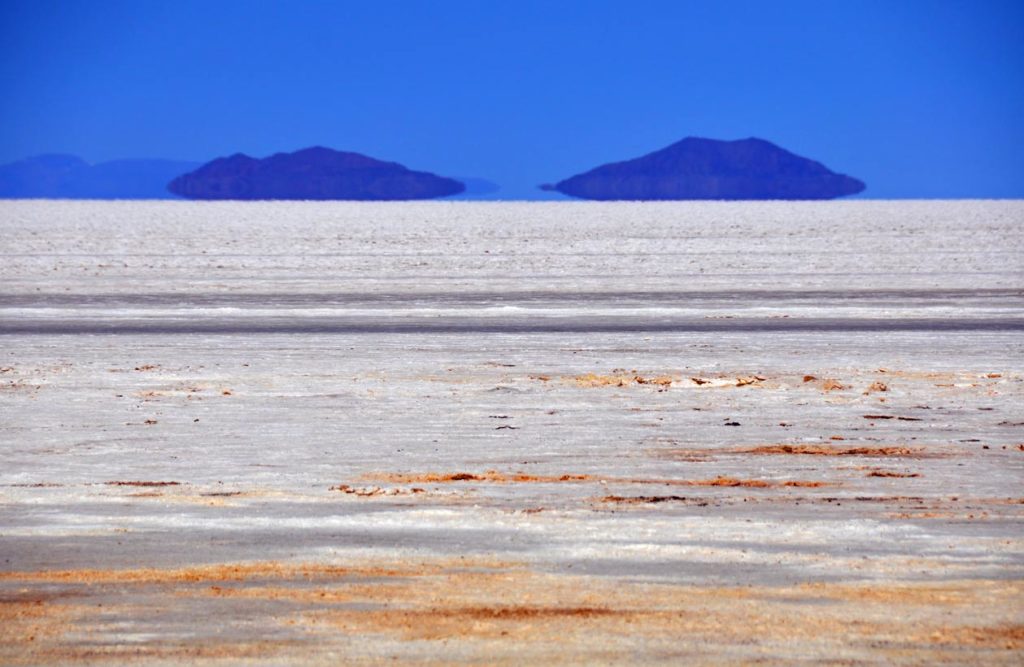
Around the edge are the “islands” with the island of the moon in the middle.

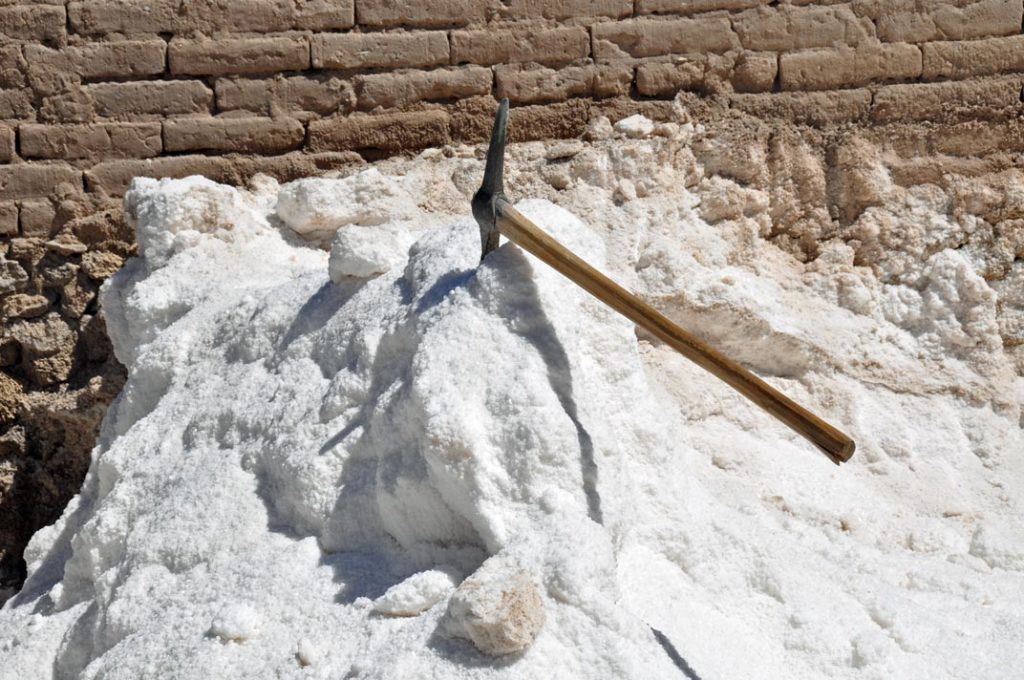
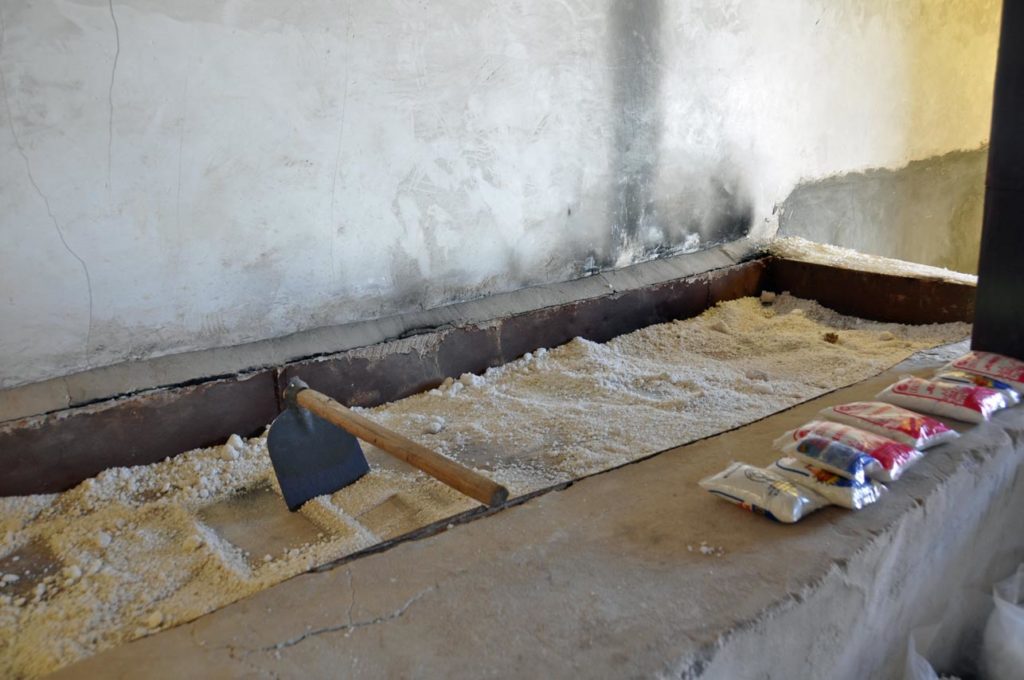
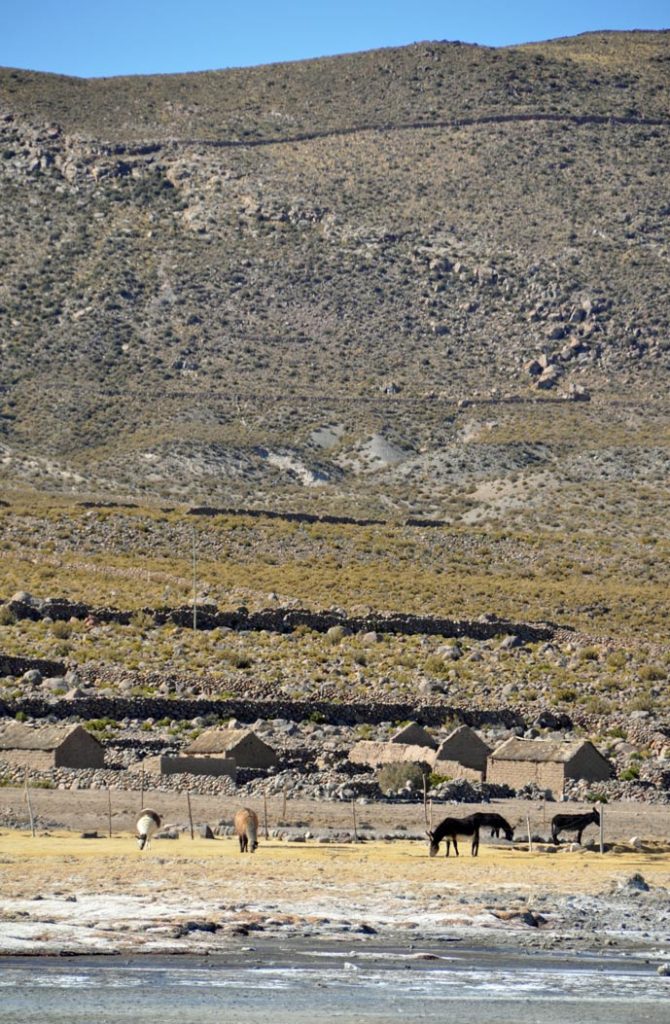
Originally there would have been small farmers of the salt but mostly these have been replaced by companies on a more industrial scale. A few small holders remain, mainly for the tourist trade.

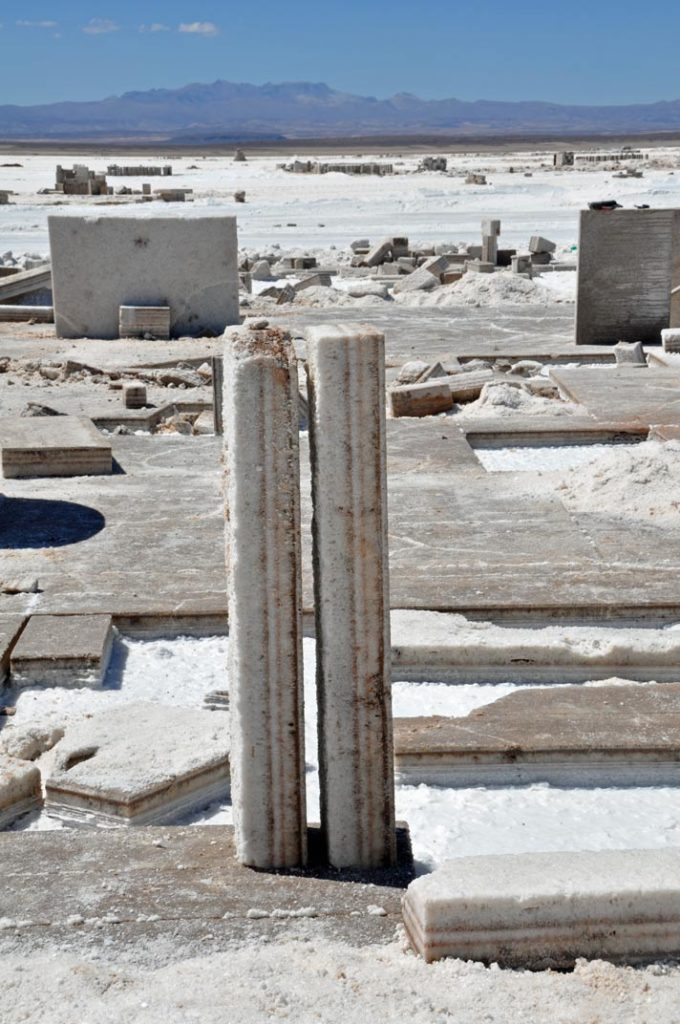
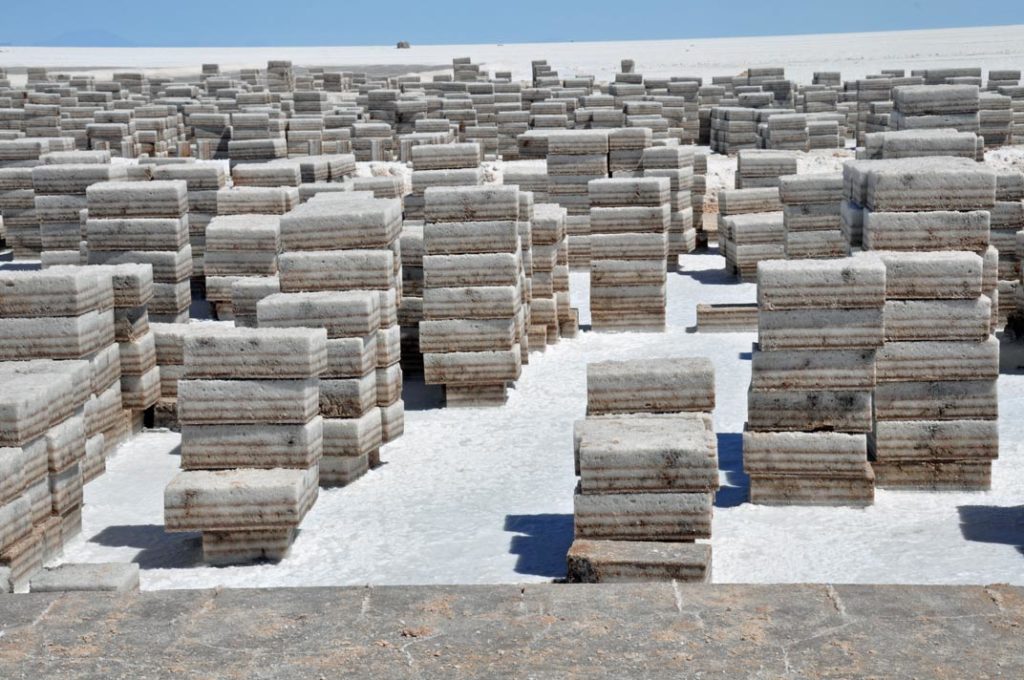
And there are the businesses that cut rock salt from the surface to make bricks for the various salt hotels set up for tourists.

The surface of the plain is broken into geometric patterns where the crystalline rock salt has come together over time.

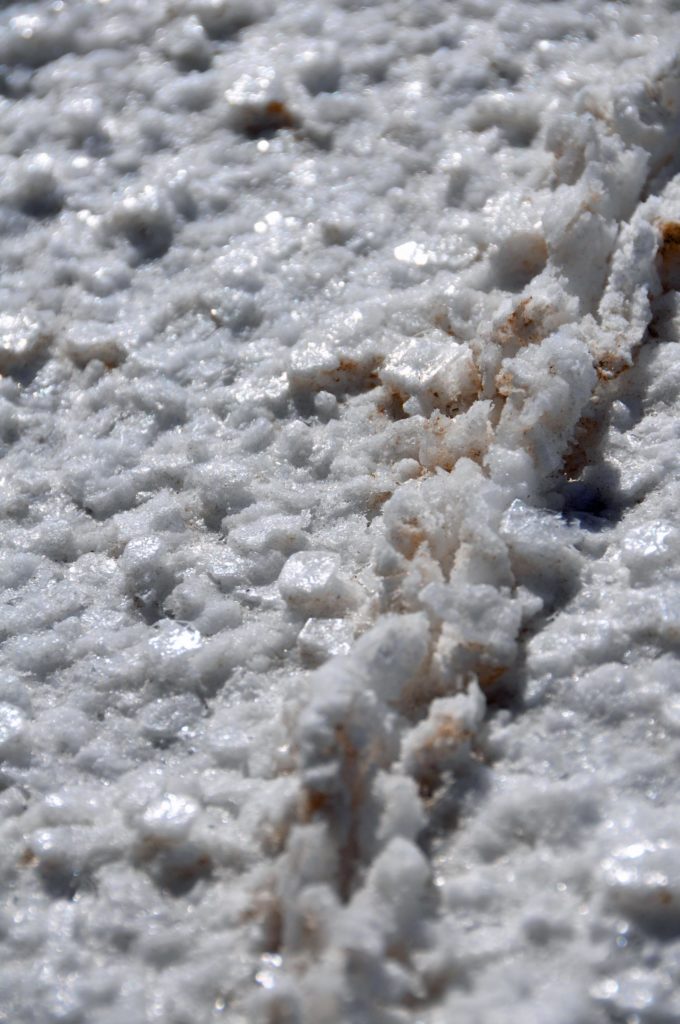
Close to, the surface is a funny mix of almost cubes.

As well as the salt itself, we headed towards the main island, the volcano.

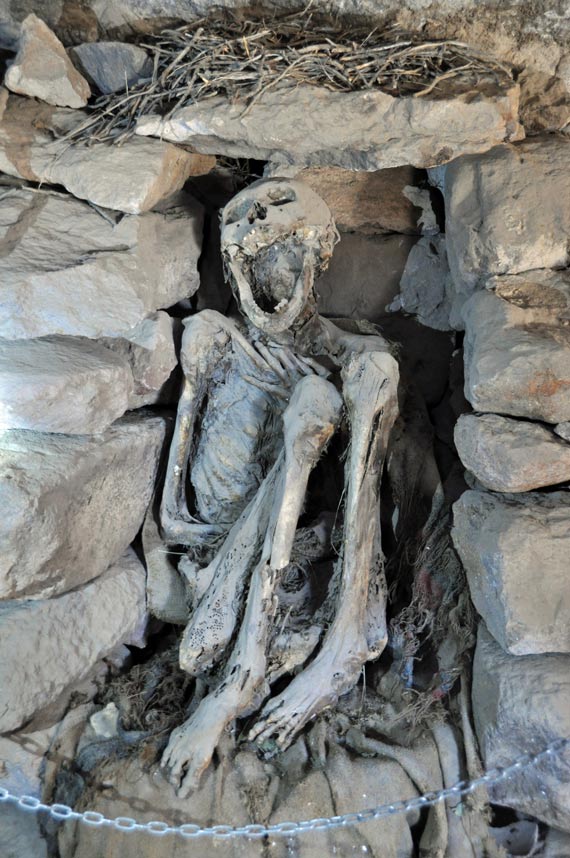
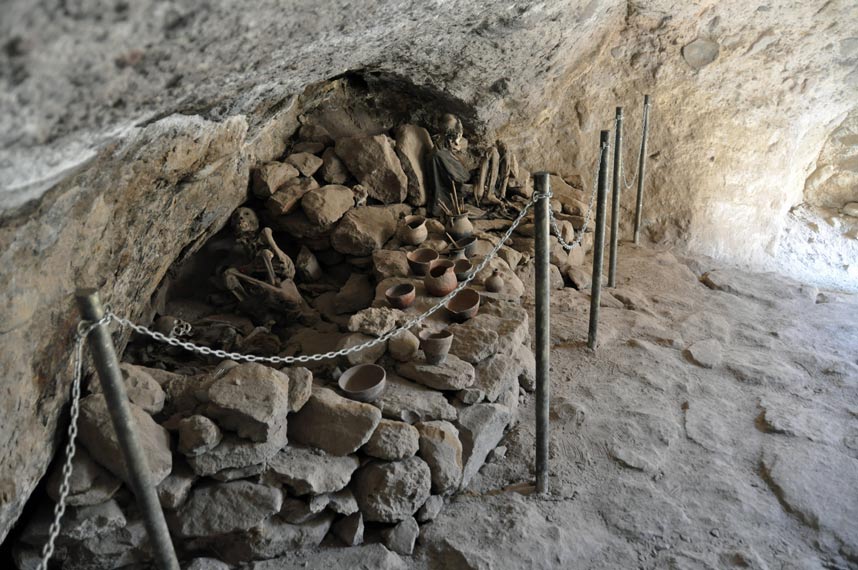
Climbing just slightly, and slowly because this is at very high altitude, we reach a series of caves where over the generations people have left their dead to mummify over time, essentially desiccating very very slowly because of the salt.


There were both male and female adults, plus some very forlorn corpses of babies.

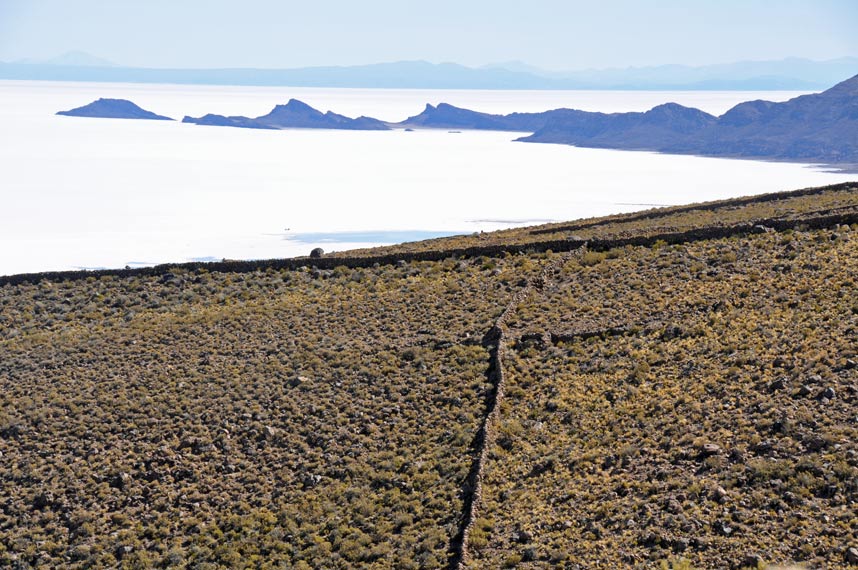
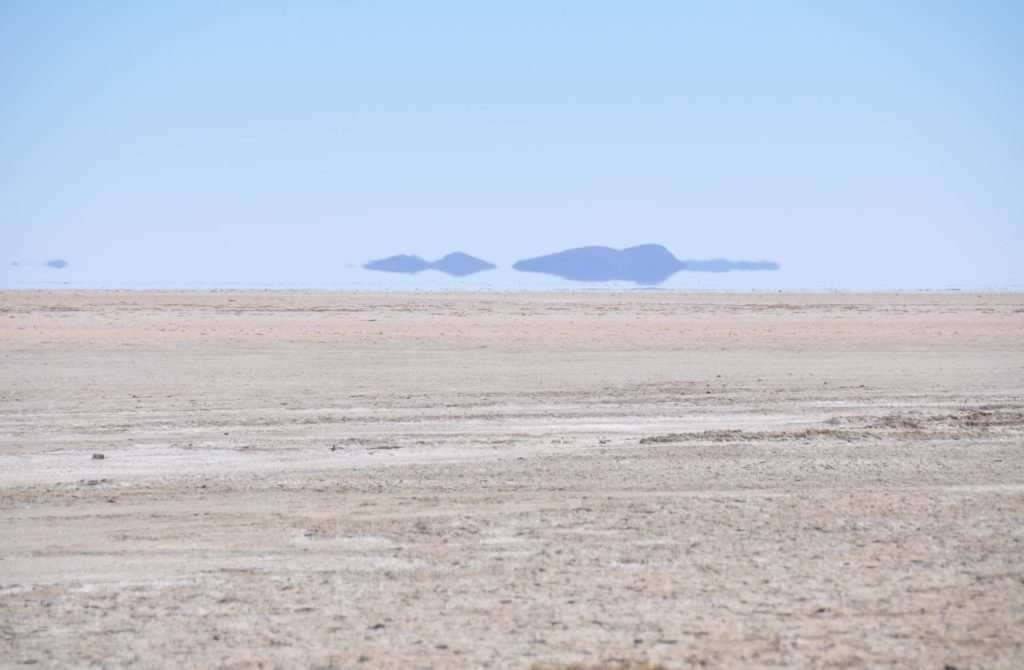
Looking back down at the salt, it almost looks like clouds with mountains peaking up from below.

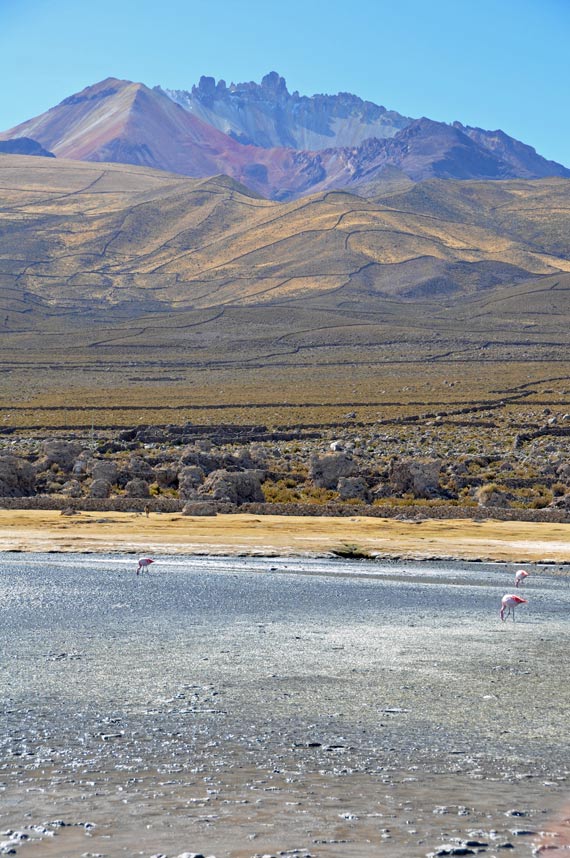
And down at the bottom, flamingoes and llamas.

And some small collections of salt for the locals.

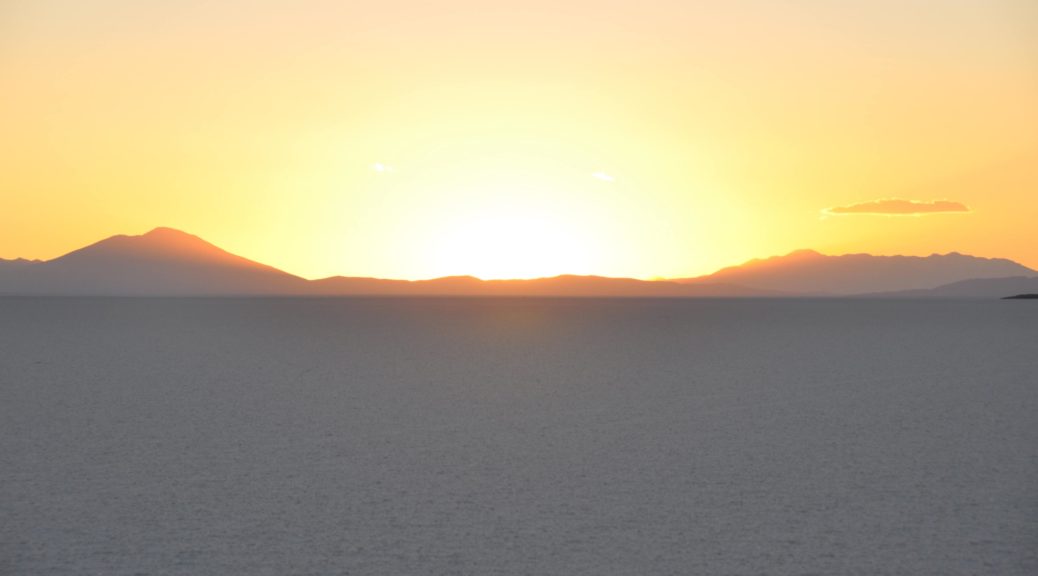
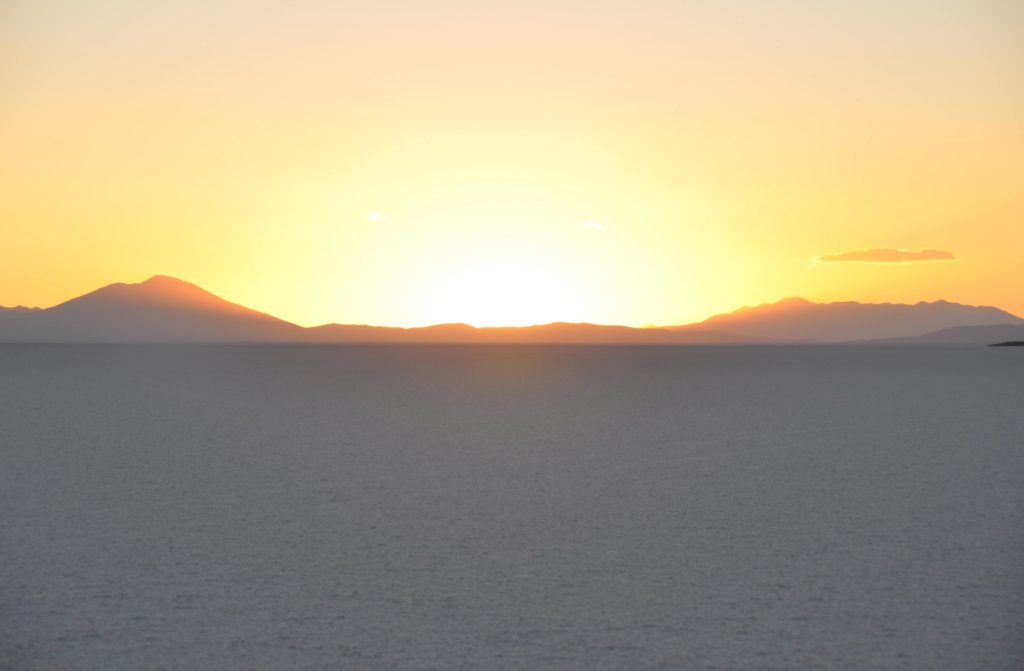
Towards sunset and we head towards the centre to try to catch the changing colour of the plain.

And all totally silent.

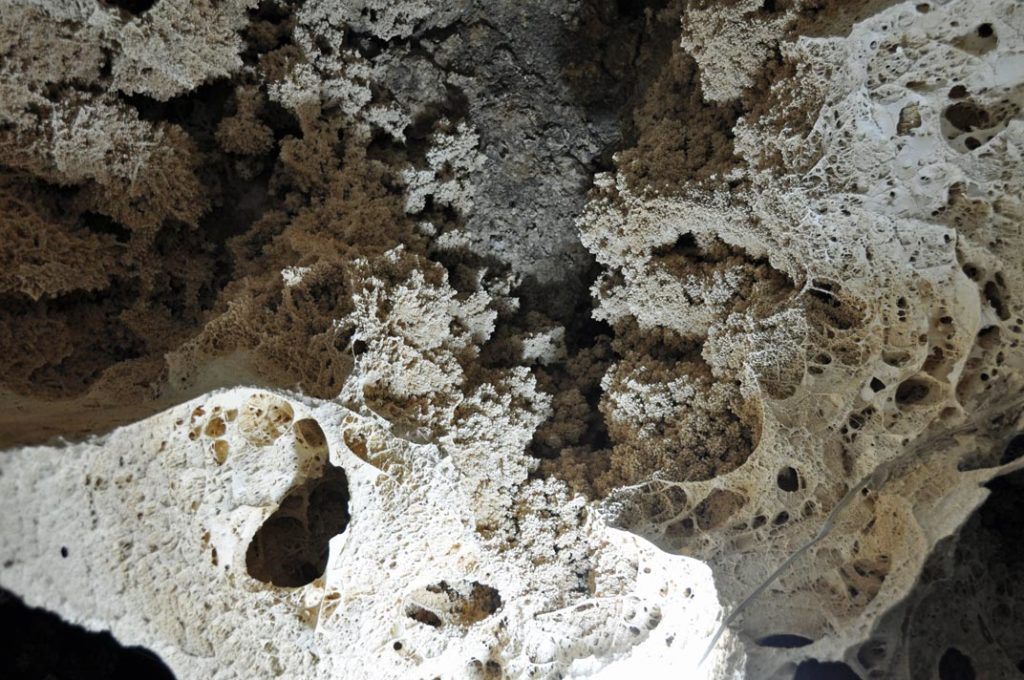
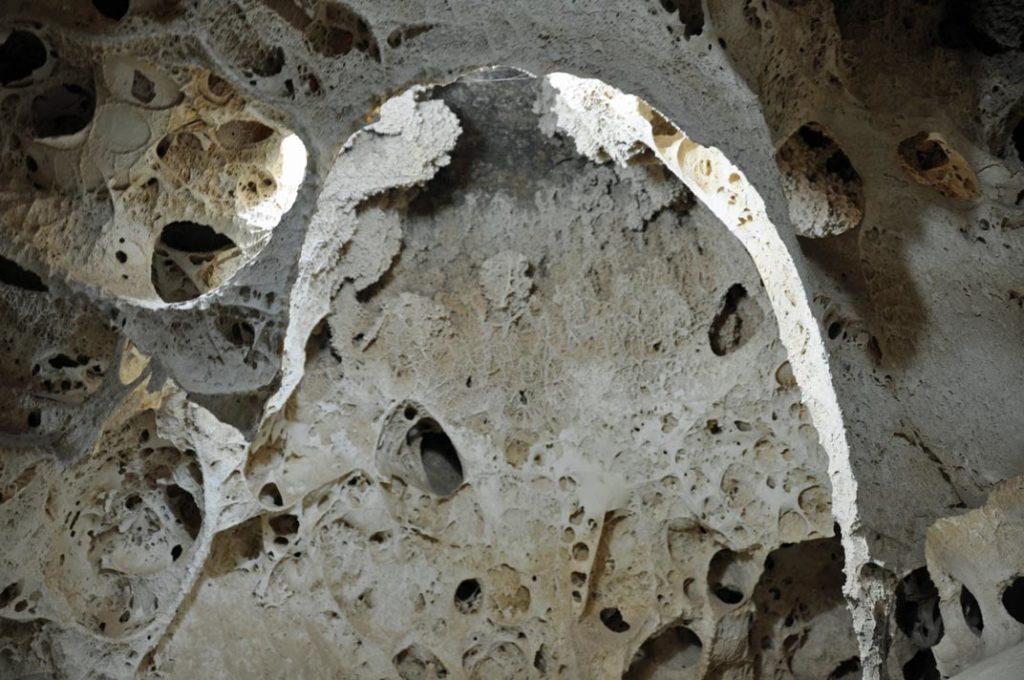
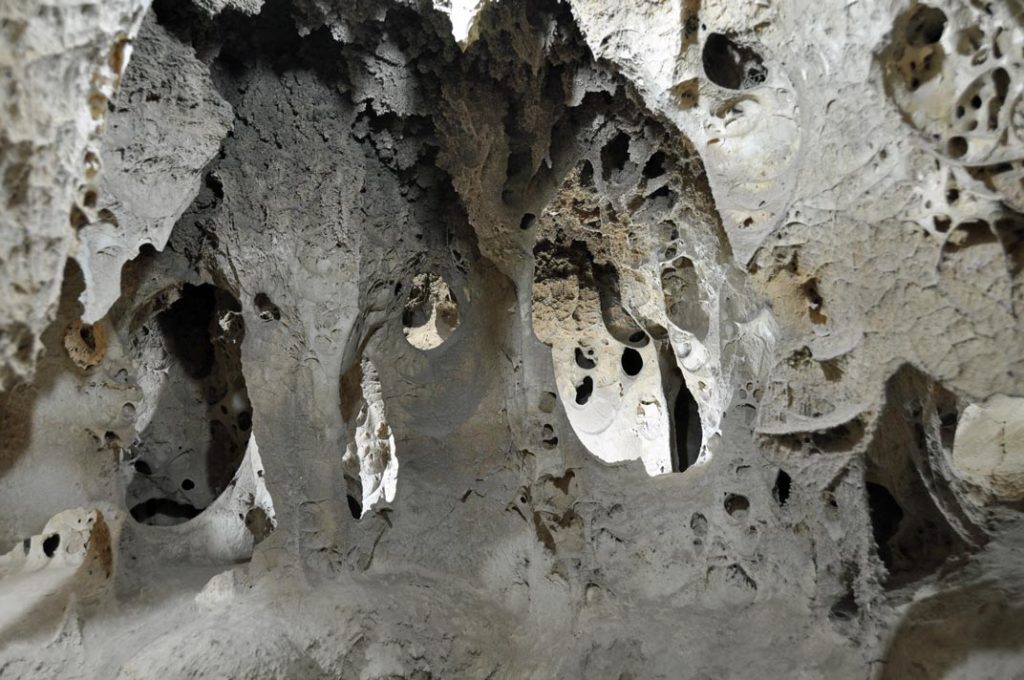
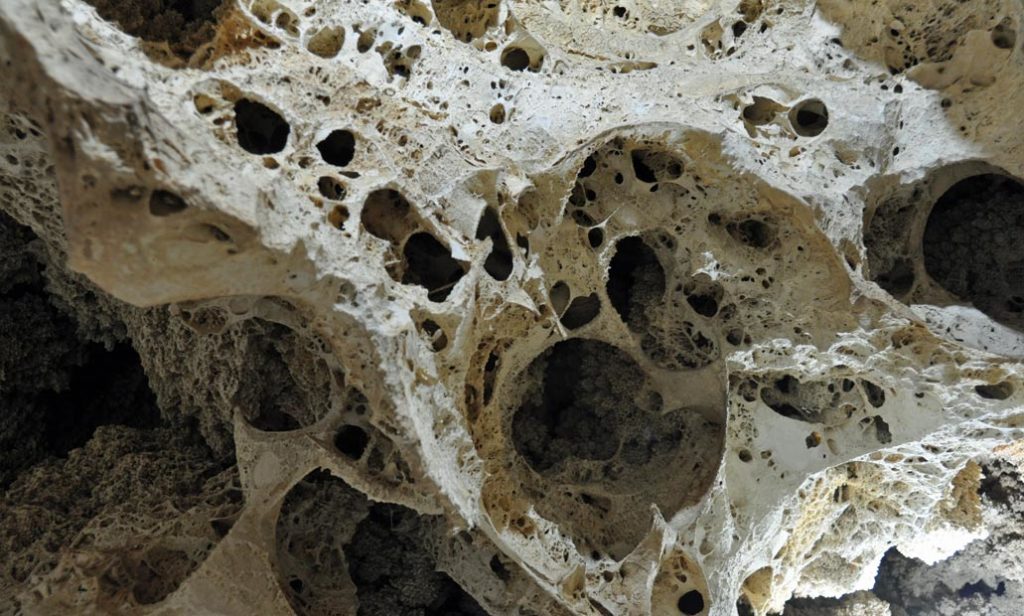
For the next day we headed to some caves on the other side of the salt plain, where the petrified remains of coral caves have been discovered.

It is one of the freakiest places I’ve been inside, like walking around inside an insect or maybe an alien’s nest and just expecting any minute that something horrid will jump out and eat you.

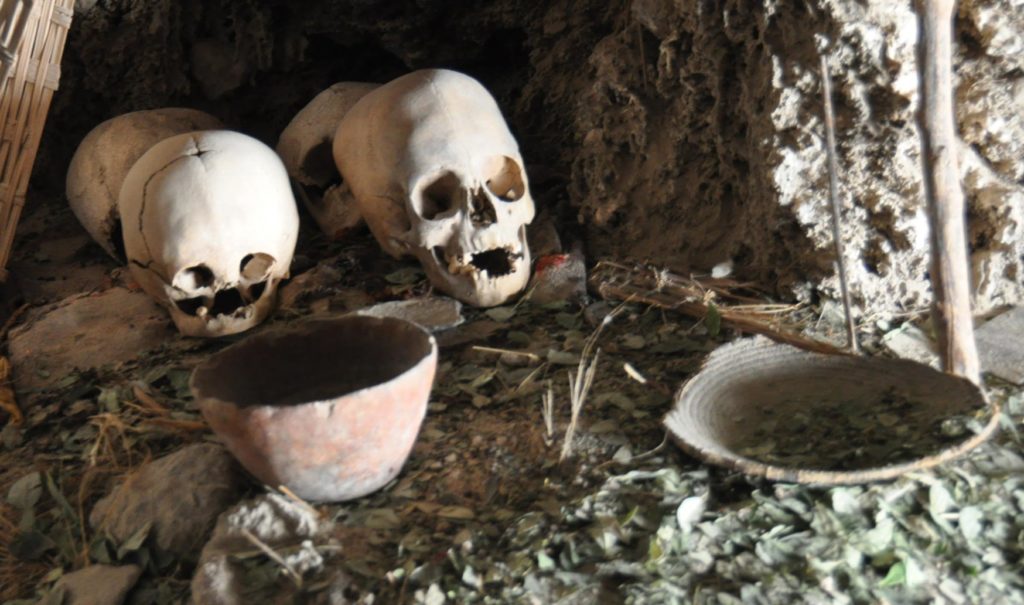
And the around the corner to another set of burial caves and that strange mix of catholicism and something altogether older and darker.

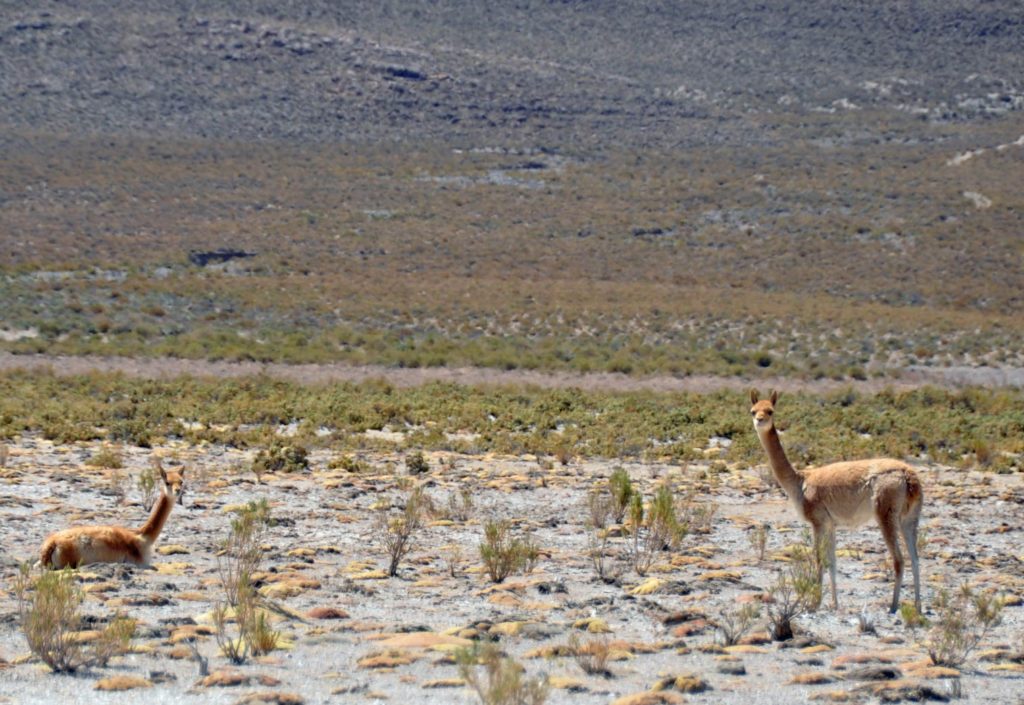
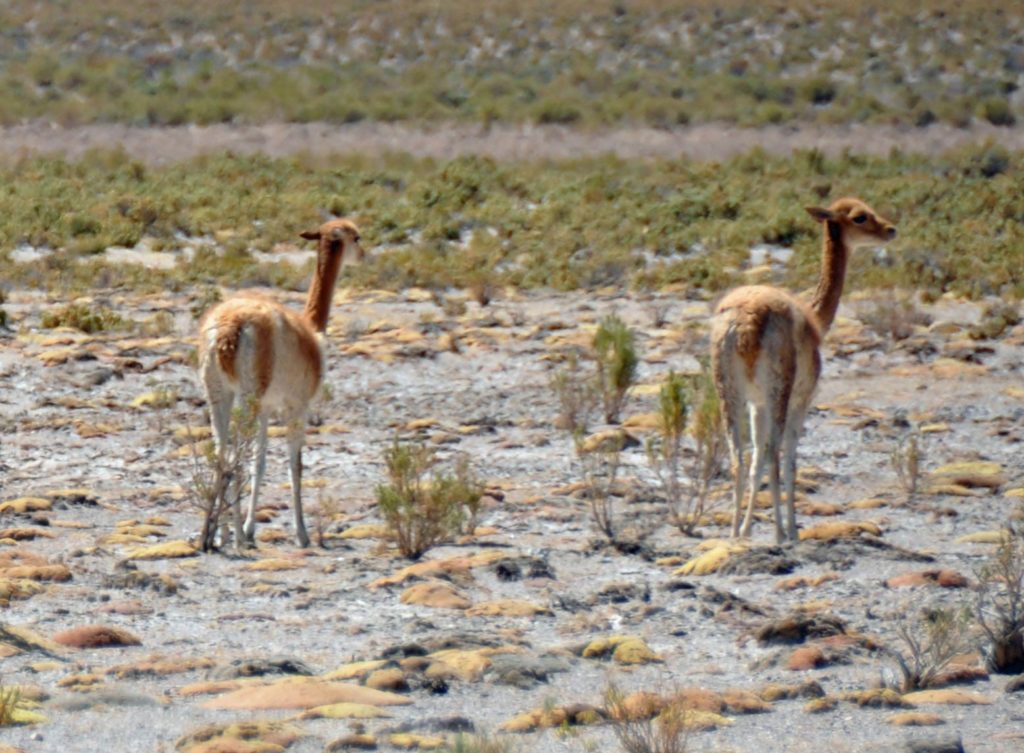
The wild vicuna most certainly regarded us as interlopers.

And it’s difficult to imagine how they might survive in such a harsh environment.

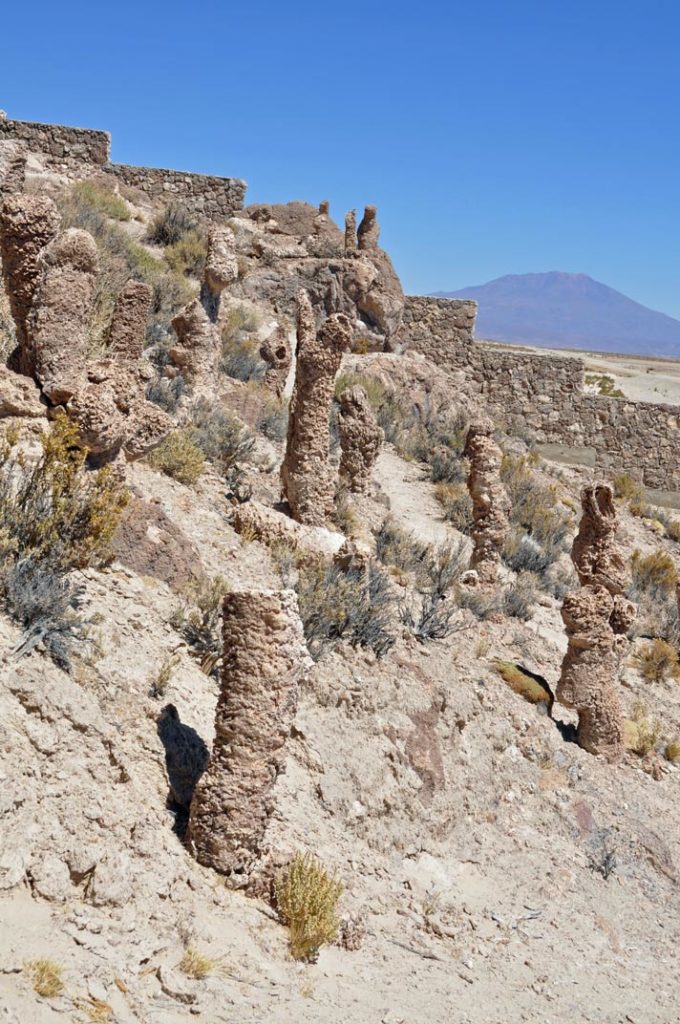
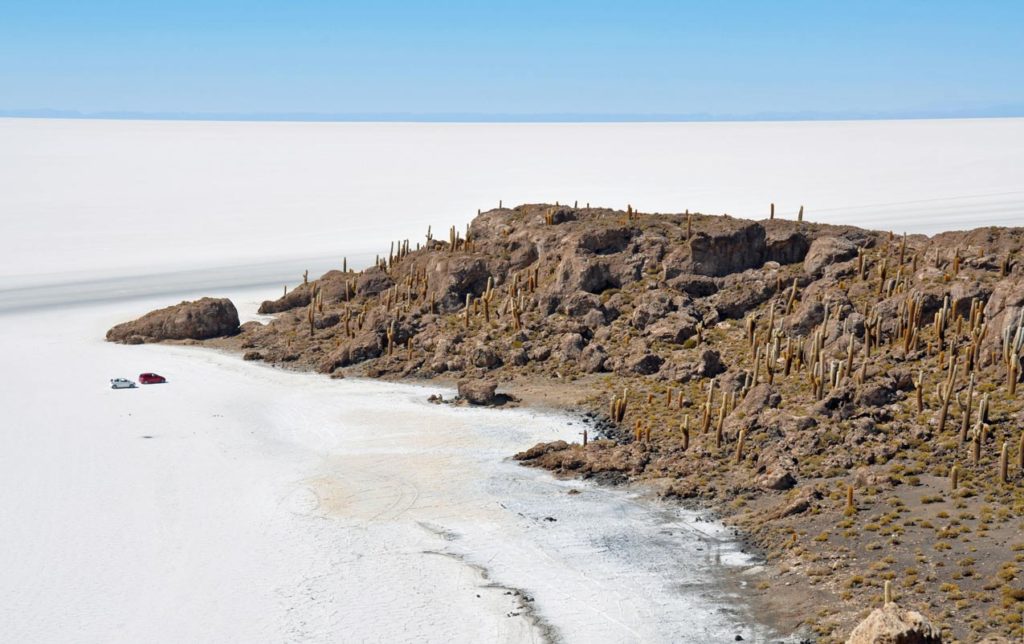
In the middle of the plain is the island of the moon, with cacti taller than a man.

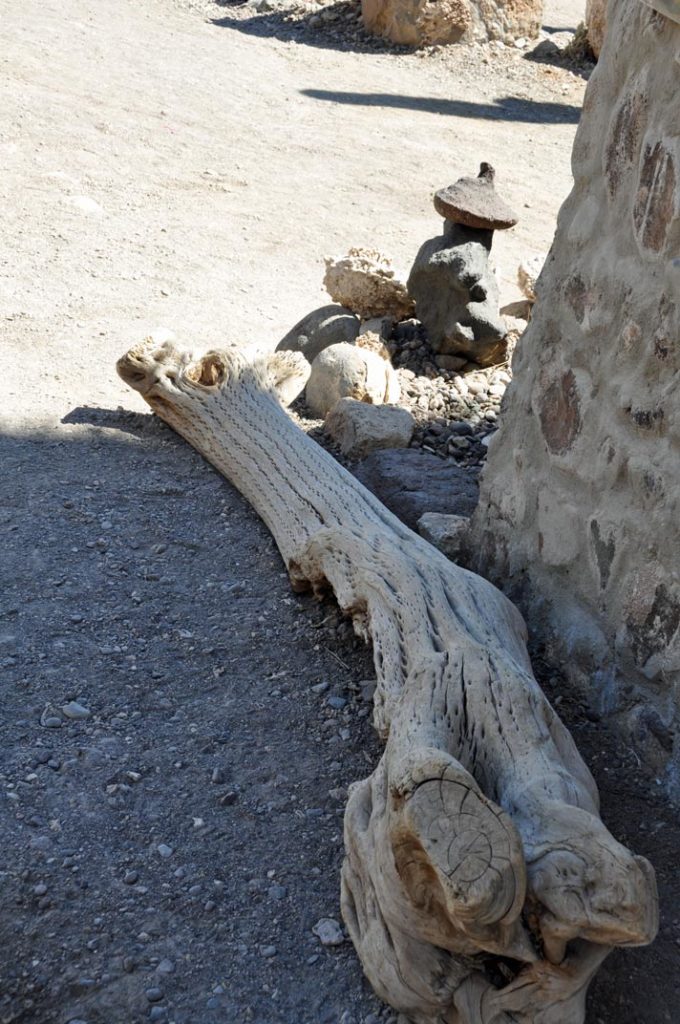
The only building material is the “wood” of these huge cacti, dried out and cut into planks.

It is almost impossible to capture the scale of the place, even knowing that the view below includes jeeps, something just refuses to accept they can be that tiny.

And lying above it all, that blue blue sky.

Butternut Squash with Coconut

It started out with the best of intentions. There is only one rule in our house when it comes to food cupboards: if you finish it, you must add it to the shopping list for the week. The coconut cream should have been sitting in the cupboard waiting.

Of course it was nowhere to be found. Neither was the coriander leaf & the ginger looked a bit past it’s best.  I couldn’t find a chilli either.

But all of this seemed eminently do-able, except for the coconut cream. In the end I used yoghurt as a substitute with added desiccated coconut. It all tasted a bit too acidic so I added 2 tsp sugar to compensate. In reality though it all ended up tasting good, next time I’ll use coconut cream, and so should you.

baked pumpkin and spiced chickpeas.
 
  • 1 butternut squash quartered and deseeded
  • oil, butter, salt and pepper to bake
  • 2 sticks lemongrass, chopped
  • 1 medium green chilli, 2 tsp chilli flakes
  • 30g coriander leaf, parsley
  • juice of 1 lime
  • 1inch ginger
  • 80g coconut cream
  • 1tbsp oil
  • 1 tin chickpeas, drained and rinsed

Set the oven at 200C/gas mark 6. Slice 750g of pumpkin, or other autumn squash, into thick segments, then scrape away any seeds and fibres. Place the slices on a baking tray, trickle lightly with groundnut oil and dot generously with butter. Season with black pepper and salt then bake for a good 45 minutes or so, until the flesh is deep gold.

While the pumpkin bakes, whizz the following (or their substitutes) in a food processor: 2 sticks of lemongrass, cut into short pieces, 1 medium-sized green chilli of moderate heat, 30g of coriander leaves and stems, the grated zest of 1 lime, 2 cloves of garlic, ½ tsp of salt, a small lump of ginger and 80g of coconut cream. Pour in enough groundnut oil to make a soft paste.

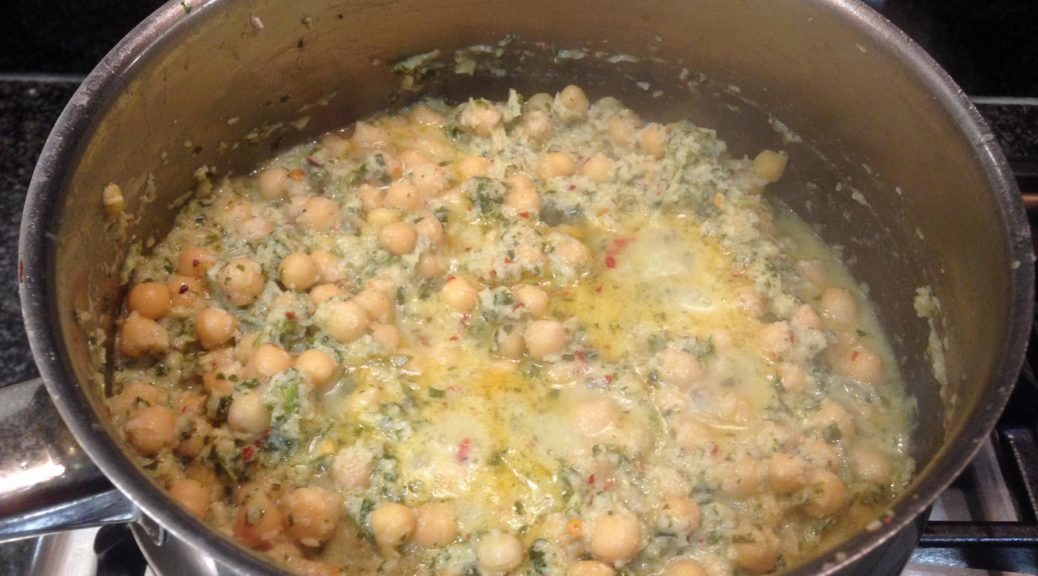
Rinse a 400g can of chickpeas under running water. Tip them into a small saucepan with some oil, then add the spice paste (you may not need all of it) and warm gently over a moderate heat. When the chickpeas are hot, fold a handful of torn coriander leaves through it, divide between two plates and serve with the slices of roasted pumpkin.

The length of time a slice of squash or pumpkin takes to cook depends on the variety. Some, such as the firm fleshed Crown Prince, take longer than the softer textured varieties. Roast them for a good half hour to 45 minutes, basting occasionally with a little butter or oil until they are tender and translucent. They will hold in good condition while you warm the chickpeas and spice paste.

You can use rice, quinoa or other varieties of bean instead of the chickpeas. Introduce a little coconut milk into the spice paste so it becomes more of a sauce. Spoon it over the pumpkin as you serve.

Trump – Feck Off

So let’s get this straight, not content with suggesting people carrying torches and marching shouting anti-semitic chants were “good folk” the president of the US has started re-tweeting racists on-line.

He’s retweeted video clips from a neo-nazi group in the UK involved in the murder of Jo Cox, one of our MPs. & I’m left trying to imagine the outrage if our leader re-tweeted the words of someone who had killed a US senator

When called on this behaviour he’s doubled down and criticised our PM.

WTF?

Not content with doubling down on being a nazi, he’s also supported Roy Moore alleged child abuser. Just a reminder of the form he has when it comes to sexual harassment and abuse:

Donald Trump’s official position, as his spokeswoman Sarah Sanders recently clarified in a White House press briefing, is that the 20 women accusing him of assault and harassment are lying. Trump has also suggested some were not attractive enough for him to want to sexually assault.

As the conversation around sexual conduct continues to evolve, and new abusers are revealed, here are the cases against the president.

“He was like an octopus … His hands were everywhere.”Jessica Leeds

Leeds alleges Trump groped grabbed her breasts and tried to put his hand up her skirt. Source: The New York Times

“I referred to this as a ‘rape’, but I do not want my words to be interpreted in a literal or criminal sense.”Ivana Trump

In a divorce deposition, Trump’s first wife used “rape” to describe an incident that transpired between them. After a settlement was reached, and the rape allegation became public in a 1993 book, Ivana softened the claim. As part of her nondisclosure agreement, she is not allowed to discuss her marriage to Trump without his permission. Source: Lost Tycoon: The Many Lives of Donald J Trump

“He pushed me up against the wall, and had his hands all over me and tried to get up my dress again.”Jill Harth

A former business partner, Harth alleges Trump forcibly kissed her on the lips and groped her breasts and grabbed her genitals, in what she referred to in a 1997 lawsuit as “attempted rape”. On a previous occasion, she alleges, he groped her under the table during dinner with colleagues at the Plaza Hotel. Source: The Guardian

“He did touch my vagina through my underwear.”Kristen Anderson

Anderson alleges Trump put his hand up her skirt and touched her genitals through her underwear. Source: The Washington Post

“[Trump] stuck his head right underneath their skirts.”Lisa Boyne

Boyne alleges Trump insisted the female models walk across the table and that he looked up their skirts, commenting on whether they were wearing underwear and their genitalia. Source: The Huffington Post

“He took my hand, and grabbed me, and went for the lips.”Cathy Heller

Heller alleges Trump forcibly kissed her on the lips in public. Source: The Guardian

“He kissed me directly on the lips.”Temple Taggart

The former Miss Utah alleges Trump forcibly kissed her on the mouth on two occassions, including the first time she met him. Source: The New York Times

“I remember putting on my dress really quick because I was like, ‘Oh my God, there’s a man in here.'”Mariah Billado

The former Miss Vermont Teen USA and other unnamed accusers allege Trump walked into the dressing room unannounced while teen beauty queens aged 15 to 19 were naked. Source: BuzzFeed

“Then his hand touched the right side of my breast. I was in shock.”Karena Virginia

Virginia alleges Trump grabbed her arm and touched her breast. Source: Gloria Allred press event

“The time that he walked through the dressing rooms was really shocking. We were all naked.”Bridget Sullivan

The former Miss New Hampshire alleges Trump walked in to the dressing room unannounced while contestants were naked. Source: BuzzFeed

“Our first introduction to him was when we were at the dress rehearsal and half-naked changing into our bikinis.”Tasha Dixon

The former Miss Arizona alleges Trump entered dressing rooms while her fellow contestants were “half-naked”. Source: CBS News

“All of a sudden I felt a grab, a little nudge.”Melinda McGillivray

McGillivray alleges Trump grabbed her buttock in a pavilion behind the main house in the middle of a group of people. Source: Palm Beach Post

“I was thinking ‘Oh, he’s going to hug me’, but when he pulled my face in and gave me a smooch. I was like ‘Oh – kay.’”Jennifer Murphy

The former contestant on The Apprentice alleges Trump forcibly kissed her after a job interview.

“[Trump] kissed me directly on the mouth.”Rachel Crooks

Crooks alleges Trump kissed her forcibly on the lips. Source: New York Times

“I turned around, and within seconds he was pushing me against the wall and forcing his tongue down my throat.”Natasha Stoynoff

Stoynoff alleges Trump forcibly kissed her. Source: People

“Trump stood right next to me and suddenly he squeezed my butt.”Ninni Laaksonen

The former Miss Finland alleges Trump grabbed her buttocks during a photoshoot before an appearance on The Late Show with David Letterman. Source: Finnish newspaper Ilta-Sanomat

“When we entered the room he grabbed each of us tightly in a hug and kissed each of us on the lips without asking for permission.”Jessica Drake

Drake alleges Trump forcibly kissed her and two female friends on the lips and when rebuffed, pursued her, asking: “How much?” Source: Gloria Allred press event

“He would step in front of each girl and look you over from head to toe like we were just meat, we were just sexual objects, that we were not people.”Samantha Holvey

The former Miss North Carolina alleges Trump would barge into the pageant dressing room and inspected women like “meat”. Source: CNN

“He then grabbed my shoulder and began kissing me again very aggressively and placed his hand on my breast.”Summer Zervos

The former contestant on The Apprentice has accused Trump of groping and kissing her on two occasions. She has filed a defamation claim against the now-president. Source: Gloria Allred press event

“He probably doesn’t want me telling the story about that time he continually grabbed my ass and invited me to his hotel room.”Cassandra Searles

The former Miss Washington 2013 alleges in a comment on Facebook that Trump repeatedly grabbed her buttocks and invited her to his hotel room. Source: Facebook, via Yahoo News

Uyuni: The Train Graveyard

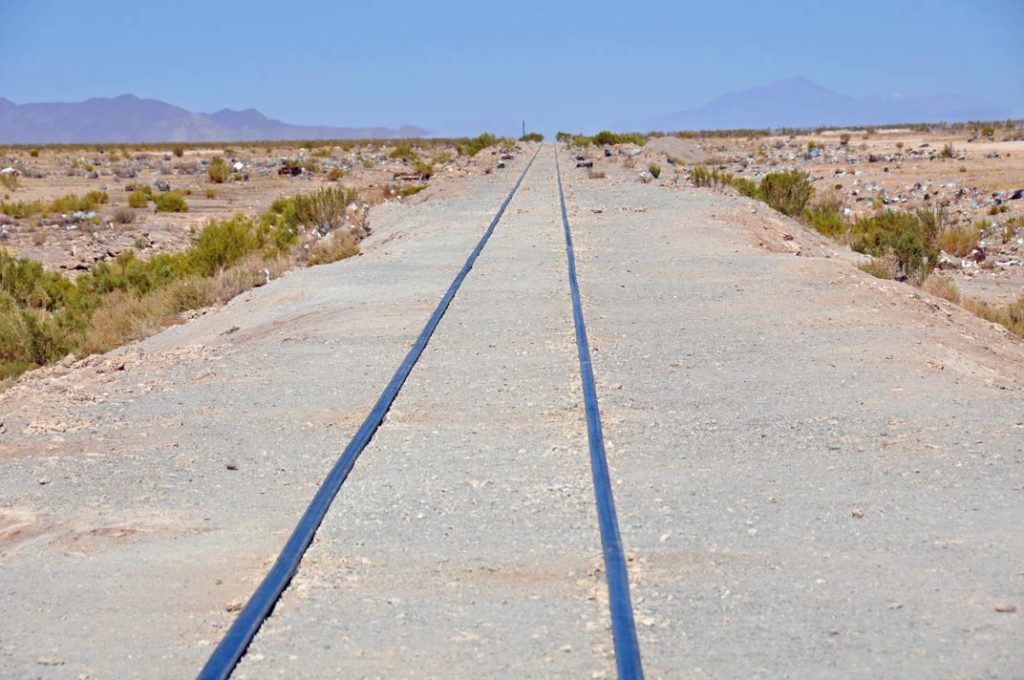
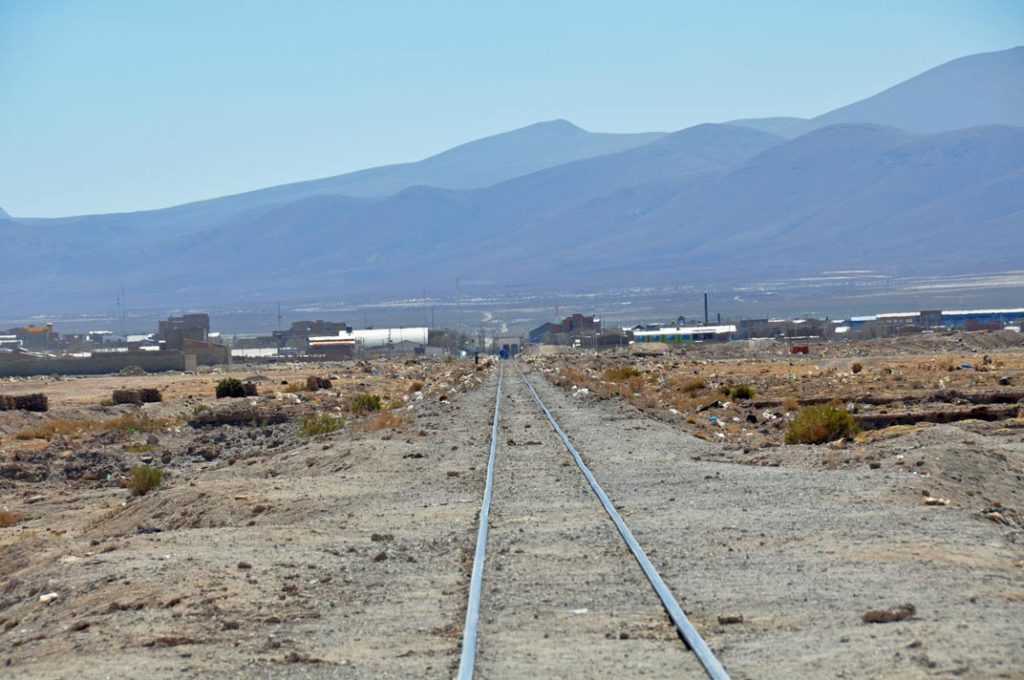
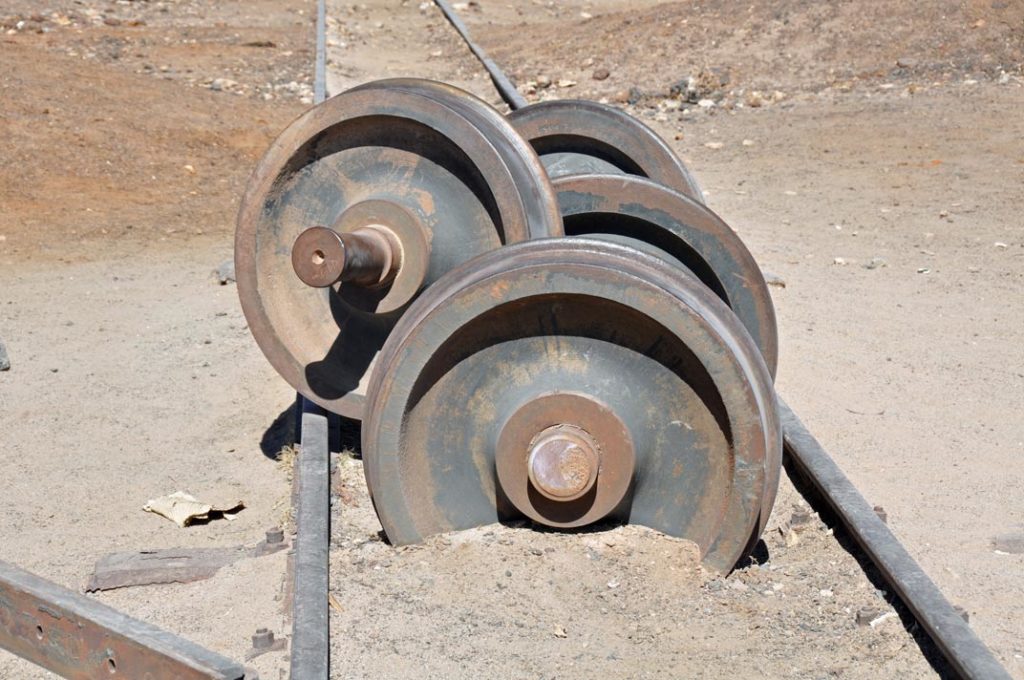
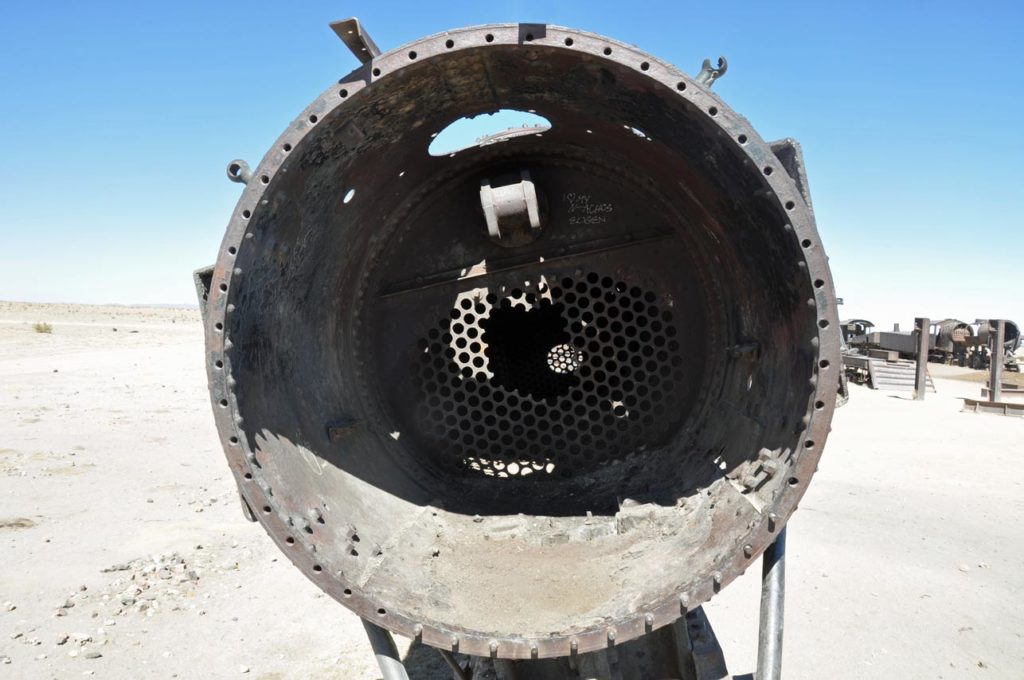
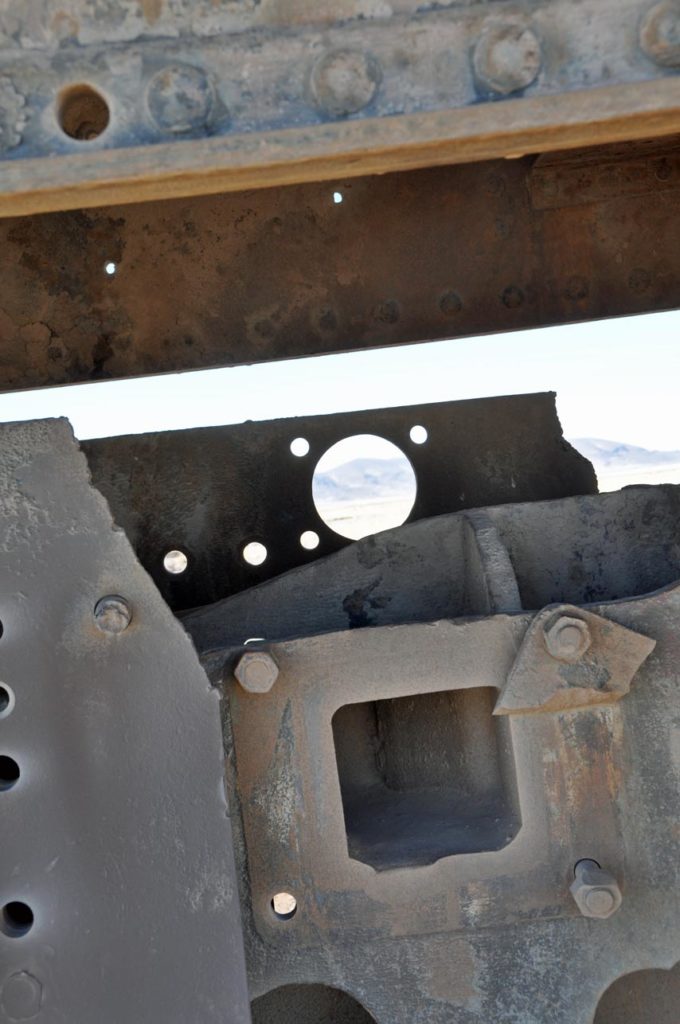
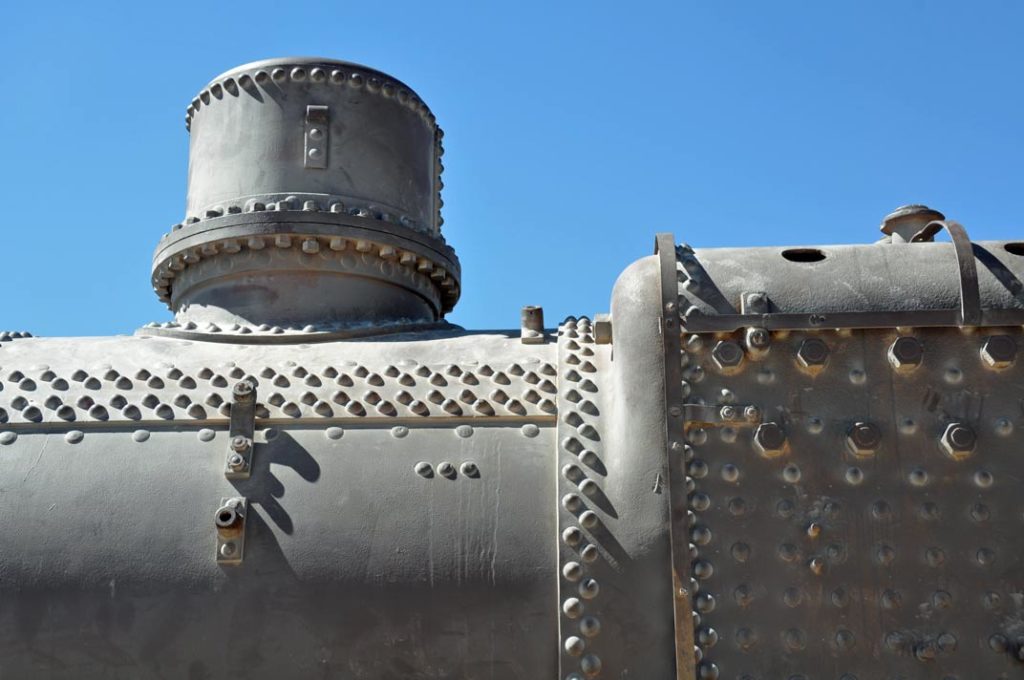
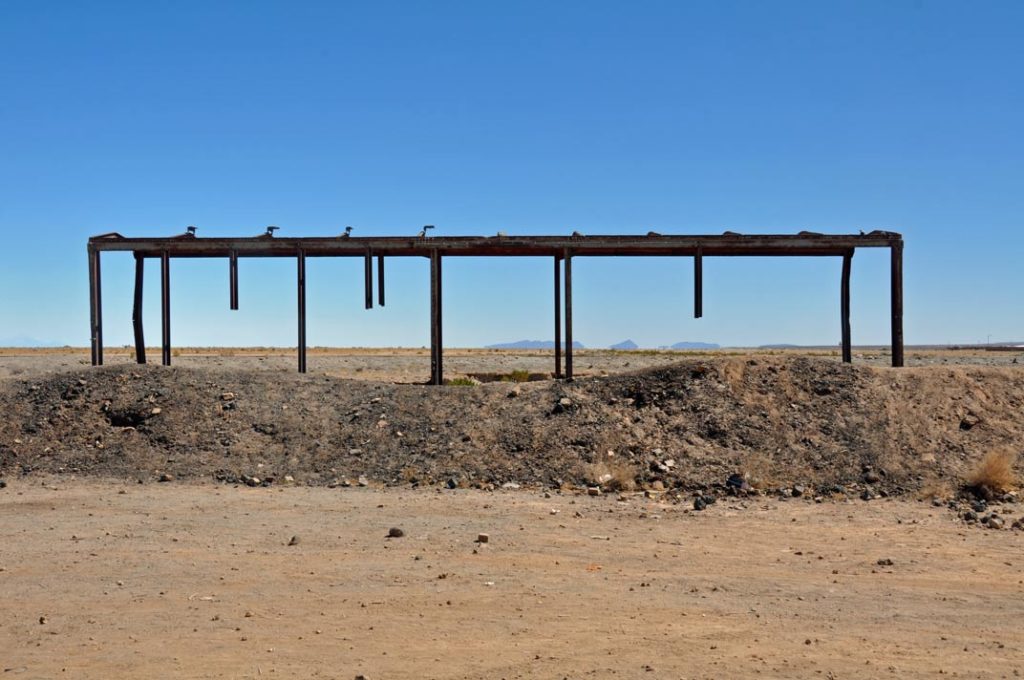
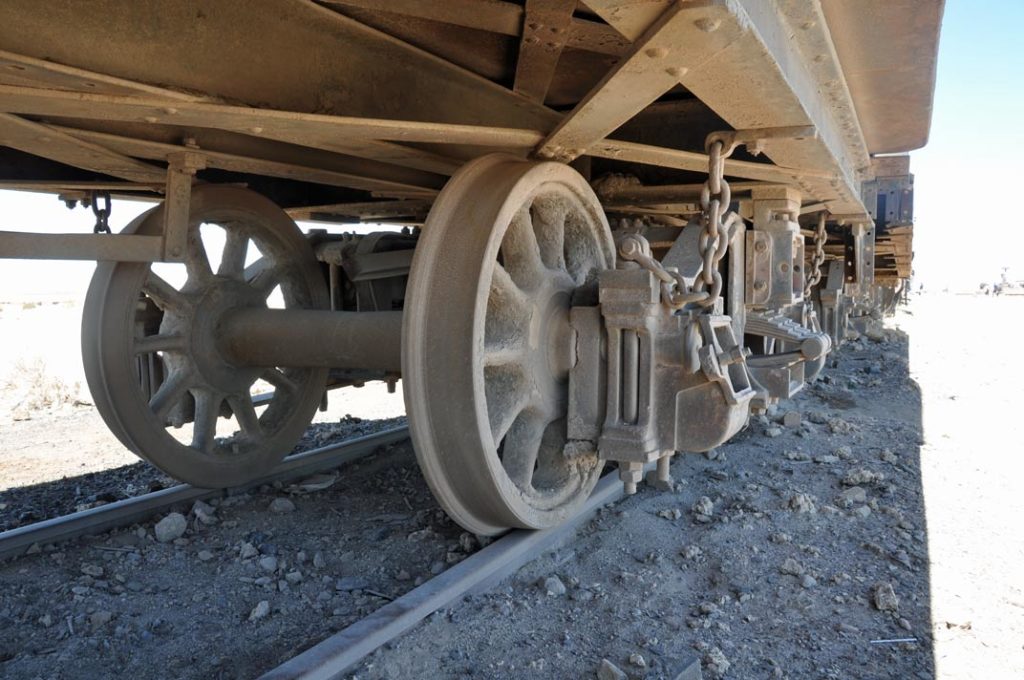
Some time ago, salt from the flats was shipped out of Uyuni by rail and when eventually that stopped, the trains were just abandoned and scavenged for scraps.

In a part of the world so incredibly dry, even the rust is slow moving so people are left with a train playground to scramble around.

The trains almost fall over yet somehow hold to their tracks.

And sooner or later the graffiti artists arrive.

The salt “farmers” have largely been replaced by bigger commercial concerns though one or two remain for the tourists.

Mostly though Uyuni is an opportunity to pick up your driver and guide, an orientate yourself to the astonishing salty flats.

Vast white plains of nothing, under the brightest of lights and bluest of skies, too painful to look at without decent sunglasses.