
brexit means this?

So now we know what brexit looks like, or do we?

Last week the EU and UK published a draft divorce agreement. Nearly two-and-a-half years after the UK shocked their own government by voting to leave the EU, we are about to discover what Brexit actually means.

Ofcourse the deal still has to be agreed by the EU and, harder still, by  UK Parliament. Several ministers, including the Brexit secretary, resigned in protest; Theresa May could yet be toppled. MPs must now grapple with multiple loyalties: to their constituents, their parties and their own beliefs, all of which are likely to have shifted since the referendum. Within weeks they will have to make the biggest decision facing Britain, and one of the biggest for Europe, in generations.

If the country has learned anything since 2016, it is to look before it leaps. Yet, in what well summed up the level of debate on Brexit, both hardline Leavers and Remainers alike trashed the deal before they had read a word of it. This makes no sense.

The terms of the divorce will take time for MPs and those they represent to digest—and they may well be amended by European leaders before Parliament has its vote. Nor is it clear what would happen in the event that the deal were voted down: more negotiating, a second referendum or crashing out without a deal? But as the crunch vote nears, mps must consider how to approach this fateful question.

First, we have to forget the past. The cheating that went on during the campaign, the premature triggering of Article 50 and the thin preparations are maddening. But they are questions for the inquiry that will surely one day dissect this national fiasco.

The task before Parliament is to decide in a cool-headed way whether adopting the terms on offer is better for the country than rejecting them.

Those who backed Remain—a group that includes most MPs—will find little in the deal to make them think they were wrong. Although it legally sets out only a temporary framework, its terms are clearly worse than the status quo.

Yet if they are to respect the referendum, MPs need also to judge the deal against what voters were promised during the referendum.

The Leave campaign had no formal manifesto, and most of those behind it have since fled the government but the animating idea was to “take back control”. In some ways the deal does this, notably in immigration, where Britain would reclaim the right to limit migration from Europe. The price of this is being kicked out of the single market, which would hit the economy. MPs must decide whether the government is right that the public accepts this trade-off.

But in other ways the UK will unequivocally forfeit control. It will stay aligned with many of the single market’s current and future rules, to keep trade flowing and the Irish border open, something the  EU has made a condition of any deal.

Once outside the EU, the UK  will have no say in setting these rules. European judges will still arbitrate on such matters, even though the UK will no longer be able to nominate them. This is not taking back control but giving it up.

Meanwhile, as long as it remains in a customs union Britain will not even get the consolation prize of signing trade deals with other countries, something by which many Brexiteers have come to set enormous (and unwarranted) store.

The deal also has implications for the integrity of the United Kingdom. It would keep open the Irish border, but create a deeper regulatory divide between Northern Ireland and mainland Britain. Whilst most English voters do not care much about Northern Ireland, MPs, particularly those from what is formally called the Conservative and Unionist Party, should ask themselves whether it is right that an accidental by-product of Brexit should be a step towards Irish unification.

Hanging over this debate about the pros and cons of the deal is the question of what overturning it would do to the health of Britain’s democracy. Parliament has the legal right to ignore the referendum. But after a record number of people voted (to “take back control”, no less), it could be catastrophic for trust in mainstream parties if it were to do so.

The democratic argument is complicated. The vote to leave was an expression not just of Euroscepticism but of a wider frustration. It exposed divisions by age, region and class that the old left-right party divide had covered up. Far from bridging those divides, the bitter arguments since the referendum have if anything caused the two sides to move even further apart.

Overturning the vote would risk making them irreconcilable but adopting a Brexit deal like the one on offer would be unlikely to heal those wounds. Indeed, if the referendum was a howl by the left-behind against rule by remote and uncaring elites, this form of Brexit could make those problems worse. Anger at unaccountable rulers would not be assuaged by a deal in which Britain followed orders from people it could not elect. And those keen just to get the whole thing over with might find that Brexit marked only the beginning of national argument about the relationship with the behemoth next door.

Nor is it clear that the democratic thing to do is to hold people to the result of a two-year-old, narrowly won referendum, when the consequence of the vote has turned out to be quite different from what many voters expected. Polls suggest that a small majority now prefers Remain to Leave; more might prefer Remain to a compromise like the deal on offer. Almost all MPs want to respect the will of the people. The question is whether the people’s will found its perfect and enduring expression in 2016, or whether it might have changed.

There is no simple way out of this endgame. Whether the Brexit deal is accepted or rejected, it will scar Britain for years. Too many politicians are still grandstanding. Some Brexiteers still pretend there is a Planb that would deliver a painless exit.

Labour is mainly concerned with forcing a general election.

That needs to change, and fast. This decision must be made in the most reasoned way possible and with the maximum information available. Politicians of all stripes have spent the past two years talking about the national interest. In the coming weeks they must weigh up where they think it lies.


Spiced Mango Chutney With Chillies

Spiced Mango Chutney With Chiles

INGREDIENTS

  • 5 pounds mangoes
  • 1 cup, or 7 ounces, golden raisins (or dried cranberries, cherries or apricots)
  • 1 cup apple cider vinegar
  • 1 cup, or 7 ounces, brown sugar
  • ½ cup finely minced onion
  • ¼ cup peeled, finely minced fresh ginger
  • 1 teaspoon yellow mustard seed
  • 1 teaspoon coriander seed
  • 6 cardamom pods, seeds extracted
  • 6 Kaffir lime leaves
  • 1 4-inch Chinese long red hot chile, or to taste
  • 1 4-inch serrano chile, or to taste


PREPARATION

  1. Peel and dice the mangoes to yield 5 cups, or 2 pounds 4 ounces.
  2. Sterilize jars by running them through a dishwasher cycle, leaving them inside until ready to fill.
  3. In a large, heavy, nonreactive pot, stir together mangoes, raisins, vinegar, brown sugar, onion and ginger together. Crush the mustard, coriander and cardamom seeds with the side of your knife or a rolling pin. Add to the pot and stir well. Add the lime leaves.
  4. Wearing gloves, slice the chiles into rings. Remove seeds if you wish. Decide how much chile suits your taste. (If you are heat averse, start with half the recommended amount and taste. The chiles may be omitted altogether for a sweeter chutney.)
  5. Bring heat up to medium and stir occasionally as mixture comes to a boil. Bring to a good hard boil, stirring all the time. Cook for 25 minutes, being careful to avoid sticking and burning as the mixture thickens. Adjust heat as needed without losing the boil and continue to stir.
  6. After 25 minutes, the mixture should be thick, with the fruit suspended in the tangy syrup, and a spoon pulled along the bottom of the pot leaving a trail. Turn off heat and discard the lime leaves.
  7. Ladle the hot chutney into warm jars, leaving 1/2-inch headspace. Run a plastic knife gently around inside of jar to remove any air bubbles. Recheck headspace. Wipe jar rims clean with a damp towel. Place lids on jars, screw on rings and lower jars back into pot of boiling water. Return to full boil and boil jars for 15 minutes. Transfer jars to a folded towel and let cool for 12 hours; you should hear them ping as they seal.
  8. Once cool, test seals by removing rings and lifting jars by their flat lids. If the lid releases, the seal has not formed. Unsealed jars should be refrigerated and used within a month, or reprocessed. (Rings and jars may be reused, but a new flat lid must be used each time jars are processed.) To reprocess, reheat syrup to boiling then continue as before.

Hidden

I was looking through the albums for photos that might be described as “hidden” and cam up with a surprising number of views through screens or doors.

And there were the obvious pictures of animals difficult to spot in amongst the scenery, no least my domestic cats.

Or somewhat wilder animals just lost in amongst the vastness.


But my favourite, the one that always makes me smile, is a picture of bees dancing in the flowers of my wild roses.

Autumn Tulips

Around twenty years ago I planted some red tulips near to the house. Every year come rain or shine they come back. I have gone through phases of hating them and have come full circle.

This Autumn I decided to plant them up with some clashing reds and oranges, maybe even dark dark purple. But when it came to ordering them, I was seduced by akebono, a lovely yellow tulip with peach tones, streaked apple green.

And princess irene, a lovely orange and purple tulip. Fragrant but maybe a bit too tasteful for the red thugs.

I’m going to stick them into the bed but am not at all certain how it will work out.

Meanwhile in the front of the garden the Angelique bulbs have grown well and put on a lovely show but they could probably do with a few darker bulbs dotted in amongst them. I’ve ordered blue diamonds which are a similar double flower 40cm tall

The tulips in the iris bed have put on a good show, despite a very strange arrival (not ordered) instead of my china pinks. It looks like some kind of green/pink parrot.

This year I’m going to add in some of the china pinks to the new iris bed and see whether it peps up the scheme.

Mostly tulips seem to come back but each year just a little thinner, so my objective is to top up the number of bulbs each year, within the overall colour scheme set up from the beginning white/pink/purple

So this year the collection looked good partly because of the colour combination but also the variation in height. The tall whites really stand out best but are just a little too tasteful for me.

I’ve ordered mainly pink tulips, including don quichottes and yosemites to use to top up the rose and iris beds

Underneath the hedge the little tulip bakeri looked great, but next time I’d better start planting from the magnolia down towards the house to even things up.

This year I should have quite few tulips to combine white/pink/purple in pots and troughs – I missed them last year.

Korean Fried Cauliflower

Korean fried cauliflower, a fiery, ketchupy exclamation point of a dish and God given proof that heaven is deep fried. Toasted sesame seeds garnish the tempura-fried vegetable, which in other realms is often relegated to a much more mundane treatment.

Korean Fried Cauliflower

INGREDIENTS

FOR THE SAUCE:

  • 1 ½ tablespoons gochujang (Korean red pepper paste)
  • ½ cup sugar
  • 6 cloves garlic, puréed
  • 3 tablespoons red yuzu kosho
  • ¼ cup mirin

FOR THE TEMPURA BATTER:

  • 140 grams (1 cup) tempura flour or tempura batter mix
  • 1 large egg yolk
  • 150 grams (1 scant cup or 1 cup minus 1 tablespoon) potato starch
  • 150 grams (1 cup plus 3 tablespoons) Japanese wheat flour or karaage ko

FOR THE CAULIFLOWER:

  • Canola oil, as needed for deep-frying
  • 1 head cauliflower, cut into 2-inch florets
  • Toasted sesame seeds, for garnish
  • Lime wedges, for garnish

PREPARATION

  1. Make the sauce: In a small saucepan over low heat, combine the gochujang, sugar, garlic, yuzu kosho, mirin and 1 cup water. Simmer until thickened slightly and reduced by half, about 20 minutes. Remove from heat and set aside at room temperature. Sauce may be made up to two weeks ahead and stored covered and refrigerated; bring to room temperature before serving.
  2. Make the tempura batter: Fill a pitcher with 1 3/4 cups ice-cold water, and set aside. In a large mixing bowl, combine the tempura flour (or batter mix), egg yolk and 1 cup of the water. Whisk to blend, then add the potato starch, wheat flour and remaining 3/4 cup water. The mixture should have the consistency of thin pancake batter.
  3. Fill a deep fryer or large pot halfway with canola oil and bring to 350 degrees. Coat the florets with the batter, and (working in batches if necessary) deep-fry until florets have a dark golden crust, 2 to 3 minutes. The crust should be crispy while the cauliflower retains some crunch.
  4. Remove browned florets from oil and drain on paper towels. Transfer to a warmed platter and drizzle thoroughly with sauce. Garnish with toasted sesame seeds and lime wedges. Serve hot.

Nowhere Good to Go

Unsurprisingly, most of the people I know are fundamentally opposed to leaving the EU. However we’ve all had a couple of years now to get used to the idea that we’re leaving and bound for disappointment.

Looking through the more right-wing media outlets what is perhaps most striking is how disappointed people who voted to leave find themselves.

We’re leaving in March 2019, and no one is happy.

But looking around the political landscape, there is a total lack of alternative directions to be found. And there is something of a lack of ideas for what happens once we’ve left.

Part of the problem is the all-encompassing nature of the brexit negotiations which just suck up all of the political air, leaving none for discussing real-life politics.

Beneath the chaos of the Brexit talks, big ideas are forming that will shape the next decade. At last there are signs that politicians are starting to think about the direction that Britain should take after it leaves the EU.

Some of the fundamental ideas that have underpinned Western governments of all stripes for decades are being questioned from right and left. A party which could come up with persuasive answers might dominate British politics for many years.

The people have spoken

The Leave campaign’s demand to “take back control” resonated because it applied to more than just Britain’s relationship with Europe. It chimed with those sick of a hyper-centralised state, where feeble councils take marching orders from an out-of-touch London. It tapped into growing anger at the outsourcing of public services to remote and incompetent private companies. It pointed to the firms that bypass employment law by treating staff as “gig” workers with few rights. And it reflected a feeling of impotence in the face of a system of global capitalism which, ten years ago, sent Britain into recession after bankers thousands of miles away mis-sold securities that no one, including themselves, understood.

On becoming prime minister in 2016, Theresa May assured voters that she had heard their cry, and boldly vowed to reshape “the forces of liberalism and globalisation which have held sway…across the Western world.” She has not kept this promise. Her lack of imagination, squandered majority and the all-consuming Brexit negotiations—the ones with her party, rather than the EU—mean that, more than two years on from their great howl, the British people have seen nothing in return.

When Brexit day comes next March, and Britain is left with either a bad deal or with no deal at all, the call for revolutionary change will not have been sated—it will be stronger than ever.

Meanwhile the Labour Party is marching ever further and more confidently to the left. Many of the ideas in its manifesto last year recast old policies, such as renationalising the railways, which would not answer the fundamental new questions being asked of the state. But since then Labour’s economic plan has evolved. The shadow chancellor, John McDonnell now proposes “the greatest extension of economic democratic rights that this country has ever seen”.

McDonnell correctly identifies that power has drained from labour towards capital in recent years. But his proposals to redress this balance would see the state strong-arm its way deeply into the economy.

Companies would have to nominate workers to make up a third of their boards, while pay would be determined by collective bargaining. 10%  of companies’ equity would be expropriated and put in funds managed by workers’ representatives, that would become the largest shareholders in many of the biggest firms.

Workers would receive some dividends, but the majority would go to the government.

The Treasury would be “reprogrammed” to channel money to favoured industries despite the history that shows us government is lousy at picking industrial “winners”

Coupled with a plan to raise the minimum wage so that it embraces 60% of employees under 25, the package represents a transfer of power not just to workers but also to the state and the unions.

It all feels a bit too “big state” for my taste.

“The greater the mess we inherit, the more radical we have to be,” Mr McDonnell told the conference. Brexit is likely to provide the mess required to justify a socialist shock-doctrine.

The Tories have been slower to regroup. Some want to dust off the free-market principles of Thatcherism and apply them to new areas, lifting planning restrictions to encourage housebuilding, say. Others want the party to blunt capitalism’s sharper edges, for instance by mimicking the trust-busting of Teddy Roosevelt, whose target today would be the overmighty, rent-seeking tech monopolies. Still others believe the remedy for Britain’s fractiousness is to update Benjamin Disraeli’s “One Nation” Conservatism, arguing that its modern mission should be to unite a country whose deep divides—by age, class, region and more—were exposed by Brexit.
These ideas could mark a dramatic break with the past.

But whereas an insurgent Labour has united behind a growing list of detailed plans, the Tories’ thoughts are ill-defined, and the party far from agreed on which to pursue. Their leader, on the rack in Brussels and fighting for her job in Westminster, has no time for philosophising. She is unlikely to make way for a successor until Britain has left the EU. Yet there is no time to lose.

Too many Tories doubt that plans as drastic as Mr McDonnell’s could ever be enacted in Britain. That is complacent. The grotesque folly of Brexit will be enough to persuade many wealthy Britons to ditch the Tories, even if it means electing a far-left chancellor. And Britain’s winner-takes-all system lets governments quickly and dramatically reshape the country. Mr McDonnell would not face the checks and balances that have restrained President Donald Trump.

Britain is at last getting the battle of ideas that the referendum result demanded. That presents big opportunities, but also grave risks. It is time for those who dislike the sound of the future described by Labour this week to do some hard thinking of their own.

Lentil Salad With Roasted Vegetables

A simple salad made by combining lentils (can be pre-cooked) with some vegetables you’ve roasted in the over. As with all salads, the key is the dressing.

INGREDIENTS

FOR THE LENTIL SALAD:

  • 1 small whole acorn squash, peeled if desired, halved, seeded and diced into 1/2-inch pieces
  • 2 medium carrots, peeled and diced into 1/2-inch pieces
  • 1 medium celeriac, peeled and diced into 1/2-inch pieces
  • 3 small beets, peeled and diced into 1/2-inch pieces
  • 2 tablespoons extra-virgin olive oil
  • ½ teaspoon salt
  • 2 sprigs thyme
  • 1 sprig rosemary, cut in half
  • 2 cups brown or green lentils
  • 2 garlic cloves, smashed and peeled
  • 1 bay leaf
  • 1 ½ teaspoons kosher salt, more to taste
  • ½ teaspoon black pepper

FOR THE SHERRY VINAIGRETTE:

  • ¼ cup balsamic vinegar, more to taste
  • 2 teaspoons Dijon mustard
  • ½ teaspoon salt
  • ½ cup extra-virgin olive oil, more as needed

FOR SERVING:

  • 2 heads radicchio, sliced
  • 2 scallions, thinly sliced (whites and greens)
  • Parsley, roughly chopped, for garnish
  • Flaky sea salt, to taste
  • Cracked black pepper, to taste
  • 1 tangerine, halved and seeded

PREPARATION

  1. Heat oven to 400 degrees. Place vegetables in one layer on one or two large rimmed baking pans, toss with olive oil and salt. Place thyme and rosemary on top of vegetables, cover pans with foil and roast for 25 minutes. Remove foil, stir in bacon and bake for 30 to 40 minutes longer, until vegetables are tender and golden all over.

  2. In a large pot, combine lentils, 6 cups water, garlic, bay leaf, salt and pepper and bring to a boil over high heat. Reduce heat to low and simmer for 20 to 30 minutes, until lentils are tender.
  3. In a small bowl, whisk together vinegar, mustard and salt. Then whisk in olive oil.
  4. Drain lentils and discard bay leaf; keep or discard garlic as you like. Toss lentils with half of the sherry vinaigrette while still warm. Add more salt, olive oil and vinegar as needed.
  5. Toss radicchio with enough of remaining vinaigrette to lightly coat it and arrange it on a platter. Combine lentils and roasted vegetables, adding more of the vinaigrette to taste; spoon mixture on top of radicchio. Garnish with scallions, parsley, sea salt and black pepper. Squeeze tangerine juice over the lentils and drizzle with more olive oil if needed.

Iceland South East

At the end of our trip we circled back towards Reykavik and found ourselves with some time to cover the more standard day trip tours from the city.

This included a trip to visiting the original geyser, which unsurprisingly stinks to high heaven of sulphur (rotton eggs)

There were plenty of witches cauldron pools on view plus some spectacular high eruptions to be viewed. Just be sure to stand up-wind unless you want to get very wet indeed.

Then of course there is the amazing Godafoss waterfall, with it’s crevasse plunging at right angles.

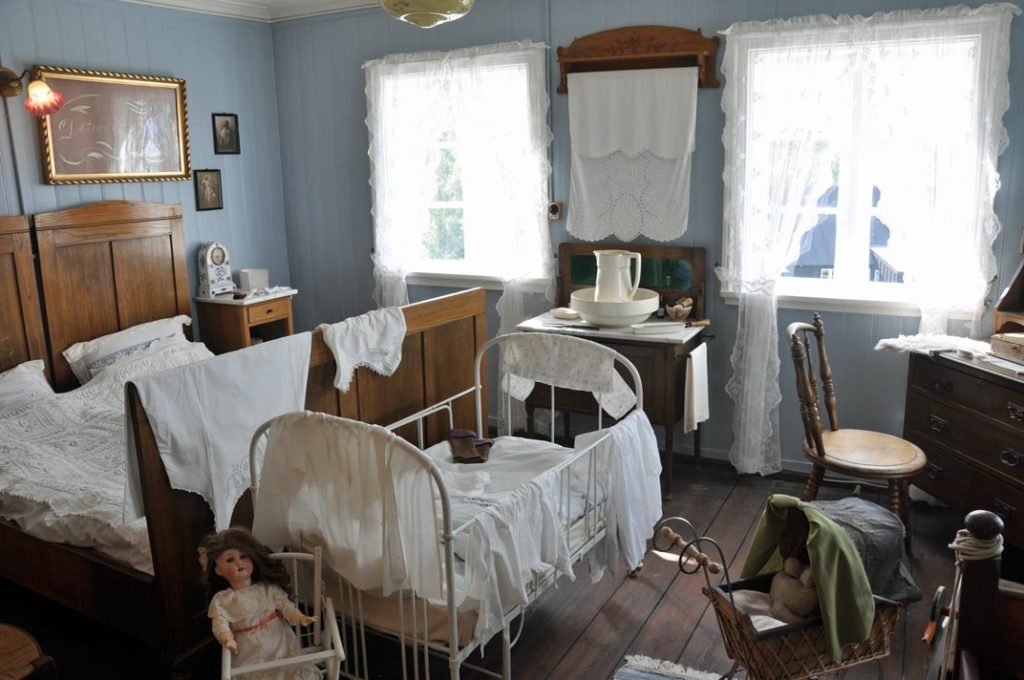
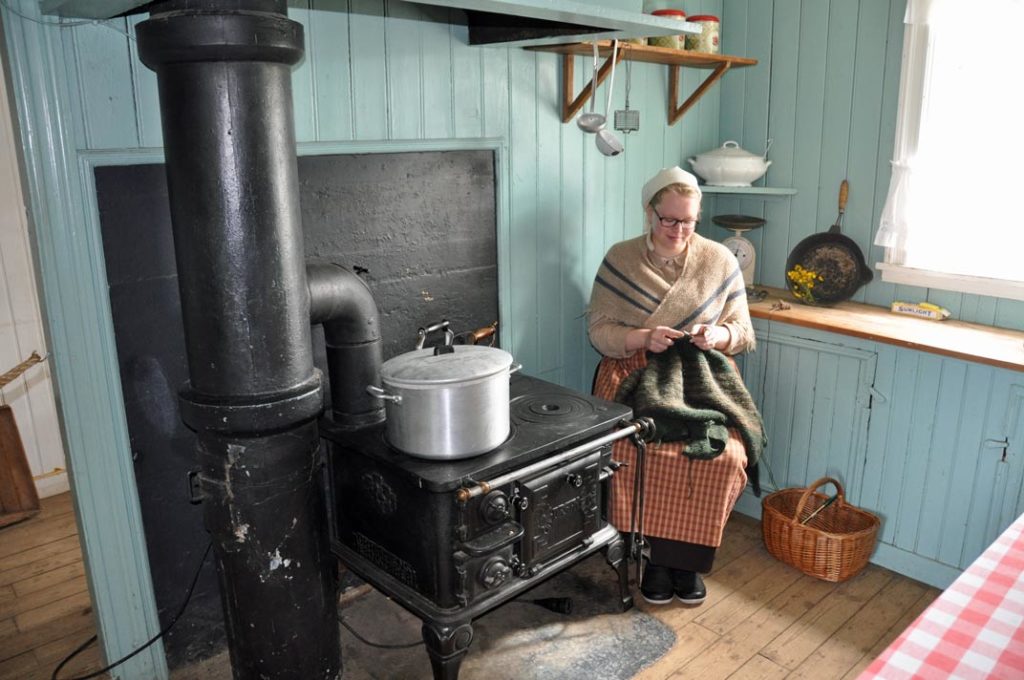
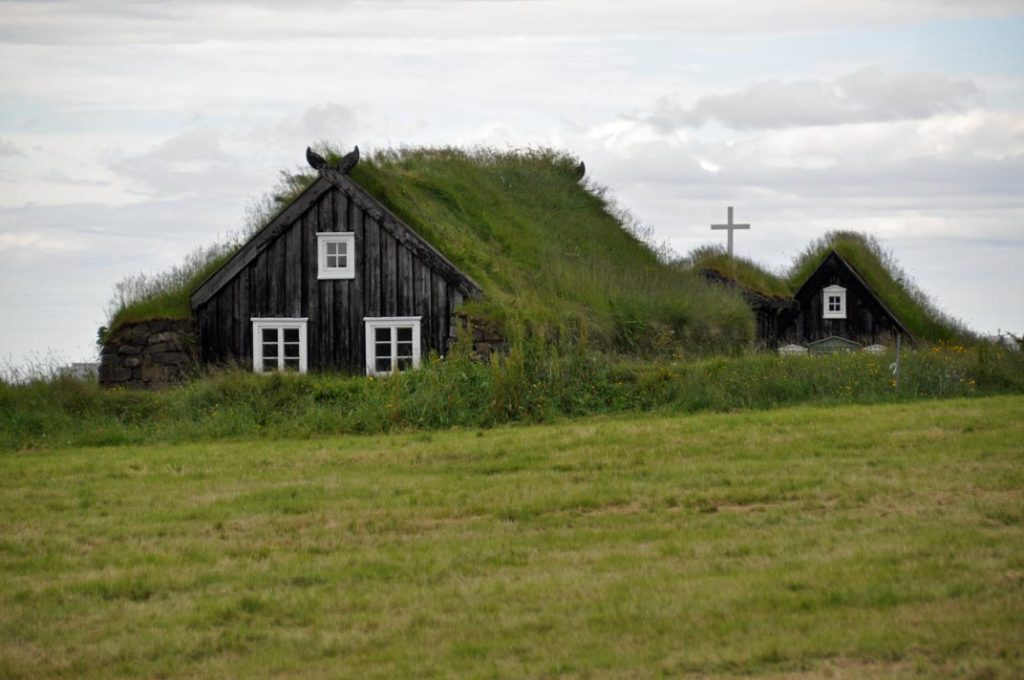
And last but not least, a trip to the wonderful folk museum to add a bit of context that might have been better understood at the beginning rather than the end of the trip.


It is surprising how very poor Iceland was up to relatively recently with famine an ever-present danger. Even now, the country is rich is terms of hydrothermal-energy and in the education of its people, but poor in terms of land resources. It is still very economically vulnerable to global shocks with it’s main sources of income tourism and fishing still.

For a country dependent on tourism there was very little to see by way of quality service.

Similarly there was very little to be found in terms of excellent food. It is a country that focuses on selling it’s natural features with very little adornment, very little added value exhibit or tourism attractions.

So far, that’s been enough. But the friction that inevitably results from dealing with so many visitors in such a short space of time, to such an empty country are bubbling up. Its history plays out in a very stoic, pragmatic attitude towards life within the people we met but they can see the damage that tourism can cause. How they manage to mitigate that damage will determine whether the tourism industry continues to thrive.

It was an amazing trip to a beautiful unique country, surprisingly different to expectations but well worth visiting.

Marble Bundt Cake

Continuing to explore the options for my new bundt tin, I had a go at making a marble bundt, basically two slightly less wet cake mixtures added spoon by spoon and vaguely stirred with a chopstick. Cake making for dummies that looks pretty expert.
The only difficulty is the need to convert from American cups (why?) to metric.

 Prepare time:

 Cook:

INGREDIENTS

  • All purpose flour – 2 cups 
  • Baking powder – 2 tsps
  • Salt – 1/2 tsp
  • Butter – 3/4 cup, unsalted, room temperature
  • Sugar – 1 1/2 cups + 3 tbsp, superfine, divided
  • Eggs – 4, large, lightly beaten in a small bowl
  • Vanilla extract – 1 tsp
  • Cocoa powder – 1/3 cup (dutch processed)
  • Hot water – 1/3 cup espresso
  • Vanilla extract – 1/4 tsp

METHOD FOR MAKING MARBLE BUNDT CAKE

Preheat oven to 175 C (350 F) and position a rack in the center of the oven. Grease the bundt pan thoroughly including the creases and flour it well and tap out the excess flour.
In a small bowl, add the hot water, instand coffee powder, cocoa powder and 3 tbsps sugar and mix till smooth with no lumps. Add almond extract and mix. Set aside to cool.
In a medium bowl, sift the flour, baking powder, and salt.
In a large bowl, add the butter and beat it till smooth for 2 mins.
Gradually add sugar and continue to beat for 3 minsmi. Add the vanilla extract and beat till light in color, approx 4 mins.
Gradually add the egg mixture and beat on low speed for a mt.
Gradually add the flour in four additons and beat on low until just combined and smooth.
Transfer a little less than half of the cake batter to the cocoa mixture and mix with a spoon until smooth.
With the help of an 2 1/2″ diameter ice cream scoop or large spoon, alternate scoops of the vanilla and chocolate batters into the pan. Take a chopstick and create a swirl all through the batters taking care not to touch the sides of the pan. Smooth the top lightly.
Bake in the preheated oven for 55 to 60 mts till a skewer inserted in the center of the cake comes out clean. Check from 50 mts onwards. Cool on a wire cake rack for 10 mts and invert the cake onto the rack to cool completely.